7 Essential Types of Specialty Coffees for Aficionados
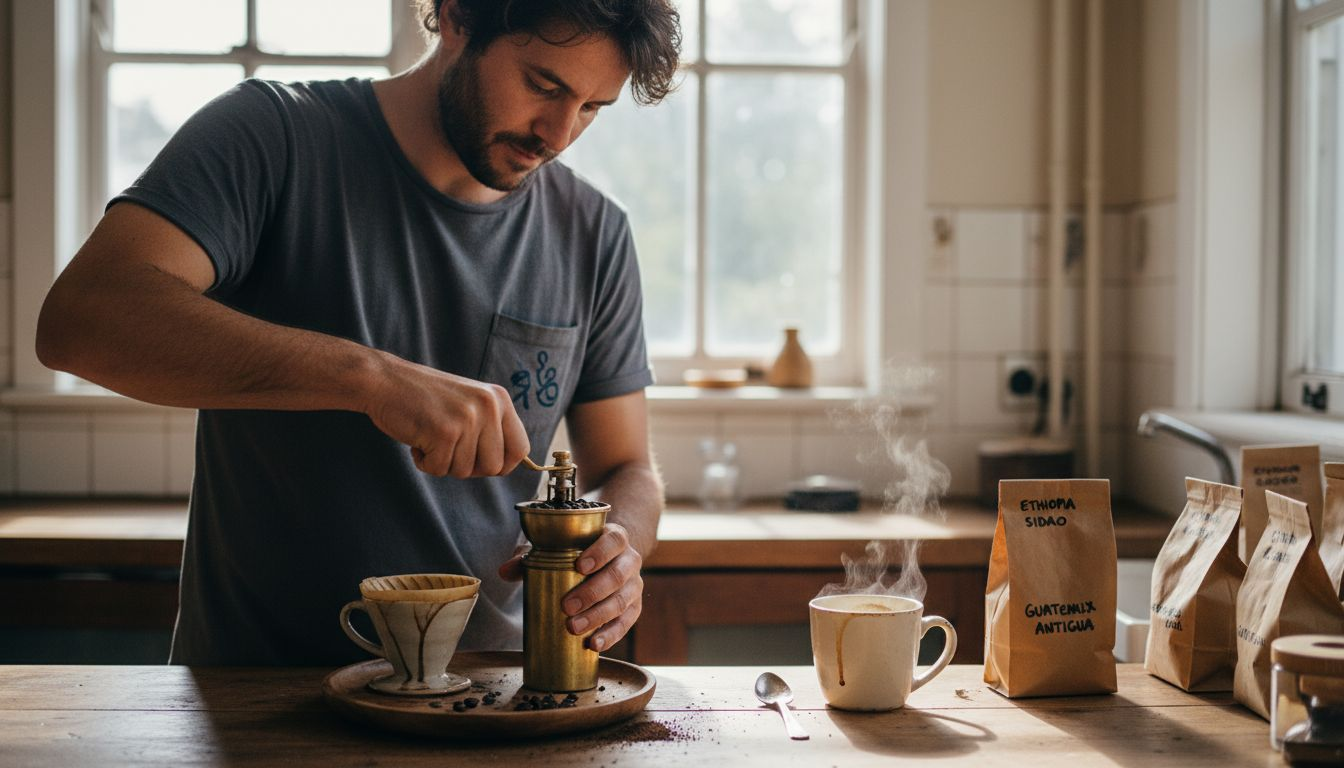
Choosing coffee today is far more than picking a random bag off the shelf. Flavor, ethics, and traceability have become top priorities for coffee lovers who want more than a generic blend. With so many options and new terminology, it is easy to get overwhelmed when searching for beans that fit your values and taste preferences.
This list will help you navigate the world of specialty coffee, highlighting how origin, cultivation, and sourcing methods impact both taste and your purchasing decisions. You will uncover actionable insights about single-origin coffee and discover why traceability, farm-level quality, and ethical practices matter more than ever.
Get ready to explore practical strategies and unique coffee types that transform your daily cup into an experience anchored in quality, transparency, and conscious choices.
Table of Contents
- Single-Origin Coffees And Their Unique Profiles
- Microlot Coffees: Small Batches, Big Flavor
- Estate Coffees: Traceable Quality And Craftsmanship
- Direct Trade Coffees: Supporting Ethical Sourcing
- Coffee Blends For Balanced And Complex Flavors
- Limited Edition Coffees For Exclusive Experiences
- Organic And Eco-Friendly Coffees For Conscious Brewing
Quick Summary
| Takeaway | Explanation |
|---|---|
| 1. Single-origin coffees tell unique stories | These coffees reflect their geographic origins and showcase distinct flavors from specific regions, providing a rich taste experience. |
| 2. Microlot coffees support small farmers | Produced in limited quantities, these coffees highlight artisanal techniques and foster sustainable practices, benefiting individual coffee growers. |
| 3. Choose estate coffees for quality | Estate coffees offer traceability and meticulous production, allowing for a deeper appreciation of the coffee’s origins and craftsmanship. |
| 4. Embrace direct trade for ethical sourcing | Direct trade fosters meaningful connections between roasters and farmers, ensuring fair compensation and promoting sustainable practices. |
| 5. Select organic coffees for sustainability | Opting for organic and eco-friendly coffees promotes environmental conservation and supports sustainable farming methods in coffee production. |
1. Single-Origin Coffees and Their Unique Profiles
Single-origin coffees represent the purest expression of coffee’s geographic storytelling, offering coffee lovers an authentic taste of a specific region’s terroir. These exceptional beans are cultivated in a particular microclimate and showcase flavor profiles as distinctive as the landscape from which they emerge.
Understanding single-origin coffee requires appreciating how geography fundamentally shapes taste. Beans grown in the volcanic soils of Guatemala will taste dramatically different from those cultivated in the high-altitude regions of Ethiopia, reflecting the unique environmental conditions of their origin. Distinctive flavor characteristics emerge from factors like soil composition, altitude, rainfall, and local processing techniques.
Coffee enthusiasts value single-origin beans for their transparency and traceability. Unlike blended coffees that mix beans from multiple regions, these coffees tell a precise narrative about their birthplace. Each sip becomes a sensory journey through the specific microclimate where the coffee was grown, allowing drinkers to experience the nuanced flavor notes that make each origin special.
When exploring single-origin coffees, look for detailed information about the bean’s provenance. The best roasters will provide specifics about the farm, altitude, processing method, and harvest date. This information helps you understand and appreciate the coffee’s unique flavor profile before you even brew your first cup.
Pro tip: When sampling single-origin coffees, brew using pour-over or French press methods to fully experience the beans’ subtle flavor complexities and regional characteristics.
2. Microlot Coffees: Small Batches, Big Flavor
Microlot coffees represent the pinnacle of artisan coffee craftsmanship where extraordinary flavor meets meticulous agricultural precision. These exceptional coffees are produced in extremely limited quantities, typically sourced from a single farm or even a specific section of a coffee plantation.
Unlike mass produced beans, microlot coffees emerge from carefully selected plots where farmers dedicate extraordinary attention to cultivation techniques. Every aspect of production is carefully controlled to highlight the most nuanced flavor characteristics. Specialty coffee selection requires understanding these unique small batch productions that represent true coffee artistry.
What distinguishes microlot coffees is their unparalleled transparency and traceability. Farmers can often tell you exactly which section of their farm produced these beans, the specific harvest date, and the precise processing method. This level of detail allows coffee enthusiasts to connect directly with the origin and understand the journey from seed to cup.
Purchasing microlot coffees supports sustainable agricultural practices and provides economic opportunities for small scale farmers. By prioritizing quality over quantity, these farmers can command premium prices for their exceptional beans, creating a more equitable coffee ecosystem.
Pro tip: When exploring microlot coffees, purchase smaller quantities to ensure maximum freshness and rotate through different origins to experience the incredible diversity of flavor profiles.
3. Estate Coffees: Traceable Quality and Craftsmanship
Estate coffees represent the pinnacle of precision and storytelling in the specialty coffee world where an entire coffee farm becomes a canvas for exceptional quality. These carefully curated coffees emerge from a single agricultural estate, offering coffee lovers an unparalleled glimpse into the meticulous journey from seed to cup.
The magic of estate coffees lies in their extraordinary traceability and controlled production. Each bean can be tracked back to its precise origin, with coffee quality and origin tracking now supported by advanced technologies like near infrared spectroscopy and machine learning. This means every cup tells a story of its specific geographic location, farming practices, and the dedicated individuals who cultivated it.
What sets estate coffees apart is the profound level of intentionality behind their production. Unlike commercial coffee blends, these beans are cultivated with exceptional care, where farmers have complete control over varietal selection, harvesting techniques, and post harvest processing. The result is a coffee that expresses the unique personality of its specific growing environment.
By choosing estate coffees, you are not just selecting a beverage but supporting sustainable agricultural practices and direct relationships with coffee producers. Each purchase represents an investment in quality craftsmanship and the economic empowerment of dedicated farming communities.
Pro tip: When exploring estate coffees, pay close attention to the detailed origin information provided and experiment with brewing methods that highlight the beans unique flavor characteristics.
4. Direct Trade Coffees: Supporting Ethical Sourcing
Direct trade coffee represents a revolutionary approach to sourcing that transforms the traditional coffee supply chain by creating transparent and meaningful connections between coffee roasters and farmers. This model goes beyond standard fair trade practices by establishing direct relationships that prioritize quality, sustainability, and fair compensation.
At its core, direct trade is about eliminating unnecessary intermediaries and creating a more equitable coffee ecosystem. Roasters who embrace direct trade coffee sourcing engage directly with coffee producers, ensuring they receive substantially higher compensation for their exceptional beans. This approach allows farmers to invest in their land, communities, and coffee production techniques.
The benefits of direct trade extend far beyond economic considerations. By working closely with farmers, roasters gain unprecedented insights into cultivation methods, processing techniques, and the unique characteristics of each coffee origin. This collaborative approach enables coffee enthusiasts to understand the intricate stories behind their favorite beans while supporting sustainable agricultural practices.
Choosing direct trade coffees means making a conscious decision to support global agricultural communities. Each purchase becomes an investment in farmer empowerment, environmental sustainability, and the preservation of traditional coffee cultivation techniques. You are not just buying coffee you are participating in a global movement that values human connections and ethical production.
Pro tip: When selecting direct trade coffees, look for detailed information about the specific farm, farmer, and production practices to truly understand the impact of your purchase.
5. Coffee Blends for Balanced and Complex Flavors
Coffee blends represent the artful orchestration of flavor, where master roasters combine different beans to create a symphony of taste that transcends the capabilities of single origin coffees. These carefully crafted combinations transform individual bean characteristics into something truly extraordinary.
The science behind blending involves strategic selection of beans with complementary flavor profiles. Sensory analysis of coffee blends reveals that thoughtful combinations can enhance smoothness, balance body, and create complex flavor experiences that single origin coffees cannot achieve alone. By mixing Arabica and Robusta beans in precise proportions, roasters can develop rich sensory landscapes that delight even the most discerning palates.
Each coffee blend tells a unique story through its flavor composition. Some blends might combine beans from Central American regions known for bright acidity with Indonesian beans offering deep earthy undertones. Others might layer light roasted Ethiopian beans with darker Brazilian beans to create multilayered taste experiences that evolve with each sip.
Understanding coffee blends allows you to appreciate the roaster’s craft and expand your coffee horizons. Unlike single origin coffees that showcase a specific terroir, blends demonstrate the roaster’s skill in creating balanced and harmonious flavor profiles that appeal to a wide range of preferences.
Pro tip: When exploring coffee blends, taste them at different times of day and with various brewing methods to fully appreciate their complex flavor transformations.
6. Limited Edition Coffees for Exclusive Experiences
Limited edition coffees represent the pinnacle of specialty coffee craftsmanship where rarity and extraordinary flavor converge to create unparalleled drinking experiences. These exceptional coffees are the unicorns of the coffee world crafted in microscopic quantities that transform coffee consumption from a routine into a memorable event.
The allure of limited edition coffee markets lies in their extraordinary storytelling and exceptional production methods. These coffees often emerge from single harvests with unique processing techniques, microclimates, or experimental growing conditions that cannot be replicated. Each batch becomes a momentary treasure that captures a specific point in agricultural time and place.
For coffee enthusiasts, limited edition coffees offer more than just a beverage. They provide an opportunity to explore extraordinary flavor profiles that push the boundaries of traditional coffee experiences. Whether it is a rare varietal grown at extreme altitudes or beans processed using innovative techniques these coffees represent the cutting edge of agricultural and culinary innovation.
Collecting and experiencing limited edition coffees requires both passion and strategy. Serious aficionados often track rare releases from renowned coffee producers develop relationships with specialty roasters and are prepared to invest in these ephemeral flavor experiences. The value extends beyond taste into the realm of cultural and agricultural appreciation.
Pro tip: Subscribe to specialty coffee roasters newsletters and follow their social media to get early access to limited edition releases before they sell out.
7. Organic and Eco-Friendly Coffees for Conscious Brewing
Organic and eco-friendly coffees represent a profound commitment to environmental stewardship and sustainable agricultural practices that extend far beyond the simple brewing of a morning beverage. These coffees embody a holistic approach to production that respects both planetary ecosystems and the communities that cultivate them.
The essence of sustainable coffee initiatives lies in their comprehensive approach to agricultural production. By avoiding synthetic chemicals and promoting shade grown cultivation methods, these coffees protect biodiversity and create resilient farming ecosystems. Farmers who embrace these practices are essentially acting as environmental guardians, preserving complex ecological relationships while producing exceptional coffee.
Consumer choices in organic coffees directly impact global agricultural sustainability. When you select an eco friendly coffee, you are not merely purchasing a beverage but supporting a complex network of environmental conservation and social responsibility. These coffees often come with certifications that validate their commitment to pesticide free production, fair labor practices, and ecosystem protection.
The ripple effects of choosing organic and eco friendly coffees extend well beyond individual consumption. By creating market demand for sustainably produced beans, consumers incentivize farmers worldwide to adopt more environmentally conscious cultivation techniques. This creates a powerful economic mechanism for driving global environmental protection.
Pro tip: Look for specific eco certifications like Rainforest Alliance or USDA Organic when selecting your coffee to ensure genuine sustainability practices.
Below is a comprehensive table summarizing the topics and insights shared in the article concerning various coffee types and their unique characteristics and benefits.
| Coffee Type | Description | Key Benefits |
|---|---|---|
| Single-Origin Coffees | Highlight specific regional flavors influenced by unique environmental conditions. | Offers authentic taste of a region’s terroir; enables traceability and understanding of bean provenance. |
| Microlot Coffees | Produced in small, precise batches from distinct sections of farms. | Provides superior flavor precision; supports sustainable agriculture and provides economic opportunities. |
| Estate Coffees | Developed from a single farm with controlled and transparent production processes. | Ensures quality through meticulous cultivation; promotes direct relationships with farmers and traceability. |
| Direct Trade Coffees | Sourced via direct relationships between farmers and roasters, emphasizing fairness and quality. | Encourages ethical production and equitable compensation; fosters transparent consumer-farmer connections. |
| Coffee Blends | Combine beans from diverse origins to create complex and balanced flavor profiles. | Allows for enhanced flavor complexity; showcases roaster expertise in blending. |
| Limited Edition Coffees | Represent rare, premium qualities from specific microclimates or experimental processing techniques. | Provides exclusive, unique flavor experiences; supports improvements in coffee innovation and production. |
| Organic and Eco-Friendly Coffees | Cultivated sustainably without synthetic chemicals, protecting ecosystems and communities. | Promotes environmental stewardship and biodiversity conservation; supports socially responsible practices. |
Discover Your Perfect Specialty Coffee Experience with House Coffee
Exploring the world of specialty coffees means embracing unique flavors, ethical sourcing, and exceptional craftsmanship. Whether you are fascinated by single-origin stories, captivated by microlot precision, or seeking the balance of masterful blends, House Coffee offers curated collections that bring these experiences right to your doorstep. Dive into our Diamond Collection to explore rare and thoughtfully sourced beans that embody the essence of origin and artistry.
Elevate your coffee ritual today by choosing from our premium selections designed for aficionados who value both quality and sustainability. Visit House Coffee now to browse the Gold Collection or find the ideal gift in our Gift and Bundles section. Start savoring unparalleled flavor profiles while supporting eco-friendly practices and fair trade relationships. Don’t wait – craft your signature cup with us today.
Frequently Asked Questions
What are single-origin coffees and why are they special?
Single-origin coffees are sourced from a specific region or farm, showcasing unique flavor profiles influenced by their geographic origin. To explore single-origin options, research detailed information about each coffee’s provenance before brewing to fully appreciate its distinct taste.
How do microlot coffees differ from regular coffees?
Microlot coffees are produced in very limited quantities from specific sections of a farm and emphasize unique flavor characteristics through meticulous farming practices. When trying microlot coffees, purchase smaller amounts to maintain freshness and sample a variety of origins for a richer tasting experience.
What should I look for in estate coffees?
Estate coffees originate from a single farm, meaning their quality and story can be traced back to specific agricultural practices. Focus on the origin details and processing methods provided by the roaster to discover the unique qualities of each estate coffee.
How do direct trade coffees ensure ethical sourcing?
Direct trade coffees establish direct relationships between roasters and farmers, ensuring fair compensation and transparency throughout the supply chain. To support this movement, consider looking for brands that provide detailed information about the specific farms and production methods involved.
What are the key benefits of choosing organic and eco-friendly coffees?
Organic and eco-friendly coffees are produced without synthetic chemicals, promoting biodiversity and sustainable farming practices. Seek out coffees with certifications like USDA Organic to ensure your purchase contributes to environmental stewardship and social responsibility.
How can I appreciate the complexity of coffee blends?
Coffee blends create balanced flavors through the combination of different beans, often enhancing smoothness and complexity. Experiment with brewing methods at different times of day to uncover the unique flavor profiles in each blend.
Recommended
- 7 Essential Steps for Your Specialty Coffee Checklist – House Coffee
- 7 Essential Steps for Your Specialty Coffee Checklist – House Coffee
- Step by Step Specialty Coffee Selection Guide for Home – House Coffee
- Step by Step Specialty Coffee Selection Guide for Home – House Coffee
- What Is a Coffee Cup Lid? Complete Overview - Grab & Go Packing
- Roasted Organic Whole Coffee Beans - 1kg - RAWGORILLA – Granavitalis
-
Posted in
types of specialty coffees