7 Essential Steps for Your Specialty Coffee Checklist

Most American coffee enthusiasts do not realize that a single coffee region can produce hundreds of unique flavor notes, from bright citrus to deep chocolate. For those passionate about premium beans, exploring differences in single-origin and bean quality transforms the daily cup into an adventure. This guide helps you master everything from American coffee trends to choosing ethically sourced beans and refining your at-home brewing ritual.
Table of Contents
- Understand Single-Origin And Bean Quality Basics
- Choose Ethically Sourced And Fresh-Roasted Beans
- Check Proper Storage For Maximum Freshness
- Select The Best Grind Size For Your Brewing Method
- Use The Right Water Temperature And Ratio
- Explore Brewing Devices For Enhanced Flavor
- Master The Art Of Coffee Tasting And Appreciation
Quick Summary
| Key Message | Explanation |
|---|---|
| 1. Focus on Bean Quality | High-quality Arabica beans are essential for exceptional coffee flavor and complexity. Look for specific visual indicators of quality. |
| 2. Choose Ethical and Fresh Beans | Selecting ethically sourced, fresh-roasted beans supports fair practices and maximizes taste. Check roast dates and certifications. |
| 3. Store Coffee Properly | Proper storage in an opaque, airtight container prevents freshness loss. Avoid refrigeration and minimize exposure to air. |
| 4. Adjust Grind Size for Methods | The correct grind size enhances flavor extraction for each brewing method. Match grind texture with your chosen brewing technique. |
| 5. Monitor Water Temperature and Ratio | Use the recommended water temperature and coffee-to-water ratio for optimal extraction. Precision in measurement is key to great taste. |
1. Understand Single-Origin and Bean Quality Basics
Single-origin coffee represents the purest expression of a coffee’s unique character and terroir. Unlike blended coffees, these beans come from a specific geographic location, offering coffee enthusiasts a direct connection to their bean’s birthplace and distinct flavor profile.
When exploring single-origin beans, understanding bean quality becomes paramount. High-quality Arabica beans, specifically, are the gold standard in specialty coffee. Identifying single-origin beans requires knowledge of several key characteristics that separate exceptional coffee from ordinary brews.
Quality starts with the bean’s genetics. Arabica beans are known for their superior flavor complexity, with notes ranging from fruity and floral to nutty and chocolatey. These beans grow at higher elevations, typically between 3,000 and 6,000 feet, which contributes to their nuanced taste profiles. Factors like soil composition, rainfall, and altitude dramatically influence a bean’s final flavor.
To assess bean quality, look for visual indicators such as uniform color, minimal defects, and consistent size. Beans with a bright, rich color and minimal surface blemishes typically signal careful processing and superior harvesting techniques. Professional coffee buyers often use a grading system that evaluates factors like uniformity, cleanliness, and potential flavor defects.
Geographic origin plays a crucial role in determining bean quality. Regions like Colombia, Ethiopia, and Guatemala are renowned for producing exceptional Arabica beans with distinctive flavor characteristics. Each region’s unique microclimate and cultivation practices contribute to the bean’s final taste profile.
Pro tip: When purchasing single-origin coffee, ask about the specific farm or cooperative where the beans were grown to understand the story behind your brew.
2. Choose Ethically Sourced and Fresh-Roasted Beans
Choosing ethically sourced coffee is more than a trend its a meaningful way to support global coffee communities and sustainable agriculture. By selecting beans that prioritize fair compensation and environmental responsibility, you become part of a transformative movement in the coffee industry.
Ethical sourcing begins with understanding the supply chain. Sustainable coffee sourcing involves ensuring farmers receive fair wages and work under dignified conditions. This approach combats poverty in coffee producing regions and promotes practices that protect local ecosystems and agricultural biodiversity.
Certifications play a crucial role in verifying ethical standards. Look for labels like Fair Trade, Rainforest Alliance, and direct trade certifications. These credentials indicate that coffee farmers receive fair compensation and work under environmentally responsible conditions. Fair Trade certification, for example, guarantees a minimum price per pound of coffee, providing economic stability for farming communities.
Freshness is equally important when selecting specialty coffee. Roasted beans have a limited optimal flavor window typically 2 to 4 weeks after roasting. Purchasing beans from roasters who provide clear roast dates ensures you experience the beans full flavor potential. Whole bean coffee maintains its complexity and aroma much longer than pre ground options.
When shopping for beans, prioritize transparency. Reputable coffee providers should offer detailed information about the beans origin, roast date, and farming practices. This transparency allows you to make informed choices that align with your values and flavor preferences.
Pro tip: Store your freshly roasted beans in an opaque, airtight container away from direct sunlight and heat to preserve their flavor and aroma.
3. Check Proper Storage for Maximum Freshness
Coffee bean storage is an art form that directly impacts the flavor and quality of your morning brew. Understanding the nuanced science behind preserving coffee beans can transform your home brewing experience from ordinary to exceptional.
Coffee bean storage techniques require careful attention to several critical environmental factors. Oxygen, moisture, heat, and light are the primary enemies of fresh coffee beans. Each of these elements can rapidly degrade the delicate flavor compounds and aromatic oils that make specialty coffee so remarkable.
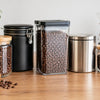
The ideal storage container is opaque, airtight, and made of ceramic or non reactive materials. Avoid clear glass or plastic containers that allow light penetration or temperature fluctuations. Your storage space should be cool and dry with a consistent temperature around 70 degrees Fahrenheit. A kitchen pantry or cupboard away from the stove or any heat source works perfectly.
Whole beans maintain their flavor profile significantly longer than pre ground coffee. Purchase beans in quantities you can consume within two to three weeks and keep them whole until just before brewing. Grinding exposes more surface area to oxidation, which accelerates flavor deterioration. Invest in a quality burr grinder and grind only the amount you need for immediate brewing.
Frequent air exposure is detrimental to coffee beans. Each time you open the container, volatile aromatic compounds escape. Consider purchasing smaller quantities more frequently rather than buying large bags that sit around for months. This approach ensures you always have the freshest possible beans.
Pro tip: Never store coffee beans in the refrigerator or freezer, as the humidity and temperature changes will compromise their delicate flavor profile.
4. Select the Best Grind Size for Your Brewing Method
Grind size is the secret weapon that transforms ordinary coffee into an extraordinary sensory experience. Understanding how particle size influences extraction can elevate your home brewing from amateur to professional level.
Coffee grind size fundamentals reveal a precise science behind brewing perfection. Each brewing method demands a specific grind texture that optimizes flavor extraction and prevents potential taste disasters like sourness or bitterness.
Different brewing methods require unique grind profiles. Espresso demands an ultrafine powder almost like powdered sugar to enable rapid 25 second extraction. Drip coffee makers work best with medium grinds resembling beach sand. French press enthusiasts should opt for coarse grounds comparable to rock salt to prevent over extraction and maintain smooth flavor profiles.
The relationship between grind size and brewing time is crucial. Finer grinds increase surface area allowing faster extraction while coarser grinds slow down water interaction. This means espresso machines need super fine grounds to extract quickly, whereas cold brew requires extra coarse grounds that steep for 12 to 24 hours.
Investing in a quality burr grinder provides consistent particle sizes critical for balanced extraction. Blade grinders create uneven fragments that lead to inconsistent brewing results. Professional coffee enthusiasts understand that uniform grind size is the foundation of exceptional coffee preparation.
Pro tip: Always adjust your grinder immediately before brewing to ensure maximum flavor retention and consistency.
5. Use the Right Water Temperature and Ratio
Coffee brewing is a delicate science where water temperature and coffee ratio can make or break your morning ritual. Getting these two elements right transforms an average cup into a sublime sensory experience.
Specialty coffee brewing standards reveal precise parameters for extracting the perfect cup. The Specialty Coffee Association recommends a golden ratio of 1:18 coffee to water weight creating a balanced flavor profile that neither overwhelms nor underwhelms your palate.
Water temperature plays a critical role in flavor extraction. The ideal brewing range sits between 195 and 205 degrees Fahrenheit. Too cold and you will under extract leaving sour acidic notes behind. Too hot and bitter compounds dominate making your coffee unpleasantly harsh. This narrow temperature window allows optimal extraction of sugars acids and aromatic compounds.
Measuring your coffee and water precisely requires some basic tools. A digital kitchen scale becomes your best friend for consistent brewing. Start with about 15 grams of coffee per 270 milliliters of water approximately one standard coffee scoop to a standard mug. Adjust slightly based on your personal taste preferences and specific brewing method.
Different brewing methods might require slight variations in this standard approach. Pour over methods benefit from slightly lower temperatures around 195 degrees while espresso machines work best at the upper end of the temperature range. Experimenting within these guidelines helps you discover your personal perfect cup.
Pro tip: Invest in a digital thermometer with a gooseneck kettle to maintain precise water temperature control during brewing.
6. Explore Brewing Devices for Enhanced Flavor
Every coffee brewing device tells a unique flavor story, transforming identical beans into distinctly different sensory experiences. Understanding how different brewing methods interact with coffee grounds can elevate your home brewing from mundane to magnificent.
Coffee brewing research reveals that extraction methods dramatically influence flavor profiles. The French press delivers rich full bodied coffee with pronounced oils while pour over techniques produce crisp clean flavors that highlight subtle nuanced characteristics.
Each brewing device offers distinct advantages. Espresso machines create intensely concentrated shots with robust crema perfect for those seeking powerful flavor. AeroPress provides quick brewing with smooth results ideal for travelers or minimalist coffee enthusiasts. Pour over methods like Chemex allow precise control over water flow enabling complex flavor development.
Consider your flavor preferences when selecting a brewing device. Drip coffee makers suit those wanting consistent convenient brewing. Manual brewing methods like French press and pour over reward patient coffee lovers with more complex flavor experiences. Espresso machines work best for those craving intense concentrated coffee moments.
Technique matters as much as the device itself. Water temperature grind size and brewing time interact differently across various devices. A French press requires coarse grounds and longer steeping while espresso demands fine grounds and rapid extraction. Mastering these variables transforms good coffee into exceptional coffee.
Pro tip: Experiment with multiple brewing devices to discover how the same beans can produce radically different flavor profiles.
7. Master the Art of Coffee Tasting and Appreciation
Coffee tasting is a sensory journey that transforms drinking from a daily ritual into an extraordinary experience of discovery and nuance. Like wine connoisseurs coffee enthusiasts develop a sophisticated palate through intentional practice and refined observation.
Coffee tasting techniques require developing a systematic approach to sensory evaluation. Professional coffee tasters use a structured method called cupping which involves carefully assessing aroma flavor body and overall balance without judgment or preconception.
To begin your coffee tasting adventure start by understanding flavor profiles. Different origins produce distinct characteristics: Ethiopian beans might offer floral and citrus notes while Colombian beans tend toward nutty chocolate undertones. Train your palate by smelling the grounds before brewing and taking deliberate sips that allow you to identify individual flavor components.
Develop a flavor vocabulary to articulate what you experience. Move beyond simple descriptors like good or bad. Learn to distinguish between brightness acidity sweetness and body. Notice how flavors evolve from the moment coffee touches your tongue through its final aftertaste. Professional tasters often use flavor wheels to help categorize and describe their sensory experiences.
Practice mindful tasting by creating a consistent evaluation process. Brew your coffee using standard parameters. Use clean neutral cups. Allow the coffee to cool slightly. Take small deliberate sips. Close your eyes. Focus on the layers of flavor complexity. Compare different beans side by side to understand subtle variations.
Pro tip: Keep a coffee tasting journal to track your sensory discoveries and document the unique characteristics of different beans and brewing methods.
Below is a comprehensive table summarizing the key points, strategies, and considerations discussed throughout the article concerning coffee selection, preparation, and appreciation.
| Topic | Details | Key Takeaway |
|---|---|---|
| Understanding Single-Origin Coffee | Single-origin coffee showcases unique terroirs and character; quality depends on genetic makeup, environmental factors, and processing standards. | Explore diverse flavors and traceable origins for a superior coffee experience. |
| Ethically Sourced and Fresh Beans | Ethically sourced coffee ensures fair compensation for producers. Fresh-roasted beans provide optimal flavor within a specific timeframe post-roasting. | Support sustainable practices and enjoy the highest flavor quality by prioritizing freshness. |
| Proper Coffee Bean Storage | Store beans in opaque, airtight containers away from light, heat, and moisture; avoid refrigeration. Use whole beans and grind just before brewing. | Extend the beans’ freshness and preserve nuanced flavor profiles. |
| Selecting the Right Grind Size | Match grind size to the brewing method: fine for espresso, medium for drip coffee, coarse for French press. | Achieve balanced extraction and optimal taste for each brewing technique. |
| Ideal Water Temperature and Ratios | Brew coffee with water between 195–205°F and a coffee-to-water ratio of 1:18. Adjust based on brewing method and personal taste. | Optimize extraction for a flavorful, balanced brew. |
| Exploring Brewing Devices | Devices like French presses, espresso machines, and pour-over systems offer distinct flavor profiles and preparation processes. | Experiment with various methods to discover your preferred brewing style. |
| Mastering Coffee Tasting and Appreciation | Develop sensory skills by assessing aroma, flavor, and body through systematic tasting techniques; maintain a journal for flavor discovery. | Enhance your ability to identify and appreciate the subtleties of different beans and brewing methods. |
Enjoy elevating your coffee journey with these in-depth approaches to selection and preparation!
Elevate Your Specialty Coffee Experience with House Coffee
Mastering the 7 essential steps for your specialty coffee checklist can be challenging but rewarding. From selecting ethically sourced single-origin beans to perfecting grind size and brewing techniques, achieving that extraordinary cup requires quality products and expert guidance. At House Coffee, we understand your passion and your pursuit of freshness, flavor, and sustainability.
Discover our carefully curated Diamond Collection featuring premium single-origin Arabica beans that meet the highest standards of ethical sourcing and freshness. Complement your bean selection with Brewing Essentials designed to help you control grind, water temperature, and extraction for consistent results.
Ready to transform your coffee ritual into an extraordinary sensory journey? Explore House Coffee today at https://housecoffee.ca and find everything you need to brew the perfect cup. Embrace your specialty coffee checklist with confidence and enjoy each sip knowing your choices support sustainable growers and exceptional quality.
Frequently Asked Questions
What is single-origin coffee and why does it matter?
Single-origin coffee is sourced from a specific geographic location, allowing coffee enthusiasts to experience the unique flavor profile tied to that region. To appreciate these nuances, explore coffees from different locations and take note of their distinct characteristics.
How can I recognize high-quality coffee beans?
High-quality coffee beans, particularly Arabica, typically have a uniform color, minimal defects, and consistent size. To identify these beans, inspect for a bright appearance and limited surface blemishes, and consider asking about the grading system used by the seller.
What should I consider when selecting ethically sourced coffee?
When choosing ethically sourced coffee, prioritize transparency in the supply chain, looking for certifications like Fair Trade and Rainforest Alliance. Ensure that the chosen coffee supports fair compensation and promotes sustainable agricultural practices.
What are the best storage practices for keeping coffee beans fresh?
To keep coffee beans fresh, store them in an opaque, airtight container in a cool, dry place, away from light and heat sources. Aim to consume the beans within two to three weeks of purchase, and avoid refrigeration or freezing, as these can compromise flavor.
How does grind size affect the taste of my coffee?
Grind size significantly influences flavor extraction; different brewing methods require specific grind textures for optimal results. Adjust the grind size based on your method: use fine grounds for espresso and coarser grounds for French press to enhance your coffee experience.
What is the recommended water temperature and ratio for brewing coffee?
The ideal water temperature for brewing coffee is between 195 and 205 degrees Fahrenheit, with a recommended coffee-to-water ratio of 1:18. Measure accurately, starting with about 15 grams of coffee for every 270 milliliters of water, and adjust based on your taste preferences.
Recommended
- Step by Step Specialty Coffee Selection Guide for Home – House Coffee
- Step by Step Specialty Coffee Selection Guide for Home – House Coffee
- How to Taste Coffee Flavors Like an Expert at Home – House Coffee
- How to Taste Coffee Flavors Like an Expert at Home – House Coffee
- Espresso Consistency Workflow for Perfect Extraction
-
Posted in
specialty coffee checklist