Coffee Cupping: 85% Flavor Accuracy for Home Baristas
Think coffee cupping is only for professional tasters? Think again. Home baristas can master this skill and transform their coffee experience completely. Cupping reveals the full spectrum of coffee flavors, from bright fruitiness to deep earthiness, giving you the power to select beans that match your preferences. This guide breaks down cupping procedures, flavor recognition techniques, and practical applications you can use immediately. Whether you want to understand what makes specialty coffee special or simply brew better at home, learning to cup coffee changes everything.
Table of Contents
- Introduction To Coffee Cupping: Definition And Purpose
- Coffee Cupping Procedure: Preparation And Brewing
- Flavor Profiles In Coffee Cupping: Identifying And Describing
- Comparison And Framework: Organizing Coffee Flavors
- Common Misconceptions About Coffee Cupping
- Practical Home Cupping Setup And Techniques
- Applying Cupping Results: Quality And Selection
- Summary: The Value Of Coffee Cupping
- Explore Specialty Coffee Collections At House Coffee
Key Takeaways
| Point | Details |
|---|---|
| Standardized Evaluation | Coffee cupping assesses aroma, flavor, acidity, body, and aftertaste through a consistent sensory method. |
| High Accuracy | Trained tasters identify flavors with 85% accuracy, proving cupping reliability for quality assessment. |
| Origin Matters | Flavor profiles vary significantly by origin, altitude above 1200 meters, and roast level. |
| Common Pitfalls | Misconceptions about professional exclusivity and rushed evaluations limit effective cupping practice. |
| Practical Application | Cupping results guide coffee selection and brewing methods aligned with personal taste preferences. |
Introduction to Coffee Cupping: Definition and Purpose
Cupping is the standardized sensory method focusing on aroma, flavor, acidity, body, and aftertaste. This systematic approach eliminates guesswork and personal bias from evaluating coffee quality. You assess each sensory parameter independently, then combine those observations into a complete picture of the coffee’s character.
The specialty coffee industry relies on cupping as its universal language. When a roaster in Seattle describes a Kenyan coffee as having bright acidity and blackcurrant notes, a barista in Vancouver knows exactly what to expect because they both use the same evaluation framework. This shared vocabulary makes communication precise and purchasing decisions informed.
For coffee enthusiasts, understanding coffee cupping basics offers several practical benefits:
- Recognize quality differences between commercial and specialty grade beans
- Identify specific flavor notes rather than vague impressions
- Match coffee origins and roast levels to your taste preferences
- Communicate clearly with roasters and baristas about what you enjoy
- Evaluate whether a coffee delivers the promised flavor profile
Cupping transforms coffee from a simple morning beverage into a complex sensory experience. You stop drinking coffee blindly and start appreciating the nuances that make each origin, processing method, and roast level unique. This knowledge empowers you to make confident purchasing decisions based on actual flavor characteristics rather than marketing descriptions alone.
Coffee Cupping Procedure: Preparation and Brewing
Following the SCA brewing protocol ensures consistent extraction for accurate cupping results. Consistency matters because even small variations in grind size, water temperature, or steep time alter extraction rates and flavor expression. The standardized approach lets you compare coffees fairly, knowing that differences reflect the beans themselves rather than preparation variables.
You need specific tools for effective cupping sessions. A burr grinder produces uniform particle size, which creates even extraction. A digital scale measures coffee and water precisely. Cupping spoons, similar to soup spoons, allow proper slurping technique. A temperature controlled kettle heats water to exactly 93°C. Clean, filtered water prevents mineral interference with flavor perception.
The coffee cupping preparation guide outlines the standard procedure:
- Grind coffee to medium coarse consistency, similar to sea salt texture
- Measure 8.25 grams of ground coffee per 150 milliliters of water
- Heat water to 93°C and verify temperature with a thermometer
- Pour water directly onto grounds, saturating them completely
- Start timer for exactly 4 minutes of steeping
- Break the crust that forms on top by pushing grounds aside with a spoon
- Smell the released aromatics immediately after breaking the crust
- Remove floating grounds from the surface before tasting
- Slurp coffee from the spoon to aerate it across your palate
- Evaluate aroma, flavor, acidity, body, and aftertaste systematically
Your cupping environment needs careful attention. Eliminate strong odors like perfume, cleaning products, or food smells that interfere with aroma perception. Use neutral lighting that doesn’t distort coffee color evaluation. Minimize distractions and noise that break concentration during sensory analysis.
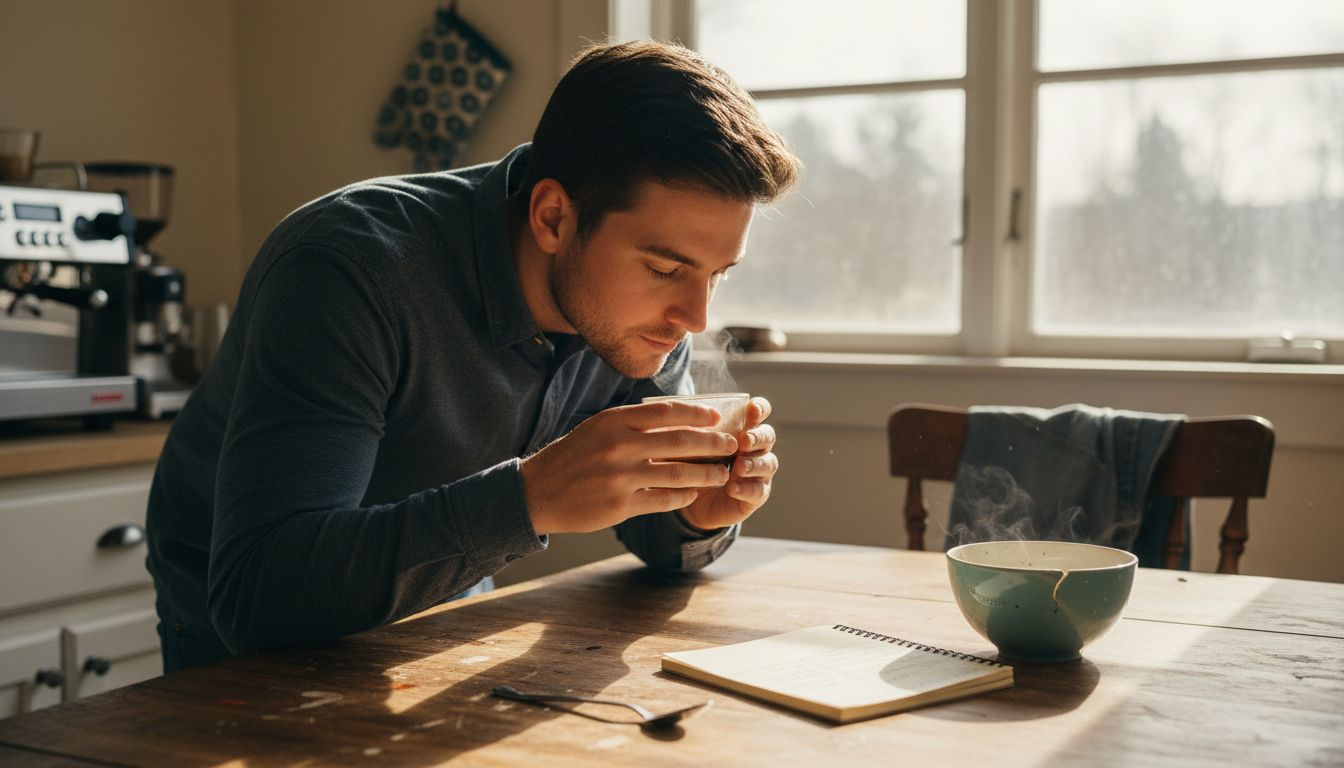
The breaking crust step releases volatile aromatic compounds trapped under the layer of grounds. Lean in close and inhale deeply as you push grounds aside. This initial aroma assessment captures fleeting fragrance notes that dissipate quickly. Many cuppers consider this moment the most revealing part of the entire session.
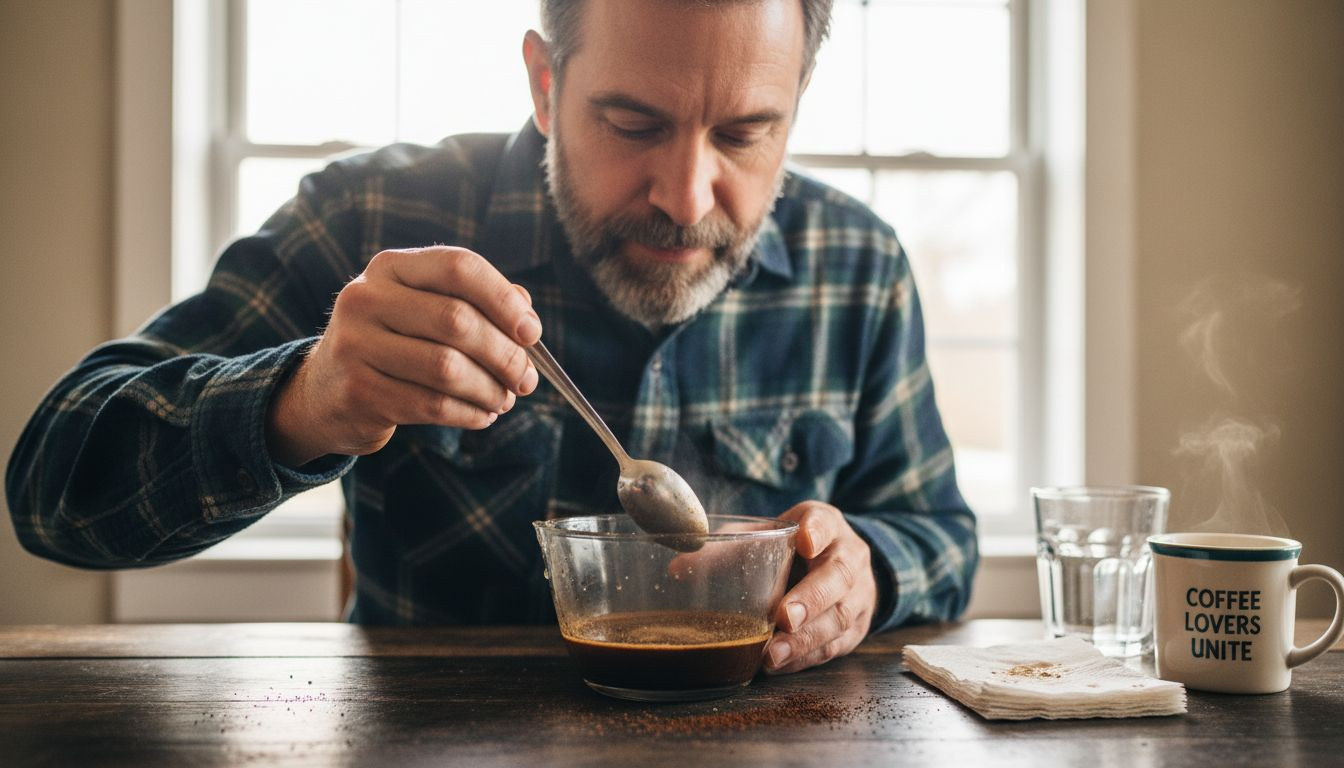
Proper slurping technique matters more than it seems. Draw coffee into your mouth forcefully enough to create a spray that coats your entire palate. This aeration releases flavor compounds and distributes them across taste receptors. Gentle sipping misses nuances that aggressive slurping reveals. Yes, it sounds unrefined, but accuracy requires technique over etiquette.
Pro Tip: Rinse your tasting spoon in clean water between coffee samples to prevent flavor crossover. Residual oils and particles from one coffee contaminate impressions of the next, creating false flavor combinations that don’t actually exist in either bean.
These specialty coffee tasting tips help refine your technique as you gain experience. Regular practice builds muscle memory for the physical procedures and trains your palate to recognize subtle differences more readily.
Flavor Profiles in Coffee Cupping: Identifying and Describing
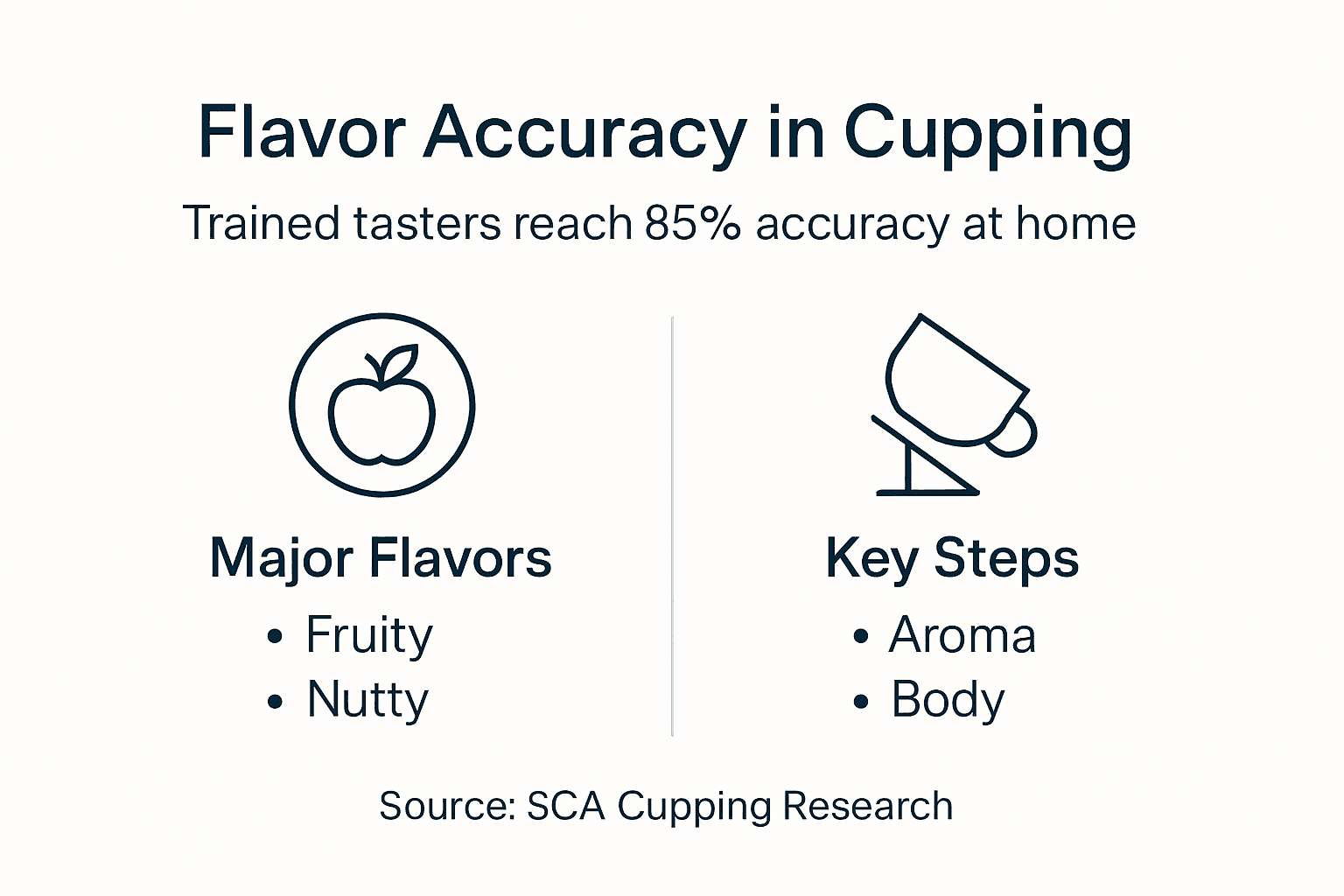
Coffee flavors organize into six major categories that cuppers use as reference points. Fruity notes range from berry to citrus to stone fruit. Floral characteristics include jasmine, rose, and lavender impressions. Nutty flavors encompass almond, hazelnut, and walnut. Spicy notes feature cinnamon, clove, and pepper. Sweet flavors cover caramel, chocolate, and honey. Earthy tones include tobacco, leather, and forest floor.
Trained coffee tasters achieve up to 85% accuracy in differentiating coffee flavor profiles during cupping sessions. This remarkable consistency demonstrates that flavor identification isn’t subjective guesswork. Proper training and standardized methods produce reliable, repeatable results across different tasters and sessions.
Altitude dramatically influences flavor development in coffee cherries. High-altitude coffees tend to have brighter acidity and more complex floral notes than low altitude beans. Growing above 1200 meters slows cherry maturation, allowing more complex sugars and organic acids to develop. The result is cleaner acidity, pronounced sweetness, and delicate aromatic qualities that low altitude coffees rarely achieve.
Roast level affects how much of the origin character survives the roasting process. Lighter roasts preserve over 80% of the origin’s flavor characteristics like acidity and fruitiness. Medium roasts balance origin notes with caramelization sweetness. Dark roasts emphasize body, bitterness, and roast flavors while diminishing origin specific characteristics.
The following table compares typical flavor attributes by origin and roast level:
| Origin | Altitude | Light Roast Flavors | Medium Roast Flavors | Dark Roast Flavors |
|---|---|---|---|---|
| Ethiopia | 1800-2200m | Jasmine, blueberry, bergamot | Citrus, honey, tea | Chocolate, spice, low acidity |
| Colombia | 1200-1800m | Apple, caramel, almond | Chocolate, nut, balanced | Dark chocolate, smoky, heavy body |
| Brazil | 800-1200m | Peanut, cocoa, mild | Caramel, hazelnut, smooth | Tobacco, earth, full body |
| Kenya | 1500-2100m | Blackcurrant, tomato, bright | Berry, wine, complex | Dried fruit, muted brightness |
Understanding these coffee flavor profiles helps you predict what to expect from different origins and processing methods. Ethiopian naturals typically deliver intense fruitiness. Washed Central Americans showcase clean acidity and sweetness. Indonesian wet hulled coffees present earthy, herbal characteristics.
Your palate can distinguish these differences with practice. Start by identifying broad categories like fruity versus nutty. Then narrow down to specific fruits like raspberry versus orange. Eventually you’ll detect subtle variations like Meyer lemon versus grapefruit or milk chocolate versus dark chocolate.
Pro Tip: Use the SCA Coffee Flavor Wheel as a reference during cupping sessions. Start at the center with broad categories and work outward to specific descriptors as you identify flavors more precisely.
Tasting alongside reference samples accelerates learning. Cup a known Ethiopian natural next to a Colombian washed coffee. The contrast highlights characteristic differences more clearly than tasting either one alone. This comparative approach builds your flavor vocabulary faster than isolated tastings.
Comparison and Framework: Organizing Coffee Flavors
The SCA Coffee Flavor Wheel provides a standardized vocabulary for describing coffee tastes and aromas. The wheel organizes flavors hierarchically, starting with broad categories at the center and branching into specific descriptors at the outer edge. This structure guides you from general impressions to precise identifications systematically.
Using organized flavor wheels and cupping sheets improves the consistency and clarity of sensory evaluation across different tasters and sessions. When everyone uses the same reference framework, communication becomes precise rather than vague. Saying a coffee has blackcurrant notes means the same thing to every trained cupper.
Cupping score sheets quantify sensory impressions into numerical values. The SCA form scores ten attributes on scales from 6 to 10, with half point increments. Fragrance and aroma capture dry and wet smells. Flavor rates the overall taste impression. Aftertaste measures lingering flavors. Acidity evaluates brightness and liveliness. Body assesses weight and texture. Balance scores how well components work together. Uniformity checks consistency across multiple cups. Clean cup identifies defects or off flavors. Sweetness measures pleasant sugary impressions. Overall rates the cupper’s holistic quality judgment.
This table contrasts flavor wheel categories with score sheet parameters:
| Flavor Wheel Category | Score Sheet Parameter | Evaluation Focus |
|---|---|---|
| Fruity, Floral, Sweet | Flavor | Specific taste identification |
| Enzymatic compounds | Fragrance/Aroma | Smell before and after water addition |
| Brightness quality | Acidity | Intensity and quality of acids |
| Texture perception | Body | Mouthfeel weight and viscosity |
| Lingering notes | Aftertaste | Flavor duration and quality |
| All categories | Balance | How components integrate |
Systematic data collection through these coffee cupping frameworks creates a permanent record of your sensory impressions. You can compare notes from different cupping sessions weeks or months apart. This historical data reveals patterns in your preferences and tracks how your palate develops over time.
Organized notes also help identify quality levels objectively. Specialty grade coffee scores 80 points or higher on the SCA scale. Premium commercial grades score 70 to 79 points. Exchange grade coffee scores below 70 points. These thresholds give you concrete benchmarks for evaluating whether a coffee meets specialty standards.
Writing detailed notes forces you to articulate exactly what you perceive rather than relying on vague impressions. The discipline of translating sensory experiences into written descriptors sharpens your attention and improves accuracy. Over time, you develop a personal flavor vocabulary that captures nuances other tasters might overlook.
Common Misconceptions About Coffee Cupping
Many coffee lovers believe cupping requires professional training and expensive equipment. This misconception prevents enthusiasts from developing their palates and understanding coffee quality. In reality, basic cupping needs only a grinder, scale, spoons, and kettle. The SCA protocol is freely available online, and anyone can learn proper technique through practice.
Your environment affects cupping accuracy more than most people realize. Strong perfumes, scented candles, or recent meals alter aroma perception significantly. Cupping in a kitchen where someone just cooked garlic guarantees distorted results. You need a neutral, odor free space to evaluate coffee fairly.
Many beginners skip rinsing their cupping spoon between samples. This creates flavor crossover that confuses sensory data. Oils and particles from the first coffee contaminate impressions of the second coffee, generating false flavor combinations. Always rinse thoroughly with clean water before moving to the next sample.
Rushing through evaluations produces inaccurate results. Some cuppers smell the aroma briefly, take one quick slurp, and move on. Proper evaluation requires multiple slurps as the coffee cools because different compounds express themselves at different temperatures. Hot coffee emphasizes acidity and aromatics. Warm coffee reveals sweetness and body. Cool coffee shows aftertaste and balance.
Common misconceptions that limit effective cupping:
- Believing only certified Q graders can cup accurately
- Thinking expensive equipment is mandatory for valid results
- Assuming flavor identification is purely subjective
- Expecting immediate expertise without regular practice
- Neglecting environmental factors that bias perception
- Using inconsistent procedures that prevent fair comparisons
- Focusing on score numbers rather than sensory understanding
Some coffee drinkers confuse casual tasting with formal cupping. Brewing coffee in your usual method and drinking it doesn’t count as cupping. The standardized protocol exists specifically to eliminate variables like brew method, coffee to water ratio, and serving temperature. These controls ensure that differences you detect reflect the coffee itself rather than preparation choices.
Another persistent myth suggests that only people with exceptional palates can cup effectively. Research shows that trained tasters achieve high accuracy regardless of natural talent. Training and practice matter far more than innate ability. Regular cupping sessions build sensory memory and pattern recognition that anyone can develop.
Pro Tip: Create a dedicated cupping space in your home that stays free from cooking smells, fragrances, and visual distractions. Consistent environment improves your ability to detect subtle differences between coffees.
Practical Home Cupping Setup and Techniques
Basic tools like a grinder, kitchen scale, spoons, and controlled water temperature suffice for effective home cupping. You don’t need a commercial roasting lab or professional certification. A burr grinder delivers the consistency required for even extraction. A simple digital kitchen scale measures coffee and water accurately. Regular soup spoons work fine if you don’t have dedicated cupping spoons. An electric kettle with temperature control hits the 93°C target reliably.
Your home cupping setup guide should include a simplified protocol that maintains SCA standards while fitting into a home environment:
- Select two or three coffees to compare side by side
- Grind each coffee immediately before cupping to preserve aromatics
- Use identical portions and water amounts for fair comparison
- Cup all samples simultaneously so they cool at the same rate
- Evaluate each parameter separately rather than forming quick overall impressions
- Take written notes using consistent vocabulary and scoring
- Cup the same coffees multiple times to verify your impressions
- Track your observations in a journal to monitor palate development
Timing matters significantly in home cupping. Morning sessions work best because your palate is fresh and free from food flavors. Avoid cupping immediately after eating, drinking alcohol, or smoking. These activities dull taste receptors and alter perception. Wait at least two hours after meals for accurate evaluation.
Temperature control presents the biggest challenge in home setups. Invest in a reliable thermometer to verify your kettle’s actual output. Many kettles labeled as temperature controlled deliver water several degrees hotter or cooler than the set point. Test your equipment and adjust settings to hit 93°C consistently.
Consistency improves faster when you cup regularly on a fixed schedule. Weekly sessions create routine that accelerates learning. Your palate adapts and becomes more sensitive with repetition. Monthly cupping won’t develop your skills nearly as effectively as weekly practice.
Start with distinctly different coffees that showcase clear contrasts. Ethiopian natural versus Brazilian natural process demonstrates how origin affects flavor more dramatically than processing method. Washed Kenya versus washed Colombia highlights regional characteristics clearly. Avoid comparing similar coffees initially because subtle differences challenge beginners.
Applying Cupping Results: Quality and Selection
SCA scoring thresholds give you objective quality benchmarks. Specialty grade coffee scores 80 points or higher with no primary defects. This threshold separates exceptional coffee from merely good coffee. Premium commercial grades score 70 to 79 points. Below 70 points indicates exchange grade coffee with noticeable quality limitations.
These scores help you evaluate whether a coffee delivers the quality level its price suggests. A $25 per pound coffee scoring 83 points represents fair value. The same coffee scoring 76 points is overpriced. Understanding these relationships protects you from paying specialty prices for commercial grade beans.
Flavor profiles identified during cupping guide brewing method selection. High acidity coffees shine in pour over methods that highlight brightness and clarity. Full bodied coffees with low acidity excel in espresso where pressure extraction emphasizes texture and sweetness. Balanced coffees work well across multiple brew methods.
Practical tips for applying cupping insights:
- Match high acidity origins like Kenya to pour over or Chemex brewing
- Use low acidity, full body coffees like Sumatra for French press
- Select bright, fruity coffees for cold brew to amplify sweetness
- Choose balanced Central Americans for everyday drip coffee
- Buy small quantities of new origins until cupping confirms your preference
- Request roast level adjustments based on your flavor priorities
- Compare cupping notes with roaster descriptions to verify accuracy
Your specialty coffee selection guide should reflect preferences discovered through cupping. If you consistently score floral and tea like characteristics highly, prioritize Ethiopian and Kenyan origins. If you prefer chocolate and nut flavors, focus on Brazilian and Colombian offerings. Cupping data transforms vague preferences into specific purchasing criteria.
Tracking which coffees score highest in your personal evaluations reveals patterns over time. You might discover that all your favorite coffees grow above 1600 meters. Or that you consistently prefer washed processing over natural. These insights eliminate guesswork from future purchases.
Roast level selection becomes more precise when you understand how roasting affects the flavor attributes you value most. If brightness and acidity rank high in your preferences, request light to medium roasts that preserve those characteristics. If you prioritize body and sweetness, medium to medium dark roasts develop those qualities more fully.
Summary: The Value of Coffee Cupping
Coffee cupping sharpens your sensory skills and transforms how you experience every cup. The systematic evaluation process trains your palate to detect nuances that casual drinking overlooks. You stop accepting vague marketing descriptions and start verifying actual flavor profiles through direct sensory evidence.
This knowledge supports purchasing decisions based on quality and preference rather than packaging or price alone. You identify which origins, processing methods, and roast levels deliver the characteristics you enjoy most. That specificity eliminates wasteful experimentation and focuses your coffee budget on beans that consistently satisfy.
Cupping remains accessible and rewarding for coffee lovers at every skill level. Professionals use it for quality control and green coffee buying. Home baristas use it to understand their favorite beans more deeply. The same fundamental techniques serve both audiences effectively.
Mastering coffee cupping unlocks a deeper appreciation for specialty coffee while empowering you to make informed decisions about the beans you brew daily. The investment in learning proper technique pays dividends every time you select, purchase, or prepare coffee with confidence based on sensory knowledge rather than guesswork.
Explore Specialty Coffee Collections at House Coffee
Ready to apply your cupping knowledge? House Coffee offers carefully curated specialty coffee collections that showcase diverse origins, processing methods, and flavor profiles. Each selection meets rigorous quality standards and delivers the complexity that makes cupping rewarding.
Our specialty coffee offerings include detailed tasting notes and origin information that align with proper cupping evaluation. You’ll find Ethiopian naturals bursting with berry notes, Colombian washed coffees with bright acidity, and Brazilian pulped naturals offering chocolate sweetness. Wholesale pricing options make exploring multiple origins affordable for serious enthusiasts building their cupping skills.
The specialty coffee selection guide helps you choose beans that match the flavor profiles you discovered through cupping practice. Filter by origin, processing method, or roast level to find coffees that deliver your preferred characteristics consistently.
Pro Tip: Order sample sizes of three different origins and conduct a comparative cupping session. Your evaluation will reveal which coffee deserves a full bag purchase based on actual flavor performance rather than descriptions alone.
FAQ
What equipment do I need to start coffee cupping at home?
You need a burr grinder for consistent particle size, a digital scale for accurate measurements, cupping spoons for proper tasting technique, and a temperature controlled kettle. Clean, filtered water completes the basic setup. These tools enable standardized evaluation without professional lab equipment. Quality matters more for the grinder than other items since inconsistent grinding distorts extraction and flavor.
Follow this home coffee bar setup guide for detailed equipment recommendations.
How long should I steep coffee during a cupping session?
Steep coffee for exactly 4 minutes at 93°C water temperature following SCA protocol. This duration balances extraction to reveal the full flavor profile without over extracting bitter compounds. Shorter steep times under extract and miss complexity. Longer steep times over extract and emphasize harsh flavors. Set a timer and maintain consistency across all samples for fair comparison.
Can I improve my tasting accuracy with practice?
Yes, regular cupping practice combined with systematic evaluation methods dramatically improves flavor identification. Trained tasters achieve up to 85% accuracy in flavor differentiation, demonstrating measurable improvement from consistent practice. Your palate develops sensory memory for specific flavor compounds. Weekly sessions accelerate learning more effectively than monthly practice. Track your progress through detailed notes that document how your perception sharpens over time.
Review this taste accuracy research for evidence supporting deliberate practice.
Why is rinsing the spoon between samples important?
Rinsing prevents flavor crossover that distorts your sensory evaluation of subsequent coffees. Oils and fine particles cling to the spoon surface and contaminate the next sample. This creates false flavor impressions that don’t actually exist in either coffee. Clean water removes residue completely between tastings. Skipping this step compromises data accuracy and leads to incorrect conclusions about coffee characteristics.
How do I know if a coffee is specialty grade?
Specialty grade coffee scores 80 points or higher on the SCA cupping form with zero primary defects present. The scoring evaluates ten attributes including flavor, aroma, acidity, body, and balance. Total points determine grade classification objectively. Coffees scoring 70 to 79 points qualify as premium commercial grade. Below 70 indicates exchange grade with noticeable quality limitations. Cup multiple samples to verify consistency before making grade determinations.
Recommended
-
Posted in
en, understanding coffee cupping