What Is Cupping in Coffee and Why It Matters

Many home baristas reach a point where brewing great coffee is no longer enough. The pursuit soon turns toward mastering the art of systematic sensory evaluation, a cornerstone of premium specialty coffee. Cupping reveals flavors, origins, and quality markers that set apart extraordinary beans, supporting transparent value chains while connecting enthusiasts to producers across regions. This guide demystifies cupping methods, so you can taste and appraise coffee like an expert, uncovering every nuance in your next cup.
Table of Contents
- Defining Cupping In Specialty Coffee
- Step-By-Step Breakdown Of The Cupping Process
- Types Of Cupping And Their Purposes
- Essential Equipment For Coffee Cupping
- Common Mistakes And How To Avoid Them
Key Takeaways
| Point | Details |
|---|---|
| Cupping is a Standard Method | Cupping is a systematic approach to evaluate coffee quality through sensory analysis, allowing experts to assess intrinsic characteristics. |
| Rigorous Protocols Ensure Consistency | Following standardized protocols ensures objectivity and accurate comparisons during the cupping process. |
| Training and Calibration are Essential | Professionals must develop their palate and maintain consistent methods for reliable sensory evaluations. |
| Avoid Common Pitfalls | Practicing strict uniformity in brewing parameters and reducing subjective bias is crucial for optimal results. |
Defining Cupping in Specialty Coffee
Cupping is the professional coffee industry’s systematic method for evaluating and assessing coffee quality through sensory analysis. At its core, cupping represents a standardized tasting protocol that allows coffee experts to comprehensively explore a coffee’s intrinsic characteristics, flavor profile, and overall sensory experience. Specialty coffee professionals use this method to determine a coffee’s potential value and distinguish exceptional beans from ordinary ones.
The cupping process involves a meticulous approach where trained professionals evaluate multiple dimensions of coffee simultaneously. Experts systematically assess aspects like aroma, flavor intensity, body, acidity, balance, and potential defects through a structured tasting procedure. Each coffee sample undergoes careful brewing using precise water temperatures and steep times, allowing evaluators to extract and analyze the most nuanced flavor characteristics. The Specialty Coffee Association’s standardized protocol ensures consistency and objectivity in these evaluations.
Beyond technical assessment, cupping represents a critical bridge between coffee producers, traders, and consumers. It transforms coffee from a mere agricultural commodity into a complex sensory experience with traceable origins and unique flavor narratives. By identifying specific flavor notes, regional characteristics, and quality markers, cupping helps establish transparent value chains that reward exceptional coffee cultivation and processing techniques.
Pro tip: When learning to cup coffee, start by calibrating your palate with multiple sample roasts and focus on developing a consistent, methodical approach to sensory evaluation.
Step-By-Step Breakdown of the Cupping Process
Coffee cupping is a precision-driven process that requires meticulous attention to detail and a systematic approach. Professional coffee tasters follow a structured protocol to ensure consistent and reliable sensory evaluation. The process begins with selecting high-quality, freshly roasted coffee samples that will be compared side by side, typically roasted to a light or medium level to preserve the beans’ distinctive characteristics.
The cupping procedure involves several critical stages. First, roasted coffee is ground to a consistent, coarse size and precisely weighed into individual cups. Professionals then conduct a dry fragrance test by smelling the freshly ground coffee, noting initial aromatic impressions. Hot water is carefully added to the grounds, with water temperature typically maintained between 195-205 degrees Fahrenheit. After pouring, a crust forms on top of each sample, which is left to steep for approximately four minutes.
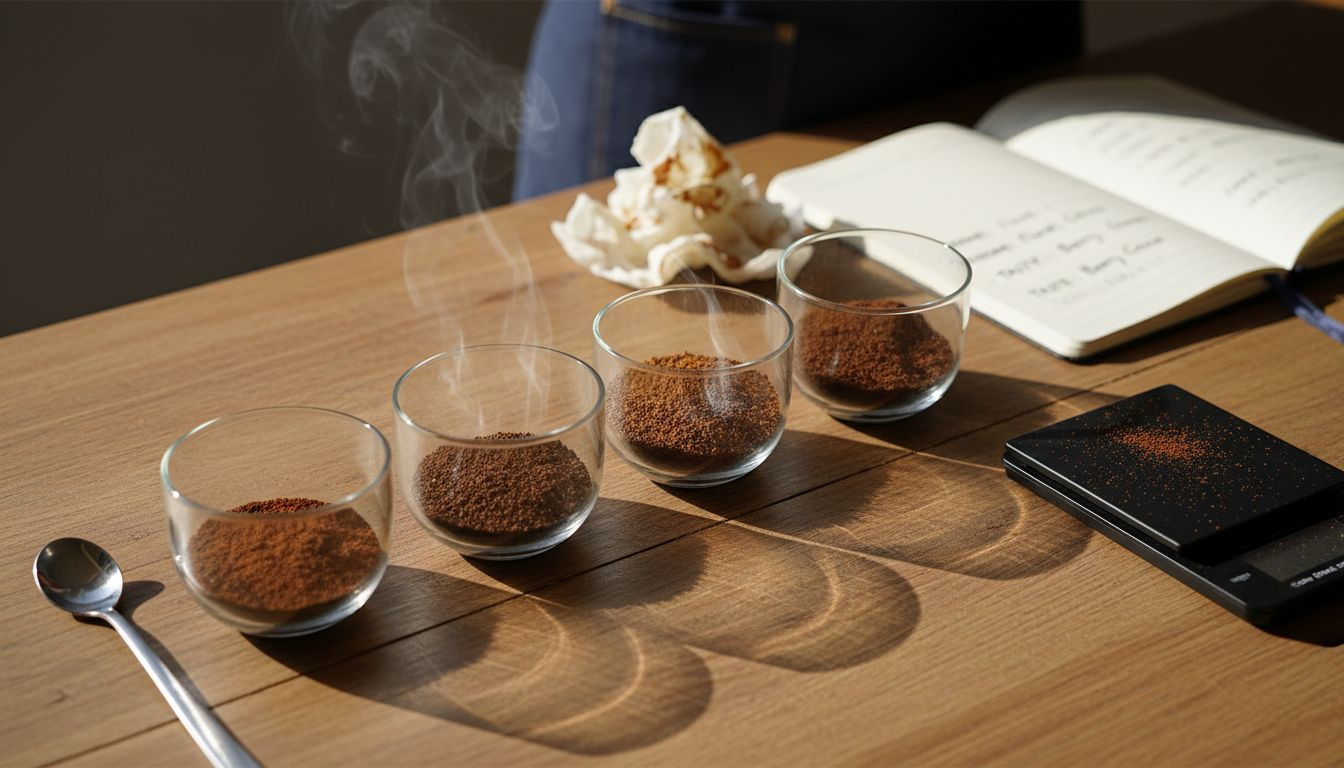
Once the steeping time has elapsed, the most critical phase begins. Tasters use a cupping spoon to break the coffee crust, releasing intense aromas and allowing for a deep olfactory assessment. This process, known as breaking the crust, involves gently pushing the floating grounds to the side while deeply inhaling the released aromatics. Immediately following this, tasters begin the tasting phase. Using a specialized cupping spoon, they slurp the coffee forcefully to aerate it across the palate, which helps distribute the coffee’s flavors and allows for comprehensive sensory analysis.
Pro tip: Always use a clean, neutral palate and rinse your spoon between tastings to prevent flavor contamination and ensure the most accurate sensory evaluation.
Types of Cupping and Their Purposes
Coffee cupping methodologies encompass several distinct approaches that serve different stakeholders in the coffee industry. These specialized evaluation techniques range from rigorous quality assessment to nuanced sensory exploration, each designed to extract specific insights about coffee’s complex characteristics. Understanding these various types helps coffee professionals make informed decisions about sourcing, roasting, and marketing specialty coffee.
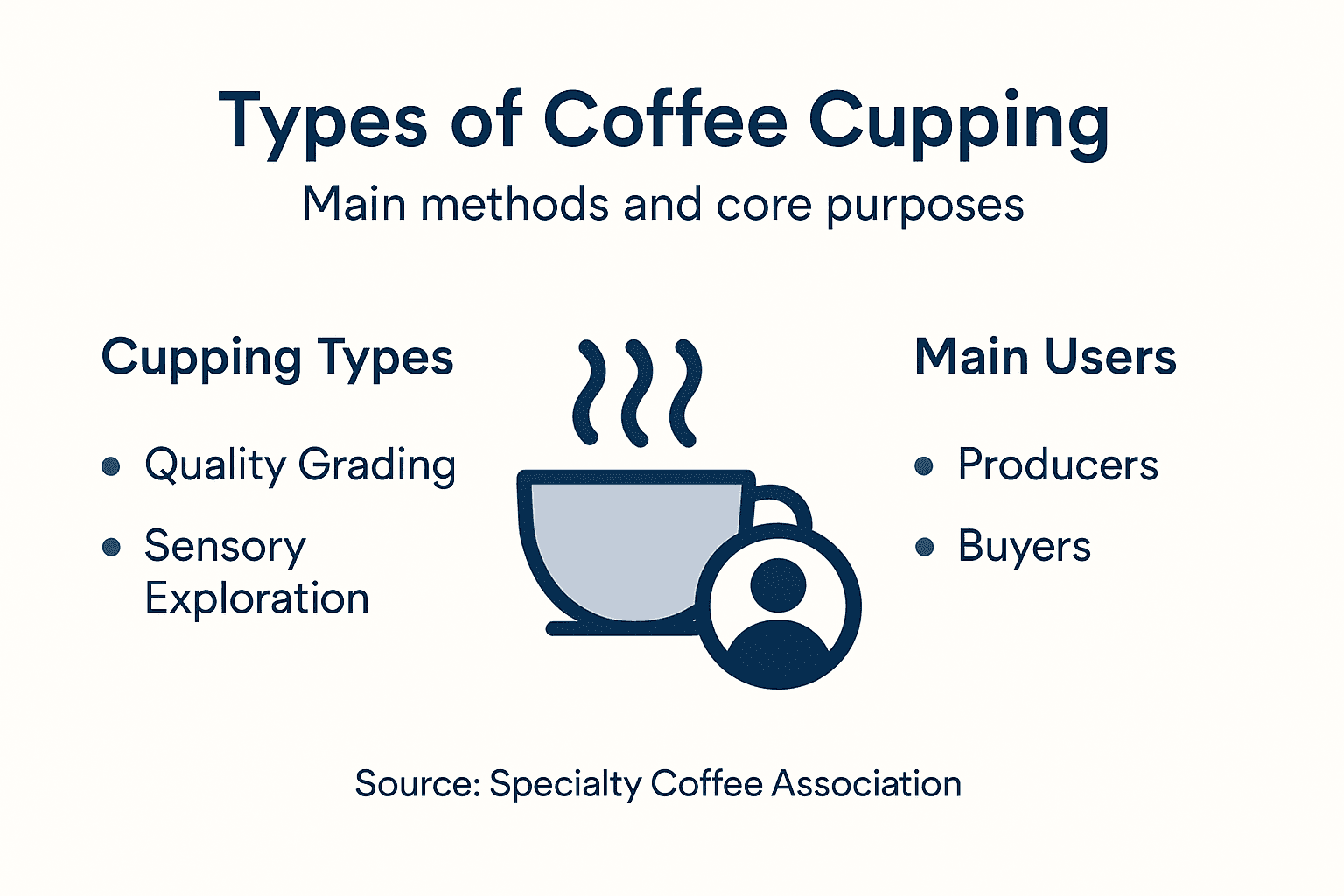
The primary types of cupping include quality grading, which provides a standardized framework for classifying coffees into specialty or commercial categories. Quality grading involves meticulously scoring coffee samples across multiple sensory dimensions, including aroma, flavor, aftertaste, acidity, body, balance, and overall impression. Professional cuppers use established scoring systems like the Specialty Coffee Association’s 100-point scale, where coffees scoring 80 points or above are considered specialty grade, representing the pinnacle of coffee quality and craftsmanship.
Another critical cupping type is sensory exploration, which goes beyond numeric scoring to deeply understand a coffee’s unique flavor profile and potential. This approach allows roasters and buyers to identify subtle flavor notes, regional characteristics, and potential processing-related nuances. Value assessment represents a more holistic cupping method that combines analytical evaluation with market-driven considerations, helping stakeholders understand a coffee’s worth beyond traditional quality metrics. This approach integrates sensory analysis with contextual factors like origin, sustainability practices, and potential market demand.
Here’s an overview of the main cupping methodologies and who benefits from each:
| Cupping Type | Primary Purpose | Main Users |
|---|---|---|
| Quality Grading | Standardize coffee scoring | Producers & graders |
| Sensory Exploration | Identify unique flavors | Roasters & buyers |
| Value Assessment | Evaluate market potential | Traders & marketers |
Pro tip: Develop a consistent cupping notebook to track your sensory observations, creating a personal reference library that helps you refine your palate and memory for coffee characteristics.
Essential Equipment for Coffee Cupping
Professional coffee cupping requires specialized equipment that ensures precision, consistency, and reliable sensory evaluation. Unlike casual home brewing, cupping demands a specific set of tools designed to standardize the tasting experience and extract the most nuanced characteristics from each coffee sample. The right equipment transforms cupping from a simple tasting into a systematic, scientific exploration of coffee’s complex sensory landscape.
At the core of cupping equipment are standardized cupping bowls and specialized cupping spoons. These tools are meticulously designed with uniform dimensions to ensure consistent volume and heat retention. Professional cuppers typically use white ceramic or porcelain bowls with a standard 5.5-ounce capacity, allowing for precise liquid measurements and optimal temperature control. Cupping spoons are uniquely shaped with a deep, wide bowl that enables efficient slurping and aerating of coffee samples, a technique crucial for fully experiencing flavor profiles.
Precision measurement tools form another critical component of cupping equipment. Professional coffee labs rely on high-accuracy digital scales capable of measuring coffee and water quantities to within 0.1 grams. Additional essential tools include temperature-controlled kettles with precise pour spouts, digital thermometers for monitoring water temperature between 195-205 degrees Fahrenheit, and professional coffee grinders that produce consistent, coarse particle sizes. Complementary equipment like cupping trays, sample roasting tools, and spittoons complete the professional cupping setup, enabling comprehensive sensory analysis.
The table below highlights key equipment features and their role in professional cupping:
| Equipment | Essential Feature | Impact on Cupping Accuracy |
|---|---|---|
| Cupping Bowl | Uniform size/heat retention | Consistent extraction |
| Digital Scale | Measures within 0.1 grams | Precise coffee & water ratio |
| Cupping Spoon | Wide, deep shape | Aerates coffee for sensory test |
| Grinder | Coarse, consistent output | Reliable flavor comparison |
Pro tip: Invest in quality, standardized cupping equipment and practice consistent techniques to develop a reliable and reproducible sensory evaluation process.
Common Mistakes and How to Avoid Them
Coffee cupping requires precision and methodical approach to ensure reliable sensory evaluation. Many aspiring coffee professionals and enthusiasts unknowingly compromise their cupping results through subtle yet significant errors that can dramatically alter flavor perception and overall assessment. Understanding these common pitfalls is crucial for developing a reliable and consistent cupping practice.
One of the most frequent mistakes involves inconsistent brewing parameters. This includes variations in grind size, water temperature, and coffee-to-water ratio. Professional cuppers must maintain strict uniformity across samples, using calibrated equipment and following standardized protocols. Water temperature, for instance, should be precisely controlled between 195-205 degrees Fahrenheit, with only a 1-2 degree variance permitted. Grind consistency is equally critical, with professionals requiring a uniform, coarse grind that ensures even extraction and allows for accurate flavor comparison.
Subjective bias represents another significant challenge in coffee cupping. Many novice cuppers unknowingly allow personal preferences, preconceptions, or external influences to skew their sensory evaluation. To mitigate this, professional cupping protocols recommend systematic approaches like blind tasting, where coffee samples are anonymized to prevent psychological influence. Regular calibration with experienced cuppers, maintaining detailed tasting notes, and developing a standardized sensory vocabulary can help minimize individual bias and create more objective, reproducible evaluations.
Pro tip: Practice palate neutralization by rinsing with room temperature water and consuming plain crackers between coffee samples to reset your sensory perception.
Elevate Your Coffee Experience with Expert Cupping Insights
Understanding the intricate art of coffee cupping unlocks a deeper appreciation for flavor profiles and quality assessment. If you are passionate about exploring unique coffee characteristics and refining your palate, House Coffee offers a curated selection designed to meet those very goals. From ethically sourced single-origin beans to limited edition roasts, you can bring the professional cupping experience right into your home.
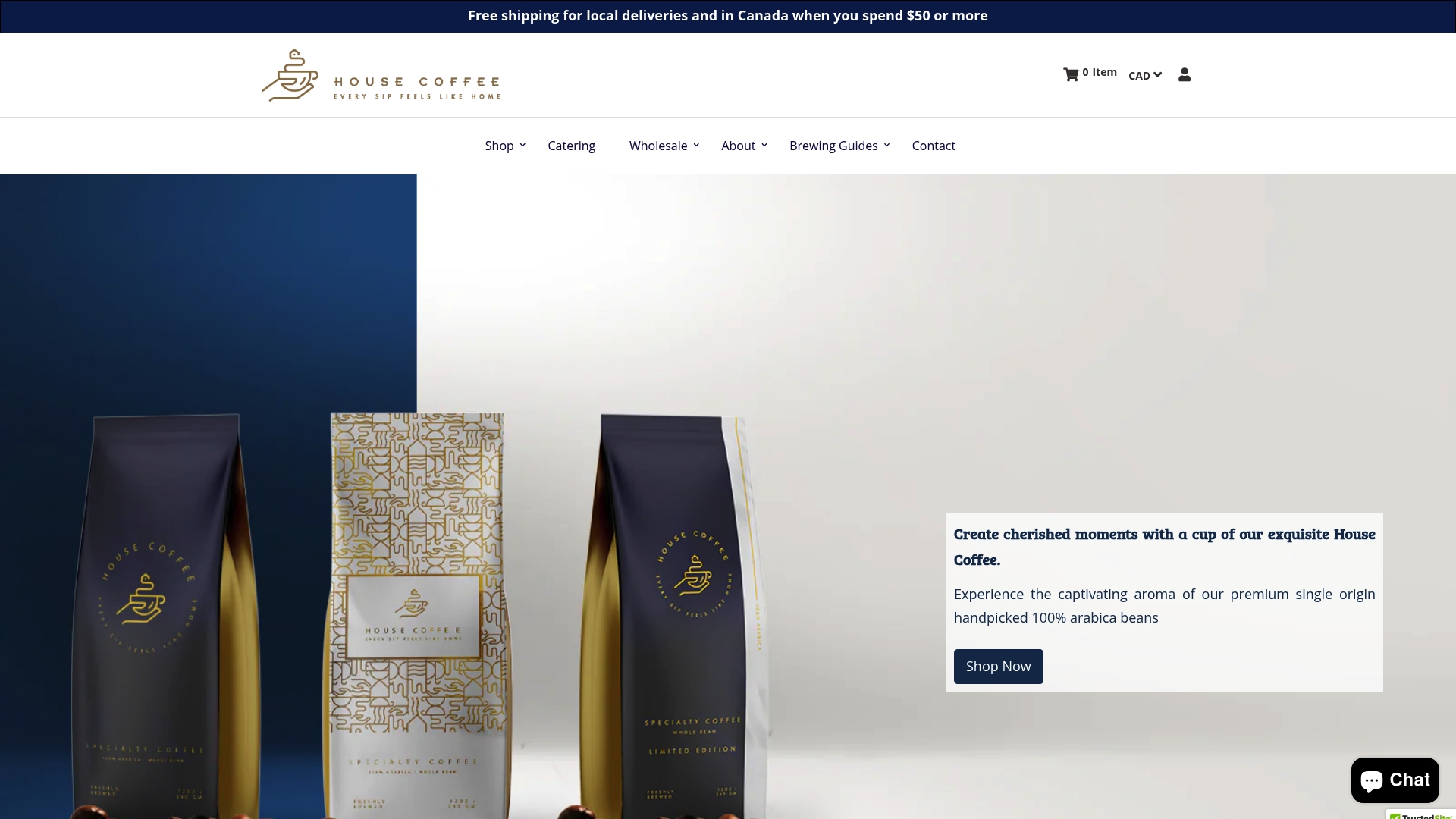
Discover our Limited Edition – House Coffee collection that showcases distinctive coffees chosen for their exceptional flavor and craftsmanship. Complement your tasting journey with the right tools from our Brewing Essentials – House Coffee collection to master precise measurements and consistent brewing techniques. Start enhancing your sensory evaluation today with premium coffees and accessories from House Coffee. Explore now and deepen your connection to every cup.
Frequently Asked Questions
What is the purpose of coffee cupping?
Coffee cupping is a standardized method used in the specialty coffee industry to evaluate and assess coffee quality through sensory analysis. It helps professionals distinguish exceptional beans from ordinary ones by analyzing flavor profiles, aromas, and other intrinsic characteristics.
How is the coffee cupping process conducted?
The cupping process involves grinding roasted coffee to a coarse size, conducting a dry fragrance test, adding hot water, and letting the coffee steep. After steeping, tasters break the coffee crust to assess aromas before tasting, allowing for a comprehensive sensory evaluation.
What equipment is essential for coffee cupping?
Essential equipment for coffee cupping includes standardized cupping bowls, specialized cupping spoons, precision measurement tools like digital scales, temperature-controlled kettles, and professional grinders. These tools ensure consistency and accuracy during the tasting process.
What are common mistakes to avoid in coffee cupping?
Common mistakes include inconsistent brewing parameters, such as variations in grind size and water temperature, and subjective bias, which can skew evaluation results. Maintaining strict uniformity and using blind tasting techniques can help minimize these issues.
Recommended
-
Posted in
what is cupping in coffee