What Is Arabica Coffee and Why It Matters Now

Craving a cup that balances bright acidity, gentle sweetness, and rich aroma? For coffee lovers passionate about gourmet experiences, understanding the journey of Arabica is essential. Arabica coffee accounts for about 70 percent of the world’s production, celebrated for its complex flavors and unique origins rooted in the forests of Ethiopia. Discover how its genetic heritage, cultivation story, and careful sourcing influence every brew, unlocking new layers of appreciation for your next pour-over or espresso.
Table of Contents
- What Is Arabica Coffee and Its Origins
- Arabica vs Robusta: Key Differences
- Flavor Profile and Growing Conditions Explained
- Ethical Sourcing and Sustainability Factors
- Choosing the Best Arabica Coffee Beans
Key Takeaways
| Point | Details |
|---|---|
| Origin of Arabica | Arabica coffee originated from the natural hybridization of two wild species over 600,000 years ago in Ethiopia, which influences its unique flavor characteristics. |
| Flavor and Growing Conditions | Beans grown at higher altitudes (ideally above 1,400 meters) develop superior flavor complexity, influenced by cooler temperatures and nutrient-rich soils. |
| Ethical Sourcing | Purchasing ethically sourced Arabica supports farmers and sustainable practices, enhancing quality and reliability in the supply chain. |
| Freshness and Roast Level | Select whole beans roasted within the last two weeks at a light to medium roast for optimal flavor retention and character expression. |
What Is Arabica Coffee and Its Origins
Arabica coffee emerged through an extraordinary natural process over 600,000 years ago in the Ethiopian forests. This happened when two wild coffee species, Coffea eugenioides and Coffea canephora, naturally hybridized together, creating something entirely new. Unlike coffee varieties that humans deliberately bred, Arabica literally created itself through the forces of evolution. Researchers at the University at Buffalo recently sequenced Arabica’s genome and confirmed this ancient origin story by analyzing its genetic makeup. What makes this discovery fascinating for specialty coffee enthusiasts like you is that it reveals how your favorite beans developed their unique characteristics long before anyone dreamed of cultivating them.
The path from wild Ethiopian forests to your brewing setup took centuries of human effort. Ancient cultivators in Ethiopia first recognized Arabica’s potential, then the plant traveled to Yemen where it flourished in highland regions. From there, global trade networks spread Arabica across the Middle East, North Africa, and eventually to Latin America, Asia, and beyond. Two foundational cultivated varieties, Typica and Bourbon, became the ancestors of virtually all modern Arabica you encounter today. When you select single-origin beans from different regions, you’re working with descendants that trace back through these two main lineages. The role of Arabica beans in specialty coffee demonstrates how these ancestral varieties shaped what we value in premium coffee today.
Here’s the catch: Arabica’s relatively low genetic diversity creates both its allure and its fragility. Because all commercial Arabica essentially came from a single natural hybridization event thousands of years ago, the species lacks the genetic variation that other coffee types possess. This narrow foundation means Arabica remains more susceptible to pests and diseases, and it thrives only in specific altitude ranges, typically 2,000 to 6,500 feet above sea level. For home baristas seeking consistency and quality, this actually works in your favor. Arabica’s limited growing zones concentrate production in regions where climate and soil create exceptional flavor profiles. The very constraints that challenge coffee farmers ultimately deliver the complexity, acidity, and nuance that distinguish Arabica as the premium choice among coffee enthusiasts worldwide.
Pro tip: When purchasing Arabica beans, look for specific elevation information on the package—higher altitude beans typically develop more refined acidity and complexity, so prioritize origins listed above 4,500 feet for noticeably superior cup quality.
Arabica vs Robusta: Key Differences
Two coffee species dominate global production, and understanding their differences transforms how you select beans for your home setup. Arabica and Robusta together account for over 98 percent of the world’s coffee supply, with Arabica commanding roughly 70 percent of that market. The split comes down to one fundamental fact: these plants evolved in different African regions and adapted to completely different growing conditions. Arabica thrives in the temperate highlands of Ethiopia and other mountainous regions between 600 and 2,000 meters elevation, where cooler, stable climates allow the plant to develop complex flavors. Robusta, by contrast, originated in the warmer lowlands of sub-Saharan Africa and tolerates heat, humidity, and lower altitudes with ease. This environmental divergence created two distinctly different coffee experiences in your cup.
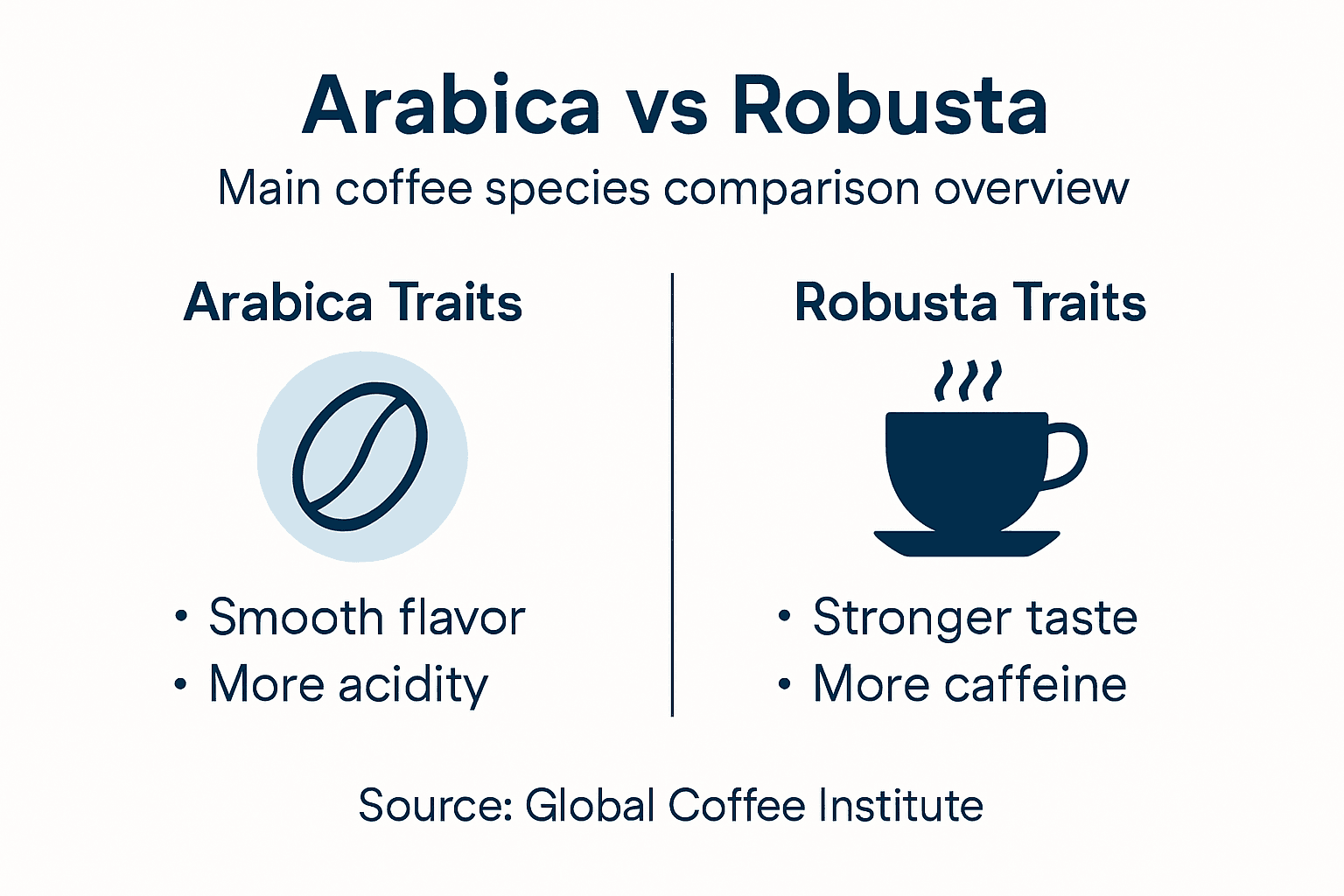
Your palate detects these differences immediately. Arabica delivers what specialty coffee enthusiasts crave: smooth, nuanced flavor profiles with fruity, chocolate, and caramel notes alongside bright, clean acidity. The beans themselves are oval-shaped with a curved central crease. Robusta produces an entirely different profile with earthy, woody, peppery characteristics and pronounced bitterness. These rounder beans sport a straighter crease than their Arabica counterparts. Caffeine content also diverges dramatically. Robusta contains nearly twice the caffeine of Arabica, which explains why it’s favored for espresso blends requiring body and crema, while Arabica dominates single-origin specialty offerings where complexity matters more than punch. Identifying single origin Arabica beans reveals why specialty coffee retailers prioritize this variety for premium collections.
From a cultivation standpoint, Robusta wins on resilience but loses on refinement. Robusta plants shrug off pests and diseases that devastate Arabica crops, yielding higher volumes with less fussing around. This practical advantage is why Robusta dominates commercial instant coffee and budget-conscious blends. Arabica demands more. It requires specific altitude ranges, consistent temperatures, and careful pest management. These higher maintenance requirements mean fewer regions can produce Arabica profitably, concentrating production in locations where quality truly shines. For home baristas, this means Arabica’s scarcity and complexity justify the higher price tag. When you invest in specialty Arabica beans, you’re supporting farmers in regions where the work matters as much as the harvest.
Pro tip: Check the package label for species identification and elevation data; single-origin Arabica from high-altitude regions consistently outperforms blended or lower-elevation options in home brewing.
Here’s a concise comparison of Arabica and Robusta coffee beans:
| Criteria | Arabica | Robusta |
|---|---|---|
| Typical Elevation | 2,000–6,500 feet | 0–2,600 feet |
| Flavor Profile | Complex, fruity, nuanced | Bitter, earthy, strong |
| Caffeine Content | Lower (approx. 1.2%) | Higher (approx. 2.2%) |
| Bean Shape | Oval, curved crease | Round, straighter crease |
| Disease Resistance | Susceptible, needs care | Highly resilient |
| Common Use | Specialty, single-origin coffee | Espresso, instant coffee blends |
Flavor Profile and Growing Conditions Explained
Where Arabica grows determines what ends up in your cup, and this connection runs deeper than you might expect. Altitude stands as the single most influential factor shaping flavor complexity. Beans cultivated above 1,500 meters elevation develop distinctly different chemical profiles than those grown at lower elevations. This happens because cooler mountain air slows bean maturation, giving the plant more time to develop sugars and acids that translate into nuanced flavors. Higher altitude cultivation influences flavor complexity significantly, with volcanic soils in these regions providing optimal mineral content. The combination of elevation, cooler temperatures, and nutrient-rich soil creates the conditions where fruity, floral, and chocolate notes flourish. When you taste a high-altitude Arabica, you are literally tasting the time the plant spent slowly ripening in mountain air.
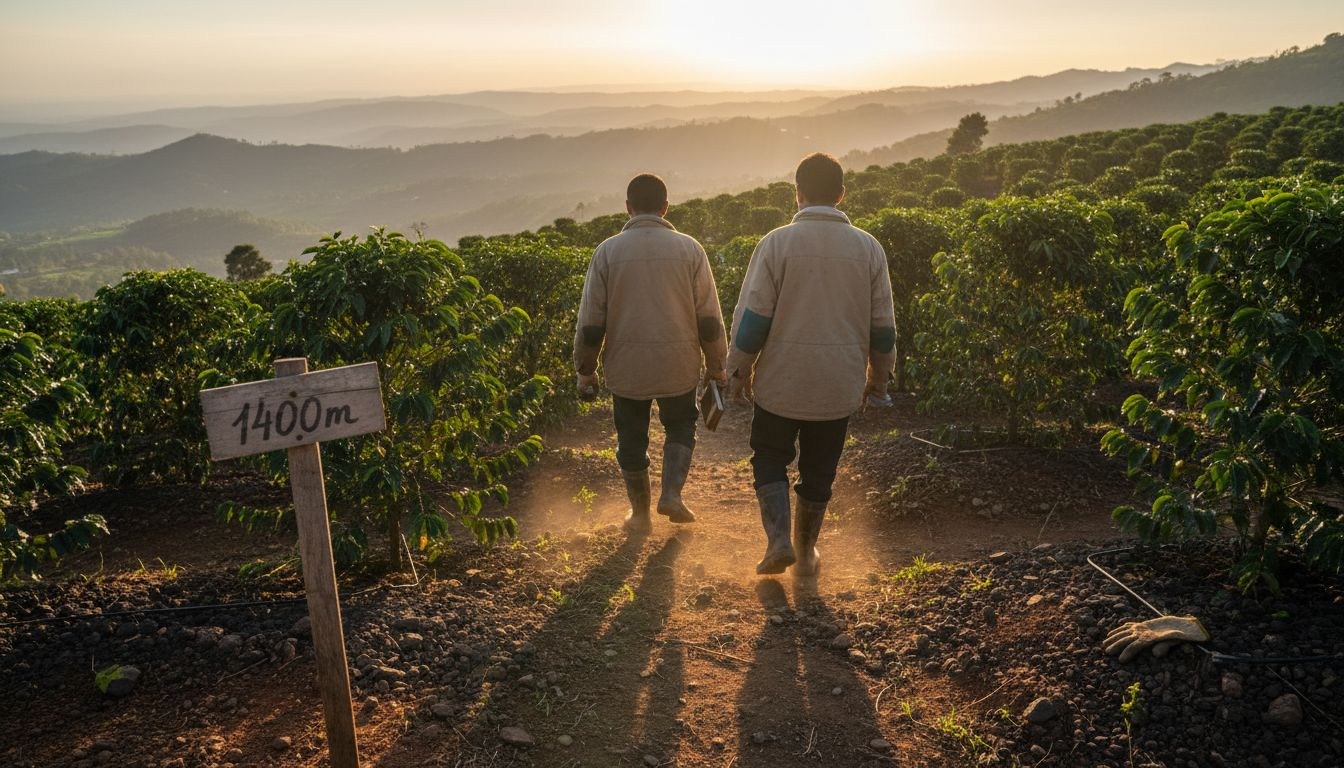
Soil composition acts as a hidden flavor architect. Nitrogen, phosphorus, and potassium levels directly influence how Arabica beans develop their taste characteristics. Volcanic soils found in regions like Ethiopia, Colombia, and Central America naturally contain these minerals in abundance, which is why coffees from volcanic regions consistently score higher in cupping evaluations. The soil feeds the plant; the plant expresses that nutrition in flavor. Shading conditions amplify these effects further. Arabica plants grown under partial shade at mid to high altitudes produce superior body, aftertaste, and balance compared to sun-exposed plants. This practice, common in specialty coffee regions, slows growth just enough to concentrate flavor compounds. The interplay between shade, elevation, temperature, and soil fertility creates specialty coffee quality that sunny, low-altitude Robusta simply cannot match.
The optimal growing envelope sits remarkably narrow. Most premium Arabica thrives between 1,200 and 1,400 meters elevation with moderate temperatures and consistent rainfall. Step outside this range and flavor suffers noticeably. Too low and you get flat, bitter coffee lacking complexity. Too high and the beans fail to ripen properly. Tasting coffee flavors develops your understanding of how these growing conditions manifest in actual cup characteristics. This is why single-origin coffees from specific mountains and microclimates command premium prices. Each origin tells a story written by altitude, soil, rainfall, and temperature. When you select beans from a particular farm or region, you are choosing a specific combination of these environmental factors. Understanding this connection transforms how you evaluate coffee quality and appreciate why specialty Arabica justifies its cost compared to commodity alternatives.
Pro tip: Look for origin labels that specify elevation above 1,400 meters and mention volcanic soil or shade-grown practices; these indicators predict superior flavor complexity and cup quality in your home brewing.
Ethical Sourcing and Sustainability Factors
Your coffee purchase connects directly to the lives of farmers you will never meet. Arabica production involves approximately 12.5 million small farms globally, many operating on razor-thin margins where volatile prices threaten survival. When you choose ethically sourced Arabica, you actively reshape those supply chains. Ethical sourcing means committing to fair, stable pricing that goes beyond charity. It means direct relationships between roasters and farmers, predictable income that allows farming families to reinvest in better equipment and practices, and long-term partnerships built on trust rather than quarterly contracts. Sustainable sourcing improves farmer prosperity through collective action involving public-private partnerships that support local farmers and build resilient coffee supply chains. The Global Coffee Platform targets reaching one million farmers by 2030 with sustainable practices that benefit communities, not just corporations.
Transparency forms the backbone of ethical coffee. When specialty retailers like House Coffee detail origin stories, farmer names, and specific farm locations, they invite you into the supply chain. You learn not just where your beans grew, but who grew them and under what conditions. Certifications matter, but they function best alongside direct relationships. Fair Trade, Rainforest Alliance, and other certifications provide verification that ethical practices occurred, yet they represent minimum standards rather than excellence. The most compelling ethical coffees combine certification with direct trade relationships where roasters work year-round with specific farming communities. This approach builds trust. Farmers know exactly what prices they will receive before planting, allowing them to plan investments in sustainable practices like shade-growing and soil conservation. Roasters gain consistent quality and unique flavor profiles. You benefit from knowing your money directly supports the people stewarding the land.
Sustainability in Arabica production requires climate resilience, and your purchasing power accelerates that progress. Arabica faces genuine threats from climate change, pests, and disease, yet farmers investing in sustainable practices build stronger coffee plants and healthier soils. Shade-grown Arabica sequesters carbon while providing habitat. Organic practices rebuild soil fertility naturally. Water conservation techniques protect ecosystems. When you pay premium prices for ethically sourced specialty Arabica, you fund these innovations. You make it economically viable for farmers to adopt practices that take years to show results. This investment approach transforms coffee from commodity extraction into regenerative agriculture.
Pro tip: Seek out roasters publishing detailed traceability information including farm names, elevations, and farmer profiles; these transparent sourcing practices correlate strongly with both superior quality and genuine farmer benefits.
Choosing the Best Arabica Coffee Beans
Selecting quality Arabica starts with understanding what separates exceptional beans from mediocre ones. Freshness matters more than you might think. Coffee begins losing flavor complexity the moment it leaves the roaster, with peak quality typically lasting 2 to 4 weeks after roasting. Check the package for a roast date, not just an expiration date. Beans roasted more than a month ago have already surrendered significant aromatics and nuance. Origin tells the second critical story. Premium Arabica beans come from high altitude farms at 1,000 to 2,000 meters elevation where cooler temperatures create the complexity you seek. Single-origin coffees from specific farms or regions offer traceability and consistent flavor profiles that blends cannot match. When you see Ethiopian Yirgacheffe, Colombian Geisha, or Kenyan AA on a label, you are getting beans from a defined geography where climate and soil shaped flavor. This specificity matters because it connects you to the farming practices and environmental conditions that created your coffee.
Roast level functions as a flavor gate. Light to medium roasts best showcase Arabica’s natural characteristics—the fruity, floral, and chocolate notes that distinguish specialty coffee from generic commodity beans. Lighter roasts preserve more acidity, which sounds undesirable until you taste bright, citrusy notes dancing across your palate. Darker roasts push toward bitter, burnt flavors that mask origin character. Many home baristas discover their Arabica purchase disappointed them only to realize the roaster chose a dark roast profile that obliterated the bean’s potential. Whole beans preserve flavor dramatically better than pre-ground versions. The moment beans are ground, oxidation accelerates exponentially. Ground coffee loses flavor within days; whole beans hold quality for weeks. If your local roaster offers whole beans only, you have found someone committed to quality.
Ethical sourcing and transparency separate specialty retailers from mass producers. Identifying single origin beans requires understanding farm practices and farmer relationships. Retailers worth supporting publish detailed origin information including farm names, elevations, processing methods, and farmer profiles. They can explain why this Arabica costs more than that one. They know their suppliers personally. This transparency indicates genuine commitment to quality and ethics. Price serves as a rough quality indicator. Exceptional single-origin Arabica costs more because farmers receive fair compensation, supply chains operate efficiently, and roasters invest in sourcing and quality control. Suspiciously cheap specialty Arabica usually means corners were cut somewhere—older crop, lower altitude, or unfair farmer compensation. Your purchase funds the system you choose to support.
Pro tip: Purchase whole beans roasted within 2 weeks, check for elevation above 1,400 meters on the label, and choose light to medium roasts that highlight origin character; grind immediately before brewing to preserve the complex flavors you paid for.
This summary outlines key factors for choosing high-quality Arabica beans:
| Factor | What to Look For | Impact on Quality |
|---|---|---|
| Roast Date | Within last 2 weeks | Preserves flavor and aromatics |
| Elevation | Above 1,400 meters | Enhances acidity and complexity |
| Bean Form | Whole beans | Slows flavor loss after roasting |
| Origin Detail | Farm name, micro-lot information | Confirms traceability, uniqueness |
| Roast Level | Light to medium | Highlights origin character |
Discover Premium Arabica Coffee Crafted for True Enthusiasts
Understanding the unique origins and growing conditions of Arabica coffee reveals why quality and ethical sourcing are vital. This article highlights Arabica’s delicate nature, its demand for specific altitude and care, and the impact of freshness and origin on flavor complexity. If you seek a coffee that reflects dedication to craftsmanship and sustainable farming, the challenge is finding beans that deliver nuanced taste while supporting the farmers behind every harvest.
House Coffee solves this by offering a curated selection of ethically sourced, single-origin Arabica beans. Explore the Diamond collection – House Coffee featuring high-altitude, shade-grown coffees that highlight origin character and freshness. Each batch comes with detailed farmer and elevation information to ensure transparency and connection to your cup.
Experience how premium Arabica should taste by choosing from our exceptional collections today. Visit House Coffee now to select your next favorite coffee and elevate your brewing ritual. For a richer flavor profile while keeping the authentic Arabica experience, explore our carefully roasted options in the Dark Roast – House Coffee category. Don’t settle for anything less than excellence. Start your journey toward coffee perfection now.
Frequently Asked Questions
What is Arabica coffee?
Arabica coffee is a species of coffee that originated through a natural hybridization event between two wild coffee species. It is known for its complex flavors and smooth, nuanced profiles, making it a favorite among specialty coffee enthusiasts.
How does the altitude affect the flavor of Arabica coffee?
The altitude at which Arabica coffee is grown significantly influences its flavor. Beans cultivated at higher elevations, typically above 1,400 meters, develop more complex flavors due to cooler temperatures that slow maturation, allowing for a richer profile with balanced acidity and sweetness.
Why is Arabica coffee considered more premium than Robusta?
Arabica coffee is typically more expensive than Robusta due to its lower yield, higher maintenance requirements, and its susceptibility to pests and diseases. Additionally, Arabica offers a wider range of complex flavors, making it more sought after in specialty coffee markets.
What are the benefits of choosing ethically sourced Arabica coffee?
Choosing ethically sourced Arabica coffee ensures fair and stable pricing for farmers, which helps support their livelihoods. It promotes sustainable practices and transparency within the supply chain, contributing to better quality coffee and environmentally friendly farming methods.
Recommended
-
Posted in
what is arabica coffee