How to Identify Single Origin Beans for Premium Coffee

Most American coffee drinkers rarely realize that authentic single origin beans can be traced to a single farm, region, or community. For coffee aficionados worldwide, decoding the fine print on packaging is crucial to discovering beans that offer unparalleled flavor and ethical integrity. By learning to scrutinize labels for precise geographic details and certifications, you unlock the secrets of artisanal craftsmanship and ensure your next brew reflects genuine quality. Over 60 percent of global specialty coffee consumers now seek traceable, transparent sources.
Table of Contents
- Step 1: Prepare By Reviewing Coffee Packaging And Labels
- Step 2: Assess Bean Origin Details And Sourcing Information
- Step 3: Examine Bean Appearance And Physical Characteristics
- Step 4: Verify Certifications And Traceability Records
- Step 5: Confirm Quality Through Aroma And Freshness Tests
Quick Summary
| Key Point | Explanation |
|---|---|
| 1. Inspect Coffee Labels Carefully | Examine details like country, altitude, and farm name to verify the authenticity of single origin beans. |
| 2. Understand Sourcing Transparency | Look for detailed traceability and processing information, confirming beans come from specific locations. |
| 3. Evaluate Physical Appearance | Assess bean shape, size, and color consistency; uniformity indicates careful selection and origin. |
| 4. Verify Certification and Documentation | Check for credible certifications and detailed records that validate ethical sourcing and provenance. |
| 5. Engage Senses for Freshness Assessment | Use aroma and visual cues to evaluate freshness and flavor potential; aim to use beans within two weeks of roasting. |
Step 1: Prepare by reviewing coffee packaging and labels
Identifying single origin beans requires a detective-like approach to deciphering coffee packaging. You want to investigate every detail printed on the bag to understand its true geographic origins and authenticity. Detailed coffee origin labeling provides critical insights into the beans’ background.
Look closely for specific location details when examining coffee packaging. Premium single origin beans typically highlight precise geographic markers such as country, region, altitude, and sometimes even specific farm names. The more granular the location information, the more likely you are dealing with an authentic single origin product. Sourcing transparency helps confirm the beans come from a singular, well-defined location rather than a blended mix.
Coffee labels should provide clear, transparent information about the beans. Watch for certification stamps, harvest dates, processing methods, and varietal details. These markers not only validate the coffee’s origin but also indicate the producer’s commitment to quality and traceability.
Here is a summary of key details to look for on single origin coffee packaging:
| Detail Type | Why It Matters | What It Reveals |
|---|---|---|
| Country & Region | Defines geographic origin | Authenticity and possible flavor notes |
| Altitude | Influences bean development | Taste complexity and bean density |
| Farm/Producer Name | Provides traceability | Source credibility and rarity |
| Harvest Date | Indicates freshness | Recent crop and peak flavor |
| Processing Method | Shapes flavor profile | Influence of washing or natural drying |
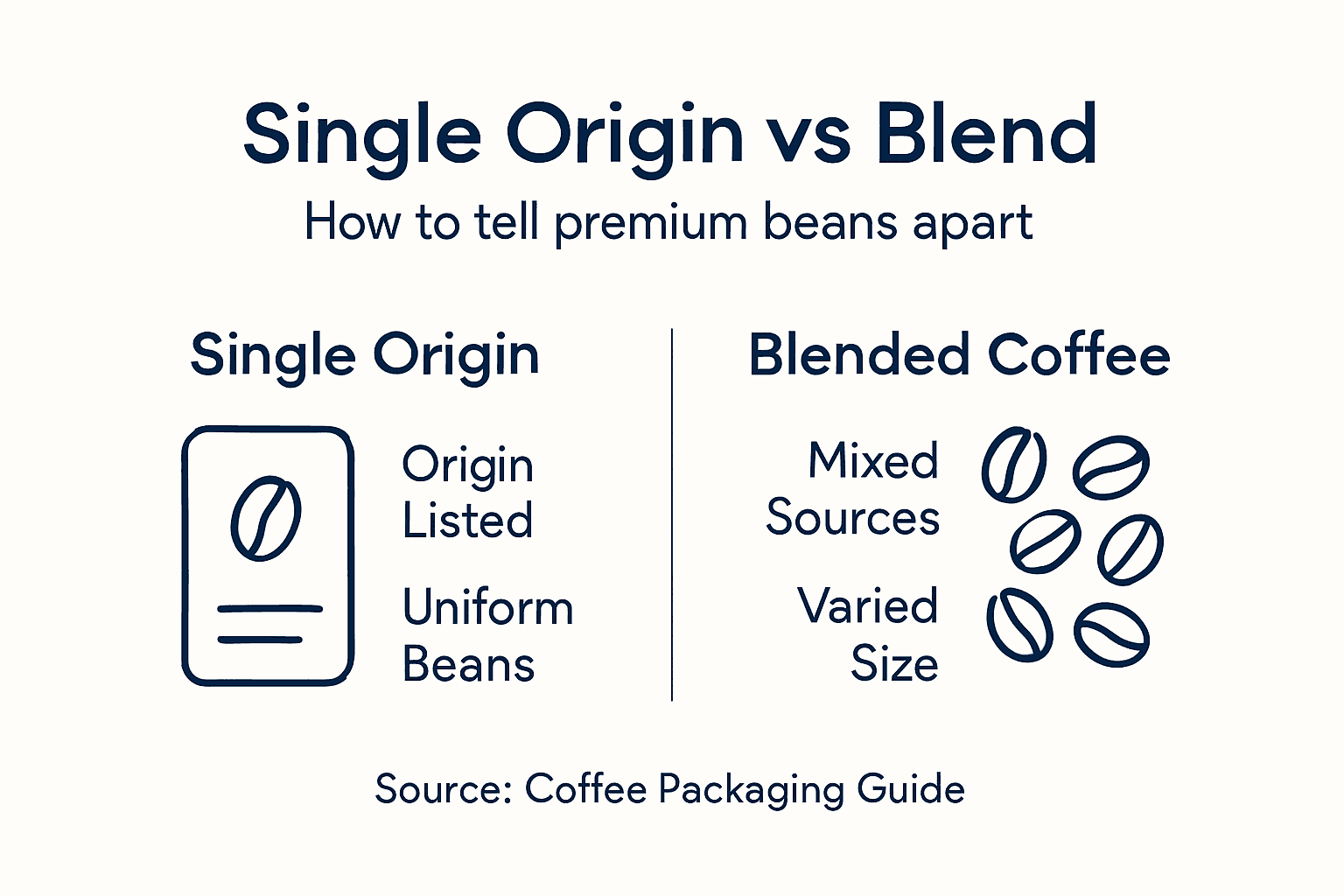
Pro tip: Always check the roast date alongside origin details to ensure maximum freshness and flavor potential.
Step 2: Assess bean origin details and sourcing information
Unveiling the true story behind single origin coffee requires a deep dive into its geographic roots. Single origin coffee origins can range from a specific farm to an entire country’s coffee production landscape, making detailed investigation crucial for understanding authenticity.
When evaluating sourcing information, scrutinize the packaging for comprehensive details that reveal the beans true provenance. Look for specific markers such as exact region, farm name, altitude, harvest date, and processing method. These granular details provide insights into the coffee’s unique characteristics and production context. Global coffee production statistics can help you cross-reference and validate the origin claims printed on the packaging.
Beyond surface level information, consider the transparency and specificity of the sourcing data. Authentic single origin coffees will provide clear traceability that allows you to understand not just where the beans come from, but the specific conditions and practices that shaped their flavor profile.
Compare key characteristics of single origin versus blended coffees:
| Aspect | Single Origin Coffee | Blended Coffee |
|---|---|---|
| Bean Source | One farm, region, or country | Multiple origins mixed |
| Traceability | Highly detailed, specific | Limited, often generic |
| Flavor Profile | Unique, reflects terroir | Balanced, consistent, less distinct |
| Transparency Level | High, with clear sourcing info | Lower, few specific details available |
Pro tip: Research the specific microclimate and agricultural practices of the region to gain deeper appreciation for the beans unique characteristics.
Step 3: Examine bean appearance and physical characteristics
Understanding single origin coffee requires a careful visual inspection of the beans themselves. Arabica coffee bean characteristics reveal intricate details about their origin and quality. The shape, size, and overall appearance can tell a compelling story about where these beans were grown and how they were processed.
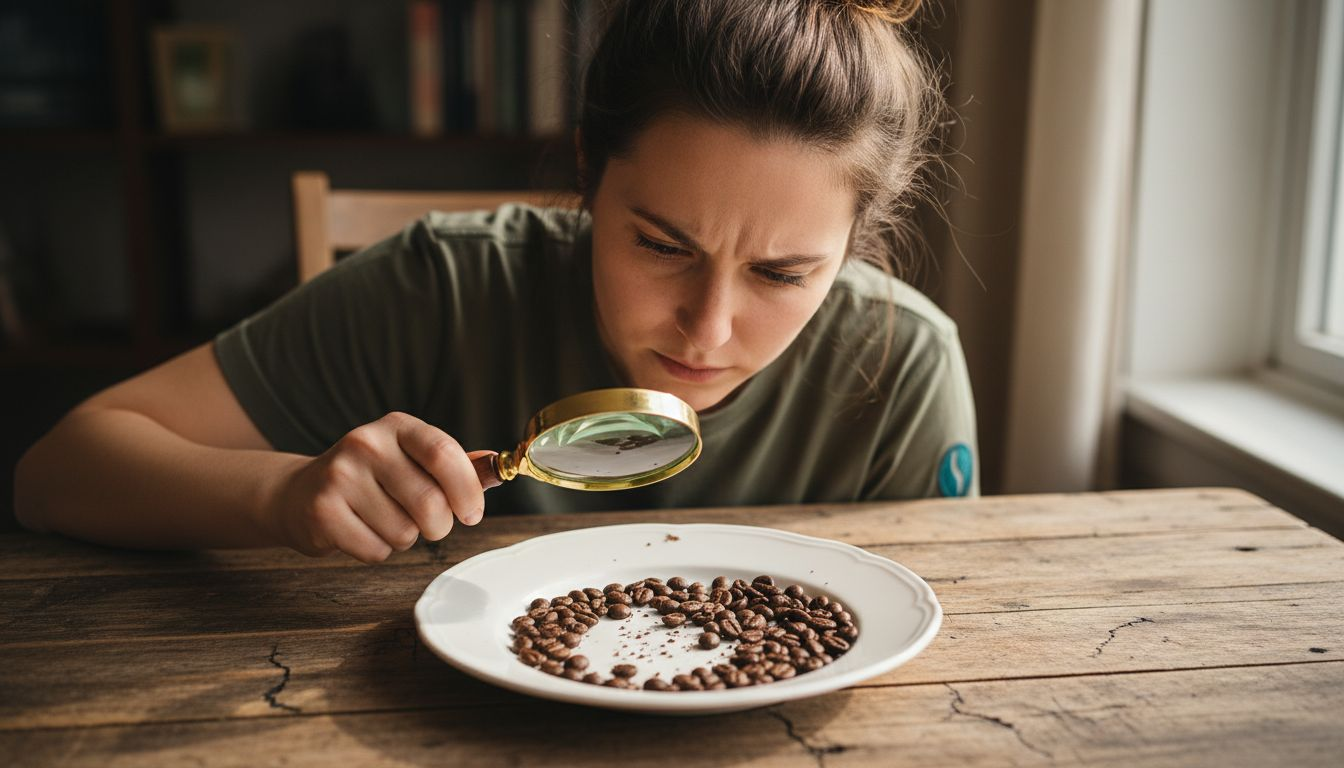
Look closely at the beans physical attributes. Authentic single origin beans typically demonstrate remarkable consistency in shape and color. Coffee bean variations can include unique characteristics like peaberry formations or distinctive oval shapes with sinuous creases. Pay attention to uniformity across the batch uniformity suggests careful selection and processing from a specific geographic region. Notice subtle variations in color that might indicate specific growing conditions altitude, soil composition, and processing methods all leave their mark on the beans appearance.
Expert coffee enthusiasts know that visual examination goes beyond simple observation. Each bean carries a narrative of its journey from farm to roaster. Look for signs of careful handling natural variations in color and texture that speak to the beans authentic single origin status.
Pro tip: Use natural light and a white background when examining beans to reveal their most nuanced physical characteristics.
Step 4: Verify certifications and traceability records
Authentic single origin coffee requires more than just a good story it demands verifiable documentation. Fair trade coffee certifications provide critical insights into the beans ethical journey from farm to your coffee cup. These certifications are your roadmap to understanding the coffees true provenance and commitment to sustainable practices.
Carefully examine the certification documents accompanying your coffee. Transparent coffee sourcing means you should be able to trace the beans back to specific producers or cooperatives. Look for detailed records that highlight not just the geographic origin but also the specific farming practices ethical standards and supply chain transparency. Legitimate single origin coffees will offer comprehensive documentation that tells the complete story of the beans production.
Traceability goes beyond simple paperwork. It represents a commitment to quality transparency and ethical sourcing. Seek out certifications that provide granular information about the specific farming communities cooperative practices and individual producers behind the beans. These documents are more than just bureaucratic records they are windows into the intricate world of specialty coffee production.
Pro tip: Request additional sourcing information directly from the roaster if the initial documentation feels incomplete.
Step 5: Confirm quality through aroma and freshness tests
Unveiling the true character of single origin coffee requires more than visual inspection it demands a sensory exploration. Coffee aroma and flavor composition reveals the intricate story behind each bean. Roasting transforms green coffee beans into aromatic treasures that whisper tales of their unique origins.
To assess freshness, engage all your senses. Specialty coffee quality evaluation relies on professional sensory tests that you can replicate at home. Start by inhaling deeply next to the beans fresh single origin coffee will release a vibrant bouquet of aromas that reflect its specific geographic birthplace. Listen for the subtle crackling sound when you gently shake the bag a sign of recent roasting. Look for a slight oily sheen and rich color that indicates optimal freshness without being overly glossy.
Professional coffee cupping might seem intimidating but home enthusiasts can develop their sensory skills with practice. Break a few beans and smell them closely different origins produce distinct aromatic profiles some might hint at chocolate others at tropical fruits or earthy undertones. These nuanced aromas are your roadmap to understanding the beans true essence and authenticity.
Pro tip: Purchase beans from roasters who clearly mark the roast date and aim to consume within two weeks of that date for maximum flavor potential.
Discover Authentic Single Origin Coffee with House Coffee
Identifying true single origin beans can be challenging when packaging and labels lack transparency or detail. This article highlights how critical factors like geographic origin, farm traceability, and roast freshness define the premium quality and unique flavor profiles that single origin coffees offer. If you want to experience these outstanding characteristics without the guesswork, explore the Diamond collection – House Coffee where every batch is carefully selected for authenticity and ethical sourcing.
Elevate your coffee ritual today by choosing from our ethically sourced single origin selections backed by clear certifications and freshness guarantees. Don’t wait to savor the rich aromas and distinctive tastes that only genuine single origin Arabica beans provide. Visit House Coffee now and unlock a world of premium coffee crafted with care and transparency. For exclusive, limited availability beans, browse our Limited Edition – House Coffee and ignite your passion for exceptional coffee.
Frequently Asked Questions
How can I tell if my coffee beans are truly single origin?
To confirm if coffee beans are single origin, look for specific details on the packaging like the country, region, altitude, and farm name. Ensure that the information is granular, as highly detailed origin information usually indicates authenticity.
What characteristics should I examine in the appearance of coffee beans?
Inspect the beans for uniformity in shape and color, as authentic single origin beans typically demonstrate consistent attributes. Look for distinct shapes, such as oval forms or peaberry variations, and consider the color variations that reflect their specific growing conditions.
How do I verify the certifications associated with my coffee?
Check the packaging or accompanying documents for certification stamps and traceability records that outline the beans’ journey from farm to cup. This information should include farming practices and ethical standards, ensuring a transparent sourcing process.
What role does roast date play in identifying high-quality coffee?
The roast date is crucial for assessing freshness; fresher coffee generally has better flavor potential. Aim to consume the coffee within two weeks of its roast date to enjoy the full spectrum of flavors and aromas.
How can I assess the aroma of single origin coffee?
To evaluate the aroma, take a deep inhale next to the beans. Fresh single origin coffee should release a vibrant bouquet of distinct aromas, which can indicate its geographic origin and overall quality.
What should I do if the sourcing information feels incomplete?
If the sourcing information lacks detail, don’t hesitate to reach out to the roaster directly for additional information. A legitimate roaster will typically provide comprehensive details about the coffee’s origin and production practices.
Recommended
-
Posted in
how to identify single origin beans