Ways to Enjoy Arabica Coffee: 67% Less Acidity Guide
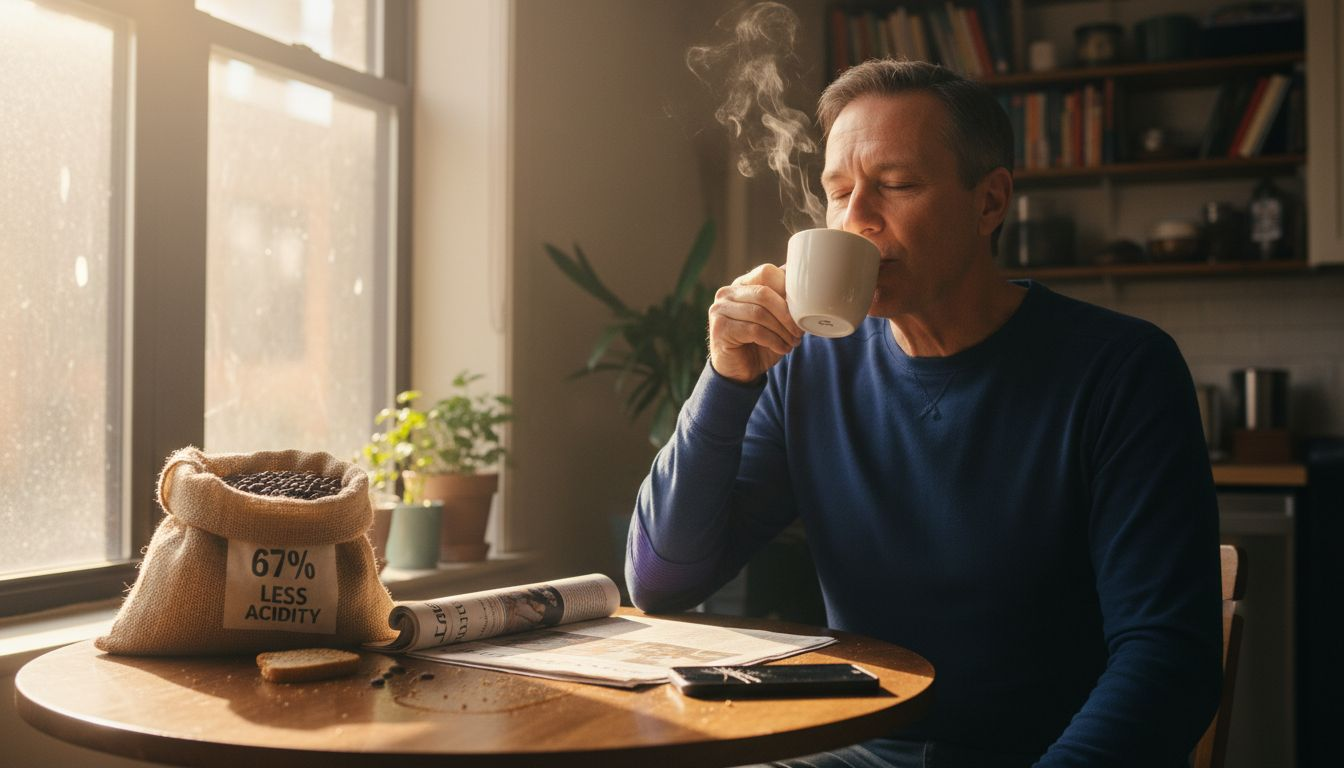
Did you know cold brew Arabica coffee lowers acidity by 67% compared to traditional hot brewing? This dramatic reduction makes premium Arabica accessible to acid-sensitive coffee lovers while preserving rich, complex flavors. In this guide, you’ll discover how to select ethically sourced Arabica beans, master brewing techniques that unlock superior taste, and maintain peak freshness at home. Whether you’re a seasoned enthusiast or just beginning your specialty coffee journey, these practical strategies will elevate every cup you brew.
Table of Contents
- How To Choose Premium And Ethically Sourced Arabica Coffee
- Top Brewing Methods To Unlock Arabica Coffee’s Full Flavor
- Essential Accessories To Enhance Your Arabica Coffee Experience
- Optimal Storage Techniques To Maintain Arabica Coffee Freshness
- Summary Comparison Table Of Arabica Coffee Ways To Enjoy
- Situational Recommendations: Choose Your Best Arabica Enjoyment Approach
- FAQs About Enjoying Arabica Coffee At Home
Key Takeaways
| Point | Details |
|---|---|
| Ethical sourcing matters | Fair Trade and Rainforest Alliance certifications ensure sustainable farming while delivering superior flavor profiles and supporting responsible producers. |
| Brewing method transforms taste | Pour-over boosts aroma by 25-30%, cold brew cuts acidity by 67%, and espresso delivers 35% more flavor intensity than standard drip. |
| Quality accessories preserve flavor | Burr grinders retain 15-20% more flavor compounds, while opaque airtight containers extend freshness by 50% compared to standard storage. |
| Storage extends enjoyment | Proper techniques preserve bean freshness up to four weeks after opening, doubling typical retention periods. |
| Personalization enhances experience | Matching bean origin, roast level, and brewing method to your taste preferences creates your ideal cup every time. |
How to Choose Premium and Ethically Sourced Arabica Coffee
Selecting quality Arabica beans starts with understanding what separates exceptional coffee from ordinary offerings. Your choice impacts not just flavor but also supports sustainable farming communities worldwide.
Ethical certifications like Fair Trade and Rainforest Alliance signal commitment to environmental stewardship and fair labor practices. These certifications often correlate with higher quality standards because farmers receive better compensation, allowing them to invest in superior cultivation methods. When you choose certified beans, you’re supporting farming communities while ensuring rigorous quality controls.
Origin and altitude dramatically affect flavor complexity. Beans grown above 1500 meters develop denser structures and more nuanced flavor profiles due to slower maturation. These high-altitude coffees command premium prices but deliver remarkable taste experiences. Single-origin beans provide up to 30% more complex flavor nuances compared to blends, allowing you to taste distinct regional characteristics from Ethiopian floral notes to Colombian chocolatey sweetness.
Roast level significantly influences your experience. Medium roast remains the preferred choice, with 12% more home brewers selecting it for balanced acidity, sweetness, and body. Light roasts preserve origin characteristics and brighter acidity, while dark roasts emphasize bold, smoky notes with reduced acidity.
Pro Tip: Purchase whole beans rather than pre-ground coffee to preserve volatile aromatic compounds. Grinding immediately before brewing maintains freshness and flavor intensity that pre-ground options simply cannot match.
When exploring options, consider these selection factors:
- Look for harvest dates within the past 3-6 months for optimal freshness
- Choose beans with detailed origin information including farm, region, and processing method
- Prioritize direct trade or relationship coffee when possible for maximum farmer benefit
- Select roasters who provide tasting notes to match your flavor preferences
- Start with smaller quantities to experiment before committing to bulk purchases
Understanding why choose Arabica beans over other varieties helps you appreciate the superior flavor profiles and lower caffeine content that make Arabica the gold standard for specialty coffee.
Top Brewing Methods to Unlock Arabica Coffee’s Full Flavor
Your brewing method determines how you extract and experience the complex flavors locked inside premium Arabica beans. Each technique produces distinct characteristics that cater to different taste preferences.
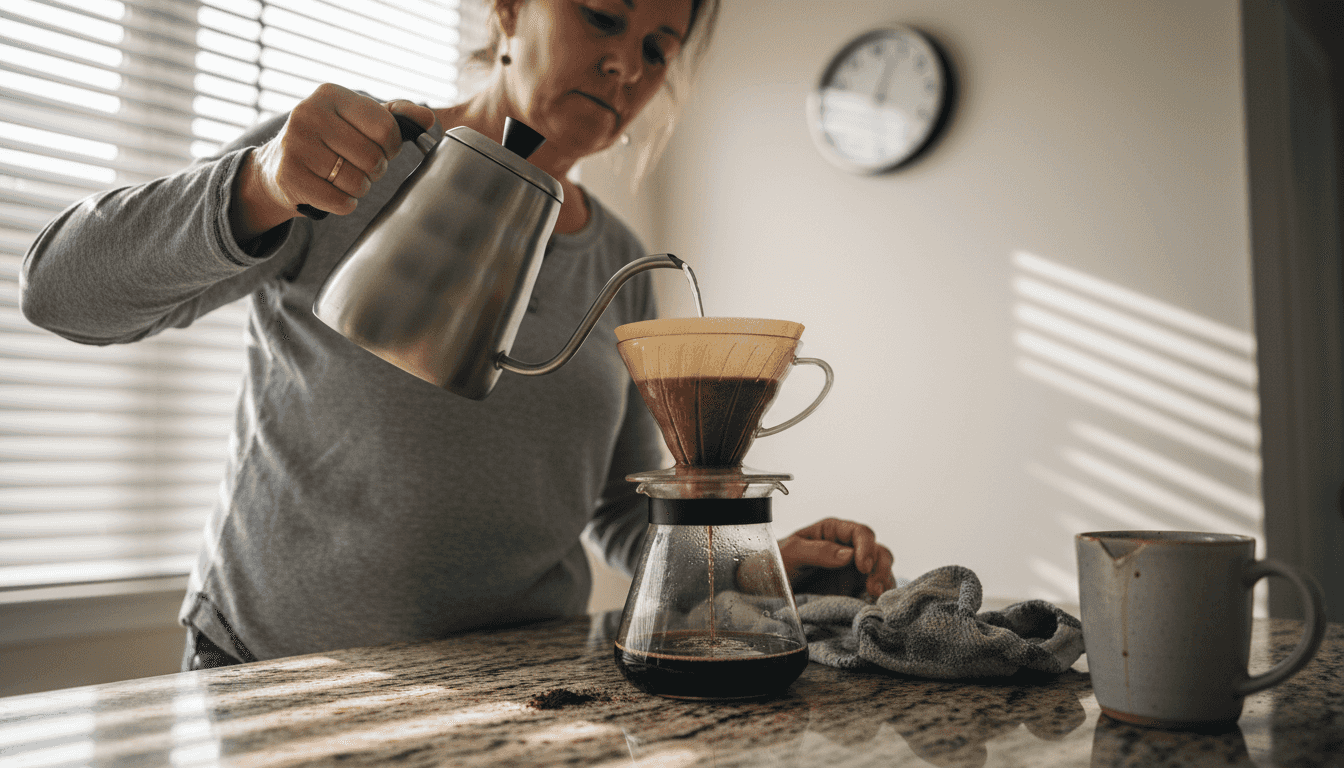
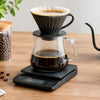
Pour-over increases aroma intensity by approximately 25-30% compared to standard drip brewing. This manual method gives you precise control over water temperature, flow rate, and extraction time. The result is exceptional clarity and brightness that showcases delicate flavor notes often lost in automated systems.
Cold brew stands out for acid-sensitive drinkers. By steeping coarsely ground coffee in cold water for 12-24 hours, cold brew reduces acidity by 67% while producing smooth, naturally sweet concentrate. This method requires advance planning but yields multiple servings you can enjoy over several days.
Espresso brewing creates 35% more flavor intensity than drip methods by forcing hot water through finely ground coffee under high pressure. This concentration amplifies both desirable flavors and any defects, making bean quality absolutely critical. Espresso forms the base for countless popular drinks while delivering bold taste in compact servings.
Pro Tip: Water quality dramatically impacts extraction. Using filtered water improves clarity and taste by roughly 25% compared to tap water by removing chlorine, minerals, and other compounds that interfere with flavor perception.
Here’s how different methods compare:
| Brewing Method | Acidity Level | Aroma Intensity | Flavor Strength | Best For |
|---|---|---|---|---|
| Pour-Over | Medium-High | Very High | Medium | Flavor clarity seekers |
| Cold Brew | Very Low | Low-Medium | High | Acid-sensitive drinkers |
| Espresso | Medium | High | Very High | Intense flavor lovers |
| French Press | Medium | High | High | Full-bodied preference |
| Drip Coffee | Medium | Medium | Medium | Convenience priority |
Exploring best coffee brewing methods helps you discover techniques that align with your lifestyle and taste preferences.
Consider these brewing essentials:
- Maintain water temperature between 195-205°F for optimal extraction
- Use proper coffee-to-water ratios: 1:15 for pour-over, 1:4 for cold brew concentrate, 1:2 for espresso
- Preheat brewing equipment to maintain temperature stability throughout extraction
- Time your brews consistently: 3-4 minutes for pour-over, 25-30 seconds for espresso
- Experiment with grind size adjustments to fine-tune extraction and taste
Essential Accessories to Enhance Your Arabica Coffee Experience
Quality accessories transform good coffee into exceptional experiences by ensuring consistency, preserving freshness, and optimizing extraction. These tools represent investments that pay dividends with every cup you brew.
Burr grinders preserve 15-20% more flavor compounds than blade grinders by producing uniform particle sizes. Consistent grind size ensures even extraction, eliminating the bitter over-extracted and sour under-extracted notes that plague inconsistent grinds. Adjustable grind settings let you optimize particle size for different brewing methods, from coarse French press to fine espresso.
Low retention grinders reduce stale coffee grounds by 40% compared to high retention models. Residual grounds oxidize quickly, introducing off-flavors into subsequent batches. Grinders designed to minimize retention ensure you taste only fresh coffee with each brewing session.
Opaque, airtight containers extend bean freshness by 50% compared to transparent or loosely sealed bags. Light, oxygen, and humidity accelerate staling, degrading aromatic compounds and creating flat, cardboard-like flavors. Purpose-built storage solutions protect your investment in premium beans.
Pro Tip: Using detailed brewing guides improves success and flavor consistency by 45%. Even experienced brewers benefit from documenting water temperature, grind size, coffee dose, and extraction time to replicate exceptional results.
Quality brewing equipment ensures reliable performance:
- Digital scales measuring to 0.1 gram precision enable repeatable recipes
- Gooseneck kettles provide controlled pouring for even saturation during manual brewing
- Temperature-controlled kettles maintain optimal extraction temperatures
- Reusable quality coffee mugs retain heat while enhancing the sensory experience
- Proper filters matched to your brewing method prevent sediment and optimize flow rate
When you select coffee beans for premium brew, pairing quality beans with appropriate accessories maximizes your return on investment.
Optimal Storage Techniques to Maintain Arabica Coffee Freshness
Proper storage preserves the volatile aromatic compounds and delicate flavors that make premium Arabica coffee worth savoring. Understanding how environmental factors affect beans helps you maintain peak quality from purchase through your final cup.
Opaque, airtight containers preserve freshness up to 4 weeks after opening, effectively doubling typical retention compared to standard packaging. Coffee beans are porous and hygroscopic, meaning they readily absorb moisture, oxygen, and surrounding odors. Specialized storage solutions create protective barriers against these enemies of freshness.
Light exposure accelerates oxidation and degrades flavor compounds through photodegradation. Even indirect sunlight damages beans over time, which is why opaque containers outperform clear glass jars despite their aesthetic appeal. If you must use transparent storage, keep it in a dark cabinet away from light sources.
Temperature stability matters as much as absolute temperature. Avoid storing beans in cabinets above coffee makers, stoves, or other heat sources where temperature fluctuates. Similarly, refrigeration introduces moisture condensation that damages beans when containers are opened. Room temperature in a cool, stable environment is ideal.
Humidity control prevents moisture absorption that leads to mold growth and premature staling. Beans stored in humid environments lose their characteristic snap when ground and develop musty off-flavors. Aim for relative humidity below 60% in storage areas.
Implement these storage best practices:
- Transfer beans to airtight containers immediately after opening original packaging
- Store only what you’ll consume within 2-4 weeks; freeze excess in vacuum-sealed bags
- Keep storage containers in cool, dark, dry locations like pantries away from appliances
- Never return beans to storage containers after scooping; use clean utensils each time
- Label containers with roast dates to track freshness and rotate stock appropriately
Regularly assess freshness through sensory evaluation. Fresh beans emit strong, pleasant aromatics when the container opens. They should appear oily (for dark roasts) or dry with visible oils (for medium roasts), never dusty or dull.
For additional guidance, explore coffee freshness tips that help you maximize the lifespan of your premium beans.
Summary Comparison Table of Arabica Coffee Ways to Enjoy
This comprehensive comparison consolidates key information to help you make informed decisions about every aspect of your Arabica coffee experience. Use this reference when planning purchases or adjusting your brewing routine.
| Category | Option | Key Impact | Flavor Effect | Best Suited For | Cost Factor |
|---|---|---|---|---|---|
| Origin | High-altitude (1500m+) | 30% more complexity | Bright, nuanced, floral | Flavor exploration | Premium |
| Origin | Lower altitude | Standard profile | Mild, straightforward | Daily drinking | Budget-friendly |
| Certification | Fair Trade/Rainforest | Ethical assurance | Quality consistency | Conscious consumers | Moderate premium |
| Certification | Non-certified | Variable standards | Inconsistent | Price-focused buyers | Lower |
| Roast Level | Light | Preserves origin | Bright, acidic, complex | Flavor purists | Standard |
| Roast Level | Medium | Balanced profile | Sweet, balanced body | General preference | Standard |
| Roast Level | Dark | Bold, smoky | Low acid, robust | Strong flavor seekers | Standard |
| Brew Method | Pour-over | 25-30% more aroma | Clean, bright, clear | Clarity enthusiasts | Moderate investment |
| Brew Method | Cold brew | 67% less acidity | Smooth, sweet, mellow | Acid-sensitive | Low equipment cost |
| Brew Method | Espresso | 35% more intensity | Concentrated, bold | Intensity lovers | High investment |
| Brew Method | French press | Full-bodied | Rich, heavy texture | Body preference | Low cost |
| Grinder Type | Burr | 15-20% flavor retention | Consistent, even | Serious enthusiasts | High investment |
| Grinder Type | Blade | Standard extraction | Variable, inconsistent | Casual drinkers | Low cost |
| Storage | Opaque airtight | 50% longer freshness | Preserves peak flavor | Quality-focused | Moderate cost |
| Storage | Standard bag | Rapid staling | Declining quality | Immediate consumption | No additional cost |
This table reveals how interconnected decisions affect your overall coffee experience. Premium beans deserve proper grinding, brewing, and storage to justify their cost. Conversely, investing in excellent equipment cannot compensate for stale, low-quality beans.
Situational Recommendations: Choose Your Best Arabica Enjoyment Approach
Tailoring your coffee choices to specific preferences and circumstances ensures satisfaction with every cup. These targeted recommendations help you navigate options based on what matters most to you.
-
For acid-sensitive stomachs: Choose cold brew preparation with medium or dark roast beans. This combination minimizes acidity while preserving smooth, naturally sweet flavors. Add a splash of milk to further reduce any remaining sharpness.
-
For flavor complexity seekers: Select single-origin, high-altitude beans with light to medium roast levels. Brew using pour-over methods to maximize clarity and showcase subtle regional characteristics. Ethiopian and Kenyan origins often provide the most distinctive profiles.
-
For intense flavor enthusiasts: Invest in espresso equipment and choose medium-dark roasted beans specifically developed for espresso extraction. The pressurized brewing creates concentrated flavors perfect for straight shots or milk-based drinks.
-
For ethical priority buyers: Focus exclusively on Fair Trade, Rainforest Alliance, or direct trade certified beans. Research roasters who maintain transparent supply chains and visit origin farms regularly. Your purchases directly support sustainable farming communities.
-
For brewing beginners: Start with a quality burr grinder, simple pour-over setup, and medium roast beans. This combination provides forgiving extraction with consistent results while you develop technique. Follow best brewing methods guides for step-by-step instructions.
-
For convenience seekers: Use programmable drip coffee makers with built-in grinders and thermal carafes. Pre-measure beans the night before for effortless morning brewing. While not the absolute best extraction, modern machines produce quality results with minimal effort.
-
For gift-givers: Choose attractive packaging highlighting origin stories and ethical certifications. Include brewing instructions and tasting notes to educate recipients. Premium presentation elevates perceived value while introducing others to specialty coffee.
-
For budget-conscious quality seekers: Purchase certified beans in larger quantities during sales and freeze portions in vacuum-sealed bags. This preserves freshness while reducing per-cup costs. Focus your equipment budget on a quality grinder, which impacts flavor more than expensive brewing devices.
Exploring ethical coffee choices helps align your purchases with personal values without sacrificing quality or taste.
Elevate Your Arabica Coffee Experience with House Coffee
Now that you understand how to select, brew, and preserve premium Arabica coffee, discover how House Coffee brings these principles to life with carefully curated offerings.
Our specialty Arabica coffee collection features ethically sourced, single-origin beans from renowned growing regions worldwide. Each selection includes detailed tasting notes, origin stories, and optimal brewing recommendations to guide your choices. Whether you prefer the bright complexity of Ethiopian beans or the chocolatey smoothness of Colombian varieties, our collection provides options for every palate.
For espresso enthusiasts, our espresso Arabica beans are specifically roasted and blended to deliver balanced crema, rich body, and sweet finish under pressure extraction. These beans work beautifully for straight shots or as the foundation for cappuccinos and lattes.
Complete your setup with essential accessories including coffee filters matched to your brewing method. We support your coffee journey with detailed brewing guides, storage recommendations, and responsive customer service. Join our community of coffee enthusiasts committed to quality, sustainability, and exceptional taste experiences.
FAQs About Enjoying Arabica Coffee at Home
What makes Arabica coffee more premium than other types?
Arabica contains more complex sugars and lipids that create nuanced flavors, while having 40-50% less caffeine than Robusta. It grows at higher altitudes under more demanding conditions, resulting in denser beans with superior taste profiles. The species represents 60-70% of global coffee production but commands premium prices due to cultivation challenges and flavor superiority.
How does ethical certification affect Arabica coffee quality?
Certifications like Fair Trade and Rainforest Alliance establish minimum quality standards and provide farmers with resources to invest in superior cultivation practices. Better compensation enables careful harvesting, proper processing, and quality control measures that directly improve cup quality. Certified farms typically demonstrate more consistent flavor profiles than uncertified sources.
Which brewing method is best for beginners with Arabica coffee?
Pour-over brewing offers the best balance of quality results and skill development for beginners. The manual process teaches you how grind size, water temperature, and pour technique affect extraction. Start with a simple ceramic dripper, paper filters, and follow weight-based recipes. You’ll quickly develop intuition for adjusting variables to match your taste preferences.
How long can I store Arabica coffee beans after opening?
Properly stored in opaque, airtight containers away from light and heat, beans maintain peak flavor for 2-4 weeks after opening. Quality gradually declines thereafter, though beans remain drinkable for 4-6 weeks. For longer storage, freeze beans in vacuum-sealed bags and remove only what you’ll consume within two weeks. Never return thawed beans to the freezer.
Can food pairings really enhance the taste of Arabica coffee?
Yes, complementary flavors create synergistic taste experiences similar to wine pairings. Light roast Arabica with bright acidity pairs beautifully with citrus pastries or berry tarts. Medium roast coffees complement chocolate desserts and nuts. Dark roasts stand up to rich, savory foods like aged cheeses. Experiment with combinations to discover how flavors interact and enhance each other.
Recommended
-
Posted in
en, ways to enjoy arabica coffee