A Coffee Quality Control Example, From Bean to Cup
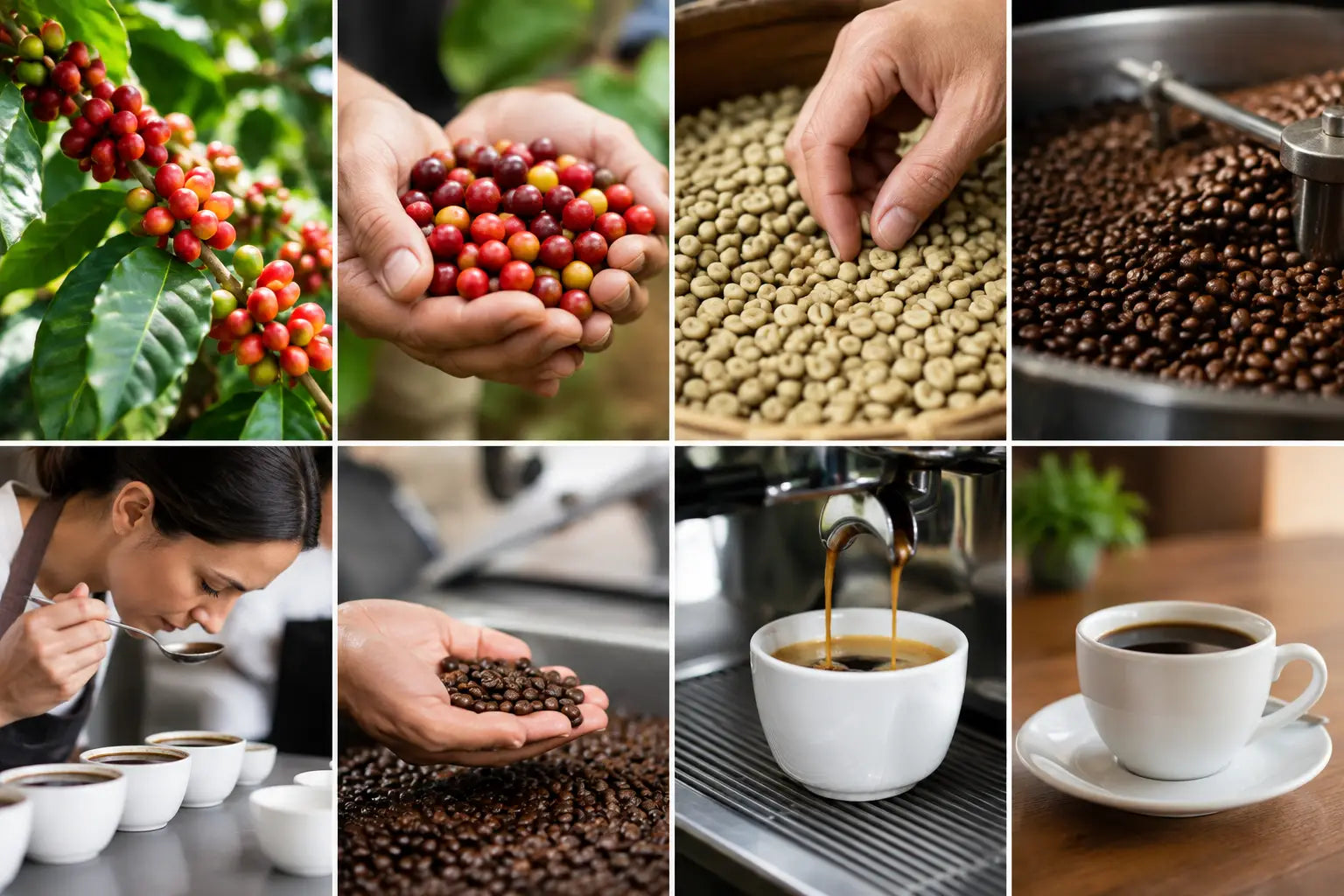
A great cup does not happen by accident. Behind the sweetness in a washed Ethiopian, the balanced comfort of a house blend, or the rich crema on your morning espresso is a series of careful decisions. This coffee quality control example follows one lot from its arrival as green coffee through roasting, tasting, packing, and brewing - the work that protects the flavor you look forward to sharing at home.
A Coffee Quality Control Example Starts Before Roasting
Quality control begins with the green coffee, long before heat ever reaches the bean. Specialty coffee buyers assess a coffee's traceability, processing method, harvest information, and sensory potential. For a single origin coffee, those details tell part of the story: where it grew, how it was cared for, and why it may carry notes of citrus, cocoa, stone fruit, or brown sugar.
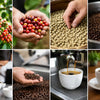
Then comes the physical assessment. A representative sample is pulled from the bag or lot and examined for consistency. The team checks moisture content, bean density, screen size, and visible defects. Moisture matters because coffee that is too dry can roast quickly and unevenly, while coffee with excessive moisture can be difficult to develop properly. Density gives useful clues about how the beans may respond to heat.
Defects receive close attention, too. Broken, insect-damaged, black, sour, or severely discolored beans can distract from the cup with woody, fermented, harsh, or papery flavors. A few imperfect beans may not ruin an entire lot, but specialty coffee leaves little room for carelessness. The goal is not visual perfection for its own sake. It is to protect the clean, expressive flavor that growers worked hard to produce.
For many specialty roasters, a quality score is also part of the buying decision. Coffees scoring 84 points or higher on a recognized specialty scale offer the complexity and cleanliness expected from premium Arabica. The score is a useful benchmark, not a guarantee that every customer will love every flavor. A bright, floral coffee can be exceptional and still be less suited to someone who prefers a deep, chocolate-forward cup. Quality control must account for both technical excellence and the intended drinking experience.
The first cup test
Before committing to a roasting plan, the roaster may prepare a small sample roast. This quick, light roast is designed for evaluation rather than retail sale. The coffee is then cupped, a standardized tasting practice that makes it easier to compare coffees and identify aromas, sweetness, acidity, body, and finish.
Imagine a sample described by its producer as having honey, apricot, and jasmine notes. On the cupping table, the coffee should show a clean sweetness, lively but pleasant acidity, and a lingering floral character. If it tastes flat, excessively vegetal, muddy, or fermented, the team investigates. The issue could come from storage, shipping, processing, or simply a lot that does not match its promise.
Quality Control During the Roast
Once a coffee is approved, roasting turns its potential into something you can taste. This is where precision and judgment meet. A roast profile records how the coffee moves through time and temperature, including key moments such as drying, browning, first crack, and development after first crack.
Consider a medium roast designed for a versatile morning coffee. The aim may be a rounded body, caramel sweetness, and enough structure to work in a drip brewer, French press, or espresso machine. If the roast moves too fast early on, the beans can taste sharp and underdeveloped, with a grassy or peanut-like character. If it stays too long in the roaster, delicate origin notes can fade into bitterness or a dry, smoky finish.
Roast color provides a fast, useful checkpoint. Teams often measure whole-bean and ground-coffee color to confirm that each batch lands within an acceptable range. Weight loss is another signal. As green beans roast, they lose moisture and release gases, so their weight drops. A meaningful shift from the expected range may point to a roast that is too light, too dark, or inconsistent.
Still, instruments do not replace tasting. Two batches can show similar color readings yet taste different because of changes in ambient temperature, bean age, airflow, or heat application. That is why a skilled quality program combines roast data with sensory evaluation. Numbers create repeatability. Palates make sure the result is worth drinking.
When a batch misses the mark
A practical quality control process also needs a clear response when something is off. Say a roast intended to taste like milk chocolate and toasted almond comes across as dry, smoky, and slightly ashy. The team compares the roast curve, color measurement, and weight loss against the target. Perhaps the end temperature ran high, or development after first crack lasted too long.
That batch should not simply be packed because it is technically safe or because the difference seems small. It may be held back, evaluated again, or redirected only if it meets the standards for another appropriate use. The decision carries a real trade-off: rejecting coffee costs money, but sending out a disappointing bag costs trust. For a specialty coffee company, the second cost is usually greater.
Cupping Is the Final Flavor Check
After roasting, the coffee needs time to rest and release carbon dioxide. The exact rest period depends on the coffee and roast style. Espresso may benefit from more time than a light filter roast, while a darker roast can become brew-ready sooner. There is no single rule that fits every coffee, which is why consistent tasting matters.
A post-roast cupping session compares the finished coffee against its intended profile. The taster looks for fragrance in the dry grounds, aroma after water is added, flavor as the coffee cools, acidity, sweetness, body, balance, and aftertaste. Cooling is especially revealing. A coffee that seems pleasant when hot may show harsh bitterness or a hollow center as the temperature drops.
For our example, the intended medium roast should offer cocoa, ripe cherry, and a smooth syrup-like body. If the cupping cup delivers those qualities with clarity and a clean finish, it can move forward. If it tastes baked, flat, overly roast-driven, or inconsistent from cup to cup, the roast team has useful feedback before the next batch.
This practice protects more than tasting notes on a bag. It protects the moment when someone opens a fresh delivery, fills the kitchen with the scent of coffee, and makes a cup for themselves or someone they love. At House Coffee, that connection between careful craft and cherished moments at home is part of what makes quality worth pursuing.
Packaging and Freshness Are Part of Quality
Coffee is at its best when its freshness has been respected. After roasting, oxygen, light, heat, and time gradually change the coffee's aroma and flavor. Packaging should help slow that process, usually with a one-way valve that allows carbon dioxide to escape without allowing excessive oxygen inside.
Quality control at this stage includes verifying the roast date, correct label, lot tracking, seal integrity, and grind selection. Sending a customer whole bean coffee when they ordered ground coffee is not a minor fulfillment issue. It can keep them from brewing at all. Likewise, a mislabeled bag can create problems for customers seeking a particular origin, roast level, or decaf option.
A strong lot code creates accountability. If a customer reports an issue, the roaster can trace the bag back to a particular roast date and production batch. That makes it possible to investigate patterns rather than guess. It also helps distinguish a roast problem from a shipping delay, a damaged package, or a brewing variable at home.
Quality Continues in Your Kitchen
Even beautifully sourced and roasted coffee can taste disappointing if the brew recipe is far off. This is not a reason to blame the customer. It is a reminder that coffee is a fresh ingredient, and small adjustments can make a dramatic difference.
If your cup tastes sour and thin, try a finer grind, a slightly higher water temperature, or a longer brew time. If it tastes bitter and drying, use a coarser grind, shorten the contact time, or check whether your water is too hot. Stale coffee, unclean equipment, and heavily chlorinated water can also mask the character that quality control worked to preserve.
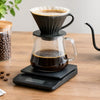
For a dependable starting point, use freshly roasted coffee, filtered water, and a consistent ratio. A scale is helpful, but care matters more than expensive gear. Pay attention to what you taste, change one variable at a time, and give the coffee a chance to tell you what it needs.
The finest quality check ends quietly: with a cup that tastes as intentional as it feels, inviting you to slow down, pour another, and make room for the people around your table.