7 Essential Steps for Perfect Coffee at Home

Brewing coffee at home should be a delightful ritual, but it can easily turn sour if your cup tastes bitter, weak, or flat. Whether you’re a new enthusiast or aiming for barista-level results, small details often make the biggest difference in taste and consistency. The right approach brings out the best flavors, aroma, and satisfaction from every batch you brew.
This guide reveals practical steps—from choosing ethically sourced beans to precise measurement and optimal brewing techniques—that transform your routine into a truly rewarding coffee experience. Get ready to discover insights backed by coffee experts and research that help you avoid common pitfalls and unlock a perfect cup every time.
Table of Contents
- Choose Fresh, Ethically Sourced Beans
- Measure Coffee and Water Precisely
- Grind Beans for Your Brewing Method
- Use Clean, Quality Water
- Control Brewing Temperature Carefully
- Mind Steeping and Extraction Time
- Serve Coffee Immediately for Best Flavor
Quick Summary
| Key Insight | Explanation |
|---|---|
| 1. Choose Fresh, Ethically Sourced Beans | Select high-quality Arabica beans that support sustainability efforts to enhance flavor and promote farmer welfare. |
| 2. Measure Coffee and Water Precisely | Use a 1:16 coffee-to-water ratio and a digital scale for consistent brewing results and flavor control. |
| 3. Match Grind Size to Brewing Method | Adjust grind size according to brewing style to optimize extraction and flavor, using a quality burr grinder. |
| 4. Use Clean, Quality Water | Brew with filtered water free of chlorine and impurities to ensure your coffee reflects the beans’ true taste. |
| 5. Serve Coffee Immediately for Best Flavor | Serve brewed coffee within 3 to 5 minutes to maintain flavor integrity and prevent rapid degradation. |
1. Choose Fresh, Ethically Sourced Beans
The foundation of an extraordinary coffee experience begins with selecting high-quality, fresh beans that tell a story of sustainability and craftsmanship. Your choice of coffee beans significantly impacts flavor, aroma, and the global coffee ecosystem.
When selecting beans, prioritize single-origin Arabica varieties known for superior taste and complexity. Sustainable coffee production incorporates critical environmental, social, and economic initiatives that support farmers and protect biodiversity. By choosing ethically sourced beans, you contribute to a more equitable global coffee trade.
Look for beans with clear provenance information that highlights the coffee’s origin, harvest date, and processing method. Fresh beans typically have a roast date within the last two weeks and should display a vibrant, rich color with visible oils. Avoid pre-ground coffee, which loses flavor and aromatic compounds rapidly.
Supporting certified sustainable coffee purchases helps improve the livelihoods of over one million coffee farmers worldwide. Seek out beans from brands committed to direct trade models, fair wages, and environmental protection.
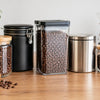
Pro tip: Store your freshly roasted beans in an opaque, airtight container away from light, heat, and moisture to preserve their optimal flavor profile and freshness.
2. Measure Coffee and Water Precisely
Precision is the secret weapon of exceptional home brewing, transforming an ordinary cup into a remarkable coffee experience. Measuring your coffee and water with scientific accuracy ensures consistent flavor, strength, and satisfaction.
The Specialty Coffee Association recommends precise brewing measurements to control total dissolved solids and extraction yield. Professional baristas understand that coffee brewing is a delicate science where small variations can dramatically impact taste. The standard recommended ratio is approximately 1:16 coffee to water weight a benchmark that balances extraction and flavor complexity.
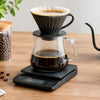
To measure accurately, invest in a digital kitchen scale that provides gram level precision. Measuring by weight instead of volume eliminates inconsistencies caused by different bean densities and grind sizes. A basic digital scale with a tare function allows you to zero out your brewing vessel and add ingredients precisely.
For most brewing methods, start with 15 grams of coffee per 240 milliliters of water. Adjust this ratio based on your personal taste preferences and specific brewing technique. Consistent measurement enables you to replicate your perfect cup and experiment with confidence.
Pro tip: Always measure your water temperature alongside coffee weight for the most consistent brewing results between 195 to 205 degrees Fahrenheit.
3. Grind Beans for Your Brewing Method
Every brewing method demands a unique grind size that unlocks the beans’ full potential. Understanding how to match your grind to your preferred brewing technique is crucial for extracting maximum flavor and aroma.
Grind size significantly influences coffee extraction by affecting particle distribution and volatile compound profiles. Different brewing methods require specific grind sizes to optimize flavor and prevent over or under extraction.
Brewing Method Grind Guide:
- Espresso: Ultra fine powder like granulated sugar
- Pour Over: Medium fine similar to table salt
- French Press: Coarse and chunky like breadcrumbs
- Cold Brew: Extra coarse like rock salt
- Drip Coffee: Medium grind resembling beach sand
Investing in a quality burr grinder allows precise control over particle size. Blade grinders create inconsistent particles that can lead to uneven extraction, while burr grinders produce uniform grounds essential for balanced flavor.
Pro tip: Clean your coffee grinder regularly with specialized grinder cleaning tablets to prevent oil buildup and maintain optimal grinding performance.
4. Use Clean, Quality Water
Water might seem like a simple ingredient, but it is the silent hero of every exceptional cup of coffee. Your brewing water carries flavor compounds, minerals, and ultimately determines the final taste of your beverage.
Water quality profoundly impacts coffee extraction with specific mineral and chemical requirements that dramatically influence taste. The ideal water for brewing coffee should have precise characteristics:
- Mineral hardness between 50 and 175 parts per million (ppm)
- pH level between 6.5 and 7.5
- Completely free of chlorine
- Fresh and odorless
- Filtered to remove impurities
Tap water often contains chlorine, calcium deposits, and other minerals that can distort your coffee’s natural flavor profile. Filtered water or spring water provides a neutral, clean base that allows the bean’s unique characteristics to shine through. Avoid distilled water, which lacks minerals necessary for proper extraction.
Consider investing in a quality water filter pitcher or installing a home filtration system specifically designed to optimize water for brewing. These solutions remove unwanted contaminants while preserving essential mineral content.
Pro tip: Always use cold, fresh water and avoid reheating or using water that has been sitting out, as stale water can introduce unwanted flavors to your coffee.
5. Control Brewing Temperature Carefully
The perfect cup of coffee requires precision and temperature control that can transform an ordinary brew into an extraordinary experience. Temperature is not just a number it is the key to unlocking your coffee beans’ full flavor potential.
Brewing water temperature directly influences caffeine extraction and overall flavor profile. The ideal brewing temperature sits between 195 and 205 degrees Fahrenheit a narrow window that separates mediocre coffee from exceptional coffee.
Different brewing methods demand slightly varied temperature ranges:
- Pour Over: 195 to 205 degrees Fahrenheit
- French Press: 195 to 200 degrees Fahrenheit
- Espresso: 190 to 196 degrees Fahrenheit
- Cold Brew: Room temperature or cold water
- Drip Coffee Machines: Typically preset around 200 degrees Fahrenheit
To achieve precise temperature control consider using a gooseneck kettle with a built in thermometer or an electric kettle with temperature settings. Avoid boiling water directly, which can burn your coffee grounds and produce a bitter taste. Let boiled water rest for 30 seconds before brewing to reach the optimal temperature range.
Pro tip: Invest in a digital thermometer to consistently monitor water temperature and remove guesswork from your brewing process.
6. Mind Steeping and Extraction Time
The delicate art of coffee brewing hinges on understanding the nuanced science of steeping and extraction. Your brewing method and timing can transform ordinary coffee beans into an extraordinary sensory experience.
Steeping time critically influences flavor extraction through complex chemical processes involving wetting, dissolution, and diffusion. Each brewing method demands a unique approach to maximize flavor potential.
Extraction Time Guide for Different Brewing Methods:
- French Press: 4 to 5 minutes
- Pour Over: 2 to 3 minutes
- Cold Brew: 12 to 24 hours
- Espresso: 25 to 30 seconds
- Drip Coffee: 3 to 5 minutes
Understand that both over and under extraction can ruin your coffee. Too short a time leaves your coffee weak and sour, while too long results in bitter, harsh flavors. Watch for visual cues like color and consistency, and use a timer to maintain precision.
Cold brew offers a unique exception with its extended steeping process affecting flavor profiles. The lengthy 12 to 24 hour extraction creates a smooth, less acidic beverage that highlights different flavor notes compared to hot brewing methods.
Pro tip: Invest in a kitchen timer and practice consistent extraction times to develop a reliable brewing routine that guarantees great coffee every time.
7. Serve Coffee Immediately for Best Flavor
The moment your coffee finishes brewing marks the peak of its flavor potential. What happens in the minutes following brewing can dramatically transform your carefully crafted beverage.
Coffee quality degrades rapidly after brewing due to complex chemical changes like oxidation. Volatile aroma compounds begin dissipating almost immediately, causing noticeable flavor shifts within mere minutes.
To preserve your coffee’s optimal taste profile, consider these critical serving strategies:
- Serve coffee within 3 to 5 minutes of brewing
- Use preheated mugs to maintain temperature
- Avoid leaving coffee on heating plates or burners
- Transfer brewed coffee to an insulated thermos if not serving immediately
- Consume brewed coffee within 30 minutes for best flavor experience
Oxidation and temperature changes cause rapid sensory degradation. The delicate balance of acidity, bitterness, and aromatic compounds begins breaking down quickly after brewing, meaning your first sip will always be the most flavorful.
Pro tip: Invest in a quality insulated carafe or thermal mug to minimize flavor loss and maintain your coffee’s optimal temperature and taste profile.
Below is a comprehensive table summarizing the article’s key steps and strategies for creating the perfect cup of coffee, focusing on quality, precision, and technique.
| Step | Description | Benefits |
|---|---|---|
| Select Quality Beans | Choose fresh, single-origin Arabica beans with clear provenance and sustainability certifications. | Enhances flavor and supports ethical practices in the coffee industry. |
| Precise Measurement | Measure coffee and water carefully using a digital scale with weight accuracy. | Ensures consistent brew quality and flavor strength. |
| Appropriate Grind Size | Match the grind size to the brewing method using a burr grinder for uniform particles. | Optimizes flavor extraction and prevents over or under brewing. |
| Use Fresh Water | Brew with filtered, chlorine-free water with a mineral hardness of 50-175 ppm. | Allows the beans’ flavors to shine without unwanted flavors from impurities. |
| Control Brew Temperature | Maintain a water temperature between 195°F and 205°F specific to your brewing method. | Achieves optimal extraction of coffee compounds for balanced aroma and taste. |
| Monitor Brewing Time | Adhere to recommended brewing times for each method, ensuring proper extraction balance. | Prevents over- or under-extraction, fostering the ideal flavor profile. |
| Serve Promptly | Consume coffee within 3-5 minutes of brewing, avoiding reheating and storage on heating plates. | Fortifies flavor quality by minimizing oxidation and temperature loss. |
Elevate Your Home Coffee Ritual With Expert Tools and Ethically Sourced Beans
Mastering the perfect cup at home is about precision, quality, and passion. This article highlights common challenges like selecting fresh beans, grinding accurately, and controlling brewing temperatures. If you want to overcome these hurdles and consistently enjoy rich, balanced coffee that honors ethical farming practices seize the opportunity to explore our curated collections.
Discover our selection of premium Brewing Essentials – House Coffee to help you measure, grind, and brew with confidence. Dive into exclusive stories and flavors with our Limited Edition – House Coffee offerings featuring single-origin Arabica beans that bring freshness and sustainability to your cup. Start your journey toward coffee perfection today at House Coffee and experience how true craftsmanship and thoughtfully sourced products transform every sip.
Frequently Asked Questions
How can I choose fresh, ethically sourced coffee beans?
Select high-quality, single-origin Arabica beans for superior flavor. Look for beans with clear provenance information, including the harvest date and processing method, ensuring they are roasted within the last two weeks for optimal freshness.
What is the right coffee-to-water ratio for brewing?
The standard recommended ratio is approximately 1:16 coffee to water by weight. Start with 15 grams of coffee for every 240 milliliters of water, and adjust according to your taste preferences for consistency.
How does grind size affect my coffee brewing?
Grinding coffee beans to the correct size for your brewing method is crucial for extracting the best flavor. For example, use a coarse grind for French Press and a fine grind for Espresso to optimize the flavor and prevent over or under extraction.
Why is water quality important in coffee brewing?
Clean, quality water significantly affects the extraction process and the overall taste of your coffee. Use filtered water with the right mineral content and avoid chlorine, ensuring it enhances rather than distorts the coffee’s natural flavors.
How can I control brewing temperature for perfect coffee?
Maintain a brewing temperature between 195 and 205 degrees Fahrenheit for the best flavor extraction. Use a thermometer or a kettle with temperature settings to ensure precise control, avoiding boiling water that can burn your coffee grounds.
What should I do after brewing coffee to preserve its flavor?
Serve coffee within 3 to 5 minutes after brewing to enjoy its peak flavor. If not consumed immediately, transfer it to an insulated thermos to maintain temperature and minimize oxidation.
Recommended
- 7 Essential Steps for Your Specialty Coffee Checklist – House Coffee
- 7 Essential Steps for Your Specialty Coffee Checklist – House Coffee
- The Ultimate Guide to Choosing the Perfect Coffee Maker – House Coffee
- How to Taste Coffee Flavors Like an Expert at Home – House Coffee
- Takeaway Coffee Cup Guide for Food Service Success - Grab & Go Packing
-
Posted in
steps for perfect coffee