Best Coffee Brewing Methods 2026: Unlock 67% More Caffeine
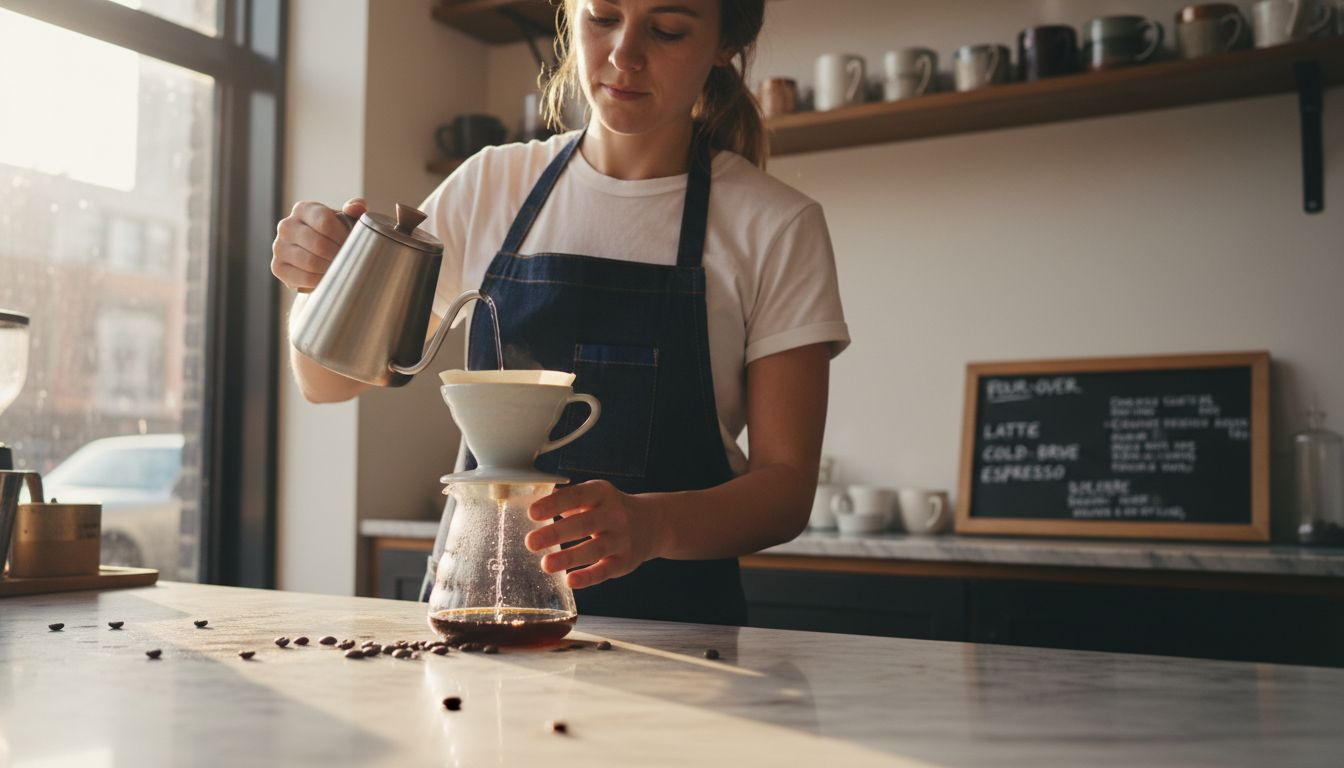
Choosing the right brewing method can transform your specialty coffee experience from ordinary to extraordinary. Many coffee lovers struggle to pick a brewing method that fully unlocks premium bean flavors. Pour-over has risen as the top recommendation for flavor clarity and specialty coffee expression. This article compares top brewing methods optimized for specialty coffee. You’ll learn how to select and use the best method based on flavor, control, ease, and context.
Table of Contents
- Selection Criteria For Choosing Coffee Brewing Methods
- Pour-Over Brewing Method
- French Press Brewing Method
- Espresso Brewing Method
- AeroPress Brewing Method
- Cold Brew Brewing Method
- Comparative Analysis Of Brewing Methods
- Situational Recommendations For Home Brewing
- Discover Specialty Coffees And Brewing Gear At House Coffee
- Frequently Asked Questions About Coffee Brewing Methods
Key Takeaways
| Point | Details |
|---|---|
| Selection criteria prioritize flavor clarity and extraction control | Ideal extraction yield is 18-22% with water at 195-205°F for balanced taste. |
| Pour-over excels in flavor clarity while French press offers full body | Pour-over allows precise water flow control highlighting delicate notes; French press retains oils for richness. |
| AeroPress and cold brew provide unique advantages | AeroPress brews in 1-3 minutes with portability; cold brew contains up to 67% more caffeine per serving. |
| Equipment costs vary widely by method | Espresso machines cost $300-$2000+ while pour-over kits run $20-$80. |
| Matching method to context optimizes your coffee experience | Choose based on flavor preference, lifestyle, budget, and brewing skill level. |
Selection Criteria for Choosing Coffee Brewing Methods
Understanding technical parameters helps you evaluate brewing methods effectively. Ideal extraction yield is between 18-22% for balanced flavor without bitterness or sourness. Water temperature matters significantly. Most methods require 195-205°F (90-96°C) to extract oils and soluble compounds properly.
Grind size and consistency directly impact extraction and taste. Finer grinds expose more surface area for faster extraction, while coarser grinds slow the process. Consider these factors when choosing your approach:
- Extraction yield range determines flavor balance
- Water temperature influences which compounds dissolve
- Grind consistency prevents uneven extraction
- Equipment cost affects accessibility
- Skill requirements impact learning curve
Pro Tip: Match your brewing method with roast level and bean origin for optimal results. Light roasts shine in pour-over, while darker roasts work well in French press.
Equipment cost and ease of use influence accessibility. Some methods require minimal investment and skill, making them beginner friendly. Others demand expensive machines and practice to master. When you brew specialty coffee for rich flavor, understanding these criteria helps you select coffee beans for brewing that complement your chosen method.
Pour-Over Brewing Method
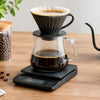
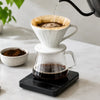
Manual water pour allows precise extraction control highlighting aroma and flavor. Pour-over coffee brewing offers high flavor clarity by precise control of water flow and bloom, allowing delicate notes of specialty beans to shine. This method produces clean, bright, and complex cups preferred by many enthusiasts.
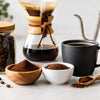
Popular devices like Hario V60, Chemex, and Kalita provide nuanced differences. The V60’s spiral ribs and large opening create faster flow and lighter body. Chemex’s thick filters remove oils for exceptional clarity. Kalita’s flat bottom promotes even extraction.
Brew time ranges between 2.5 to 4 minutes with optimal temperature of 195-205°F. The process involves these steps:
- Bloom grounds with twice their weight in water for 30-45 seconds
- Pour in slow, circular motions to maintain consistent water level
- Target total brew time based on your recipe and grind size
- Adjust pour rate to control extraction strength
Pro Tip: Use a gooseneck kettle for precise water control. Pour in stages rather than one continuous stream to manage extraction evenly.
This method requires practice but equipment is affordable and accessible. You can start with a basic setup under $50. The learning curve rewards you with exceptional flavor expression. When you pour-over specialty coffee brewing, understanding coffee brewing terminology helps you refine your technique.
French Press Brewing Method
Immersion brewing uses a metal mesh filter for full extraction of oils and flavors. French press immersion produces rich, heavy-bodied coffee retaining oils and sediment with steeping about 4 minutes. This technique creates bold, robust cups with pronounced mouthfeel.
Coarse grind and 4-minute steep produce the characteristic full body. The metal filter allows coffee oils and fine particles through, creating texture and depth. Water temperature around 200°F extracts flavors thoroughly during the extended contact time.
This method is best for drinkers who prefer rich, full-bodied coffee. The immersion process captures more of the bean’s natural oils compared to paper-filtered methods. You’ll taste more complexity and weight in every sip.
Equipment is low cost and simple but requires attention to grind size. French presses cost $15-$50 for quality models. The straightforward design has few parts to break or maintain. Consider these factors:
- Use coarse grind to prevent over-extraction and bitterness
- Preheat the carafe to maintain temperature stability
- Plunge slowly to avoid agitating settled grounds
- Decant immediately to stop extraction
Pro Tip: Set a timer for exactly 4 minutes. Over-steeping creates bitterness, while under-steeping yields weak, sour coffee.
The method leaves some sediment, offering a textured drinking experience. Some coffee lovers appreciate this characteristic, while others prefer cleaner cups. If you enjoy bold flavors and don’t mind a bit of texture, French press coffee brewing tips can help you master this classic technique.
Espresso Brewing Method
High-pressure extraction delivers concentrated, complex flavor unlike any other method. Espresso uses 9 bars of pressure to extract concentrated, complex shots in 25-30 seconds. This intense process creates signature crema and syrupy texture unique to espresso.
The method produces a small volume of intensely flavored coffee. Pressurized water forces through finely ground, compacted coffee, extracting oils, sugars, and aromatic compounds rapidly. The result is a layered, multidimensional shot with sweet, bitter, and acidic notes in balance.
Espresso is ideal for intense coffee lovers and milk-based drinks like cappuccinos. The concentrated base stands up to steamed milk without losing character. You can enjoy it straight as a shot or use it as the foundation for lattes, macchiatos, and other beverages.
The method requires costly machines and skilled operation for consistency. Home espresso machines cost $300 to $2000+, making it the priciest method to start with. Quality grinders add another $200-$500 to the investment. Mastering the variables takes time:
- Dial in grind size for proper extraction time
- Distribute and tamp grounds evenly
- Monitor shot timing and adjust parameters
- Manage water temperature and pressure
Short brew time of 25-30 seconds comes with a steep learning curve. Variables like grind fineness, dose weight, tamp pressure, and machine temperature all affect the final shot. Small changes create dramatic differences. When you espresso brewing specialty coffee, precision and practice become essential.
AeroPress Brewing Method
This hybrid approach uses immersion plus gentle hand-pressed pressure. AeroPress combines immersion and gentle pressure to brew a clean, balanced cup in 1-3 minutes. The method sits between pour-over and espresso, offering unique advantages of both styles.
Brewing time is quick, making it attractive for busy users. You can produce excellent coffee in under two minutes from start to finish. The fast process doesn’t sacrifice quality. Proper technique yields cups with good body, clarity, and complexity.
Portable design suits travel and casual use. The lightweight plastic construction weighs just a few ounces. You can pack it for camping, office, or trips without worrying about fragile glass or heavy equipment. It requires only hot water and ground coffee.
The method produces clean cups with good body and clarity. Paper filters remove oils and sediment while the pressure extracts flavors efficiently. You get pour-over clarity with more body than typical drip methods. The versatility is remarkable:
- Brew concentrate for americano-style drinks
- Use inverted method for longer steep times
- Experiment with different recipes and techniques
- Adjust variables easily to match bean characteristics
Highly adaptable to different coffee styles and strengths. The AeroPress community shares hundreds of recipes online. You can brew light, tea-like cups or strong, espresso-adjacent shots from the same device. When you explore AeroPress coffee brewing tips, you’ll discover why enthusiasts love this method’s flexibility.
Cold Brew Brewing Method
Cold steeping for 12-24 hours extracts smooth, low acidity coffee. The extended contact time at room temperature or refrigerated conditions pulls flavors slowly. This gentle process creates distinctly mellow character without the brightness or sharpness of hot brewing.
Cold brew coffee contains up to 67% more caffeine per serving compared to hot brewed coffee. The higher caffeine concentration comes from longer steeping and higher coffee-to-water ratios. You get a powerful kick alongside the smooth flavor profile.
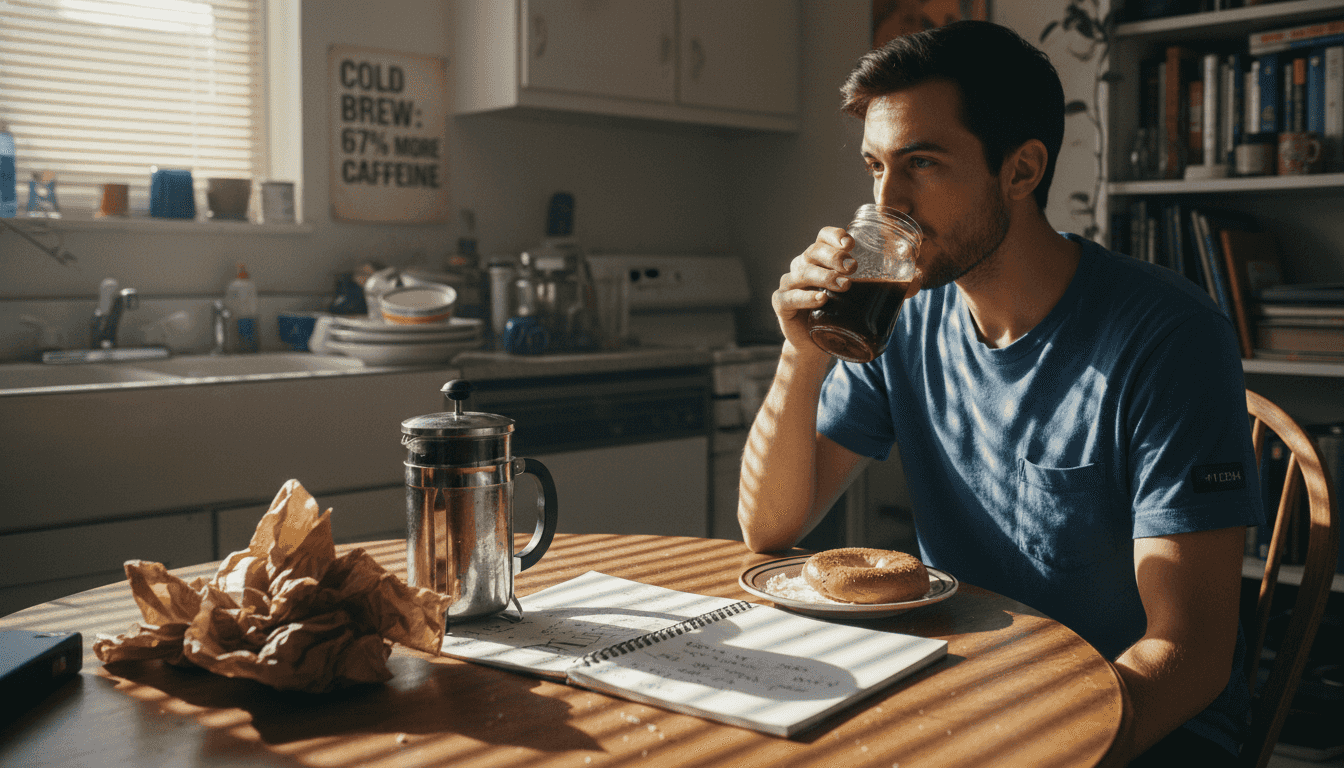
The method yields mellow flavor with high caffeine concentration. Cold extraction emphasizes chocolate, nut, and caramel notes while minimizing acidity and bitterness. The resulting concentrate can be diluted with water, milk, or served over ice. Many coffee lovers prefer this smoothness, especially during warm weather.
Cold brew is ideal for batch brewing and enjoying chilled drinks. Make a large batch on Sunday and enjoy it all week. The concentrate stays fresh in the refrigerator for up to two weeks. This convenience suits busy schedules perfectly.
The method requires patience and cold storage but minimal active brewing time. You’ll spend five minutes mixing grounds and water, then wait while time does the work. No monitoring or adjusting needed. Consider these points:
- Use coarse grind to prevent over-extraction
- Maintain 1:4 to 1:8 coffee-to-water ratio for concentrate
- Strain through fine mesh or coffee filters
- Store concentrate in sealed container
This choice is great for coffee lovers seeking smoothness and caffeine boost. If you appreciate mellow, refreshing coffee without acidity, cold brew coffee preparation offers an accessible entry point with minimal equipment investment.
Comparative Analysis of Brewing Methods
Understanding tradeoffs helps you make informed decisions. Pour-over offers bright flavor and aroma clarity while French press delivers richer body. Espresso provides highest intensity but demands significant skill and investment. Each method excels in different areas.
| Method | Flavor Profile | Equipment Cost | Brew Time | Skill Level | Best For |
|---|---|---|---|---|---|
| Pour-Over | Clean, bright, complex | $20-$80 | 2.5-4 min | Moderate | Flavor clarity, origin expression |
| French Press | Rich, full-bodied, textured | $15-$50 | 4 min | Easy | Bold, robust cups |
| Espresso | Intense, concentrated, layered | $300-$2000+ | 25-30 sec | Advanced | Strong shots, milk drinks |
| AeroPress | Clean, balanced, versatile | $30-$40 | 1-3 min | Easy | Travel, experimentation |
| Cold Brew | Smooth, mellow, low-acid | $20-$50 | 12-24 hrs | Easy | Batch prep, high caffeine |
Espresso machines range from $300 to $2000+ while pour-over kits cost $20-$80, reflecting accessibility differences. French press and AeroPress offer the lowest barriers to entry. Cold brew requires only a container and filter, making it extremely affordable.
Espresso provides intensity with highest skill and cost demands. You’ll invest significant money and time to achieve consistent results. The payoff is unmatched concentration and the ability to create café-quality drinks at home. AeroPress blends ease and versatility with moderate investment. For under $40, you get a method that travels well and produces excellent coffee with minimal learning curve.
Cold brew offers unique caffeine and smooth profile but requires long prep. The 12-24 hour steeping period demands planning ahead. However, the hands-off process and batch capability make it convenient once you establish a routine. Key considerations include:
- Flavor clarity versus body tradeoffs guide method selection
- Equipment investment ranges from $15 to $2000+
- Brew times span 30 seconds to 24 hours
- Skill requirements vary from beginner to advanced
- Each method suits different contexts and preferences
Understanding these differences helps you tailor brewing choice to personal needs. Consider your coffee flavor profiles preference and choose coffee beans by brew method to optimize your experience.
Situational Recommendations for Home Brewing
Matching method to context ensures optimal results every time. Pour-over is best for flavor clarity and origin expression when you want to highlight terroir and delicate notes. This approach showcases what makes specialty coffee special. French press suits full-bodied coffee lovers who appreciate richness and texture.
Here are scenario-based recommendations:
- For highlighting single-origin specialty beans: Choose pour-over to reveal nuanced flavors and aromatics that distinguish premium coffee.
- For rich morning ritual with bold flavor: Select French press for full extraction of oils and satisfying body.
- For espresso-based drinks at home: Invest in espresso equipment if you’re committed to mastering the craft and enjoy milk beverages.
- For quick brewing while traveling: Pack an AeroPress for portable, flexible coffee wherever you go.
- For smooth, refreshing summer coffee: Prepare cold brew batches for convenient, high-caffeine cold drinks all week.
- For experimenting with recipes: Use AeroPress to test different techniques and variables easily.
- For entertaining guests: Brew French press for simple, impressive coffee that serves multiple people.
Pro Tip: Own multiple brewing methods to match different contexts. Use pour-over for weekend morning rituals, AeroPress for workday speed, and cold brew for afternoon refreshment.
Espresso best suits those wanting strong, complex flavor and milk-based drinks. The investment makes sense if you regularly consume cappuccinos or lattes. AeroPress suits users needing quick, portable, and flexible brewing for varied situations. Cold brew is ideal for smooth, high-caffeine cold coffee batches when you want to prep ahead.
When you choose brewing method for flavor, consider your daily routine, flavor preferences, and willingness to invest time and money. The right method enhances your coffee experience significantly.
Discover Specialty Coffees and Brewing Gear at House Coffee
Now that you understand which brewing method suits your preferences, finding the right beans and equipment makes all the difference. House Coffee offers ethically sourced, single-origin specialty beans roasted to highlight each method’s strengths. Our curated selection ensures you’ll taste the flavor clarity, body, or intensity you’re seeking.
Explore our collections to shop specialty coffee matched to your brewing style. Whether you need light roasts for pour-over or bold beans for French press, we’ve sourced premium options. Looking to supply your café or office? Check out our wholesale specialty coffee program for bulk pricing. Access detailed guides on brewing specialty coffee tips to refine your technique with professional insights. Our team curates products and knowledge to enhance your artisanal coffee journey from bean selection through the final sip.
Frequently Asked Questions about Coffee Brewing Methods
What grind sizes suit each brewing method best?
Pour-over requires medium-fine grind similar to table salt for optimal flow rate. French press needs coarse grind like sea salt to prevent over-extraction and sediment. Espresso demands very fine, powdery grind for proper resistance. AeroPress works with medium to fine grind depending on your recipe.
How does water temperature affect extraction and taste?
Water at 195-205°F extracts balanced flavors from most methods. Too hot (above 205°F) pulls bitter compounds and harsh tannins. Too cool (below 195°F) under-extracts, creating sour, weak coffee. Cold brew uses room temperature or cold water for 12-24 hours to extract smooth, mellow flavors without heat.
Can I use the same coffee beans for all brewing methods?
Yes, but results vary significantly by roast level and method pairing. Light roasts shine in pour-over, revealing origin characteristics. Medium to dark roasts work better in French press and espresso, providing body and sweetness. Match your beans to your method for optimal flavor expression, or experiment to discover your specialty coffee brewing tips preferences.
Which method is easiest for beginners without equipment investment?
French press offers the simplest technique with lowest cost ($15-$50) and minimal skill requirement. AeroPress runs slightly more ($30-$40) but stays beginner-friendly with fast learning curve. Both produce excellent coffee without expensive grinders or precise technique demanded by espresso or even pour-over.
How does brewing method affect caffeine levels in the cup?
Cold brew delivers highest caffeine due to extended steeping and concentrated ratios. Espresso has high caffeine per ounce but small serving size limits total intake. French press and pour-over provide moderate caffeine with standard ratios. Brew time, grind size, and coffee-to-water ratio impact caffeine more than method alone.
Recommended
-
Posted in
best coffee brewing methods, en