Specialty Coffee Terminology: Enhance Your Coffee Journey

Every cup of specialty coffee tells a more intricate story than meets the eye, shaped by everything from bean variety and origin to the method of processing and vocabulary used by professionals. For coffee enthusiasts eager to create exceptional brews at home, gaining a clear grasp of specialty coffee terminology is a practical first step. By exploring these definitions, you will uncover how precise language elevates your understanding and empowers you to craft more memorable cups every day.
Table of Contents
- What Defines Specialty Coffee Terminology
- Types of Beans and Coffee Processing Terms
- Flavor Profiles, Notes, and Grading Explained
- Critical Industry Terms for At-Home Baristas
- Common Misconceptions and Avoidable Mistakes
Key Takeaways
| Point | Details |
|---|---|
| Specialty Coffee Quality | Specialty coffee is defined by rigorous grading standards, origin traceability, flavor complexity, and sustainable sourcing practices. |
| Bean Varieties | The two main coffee bean species, Arabica and Robusta, offer distinct flavor profiles that influence the overall coffee experience. |
| Flavor Evaluation | Professional cupping evaluates coffee based on aroma, taste, body, acidity, and aftertaste, using a 100-point scale for quality grading. |
| Myths vs. Reality | Common misconceptions in specialty coffee can hinder brewing quality; understanding proper storage and grinding is crucial for optimal flavor. |
What Defines Specialty Coffee Terminology
Specialty coffee represents an elevated approach to understanding and experiencing coffee beyond traditional mass-produced beverages. Unlike commercial coffee products, specialty coffee is distinguished by rigorous quality standards, meticulous sourcing practices, and a profound commitment to flavor complexity and origin integrity.
The term “specialty coffee” encompasses several critical dimensions that set it apart from ordinary coffee consumption. These key characteristics include:
- Grading Standards: Beans must score 80 points or higher on a 100-point scale by professional coffee graders
- Origin Traceability: Precise documentation of coffee’s geographical source, including specific farm, region, and cultivation methods
- Flavor Profile Complexity: Nuanced taste characteristics reflecting unique terroir and processing techniques
- Sustainable Sourcing: Ethical procurement practices that support coffee farming communities
Understanding these intricate definitions of specialty coffee quality requires deep knowledge of coffee’s journey from seed to cup. Professional coffee experts meticulously evaluate beans through sensory analysis, examining attributes like aroma, flavor intensity, acidity, body, and aftertaste.
Specialty coffee enthusiasts recognize that each bean tells a unique story. The terminology reflects not just a beverage, but a comprehensive narrative of agricultural craft, cultural heritage, and extraordinary flavor potential. This approach transforms coffee from a simple commodity into an artisanal experience that celebrates global diversity and exceptional craftsmanship.
Pro tip: Start developing your specialty coffee vocabulary by tasting single-origin beans and documenting their distinct flavor notes and characteristics.
Types of Beans and Coffee Processing Terms
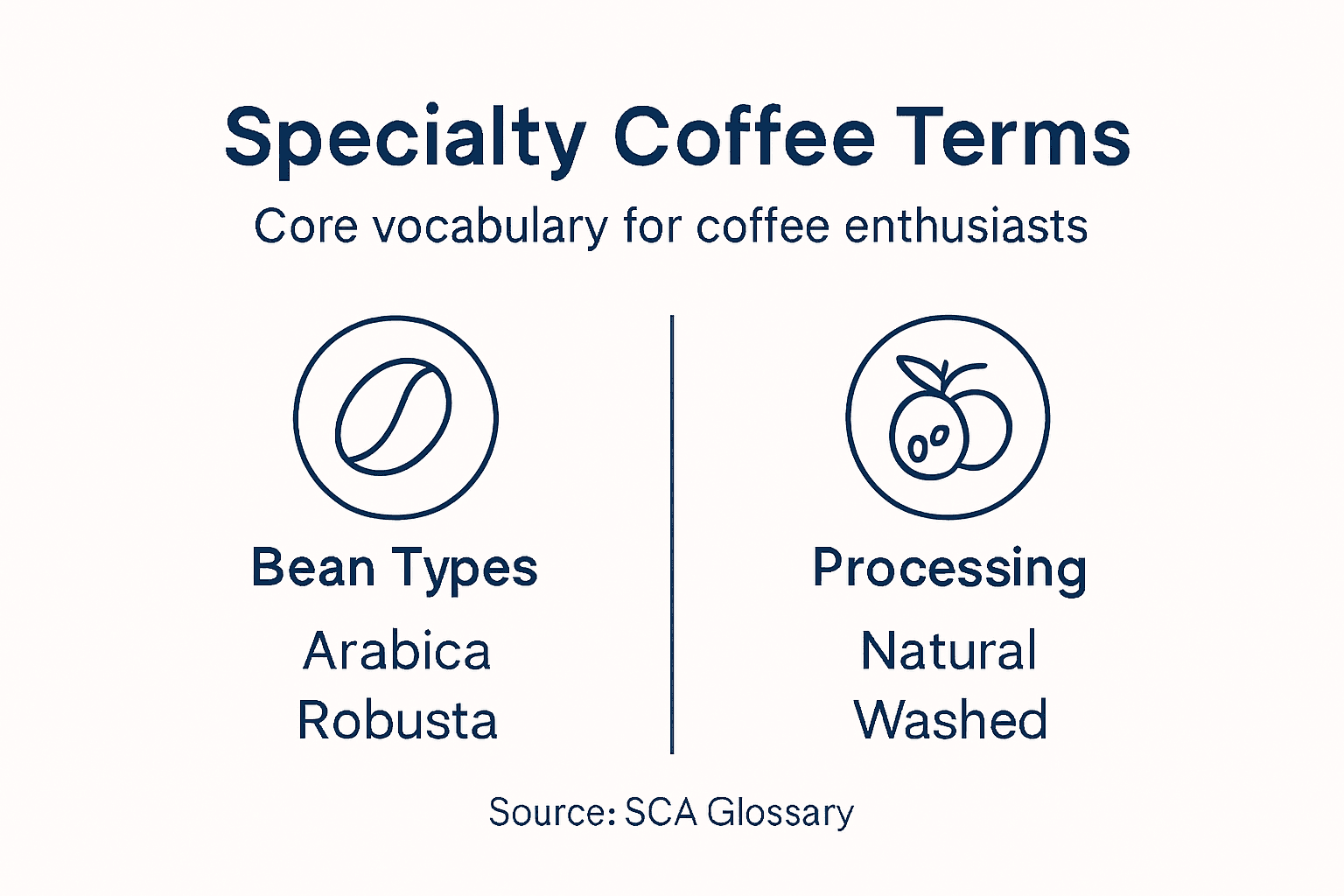
Specialty coffee encompasses a fascinating world of bean varieties and processing methods that dramatically influence flavor, quality, and overall drinking experience. At the core of specialty coffee are two primary bean species: Arabica and Robusta, each offering distinct characteristics that define their unique sensory profiles.
The main coffee bean varieties include:
- Arabica: Known for complex, nuanced flavors with lower caffeine content
- Robusta: Characterized by higher caffeine levels and a stronger, more bitter taste
- Typica: An heirloom Arabica variety prized for its exceptional cup quality
- Bourbon: A classic Arabica variety producing sweet, balanced flavors
Coffee processing techniques play a crucial role in developing a bean’s final flavor profile. The primary processing methods include:
- Natural/Dry Processing: Beans dried entirely with fruit intact, creating intense, fruity flavors
- Washed Processing: Fruit removed before drying, resulting in cleaner, more acidic taste
- Honey Processing: Partial fruit removal, producing a balanced sweetness
- Anaerobic Fermentation: Specialized method involving oxygen-free environments to develop unique flavor compounds
Professional coffee experts meticulously analyze these processing techniques, recognizing that each method fundamentally transforms the bean’s chemical composition and sensory attributes. The intricate relationship between bean variety, origin, and processing method creates a complex flavor narrative that specialty coffee enthusiasts deeply appreciate.
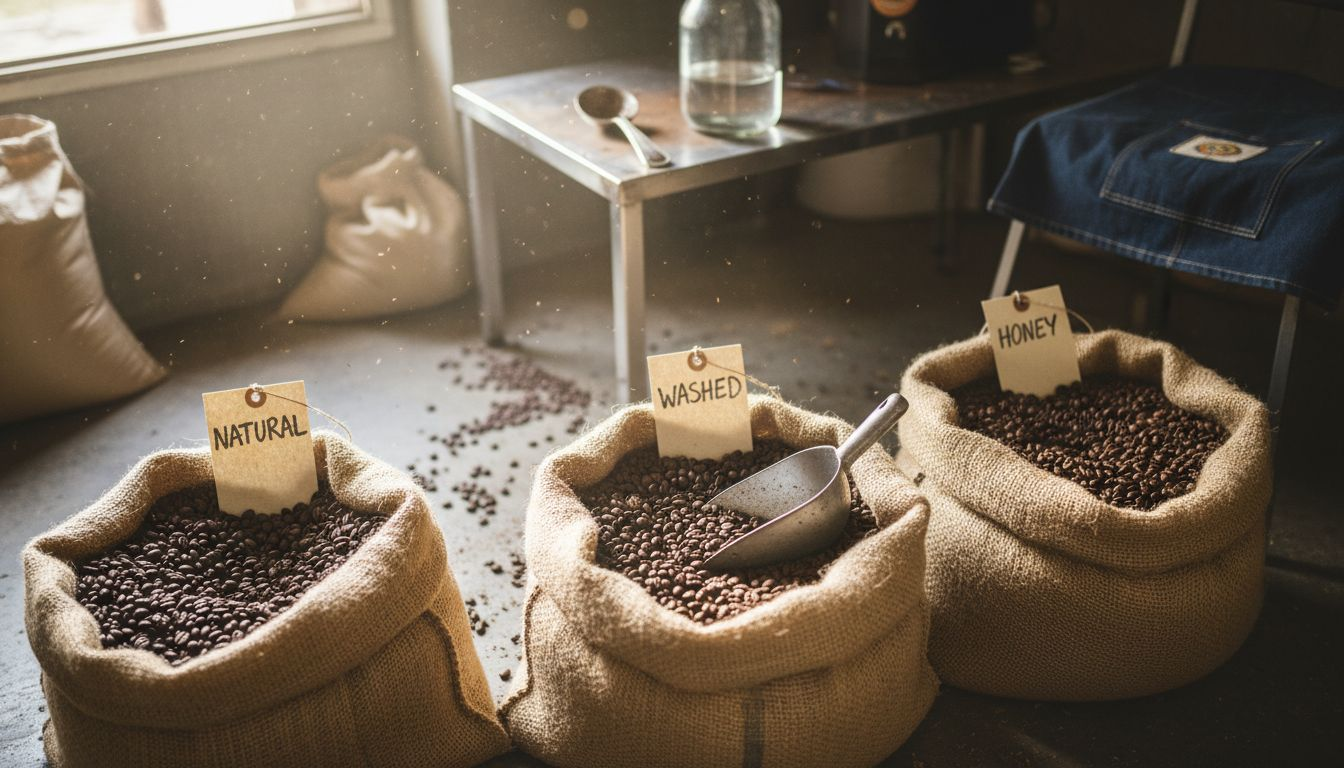
The table below highlights core differences in coffee processing methods and their flavor results:
| Method | Processing Characteristics | Resulting Flavor Style |
|---|---|---|
| Natural/Dry | Beans dried with full fruit | Bold, fruity, complex |
| Washed | Fruit removed before drying | Clean, crisp, bright |
| Honey | Partial fruit left during drying | Balanced, sweet, juicy |
| Anaerobic Fermentation | Fermented in oxygen-free tanks | Exotic, intense, unique |
Here’s a quick summary comparing major coffee bean varieties:
| Variety | Origin Traits | Flavor Characteristics | Notable Strengths |
|---|---|---|---|
| Arabica | Grows at high altitudes | Complex, bright, nuanced | Superior cup quality |
| Robusta | Thrives in lowlands | Strong, earthy, bitter | High caffeine, resilient |
| Typica | Original Arabica lineage | Subtle, smooth, clean | Parent to many hybrids |
| Bourbon | Developed from Typica | Sweet, balanced, full-bodied | Enhanced flavor sweetness |
Pro tip: Experiment with beans from different processing methods to develop a nuanced understanding of how processing impacts coffee’s final taste profile.
Flavor Profiles, Notes, and Grading Explained
Specialty coffee presents a sensory journey far beyond simple beverage consumption, with flavor profiles representing a complex landscape of taste, aroma, and nuanced characteristics. Professional coffee experts meticulously evaluate these profiles using standardized sensory assessment techniques that transform coffee tasting into a sophisticated art form.
The key components of a coffee’s flavor profile include:
- Aroma: The olfactory experience before and during tasting
- Taste: Primary flavor sensations detected on the palate
- Body: The physical sensation and weight of coffee in the mouth
- Acidity: Brightness and crisp quality of the flavor
- Aftertaste: Lingering flavor impressions after swallowing
Coffee flavor evaluation involves a systematic approach to identifying and categorizing taste notes. These notes range from fruity and floral to nutty and chocolatey, creating a complex flavor landscape that reflects the bean’s origin, processing, and roasting techniques.
The Specialty Coffee Association’s grading system provides a rigorous framework for assessing coffee quality. Beans are scored on a 100-point scale, with specialty coffees requiring a minimum score of 80 points. Professional cuppers examine multiple attributes, including flavor intensity, balance, uniformity, and overall quality to determine a coffee’s ultimate designation and market value.
Specialty coffee grading is both an art and a science, transforming subjective taste into objective measurement.
Pro tip: Develop your palate by systematically tasting coffees from different origins and documenting the unique flavor notes you detect in each cup.
Critical Industry Terms for At-Home Baristas
Navigating the world of specialty coffee requires mastering a unique language that transforms casual brewing into a sophisticated craft. Barista terminology bridges the gap between professional techniques and home brewing, empowering enthusiasts to speak the language of coffee with confidence and precision.
Key industry terms every at-home barista should understand include:
- Bloom: The initial degassing of fresh coffee grounds when hot water is first added
- Extraction: The process of pulling flavor compounds from coffee grounds
- Crema: The golden-brown foam that forms on top of an espresso shot
- Dialing In: Adjusting brewing variables to achieve optimal flavor
- Tamping: Compressing ground coffee evenly in an espresso portafilter
Professional brewing equipment and techniques require specific knowledge. Understanding terms like burr grinder, pour-over, and AeroPress allows home brewers to experiment with different brewing methods and elevate their coffee preparation skills.
Mastering coffee terminology is not just about words—it’s about understanding the intricate science behind every delicious cup.
Advanced baristas recognize that each term represents a complex interaction between coffee, water, temperature, and technique. From understanding grind size variations to perfecting extraction time, these terms provide a roadmap to creating exceptional coffee at home.
Pro tip: Create a personal coffee journal to track brewing terms, techniques, and flavor notes as you explore different brewing methods.
Common Misconceptions and Avoidable Mistakes
The world of specialty coffee is riddled with myths and misconceptions that can significantly impact brewing quality and overall coffee experience. Coffee processing challenges reveal that many enthusiasts operate under false assumptions that compromise their ability to create exceptional brews.
Common misconceptions in specialty coffee include:
- Myth: All expensive coffee is automatically high-quality
- Reality: Price does not guarantee superior flavor or ethical sourcing
- Myth: Darker roasts mean stronger coffee
- Reality: Darker roasts often mask bean’s original flavor characteristics
- Myth: Coffee beans stay fresh indefinitely
- Reality: Beans lose optimal flavor within weeks of roasting
- Myth: Grinding coffee far in advance is acceptable
- Reality: Ground coffee oxidizes quickly, losing complex flavor notes
Professional coffee experts understand that successful brewing requires dispelling these widespread myths. Many home brewers mistakenly believe that expensive equipment or premium beans automatically guarantee an outstanding cup, but technique and understanding are equally crucial.
Specialty coffee is a craft that demands continuous learning and willingness to challenge existing beliefs.
Understanding the nuanced relationship between bean origin, processing method, and brewing technique helps coffee enthusiasts avoid common pitfalls. Proper storage, precise grinding, and thoughtful brewing techniques are far more important than simply purchasing expensive equipment.
Pro tip: Invest in a small coffee journal to track your brewing experiments, noting variables like grind size, water temperature, and bean origin to systematically improve your skills.
Elevate Your Specialty Coffee Experience with House Coffee
Mastering specialty coffee terminology is the first step toward transforming your daily brew into an extraordinary ritual. Whether you are eager to understand bean varieties like Arabica and Bourbon or want to explore complex processing methods such as anaerobic fermentation, embracing this knowledge opens the door to deeper enjoyment and richer flavors. At House Coffee, we understand that exploring coffee vocabulary is not just about words but about connecting with the origin and craft behind every cup.
Discover our carefully curated collections like the Gold Collection and the Limited Edition to taste distinct single-origin coffees that bring those flavor notes and processing stories to life.
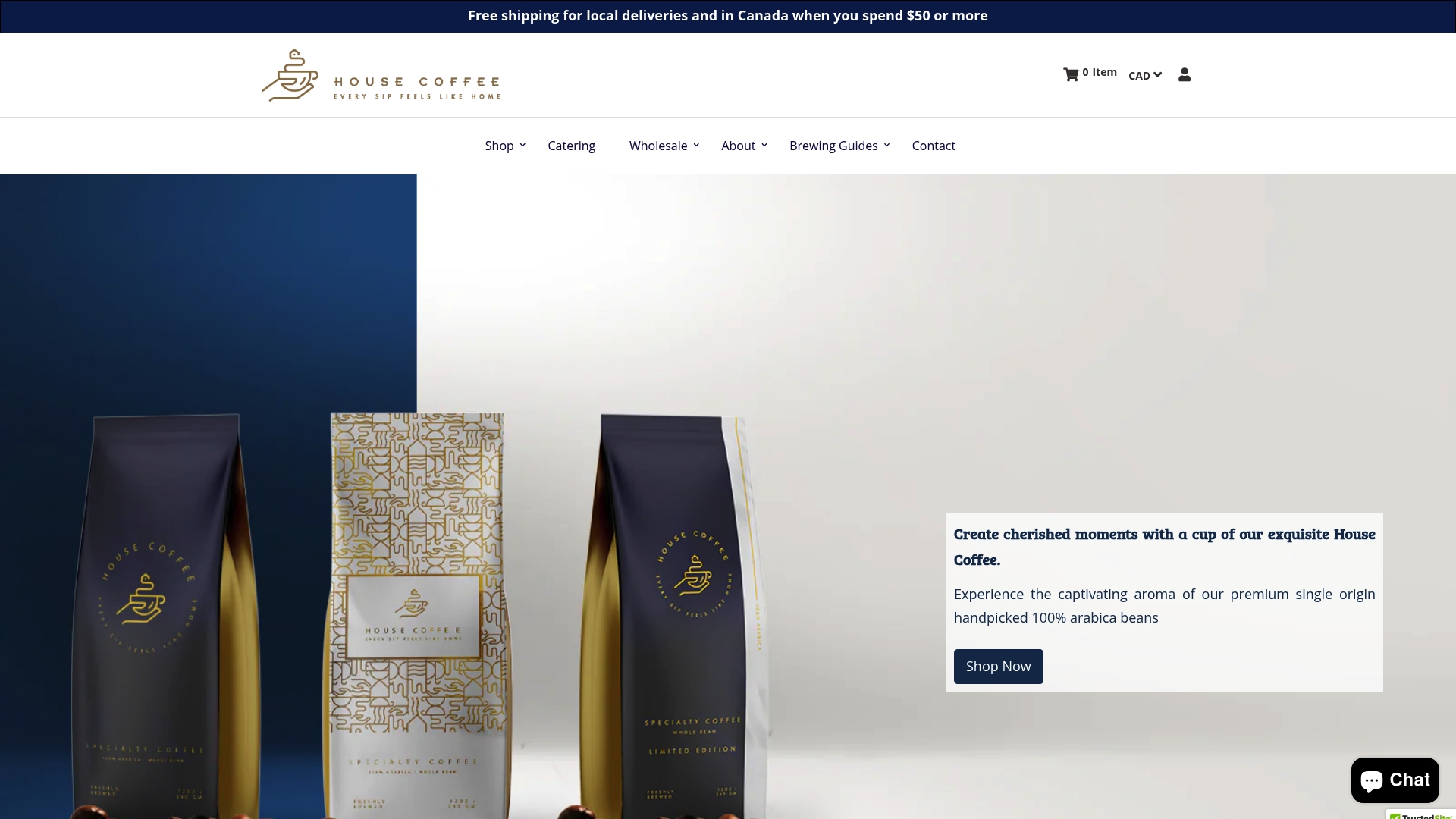
Start your journey today by exploring premium, ethically sourced beans that reflect the true spirit of specialty coffee. Visit House Coffee, enhance your coffee vocabulary through firsthand experience, and savor the richness of a perfectly crafted cup. Act now to elevate your home brewing skills and immerse yourself in the world of luxury artisanal coffee.
Frequently Asked Questions
What is specialty coffee?
Specialty coffee refers to coffee that meets rigorous quality standards, with beans scoring 80 points or higher on a 100-point scale. It emphasizes flavor complexity, ethical sourcing, and traceability to specific origins.
What are the different types of coffee beans used in specialty coffee?
The main types of coffee beans used in specialty coffee are Arabica and Robusta, with Arabica being known for its complex flavors and lower caffeine content, while Robusta has a stronger taste and higher caffeine levels. Heirloom varieties like Typica and Bourbon also play a significant role in creating unique flavor profiles.
How do processing methods affect the flavor of coffee?
Processing methods, such as natural, washed, honey, and anaerobic fermentation, significantly influence a coffee bean’s final flavor profile. For instance, natural processing leads to bold, fruity flavors, while washed processing typically results in a cleaner, more acidic taste.
What key terms should I know as an at-home barista?
Essential terms for at-home baristas include bloom, extraction, crema, dialing in, and tamping. Understanding these concepts can enhance coffee brewing skills and help achieve optimal flavor results.
Recommended
-
Posted in
en, specialty coffee terminology