Why Choose Specialty Coffee – Taste, Ethics, Impact
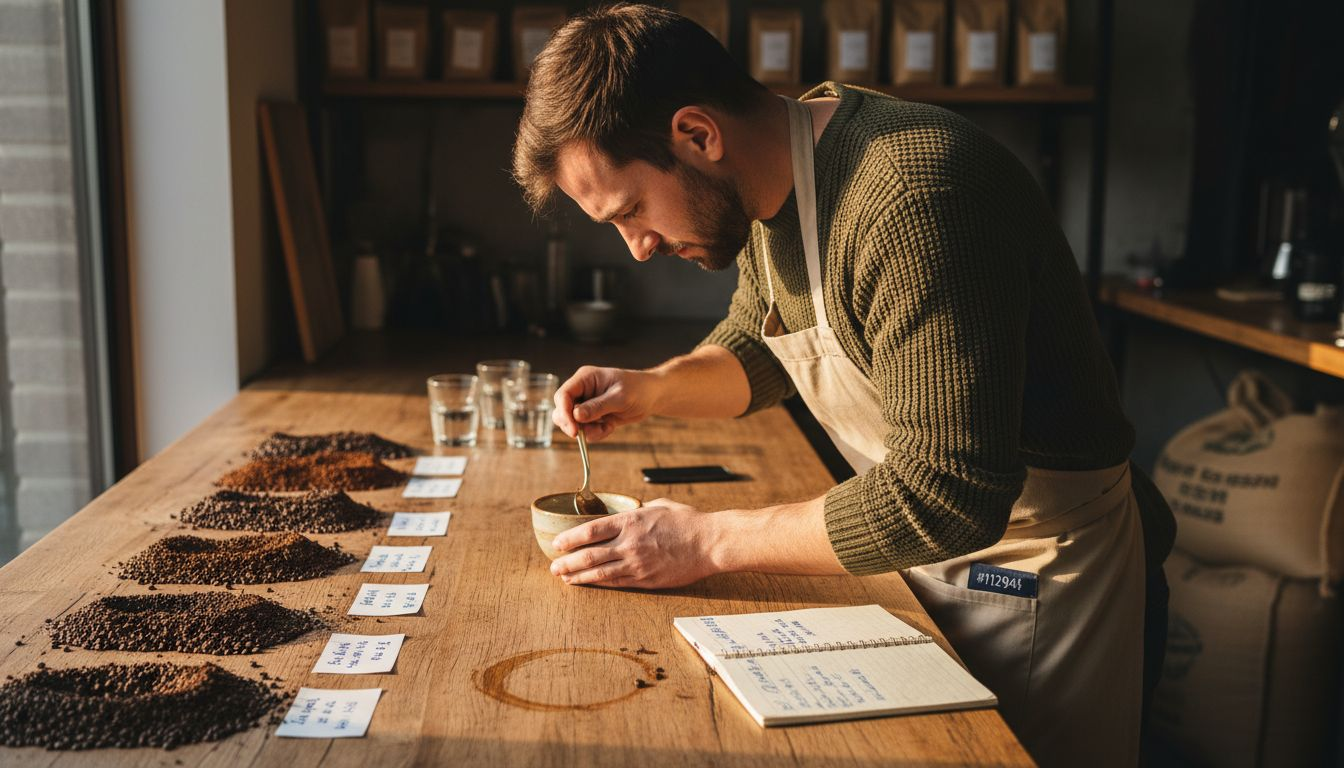
Opening a fresh bag of specialty coffee reveals more than enticing aroma—it is the result of meticulous care and exacting standards at every step. For passionate urban coffee lovers, quality means more than taste. The Specialty Coffee Association (SCA) sets benchmarks: only coffee scoring 80 points or higher on a 100-point scale earns the specialty title. Beyond scoring, the journey involves precise farming, hand-picking beans with minimal defects, and a supply chain built on ethical sourcing and distinct origin flavors. Discover how true specialty coffee brings exceptional experiences right to your home.
Table of Contents
- What Defines Specialty Coffee Quality
- Single Origin Vs. Commercial Blends
- Ethical Sourcing And Freshness Matters
- Taste Profiles And Brewing Advantages
- Comparing Specialty And Mainstream Coffee
Key Takeaways
| Point | Details |
|---|---|
| Specialty Coffee Grading | Coffee must score 80 points or above on a 100-point scale and have minimal defects to earn the specialty designation. |
| Single-Origin vs. Blends | Single-origin coffee reflects unique flavor profiles based on specific locations, while commercial blends prioritize consistency across batches. |
| Ethical Sourcing | Choosing specialty coffee supports fair wages and sustainable practices for farmers, promoting integrity within the supply chain. |
| Brewing Impact | The method of brewing specialty coffee influences flavor extraction; therefore, proper technique is essential for showcasing its unique qualities. |
What Defines Specialty Coffee Quality
Specialty coffee isn’t just marketing jargon. The Specialty Coffee Association (SCA) has set specific, measurable standards that separate truly exceptional coffee from everything else. A coffee earns the “specialty” designation by scoring 80 points or above on a rigorous 100-point grading scale. Below that threshold, it’s simply regular coffee, no matter how it’s packaged or priced.
The standards go beyond taste alone. Specialty coffee grading requires hand-picked beans with minimal defects—no more than 5 defects per 350 grams of milled beans. Think about what that means: someone literally inspected and selected your coffee by hand. Defects include things like black beans, moldy beans, stones, or chips that would ruin the flavor profile. This level of care starts in the field and continues through every step of processing.
Quality extends across the entire supply chain, not just what’s in your cup. Farmers must employ precise farming methods and careful harvesting techniques to produce coffee with distinctive flavor characteristics that reflect the microclimate where it grew. The Coffee Quality Institute works globally with farmers and roasters to maintain these standards, emphasizing training and education so producers understand why quality matters at every stage.
Water quality and brewing strength matter too. The SCA sets standards for these variables because they directly impact the final cup. A perfectly graded specialty coffee can taste mediocre if brewed with poor water or incorrect technique. This is why specialty coffee demands respect from both producer and consumer.
Sensory evaluation forms the backbone of specialty grading. Certified cuppers (professional tasters) evaluate everything: acidity, body, flavor notes, aftertaste, and balance. They’re trained to identify subtle differences that distinguish a coffee from Ethiopia’s Yirgacheffe region from one grown in Colombia’s Huila province. These aren’t subjective opinions—they’re standardized assessments against established benchmarks.
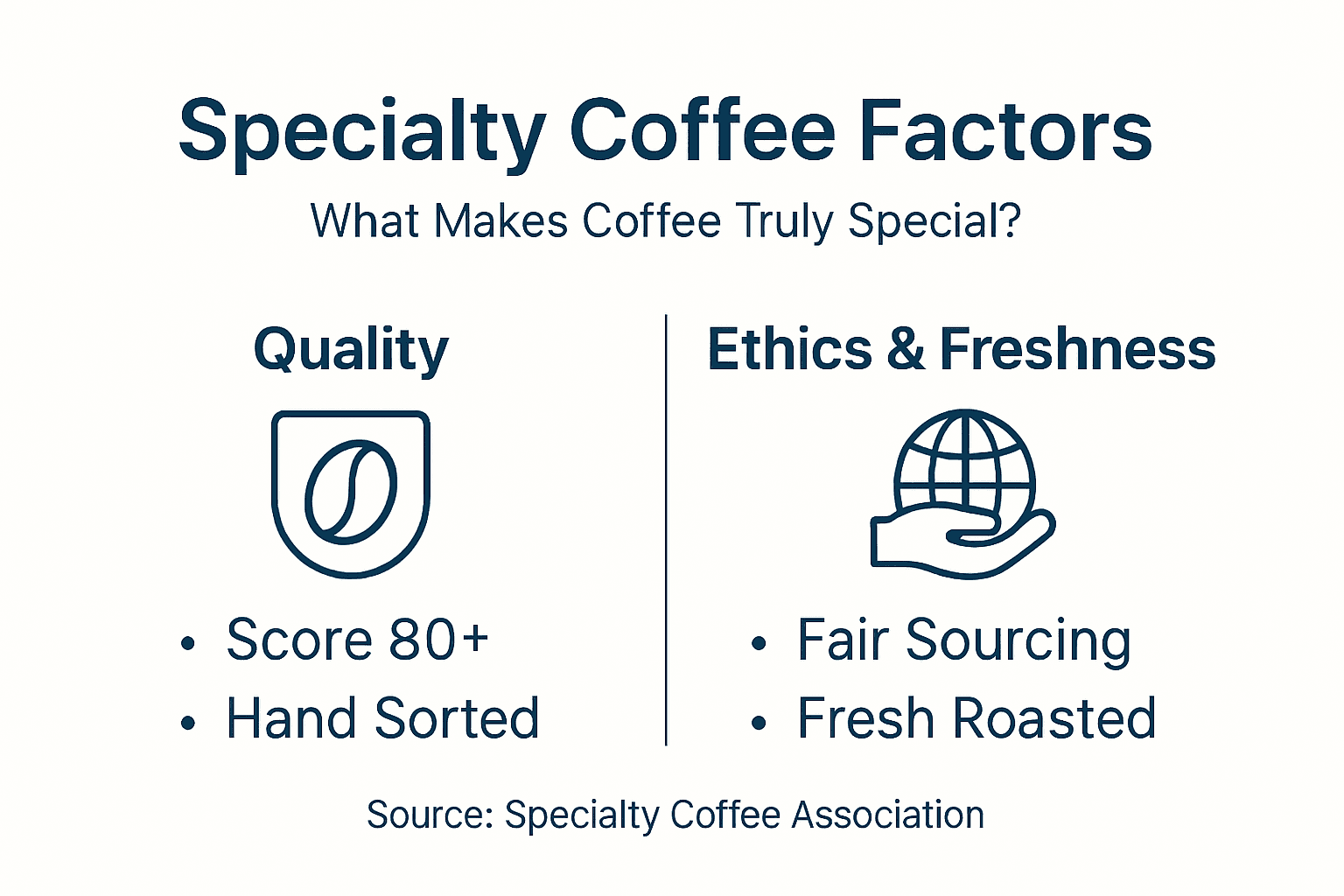
Pro tip: When shopping for specialty coffee, look for the score on packaging or product descriptions. Anything scored 85 points or higher typically represents exceptional quality, while 80-84 offers solid specialty-grade coffee at a better price point.
Single Origin vs. Commercial Blends
Single-origin and commercial blends represent two fundamentally different approaches to coffee. Single-origin coffee comes from one specific place—a country, region, farm, or even a micro-lot within a farm. This specificity matters because it allows you to taste the unique character of that exact location. Commercial blends, by contrast, combine beans from multiple regions to create consistency and balance across batches.
Why does this distinction matter for your daily cup? Single-origin coffees showcase what specialists call terroir: the unique flavors that come from altitude, climate, soil type, and processing methods in that specific location. An Ethiopian Yirgacheffe tastes nothing like a Colombian Huila, and that’s intentional. These coffees celebrate difference. Commercial blends prioritize sameness. Roasters blend beans strategically to deliver the same flavor profile week after week, which appeals to mass-market consumers who want predictability.
Single-origin varietals are prized precisely because their distinctive flavors reflect specific genetic traits combined with unique growing conditions. When you buy single-origin specialty coffee, you’re getting the unfiltered expression of a place and its farmers’ skill. You taste the story. With commercial blends, that story gets diluted across multiple origins, smoothing out the distinctive notes that make specialty coffee exciting.
Transparency differs dramatically between the two. Single-origin packaging typically includes the farm name, altitude, harvest date, and processing method. You know exactly what you’re getting and where it came from. Commercial blends often list only the blend name and a vague description like “smooth and balanced.” This opacity works for mass production but conflicts with the specialty coffee movement’s emphasis on traceability and farmer relationships.
Price reflects this difference too. Single-origin specialty coffees cost more because farmers receive better compensation, and the supply chain demands careful handling at each stage. Commercial blends prioritize volume and consistency over individual coffee quality, keeping prices lower but also keeping farmers’ earnings modest.
The choice comes down to what you value. Single-origin coffees reward exploration and complexity. Blends offer stability and approachability. Many coffee lovers eventually prefer single-origins once they experience how dramatically location changes flavor.
Here’s a summary of how single-origin coffees differ from commercial blends:
| Feature | Single-Origin Coffee | Commercial Blends |
|---|---|---|
| Source Transparency | Specific farm and region | General region, no farm name |
| Flavor Profile | Unique, location-driven | Consistent, balanced across batches |
| Price & Farmer Earnings | Higher, with better compensation | Lower, volume-focused, modest earnings |
| Packaging Details | Includes altitude, harvest date, processing | Blend name, vague description only |
| Appeal | Distinctive, for exploration | Predictable, for mass-market consumers |
Pro tip: Start with a well-reviewed single-origin coffee from a specialty roaster, then taste the same origin from different roasters to understand how roasting style influences flavor alongside terroir.
Ethical Sourcing and Freshness Matters
When you buy specialty coffee, you’re making a choice about who benefits from your purchase. Ethical sourcing means the farmers who grew your beans received fair compensation, worked in safe conditions, and farmed sustainably. This isn’t charity. It’s recognizing that exceptional coffee requires exceptional care from start to finish, and that care deserves fair payment.
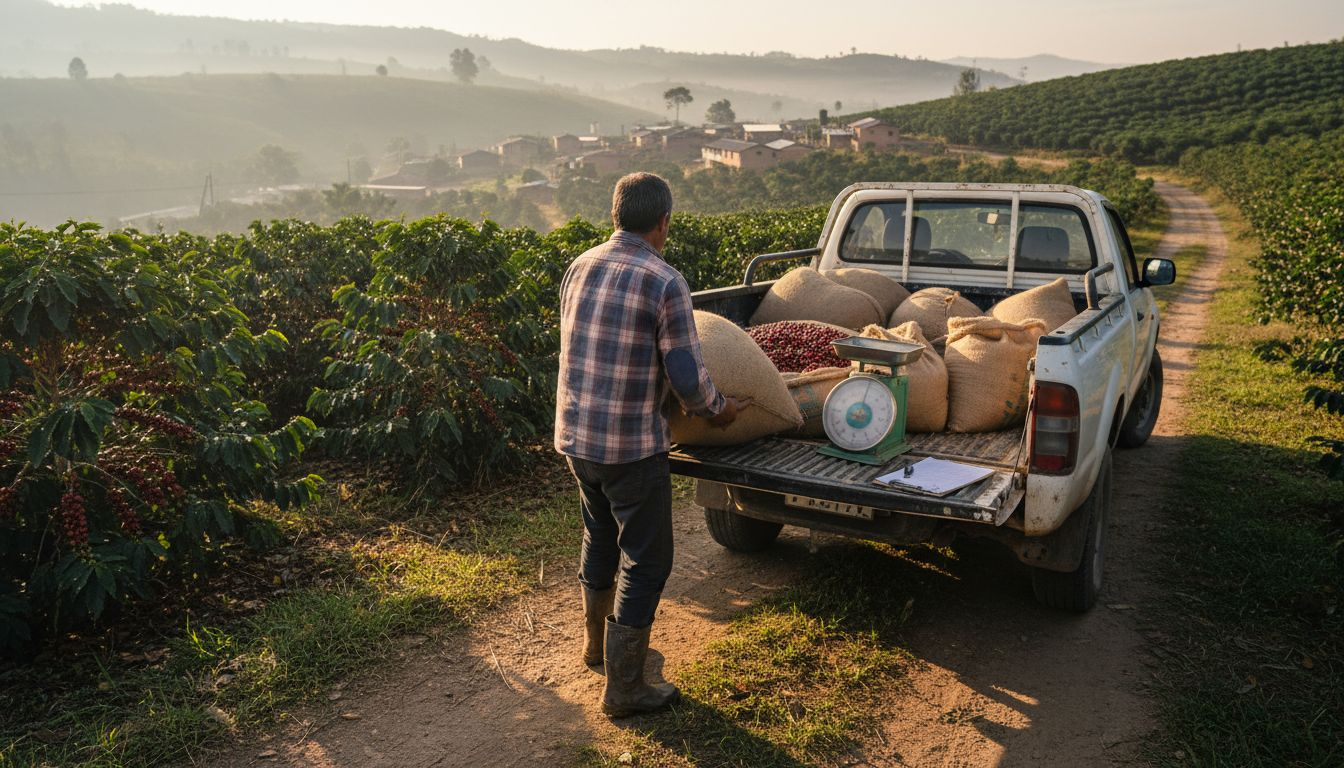
The coffee supply chain historically exploited farmers. Middlemen bought beans cheaply from struggling producers, then sold them at massive markups. Specialty coffee flipped this model. Direct relationships between roasters and farms ensure farmers know exactly what their coffee will earn before they harvest. Transparent pricing removes the guesswork and lets small producers plan for the future.
Ethical sourcing in supply chains addresses human rights, fair wages, and environmental sustainability simultaneously. When you choose ethically sourced coffee, you’re supporting farms that avoid exploitative labor practices, treat workers fairly, and manage land responsibly. These aren’t abstract values. They directly impact the people and ecosystems that produce your morning coffee.
Freshness matters just as much as ethics. Coffee begins deteriorating the moment it’s roasted. The aromatic compounds that create flavor fade over time, especially when exposed to light, heat, or air. Specialty roasters roast in small batches and ship quickly, getting beans to you while they’re still vibrant. Mass-market coffee sits in warehouses for months, losing character with every passing week.
You can taste the difference immediately. Fresh specialty coffee produces a rich crema, complex flavor notes, and a clean finish. Stale coffee tastes flat, one-dimensional, and bitter. The origin story that makes specialty coffee exciting simply vanishes over time.
When you prioritize both ethics and freshness, you’re not paying extra for luxury. You’re paying for integrity. The farmer receives fair compensation. You receive coffee at peak flavor. The environment suffers less damage. This alignment of interests is what specialty coffee represents.
Pro tip: Check the roast date on packaging and buy coffee roasted within the past two weeks, then use it within four weeks of the roast date for optimal freshness and flavor complexity.
Taste Profiles and Brewing Advantages
Specialty coffee’s complexity only reveals itself through proper brewing. The same Ethiopian single-origin bean tastes completely different when you brew it with a pour-over versus a French press. Each method extracts flavors differently, and understanding this gives you control over your experience.
Different brewing methods significantly influence flavor and aroma profiles. Cold brew produces milder, sweeter, and fruitier notes because cold water extracts slower and less aggressively. Drip coffee pulls out stronger, roasted characteristics. French press leaves fine particles in the cup, creating a fuller body and deeper bitterness. None of these is wrong. Each approach simply highlights different aspects of the same coffee.
Pour-over brewing offers exceptional clarity. Water passes through grounds just once, allowing you to taste the coffee’s origin story with remarkable precision. The brightness of an Ethiopian coffee shines through. The caramel sweetness of a Colombian becomes unmistakable. This method requires more attention and technique, but specialty coffee enthusiasts prefer it precisely because it doesn’t mask or muffle the beans’ unique character.
Espresso demands the most from both coffee and equipment. Pressurized hot water forces through finely ground beans in seconds, creating concentrated shots with thick crema. This intensity can be spectacular with quality beans, but it also amplifies any defects. Stale or poorly roasted coffee becomes immediately obvious in espresso.
The grind size, water temperature, and contact time all matter tremendously. Brewing coffee involves optimizing grind size, water quality, and temperature to extract flavors maximally. Coarse grinds suit French press. Medium grinds work for drip. Fine grinds demand espresso machines. Get the grind wrong and you’ll either over-extract bitter compounds or under-extract, leaving the coffee flat and hollow.
This is why specialty coffee drinkers care so deeply about their brewing setup. You’re not being pretentious. You’re simply recognizing that exceptional beans deserve exceptional technique. Poor brewing wastes the farmer’s effort and your investment.
Pro tip: Invest in a burr grinder and grind immediately before brewing, then experiment with different brewing methods to discover which one best showcases your favorite origin’s unique flavor profile.
Comparing Specialty and Mainstream Coffee
Mainstream coffee and specialty coffee operate under completely different philosophies. Mainstream brands prioritize consistency and volume. They blend beans from multiple origins, multiple harvests, and multiple years to ensure every bag tastes identical. This approach works for mass production but erases everything that makes coffee interesting.
Specialty coffee does the opposite. It celebrates difference. Specialty coffee is scored 80 points or higher for quality and must be hand-picked with minimal defects. These beans undergo strict grading and processing procedures designed to highlight their unique characteristics rather than smooth them away. When you buy specialty coffee, you’re buying a specific place and time, not a standardized product.
The supply chain tells the real story. Mainstream coffee changes hands multiple times before reaching roasters. Traders, middlemen, and exporters each take a cut, leaving farmers with pennies per pound. Specialty coffee creates direct relationships. Roasters know the farmer’s name, the farm’s altitude, and the processing method used. This transparency protects quality and ensures farmers earn fair prices for their work.
Flvor complexity separates them most dramatically. Mainstream coffee tastes like coffee. It’s bitter, consistent, and forgettable. Specialty coffee tastes like place. Ethiopian coffees offer floral and fruity notes. Colombian coffees display chocolate and caramel sweetness. Kenyan coffees bring bright berry flavors. Each origin tells a story through taste.
Consumer preference increasingly favors specialty coffee over mainstream varieties, driven by demand for distinct flavor profiles and ethical sourcing. Consumers willingly pay premium prices for coffee with origin transparency and freshness. This shift reflects growing awareness that exceptional coffee requires exceptional practices throughout the entire supply chain.
The environmental impact differs too. Specialty coffee demands sustainable farming because degraded land produces lower quality beans. Mainstream producers maximize yield regardless of soil health, creating a race to the bottom. When you choose specialty, you’re supporting agriculture that can sustain itself for generations.
Below is a comparison of specialty coffee versus mainstream coffee attributes:
| Attribute | Specialty Coffee | Mainstream Coffee |
|---|---|---|
| Quality Standards | SCA score 80+ points | No official grading |
| Supply Chain | Direct, traceable, farmer-focused | Multiple middlemen, non-transparent |
| Flavor Complexity | Distinct notes by origin | Uniform, often bitter |
| Environmental Impact | Promotes sustainability | Yields prioritized over soil health |
| Consumer Trend | Growing preference for uniqueness | Stable demand, value-driven |
Pro tip: Start by comparing a mainstream medium roast with a specialty single-origin light roast side by side, brewing both with the same method to taste how dramatically origin and processing method shape flavor.
Experience the True Essence of Specialty Coffee with House Coffee
Choosing specialty coffee means valuing more than just the taste. It means embracing ethical sourcing, freshness, and the unique story behind every single-origin bean. If you seek coffee that reflects the passion of dedicated farmers and offers complex, distinctive flavors, House Coffee is your destination. Our Diamond collection features carefully curated single-origin Arabica beans that meet the highest quality standards and support eco-friendly practices.
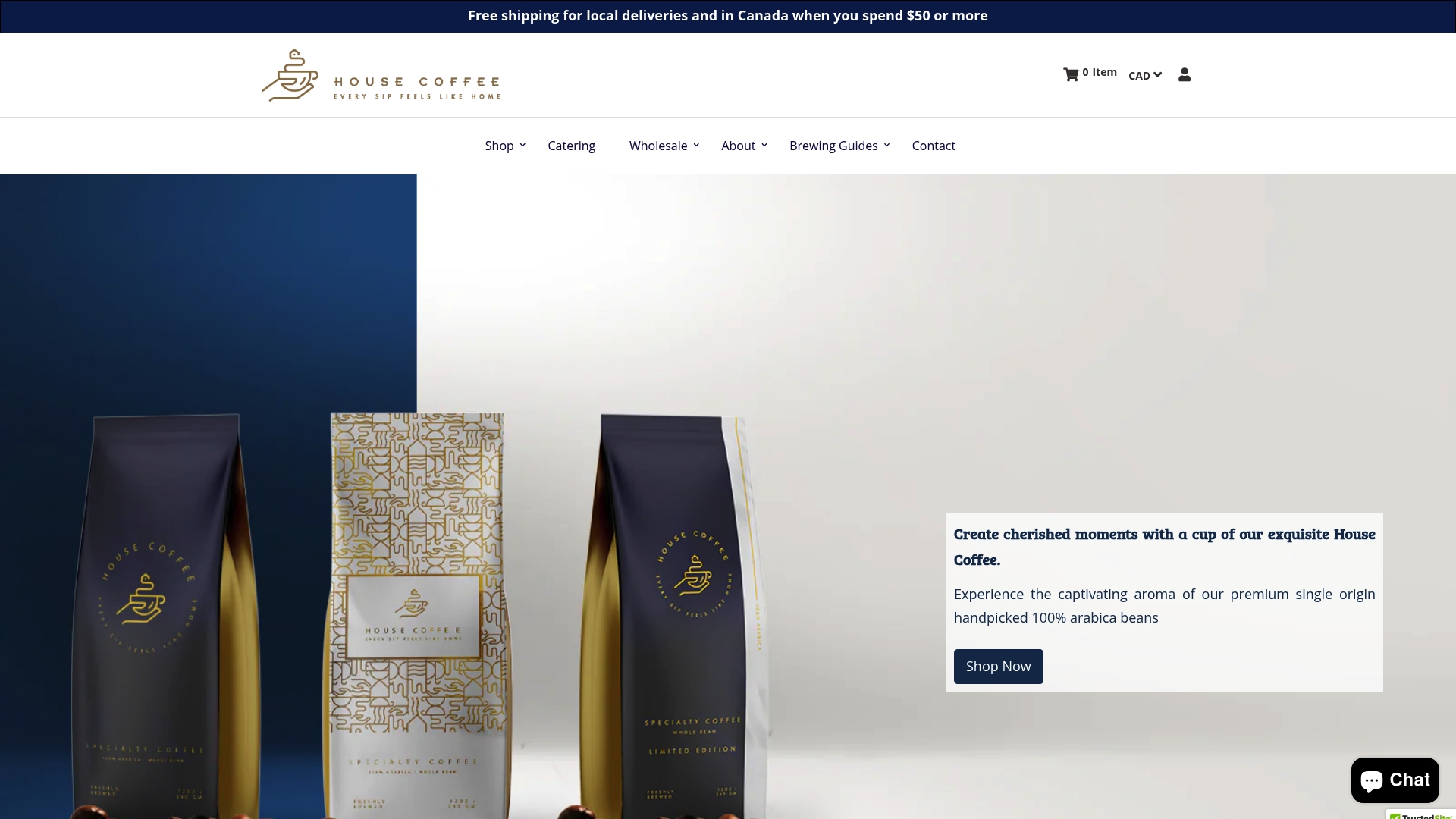
Discover the difference freshness and ethical care make by exploring our specialty coffee selections. Whether you want to elevate your at-home brewing or find the perfect gift, our expertly crafted Gift and Bundles – House Coffee offer premium options for every coffee lover. Start your journey toward a richer, more sustainable coffee experience today at House Coffee. Act now and taste the impact of true specialty coffee.
Frequently Asked Questions
What makes specialty coffee different from regular coffee?
Specialty coffee differs from regular coffee in quality and standards. It scores 80 points or higher on a 100-point scale, must be hand-picked with minimal defects, and emphasizes distinct flavors from specific origins.
Why is ethical sourcing important in specialty coffee?
Ethical sourcing ensures that farmers receive fair compensation for their work, promoting safe working conditions and sustainable farming practices. This supports quality coffee production and helps communities thrive.
How does brewing method affect the taste of specialty coffee?
Brewing methods significantly influence flavor profiles. For instance, pour-over brewing highlights clarity and complex notes, while French press creates a fuller body. Each method extracts different characteristics, affecting the overall taste experience.
What are the benefits of choosing single-origin coffee?
Single-origin coffee allows consumers to experience unique flavors that reflect specific growing conditions and processing methods. It promotes transparency and supports farmers by providing them with better compensation compared to commercial blends.
Recommended
-
Posted in
why choose specialty coffee