How to Choose Premium Arabica Beans
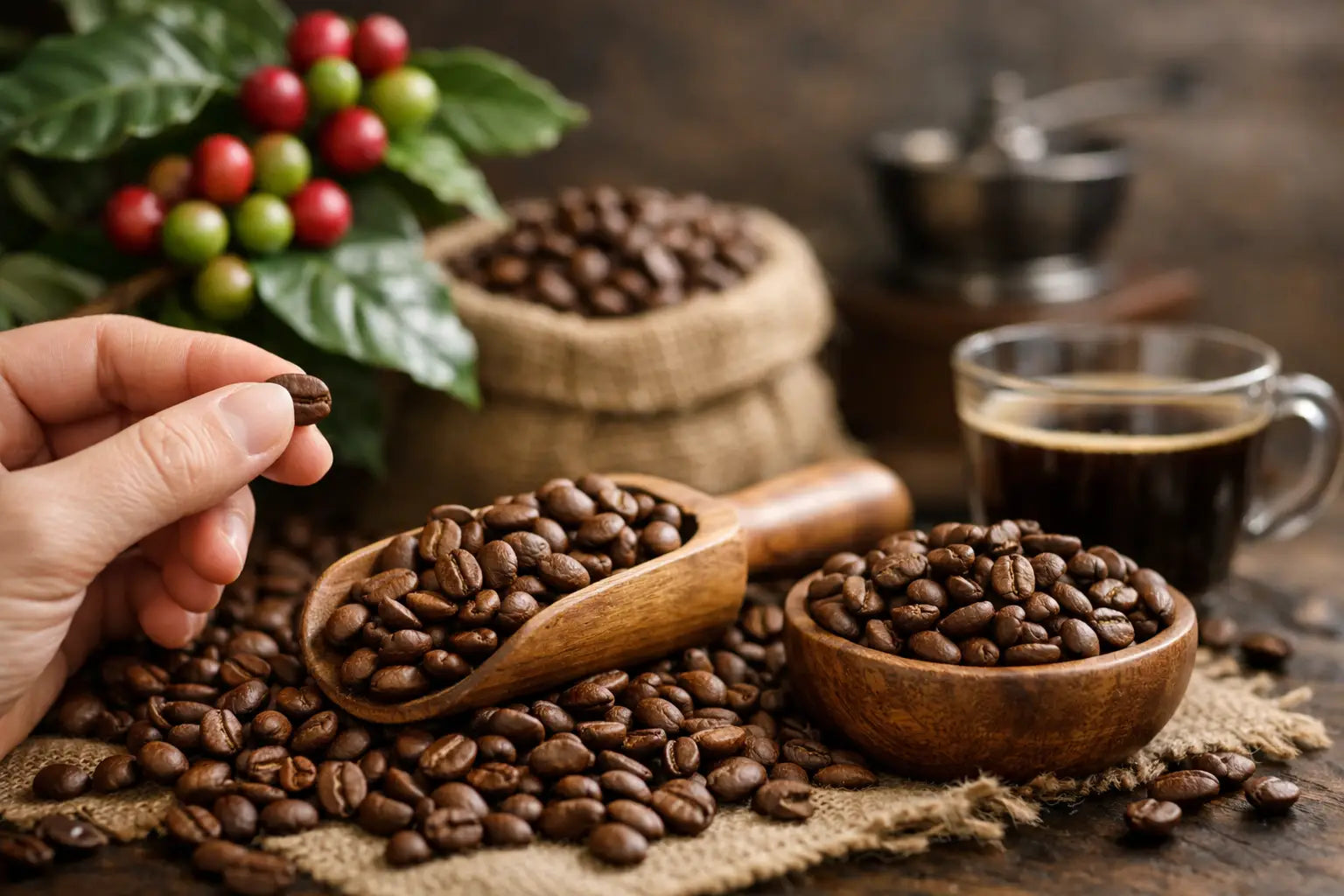
You can taste the difference in the first sip. Not just stronger coffee or darker roast, but more clarity - cocoa instead of bitterness, fruit instead of sharpness, sweetness that lingers instead of fading fast. That’s usually the moment people start looking for premium arabica beans, because once your daily cup feels flat, it’s hard to go back.
The good news is that buying better coffee for home does not have to feel technical or intimidating. A few quality signals can tell you a lot about what’s in the bag and what will end up in your mug. And when you know what to look for, it becomes much easier to find coffee that fits your routine, your brew method, and the kind of moments you want to create around it.
What makes premium arabica beans premium?
Arabica is already the species most coffee lovers associate with better flavor, but not every Arabica coffee is exceptional. Premium has to mean more than a nice label. It should point to real quality in the cup, careful sourcing, and thoughtful roasting.
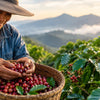
At the farm level, premium coffee starts with elevation, climate, variety, and harvesting. Beans grown at higher altitudes often mature more slowly, which can help develop sweetness and complexity. Selective picking matters too. When ripe cherries are chosen carefully instead of stripped all at once, the final coffee tends to taste cleaner and more balanced.
Processing also plays a major role. A washed coffee may present bright acidity and clarity. A natural coffee can bring fuller body and fruit-forward sweetness. Neither is automatically better. It depends on what you enjoy and how well the producer handled the process.
Then there is grading. In specialty coffee, a Q-grade score of 84 or higher is a strong quality marker. It signals that trained professionals evaluated the coffee for aroma, flavor, aftertaste, acidity, body, balance, and cleanliness. That score does not guarantee you will love every cup, but it does tell you the coffee meets a higher standard than commodity beans.
Finally, roasting matters. Even excellent green coffee can lose its character if it is roasted too far or too fast. Small-batch roasting gives more control, helping preserve what made the coffee special in the first place.
How to read a bag of premium arabica beans
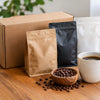
A well-labeled bag should tell a story without making you work for it. If the front only says “smooth” or “rich,” that is not much to go on. Premium coffee usually gives you more useful detail.
Origin is one of the first things to check. Single origin coffees come from one country, region, farm, or cooperative, which makes their flavor identity easier to understand. If you enjoy tasting the difference between a floral Ethiopian coffee and a chocolatey Colombian one, single origin is a great place to start. Blends can still be excellent, especially for espresso or everyday brewing, but transparency matters there too.
Look next for roast date. Freshness changes everything. Coffee is at its best within a reasonable window after roasting, not months later on a supermarket shelf. A roast date gives you confidence that the coffee was packed with flavor still intact.
Tasting notes are another helpful clue, but take them as a guide rather than a promise. If the bag says berries, caramel, and citrus, you should expect a coffee with that general character, not a cup that tastes like flavored coffee. The notes help you choose a profile that sounds appealing.
If a bag mentions ethical sourcing, direct relationships, organic certification, or lot-specific information, that adds more context. Premium coffee is not only about taste. For many buyers, it is also about knowing the growers were respected and the coffee was sourced with care.
Flavor profiles: what to expect from different origins
One of the pleasures of buying premium arabica beans is discovering how much origin can shape the cup. Coffee from Latin America often leans toward chocolate, nuts, caramel, and gentle fruit. These coffees are easy to love and usually feel familiar in the best way.
African coffees can be more expressive. Ethiopian coffees may show floral notes, citrus, or berry-like sweetness. Kenyan coffees are often bright and juicy, sometimes with blackcurrant or grapefruit character. If you want a lively morning cup, these origins are worth exploring.
Coffee from Central America often balances sweetness and structure beautifully. Guatemalan coffees can bring cocoa depth with a crisp finish. Costa Rican coffees often feel clean and bright. These are excellent choices for drinkers who want complexity without losing comfort.
Of course, origin is not destiny. Processing, variety, and roast level can shift a coffee dramatically. A natural Brazil can taste fruitier than expected, and a darker roast from Ethiopia may mute some of its floral detail. That is why the best approach is to read origin and tasting notes together.
Roast level matters more than most people think
Many shoppers focus on origin first, but roast level often has the biggest impact on what your cup feels like day to day. Light roasts tend to preserve more acidity, florals, and fruit. Medium roasts often highlight sweetness and balance. Darker roasts push toward bittersweet chocolate, roast character, and heavier body.
There is no single correct choice. If you brew pour-over and enjoy nuance, lighter to medium roasts can be rewarding. If you make espresso or use a drip machine and want a fuller, more classic profile, a medium or medium-dark roast may feel more satisfying.
The trade-off is simple. Lighter roasts can be more complex but less forgiving if your grind or water is off. Darker roasts are often easier to extract but can cover up some origin character. Premium coffee should still taste intentional at any roast level, not just dark for the sake of intensity.
Choosing premium arabica beans for your brew method
The best coffee for your home is the one that works with how you actually brew. A stunning single origin that tastes amazing as a pour-over may feel too sharp in an automatic machine if your preferences lean softer and sweeter.
For drip coffee makers, medium roasts with chocolate, caramel, or stone fruit notes are dependable crowd-pleasers. They bring enough character to feel special without demanding a lot of adjustment.
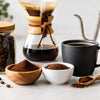
For pour-over, you can be more adventurous. This is where washed Ethiopian, Kenyan, or high-grown Central American coffees often shine. Their clarity and layered flavor become easier to notice.
For espresso, balance is everything. You want sweetness, body, and enough acidity to keep the shot lively without turning sour. Many premium blends are built for this reason, though some single origins can make beautiful espresso if you enjoy a more distinctive profile.
For French press or cold brew, body matters. Coffees with chocolate, nut, or dried fruit notes often perform well here, especially at medium to medium-dark roast levels.
Freshness, storage, and why timing affects flavor
Even the best premium arabica beans have a short window where they truly sing. Coffee starts releasing gases after roasting, and over time it loses aromatic intensity. That does not mean you need coffee roasted yesterday, but it does mean freshness should be part of your buying decision.
For most home brewers, coffee tends to taste best after a brief resting period and within a few weeks of roast, depending on the coffee and brew method. Espresso often benefits from a little more rest than filter coffee. The main idea is simple: buy coffee you can enjoy while it is still vibrant.
Once you bring it home, store it in a cool, dry place in a sealed container or in its original resealable bag if it is designed well. Avoid the fridge. Moisture and odor exposure can dull flavor fast.
Why premium coffee often costs more
Price can be a sticking point, especially if you are moving up from grocery-store coffee. But higher cost usually reflects real differences: better cherry selection, stronger lot separation, more transparent sourcing, smaller-scale production, and fresher roasting.
You are also paying for less compromise. Premium coffee aims for sweetness, cleanliness, and character, while commodity coffee is often built around consistency at scale. If coffee is part of your daily ritual, paying a little more for a cup you genuinely enjoy can feel less like a luxury and more like a worthwhile shift.
That is especially true when the coffee comes from roasters who care about both craft and connection. House Coffee, for example, builds around specialty-grade quality, fresh roasting, and the kind of comforting home ritual that makes a morning cup feel like more than caffeine.
How to buy with confidence
If you are choosing your first bag, start with a medium roast single origin or a balanced specialty blend. Look for a recent roast date, clear origin information, and tasting notes that sound naturally appealing to you. Chocolate and caramel are safe starting points. Citrus, berry, and floral notes are great once you want something more expressive.
If you have been drinking specialty coffee for a while, challenge yourself to compare two coffees side by side. Try the same brew method, same ratio, and same water. That is often the fastest way to understand what premium really means in your own cup.
The right coffee should feel like both an upgrade and an invitation. Better flavor, yes, but also a better pause in the day. When you find premium arabica beans that match your taste and routine, your home coffee stops feeling ordinary and starts feeling like a small cherished moment you can count on tomorrow morning.