Single-origin coffee: flavor, ethics & real benefits
TL;DR:
- Single-origin coffee offers unique flavors shaped by terroir and seasonal harvests.
- Traceability in single-origin coffee supports ethical sourcing and eco-friendly practices.
- It tends to have a lower environmental impact due to traditional, low-input farming methods.
Choosing between a reliable blend and a single-origin coffee can feel like deciding between a familiar road and an unmarked trail. Blends offer comfort and consistency, but single-origin coffee, meaning beans sourced from one specific farm, region, or cooperative, gives you something harder to find: a direct connection to place, people, and process. For enthusiasts who want more than just a morning ritual, that distinction matters. This article breaks down the real advantages of single-origin coffee across flavor, ethics, environmental impact, and honest trade-offs, so you can make choices that align with both your palate and your values.
Table of Contents
- Distinct flavor profiles and sensory exploration
- Traceability and ethical sourcing advantages
- Environmental impact: Sustainable cultivation practices
- Single-origin vs blends: Making sense of trade-offs
- Why ‘single-origin’ isn’t a magic label—our take
- Explore specialty single-origin coffee yourself
- Frequently asked questions
Key Takeaways
| Point | Details |
|---|---|
| Unique flavor profiles | Single-origin coffee reveals terroir-driven flavors that blend coffee can’t replicate. |
| Traceable sourcing | Buying single-origin makes it easy to know who grew your beans and how they were produced. |
| Environmental stewardship | Responsible farms often use eco-friendly methods, reducing chemical use and carbon footprint. |
| Clear trade-offs | Single-origin offers adventure but can cost more and vary seasonally compared to blends. |
Distinct flavor profiles and sensory exploration
The most immediate reason coffee lovers turn to single-origin beans is flavor. When coffee comes from a single place, every cup reflects that place. The soil composition, altitude, rainfall patterns, and local processing methods all leave a fingerprint in the cup. This is what coffee professionals call terroir, the same concept used in wine to describe how geography shapes taste.
Single-origin beans can produce an astonishing range of flavors. Depending on origin, you might find:
- Floral and tea-like notes from Ethiopian Yirgacheffe
- Bright citrus and berry from Kenyan AA grades
- Dark chocolate and walnut from Guatemalan Antigua
- Earthy, herbal depth from Sumatran Mandheling
- Stone fruit and caramel from Colombian Huila
Each of these profiles is shaped by the origin’s impact on taste, which goes far beyond just geography. Processing methods, whether washed, natural, or honey-processed, amplify or soften different flavor compounds. A natural-processed Ethiopian coffee will taste dramatically different from a washed one grown on the same hillside.
Seasonal harvests add another layer. Unlike blends, which are engineered for year-round consistency, single-origin coffees change with each crop. That’s not a flaw. It’s an invitation. A coffee you loved last spring may taste slightly different this year, and that shift tells a story about weather, harvest timing, and the farmer’s decisions.
Single-origin offers flavor exploration and nuance but varies seasonally; blends provide consistency but less traceability and origin clarity. Blends are built to stay the same, which is useful for espresso-based drinks where milk and sugar interact with the base. But for pour-over, Aeropress, or cold brew, where the coffee is the star, that stability can also mean a ceiling on complexity.
If you’re curious about why choose single origin coffee, the answer often starts here: it rewards attention. The more you slow down and taste, the more you find.
Pro Tip: Try a vertical tasting. Brew the same single-origin coffee using two different methods, such as a French press and a V60, and compare the results side by side. You’ll be surprised how much the brewing method changes what the origin expresses.
The unique taste and impact of single-origin coffee isn’t about snobbery. It’s about having a richer, more interesting experience in the cup.
Traceability and ethical sourcing advantages
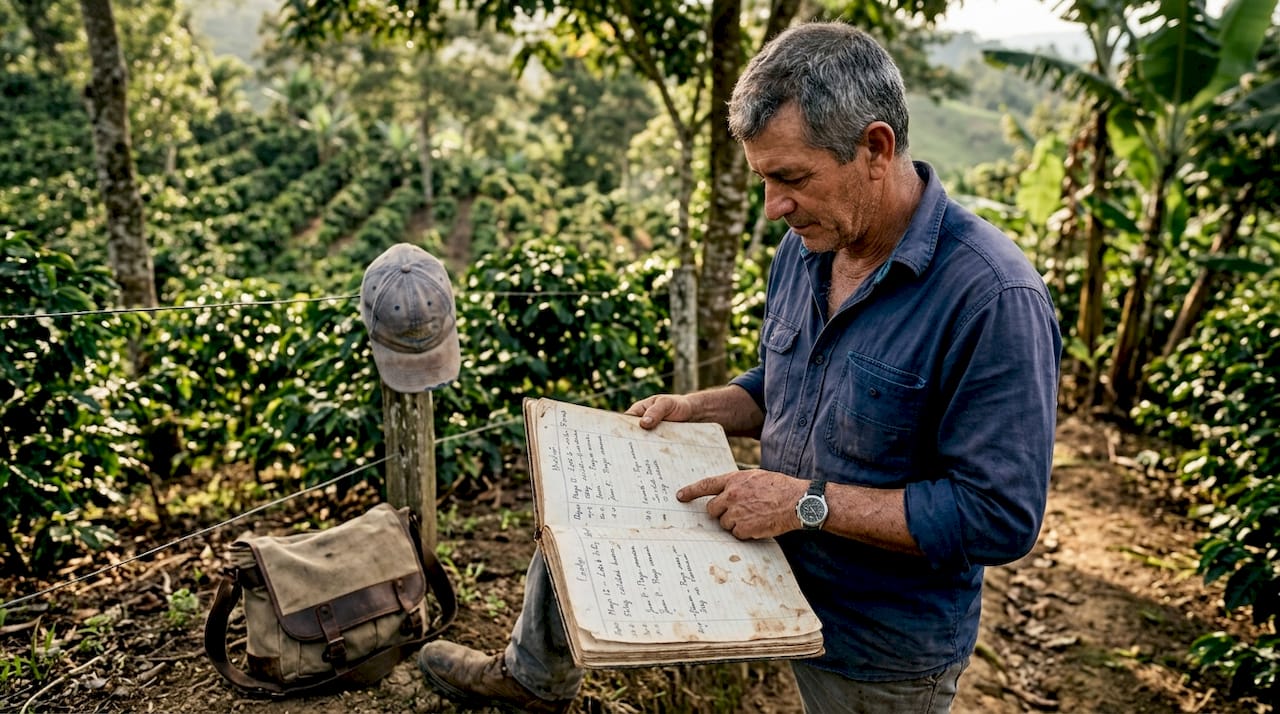
Tasting the world in a cup is satisfying. Knowing the people behind that cup makes it meaningful. Single-origin coffee’s greatest ethical advantage is traceability, the ability to follow your beans from a specific farm or cooperative all the way to your grinder.
Here’s why that matters in practice:
- You know the farm. Many single-origin roasters publish the name, location, and even the farmer’s story. That level of detail is impossible with commodity blends.
- Farmers earn more. Direct trade arrangements, where roasters buy directly from producers, often result in prices well above the commodity market floor. This reaches smallholder farmers who might otherwise receive very little.
- Seed-to-Cup transparency. This model tracks every stage of production, from planting through processing, export, roasting, and retail. It enables a life cycle assessment (LCA), a method for measuring a product’s full environmental and social impact, at a level of detail commodity coffee simply can’t match.
- It counters exploitative systems. Commodity coffee markets have historically kept producer prices low while retail prices climb. Choosing traceable single-origin coffee is a direct vote against that structure.
Research on sustainable sourcing in single-origin shows that high-proximity models enable precise LCA data, revealing fertilization as a key environmental hotspot, while also supporting smallholders against the opacity of commodity systems.
“High-proximity sourcing shines a light on every step, supporting farmers and the environment.”
The single estate coffee ethics conversation is growing louder, and for good reason. When you buy a coffee labeled with a specific farm name and region, you’re participating in a system that values people and place over volume and margin. That’s a meaningful shift from how most of the world’s coffee is traded.
For a deeper look at how this works in practice, ethical sourcing explained walks through what to look for when evaluating a roaster’s sourcing claims.
Environmental impact: Sustainable cultivation practices
With traceability comes responsibility, and single-origin sourcing often delivers on the environmental side in ways that commodity coffee cannot.
Many single-origin farms, particularly smallholder operations in places like Ethiopia, Yemen, and Guatemala, use traditional, low-input farming methods. These farms tend to be unmechanized, meaning harvesting is done by hand and chemical inputs are minimal. The result is a lower carbon footprint per kilogram of coffee produced.
Empirical data supports this. Yemen specialty coffee produces only 3.14 kg CO2 eq/kg, with roughly 90% of emissions coming from the cultivation stage itself. Compare that to industrialized coffee production, which involves heavy machinery, synthetic fertilizers, and large-scale processing facilities. The difference is significant.
Here’s a quick comparison of key sustainability indicators:
| Factor | Single-origin (smallholder) | Conventional blend production |
|---|---|---|
| Carbon footprint | Lower (e.g., 3.14 kg CO2 eq/kg) | Higher due to mechanization |
| Chemical inputs | Minimal to none | Often significant |
| Biodiversity support | High (shade-grown common) | Lower (monoculture common) |
| Traceability for LCA | Precise | Limited |
| Farmer income | Higher (direct/fair trade) | Lower (commodity pricing) |
Shade-grown cultivation deserves special mention. When coffee grows under a forest canopy, it supports bird habitats, prevents soil erosion, and reduces the need for synthetic fertilizers. It also tends to produce slower-maturing beans with more complex flavors. That’s a win on every level.
Pro Tip: When shopping for single-origin beans, look for sourcing descriptions that name the farm, altitude, and processing method. Vague labels like “ethically sourced” without specifics are a red flag. Genuine eco-friendly coffee sourcing always comes with details.
For coffee lovers who care about their footprint, single estate coffee sustainability is one of the strongest arguments for making the switch from mass-market options.
Single-origin vs blends: Making sense of trade-offs
Having covered taste, ethics, and sustainability, it’s time for a clear head-to-head on single-origin versus blends. Neither is universally better. Each has a place, and understanding the trade-offs helps you choose with confidence.
Single-origin offers flavor exploration and nuance but varies seasonally; blends provide consistency but less traceability and origin clarity. And it’s worth noting that single-origin risks inconsistency due to harvest variability and higher cost; quality depends on sourcing and roasting, not origin type alone.
| Feature | Single-origin | Blends |
|---|---|---|
| Flavor complexity | High, region-specific | Balanced, engineered |
| Consistency | Varies by harvest | Stable year-round |
| Traceability | Farm or region level | Often opaque |
| Price | Higher | More affordable |
| Sustainability data | Detailed LCA possible | Limited |
| Best brew methods | Pour-over, Aeropress, filter | Espresso, milk drinks |
When to choose single-origin:
- You want to taste the character of a specific region or farm
- You’re brewing black coffee where origin flavors shine
- You care about knowing your farmer and supporting direct trade
- You enjoy seasonal variation and the discovery it brings
When blends make more sense:
- You’re pulling espresso shots for milk-based drinks
- You need consistency across large volumes
- Budget is a primary consideration
- You prefer a familiar, predictable cup every morning
The specialty blends compared conversation is nuanced. A well-crafted specialty blend from a quality roaster can be exceptional. The key is knowing what you’re optimizing for. If you want to identify single origin beans at the point of purchase, look for farm names, harvest dates, and processing details on the bag.
The impact of single origin on your overall coffee experience extends beyond the cup. It changes how you shop, how you taste, and how you think about the people who grow your coffee.
Why ‘single-origin’ isn’t a magic label—our take
Here’s the uncomfortable truth we’ve learned: slapping “single-origin” on a bag doesn’t make the coffee good. We’ve tasted single-origin coffees that were poorly roasted, stale, or sourced from farms with no real transparency. The label alone means nothing without the work behind it.
The role of coffee origin in quality is real, but it’s one factor among many. A great single-origin coffee requires a farmer who tends the crop carefully, a buyer who pays fairly and picks at peak quality, a roaster who understands the bean’s character, and a retailer who moves it fresh. Break any link in that chain and the origin story becomes marketing noise.
What we’d encourage you to do is embrace the variability. If your favorite Ethiopian coffee tastes different this year, sit with that. Ask why. That curiosity is what separates a coffee enthusiast from someone who just drinks coffee. The seasonal shifts, the harvest surprises, the occasional cup that doesn’t quite land, these are features, not bugs. They mean you’re drinking something real, not a formula.
Chase transparency, not just terminology.
Explore specialty single-origin coffee yourself
Ready to move from reading about single-origin coffee to actually tasting it? We’ve built our entire collection around the principles covered in this article: traceable sourcing, ethical partnerships, and beans that genuinely reflect their origin.
Browse our specialty coffee selection to find beans from specific farms and regions, each with sourcing details you can actually trust. If you’re new to the world of artisan coffee, our buy specialty coffee page is a great starting point, with options across flavor profiles and roast levels. And when you’re ready to brew right, explore our brewing essentials to pair your beans with the tools that bring out their best.
Frequently asked questions
What defines a single-origin coffee?
Single-origin coffee comes from a specific region or even a single farm, making its flavors reflective of its unique terroir. The geographical signature of the beans is preserved rather than blended away.
Do single-origin coffees always taste better than blends?
Not always. While single-origin coffees offer distinct, traceable flavors, blends can be expertly crafted for balance and consistency. Single-origin risks inconsistency due to harvest variability, so quality depends heavily on sourcing and roasting.
Is single-origin coffee more sustainable?
Single-origin coffee often uses low-impact, shade-grown, or organic methods that support biodiversity and lower emissions. Shade-grown organic sourcing reduces chemical use and supports biodiversity in ways commodity production rarely achieves.
Why does single-origin coffee cost more?
Higher prices reflect smaller harvests, quality-focused practices, and fairer wages for farmers, plus the seasonal nature of production. Single-origin is higher priced and seasonal, while blends are more affordable and stable year-round.
Recommended
- Why single estate coffee delivers unique flavor and ethics – House Coffee
- Why Origin Matters in Coffee – Unlocking Real Flavor – House Coffee
- Why Choose Specialty Coffee – Taste, Ethics, Impact – House Coffee
- Why Choose Single Origin Coffee: Pure Flavor, Ethical Impact – House Coffee
- Roasted Organic Whole Coffee Beans - 1kg - RAWGORILLA – Granavitalis
-
Posted in
advantages of single-origin coffee, en