Why Choose Single Origin Coffee: Pure Flavor, Ethical Impact

Sourcing the perfect cup of coffee should feel like a journey, not a compromise. For those who value both taste and transparency, exploring single origin Arabica beans brings you closer to the story behind every brew. Recognizing that unique flavor profiles are shaped by a region’s environmental conditions and careful farming, this guide clarifies what sets single origin coffee apart and how it creates a truly distinctive experience at home.
Table of Contents
- Single Origin Coffee Explained Clearly
- Flavor Profiles Shaped By Origin Terroir
- Traceability And Transparency In Sourcing
- Ethical Sourcing And Eco-Friendly Practices
- Comparing Single Origin Vs Blended Coffee
Key Takeaways
| Point | Details |
|---|---|
| Single Origin Coffee | Offers unique flavor profiles tied to specific geographic regions, highlighting the importance of terroir. |
| Traceability and Transparency | Understanding the origin and journey of coffee is crucial for ethical and sustainable purchasing decisions. |
| Ethical Sourcing | Choosing ethically sourced coffee supports sustainable practices and fair compensation for farmers. |
| Single Origin vs Blended | Single origin coffees provide distinct flavors while blends offer consistency; personal preference dictates the choice. |
Single origin coffee explained clearly
Single origin coffee represents a premium coffee experience that celebrates the unique flavor profile and geographic heritage of coffee beans from a specific location. Single-origin coffees offer distinctive taste characteristics that reflect the precise environmental conditions where they are grown.
Unlike blended coffees that combine beans from multiple regions, single origin coffees showcase the nuanced qualities of a particular farm, cooperative, or geographic area. These beans are carefully sourced to highlight the specific terroir - the environmental factors including soil composition, altitude, rainfall, and local processing techniques that contribute to their distinctive flavor.
Key characteristics of single origin coffee include:
- Traceable to a specific geographic region
- Unique flavor profile reflective of local growing conditions
- Often produced in smaller, more carefully managed quantities
- Higher potential for supporting local coffee farming communities
- Premium quality with more transparent sourcing
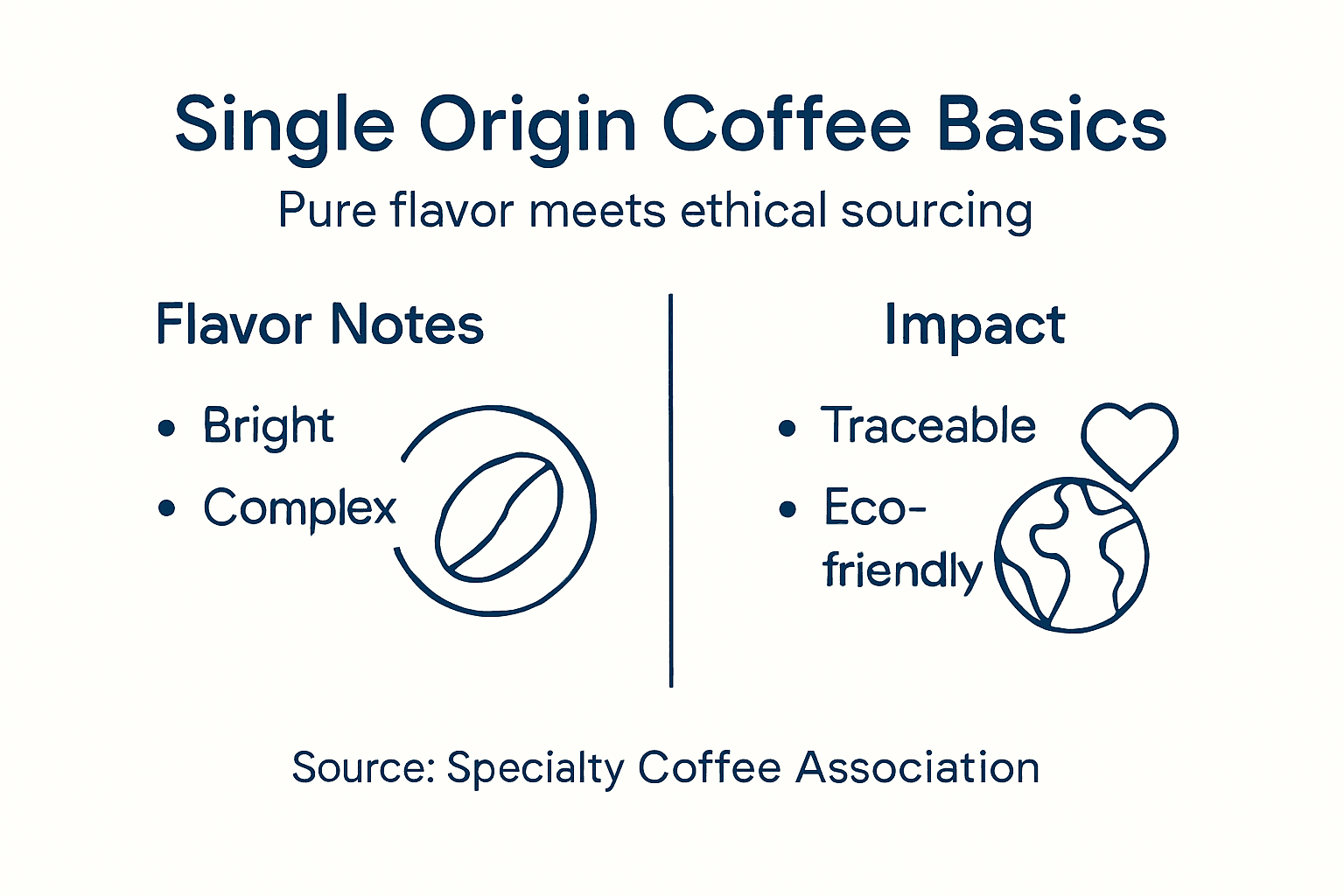
Flavor complexity is the hallmark of single origin coffee. Each bean tells a story of its specific geographic origin, allowing coffee enthusiasts to experience the subtle differences that emerge from specific growing regions. These coffees can range from bright and citrusy to deep and chocolatey, depending on their exact source.
Pro tip: When exploring single origin coffees, try sampling beans from different regions side by side to appreciate the incredible diversity of flavor profiles available.
Flavor profiles shaped by origin terroir
Terroir represents the complex environmental ecosystem that shapes a coffee’s unique sensory characteristics. Coffee terroir encompasses multiple environmental factors that contribute to each bean’s distinctive flavor profile, creating a true taste of place.
The intricate combination of environmental elements determines a coffee’s ultimate expression. These critical factors include:
- Altitude of the growing region
- Soil composition and mineral content
- Annual rainfall patterns
- Average temperature ranges
- Local shade and vegetation
- Specific coffee plant varietals
Each geographic region produces coffee with remarkable sensory differences. High-altitude Colombian beans might offer bright, citrusy notes, while Ethiopian beans could present complex floral and wine-like characteristics. The precise interaction between environmental conditions and agricultural practices creates these extraordinary flavor nuances.
Here’s how key environmental factors shape single origin coffee flavors:
| Factor | Influence on Flavor | Example Effect |
|---|---|---|
| Altitude | Higher acidity, brighter notes | Citrus flavors in Colombian beans |
| Soil Composition | Adds minerals, complexity | Earthy hints in Sumatran coffee |
| Rainfall Patterns | Alters sweetness and body | Fruity notes in Ethiopian beans |
| Temperature Range | Impacts sugar development | Balanced taste in Kenyan coffee |
| Shade & Vegetation | Modifies growth, subtle notes | Floral undertones in Panama |
Roasting techniques further amplify the inherent qualities of single origin beans, transforming the raw potential of terroir into a fully realized sensory experience. Professional roasters carefully calibrate temperature and duration to highlight each origin’s unique flavor signature, ensuring that the beans’ original character shines through.
Pro tip: When exploring single origin coffees, use a cupping process to systematically taste and compare beans from different regions, allowing you to develop a deeper appreciation for terroir’s incredible complexity.
Traceability and transparency in sourcing
Traceability in coffee sourcing represents a comprehensive approach to understanding the complete journey of coffee beans from farm to cup. Coffee traceability addresses critical supply chain challenges by providing consumers with detailed insights into the origin, production methods, and ethical standards of their coffee.
The key components of effective coffee traceability include:
- Precise geographic origin documentation
- Farmer and cooperative information
- Harvesting and processing techniques
- Environmental sustainability practices
- Fair compensation verification
- Quality control measurements
Transparency goes beyond simple tracking. Comprehensive traceability supports improved living conditions for smallholder farmers by creating accountability throughout the entire supply chain. Digital technologies like QR codes, blockchain tracking, and real-time dashboards now enable consumers to access unprecedented levels of information about their coffee’s background.
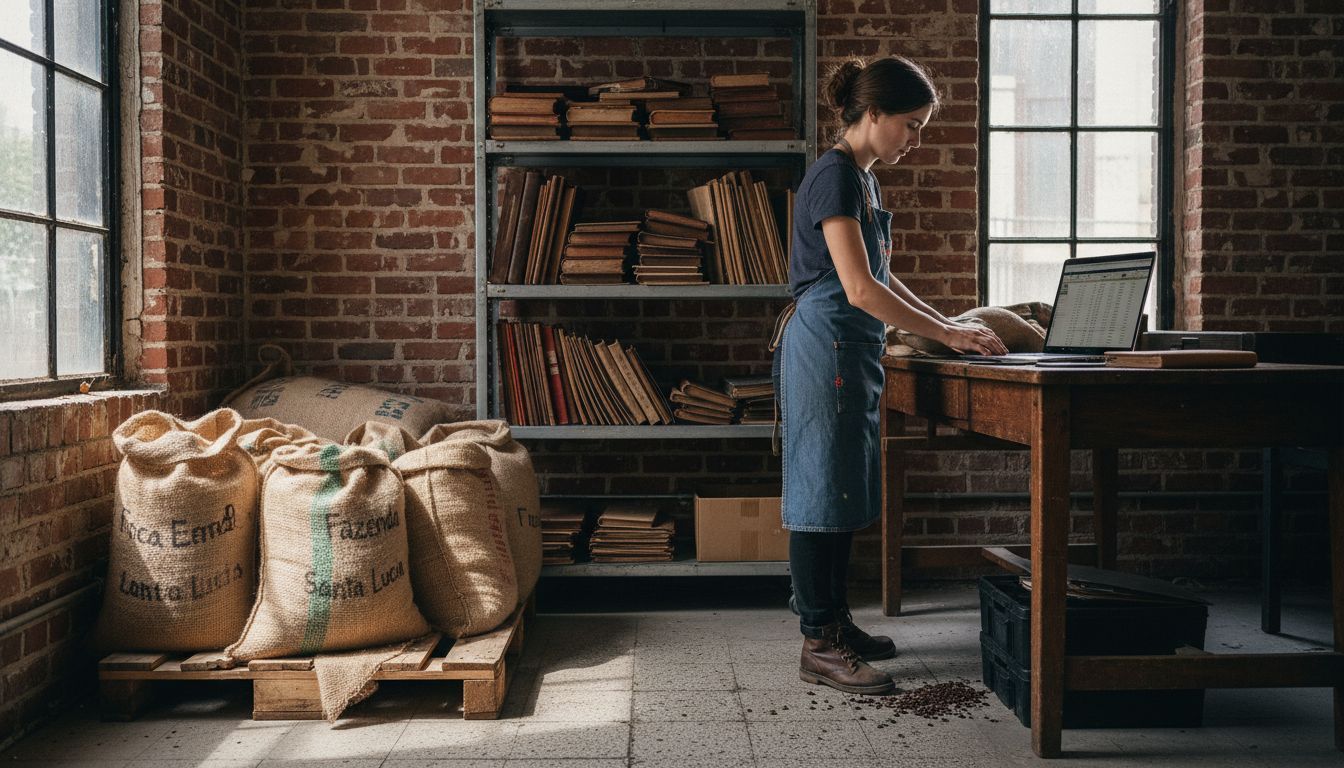
Modern coffee enthusiasts demand more than just great taste. They want to understand the human and environmental stories behind each cup, ensuring their purchasing decisions support ethical and sustainable agricultural practices. By choosing single origin coffees with robust traceability, consumers become active participants in a global movement toward more responsible and transparent food systems.
Pro tip: Look for coffee brands that provide detailed origin stories and transparent sourcing information, using digital tools like QR codes to trace your specific beans’ journey.
Ethical sourcing and eco-friendly practices
Ethical sourcing in coffee production represents a comprehensive approach to supporting sustainable agricultural practices and protecting both environmental and human resources. Sustainability initiatives empower local coffee communities by creating economic opportunities that align environmental stewardship with farmer prosperity.
Key elements of ethical coffee sourcing include:
- Fair compensation for farmers
- Protection of biodiversity
- Reduced carbon footprint
- Sustainable agricultural methods
- Support for local community development
- Preservation of traditional farming techniques
Responsible sourcing strategies focus on improving producer wellbeing by creating transparent supply chains that prioritize human rights and environmental conservation. This approach goes beyond simple financial transactions, creating holistic support systems that address systemic challenges in coffee-producing regions.
Modern consumers increasingly demand coffee that reflects their values. By choosing ethically sourced single origin coffee, individuals can directly support sustainable agricultural practices, protect endangered ecosystems, and contribute to meaningful economic development in coffee-growing communities. Each cup becomes a statement of commitment to global environmental and social responsibility.
Pro tip: Research coffee brands that provide detailed sustainability reports and demonstrate genuine commitment to ethical sourcing practices through transparent documentation and third-party certifications.
Comparing single origin vs blended coffee
Single origin coffee and blended coffee represent two distinct approaches to crafting exceptional coffee experiences. Single origin beans showcase unique flavor profiles that reflect their specific geographic heritage, while blended coffees offer a carefully balanced and consistent taste.
Key differences between single origin and blended coffee include:
- Flavor complexity
- Traceability and origin story
- Consistency of taste
- Seasonal variability
- Brewing versatility
- Price point and availability
Coffee blends are designed to create harmonious flavor experiences that appeal to a broader range of palates. By combining beans from multiple regions, roasters can craft a balanced profile that maintains a reliable taste profile across different batches. Single origin coffees, in contrast, celebrate the unique characteristics of a specific farm or region, offering coffee enthusiasts a more nuanced and direct connection to the bean’s original terroir.
The choice between single origin and blended coffee ultimately depends on personal preference, brewing method, and the specific sensory experience you seek. Some coffee lovers appreciate the consistent, smooth flavor of a well-crafted blend, while others are drawn to the distinctive, sometimes unpredictable taste journey offered by single origin beans.
Compare single origin and blended coffee at a glance:
| Aspect | Single Origin Coffee | Blended Coffee |
|---|---|---|
| Flavor Focus | Highlights origin’s uniqueness | Prioritizes balanced flavors |
| Batch Consistency | Varies by season or crop | Maintains same taste year-round |
| Target Audience | Explorative coffee drinkers | Those who seek reliability |
| Price Trend | Usually higher per pound | Generally more affordable |
Pro tip: Experiment with both single origin and blended coffees to discover your personal preference, paying attention to how different brewing methods enhance or transform each coffee’s unique characteristics.
Experience the True Essence of Single Origin Coffee with House Coffee
If you seek to savor the pure flavor and ethical impact of single origin coffee, understanding its unique terroir and traceability is just the beginning. At House Coffee, we address the challenge of finding premium, ethically sourced single origin beans that honor both quality and sustainability. Our collections highlight distinct flavor profiles shaped by specific growing regions, empowering you to connect deeply with each cup.
Discover our carefully curated Specialty Coffee – House Coffee and elevate your brewing ritual with the exceptional quality and transparent sourcing you deserve.
Ready to explore diverse single origin experiences and support ethical coffee farming? Visit House Coffee to browse our Gold Collection – House Coffee and Diamond collection – House Coffee today. Act now to enjoy fresh, sustainably harvested beans that celebrate flavor authenticity and create meaningful impact with every cup.
Frequently Asked Questions
What is single origin coffee?
Single origin coffee refers to coffee beans that are sourced from a specific location, such as a single farm or cooperative. These beans showcase unique flavor profiles that reflect the environmental conditions of their geographic origin.
How does terroir affect the flavor of single origin coffee?
Terroir includes environmental factors like altitude, soil composition, rainfall, and temperature that shape a coffee’s sensory characteristics. These elements contribute to the distinctive flavors found in single origin coffees, allowing for a diverse tasting experience.
Why is traceability important for single origin coffee?
Traceability ensures that consumers can track the journey of coffee beans from farm to cup. It fosters transparency in sourcing, allowing consumers to learn about production methods, ethical standards, and the origins of their coffee, which supports informed purchasing decisions.
What are the environmental and ethical benefits of choosing single origin coffee?
Choosing single origin coffee often supports sustainable agricultural practices, fair compensation for farmers, and local community development. It promotes accountability in the supply chain, helping to protect both human rights and the environment.
Recommended
-
Posted in
why choose single origin