Single Origin Coffee: Unique Taste and Impact

Finding the perfect coffee for home brewing can feel complicated when labels are unclear and choices are abundant. Eco-minded American coffee lovers know that the story behind single origin beans is just as meaningful as their flavor. This guide uncovers the truth behind single origin coffee, common misconceptions, and the key factors that make each Arabica bean unique—helping you choose confidently for both your morning ritual and special gifts.
Table of Contents
- Defining Single Origin Coffee and Common Misconceptions
- Variations in Single Origin Coffee Explained
- How Origin Influences Flavor and Quality
- Traceability, Transparency, and Ethical Sourcing Benefits
- Single Origin vs Coffee Blends: Comparative Insights
- Common Mistakes and How to Choose Wisely
Key Takeaways
| Point | Details |
|---|---|
| Single Origin Coffee Defined | Single origin coffee showcases unique flavors from specific locations, emphasizing terroir over blends. |
| Flavor Influences | Factors such as altitude, soil composition, and climate significantly impact the flavor profile of each coffee. |
| Importance of Traceability | Ethical sourcing and traceability empower consumers and ensure support for sustainable practices and fair trade. |
| Choosing Wisely | Understanding roast date, processing methods, and origin details enhances the coffee selection experience. |
Defining Single Origin Coffee and Common Misconceptions
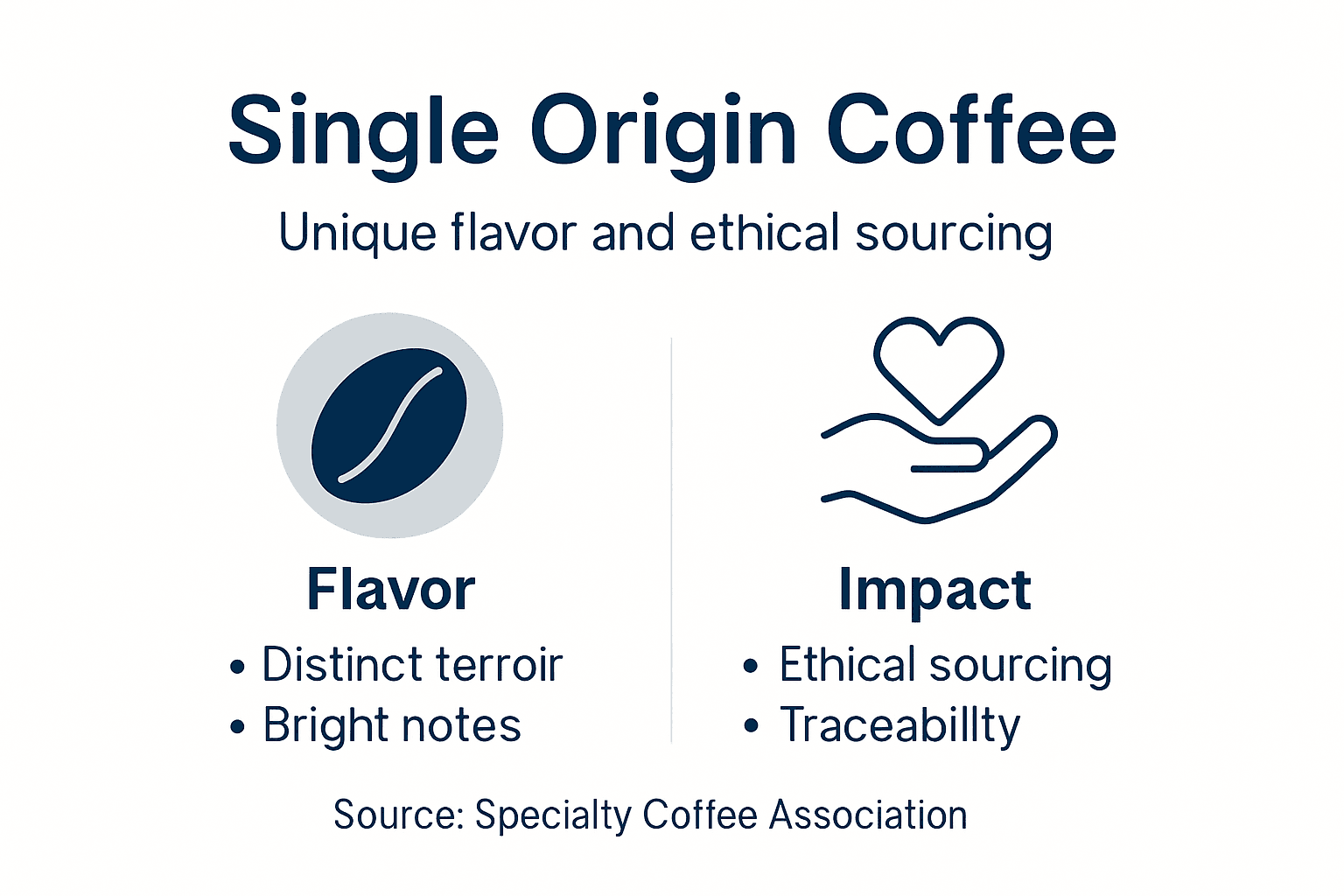
Coffee enthusiasts have increasingly embraced single origin coffee as a premium beverage experience that celebrates unique regional characteristics. Single-origin coffee refers to beans sourced from a specific geographic location - whether that’s a single farm, cooperative, region, or entire country. Unlike blended coffees that mix beans from multiple origins, single-origin coffees offer a distinct flavor profile that reflects the precise environmental conditions where the beans were grown.
The definition of single-origin can vary across the coffee industry, which contributes to several common misconceptions:
- Single origin does NOT mean from just one farm
- It doesn’t automatically guarantee higher quality coffee
- The term can encompass beans from multiple farms within the same region
- Traceability matters more than strict geographic boundaries
What truly distinguishes single-origin coffee is its ability to showcase the unique terroir - the environmental characteristics like soil composition, altitude, rainfall, and climate that profoundly influence flavor. Each bean tells a story about its specific place of origin, offering coffee lovers a more authentic and nuanced tasting experience.
Understanding these subtle distinctions helps consumers appreciate the complexity behind their morning brew. Flavor characteristics emerge from intricate interactions between growing conditions, processing methods, and local agricultural practices - making every single-origin coffee a distinctive sensory journey.
Pro tip: When exploring single-origin coffees, ask your local roaster about the specific region and processing method to understand the unique flavor profile you’re about to experience.
Variations in Single Origin Coffee Explained
Single origin coffee represents a complex and nuanced world of flavor experiences that extend far beyond simple geographic designation. Identification of coffee varieties reveals multiple factors that contribute to each coffee’s unique character, creating a rich tapestry of sensory possibilities.
The primary variations in single origin coffee emerge from several key dimensions:
- Geographic Scale: Ranging from entire countries to specific microlots
- Species Composition: Primarily Arabica and Robusta, each with distinct characteristics
- Altitude of Growth: Higher elevations typically produce more complex flavor profiles
- Processing Methods: Washed, natural, and honey processing techniques
- Farming Practices: Sustainable agriculture and specific cultivation techniques
Each of these dimensions contributes to the coffee’s final taste, creating a unique sensory experience that reflects its precise origin. Some single origin coffees might present bright, acidic notes from high-altitude African regions, while others offer rich, chocolatey undertones characteristic of South American growing areas.
Blends offer consistency, but single origin coffees celebrate the intricate terroir - the environmental symphony of soil, climate, and agricultural practices that make each bean distinctive. Understanding these variations transforms coffee drinking from a mere caffeine delivery system into a nuanced exploration of global agricultural artistry.
Pro tip: When exploring single origin coffees, taste them side by side to appreciate the subtle flavor variations created by different growing conditions.
How Origin Influences Flavor and Quality
Coffee origin plays a pivotal role in determining the sensory experience of each cup, creating a complex interplay of environmental factors that shape flavor and quality. Coffee quality attributes emerge from an intricate combination of geographic, climatic, and agricultural conditions that transform simple coffee beans into extraordinary sensory experiences.
The key environmental factors influencing coffee flavor include:
- Altitude: Higher elevations typically produce more concentrated and complex flavor profiles
- Soil Composition: Mineral content directly impacts bean development and taste characteristics
- Climate: Temperature and rainfall patterns affect bean growth and chemical composition
- Varietal Genetics: Different coffee plant varieties produce distinctly unique flavor notes
- Microclimate: Specific local growing conditions create nuanced flavor variations
Coffee enthusiasts appreciate how these factors create a unique flavor fingerprint for each origin. A Colombian Arabica bean grown at high altitudes will taste dramatically different from a Brazilian bean cultivated in lower, more humid regions. The biochemical composition changes based on precise environmental conditions, influencing everything from acidity and sweetness to body and aromatics.

Here’s a summary of how key origin factors influence single origin coffee flavor:
| Factor | Flavor Impact | Example Region |
|---|---|---|
| Altitude | Increases acidity and complexity | Ethiopia (high altitude) |
| Soil Composition | Enhances mineral notes and overall balance | Kenya (rich volcanic) |
| Climate | Alters aroma intensity and sweetness | Colombia (mild, wet) |
| Microclimate | Creates distinct, nuanced taste profiles | Guatemala (diverse zones) |
Beyond environmental factors, post-harvest processing methods like washing, natural, or honey processing further refine the bean’s inherent characteristics. These techniques can amplify or transform the flavor profile, turning a good coffee into an exceptional sensory experience that tells the story of its specific geographic origin.
Pro tip: Explore coffee from different origins by conducting your own cupping session, comparing beans side by side to appreciate the subtle flavor variations created by unique growing conditions.
Traceability, Transparency, and Ethical Sourcing Benefits
Ethical coffee sourcing represents far more than a simple purchasing decision - it’s a comprehensive approach to understanding and supporting the entire coffee production ecosystem. Traceability in coffee supply chains has emerged as a critical mechanism for ensuring sustainability, authenticity, and fair economic practices across global coffee production.
Key benefits of robust traceability include:
- Economic Fairness: Direct financial support for smallholder farmers
- Environmental Accountability: Verification of sustainable farming practices
- Quality Assurance: Precise tracking of bean origin and processing
- Consumer Empowerment: Transparent information about coffee’s entire journey
- Fraud Prevention: Reducing counterfeit and misrepresented coffee products
Modern technology has revolutionized transparency, enabling consumers to trace their coffee from farm to cup through advanced digital platforms. Blockchain technologies and QR code systems now allow instant verification of a coffee’s entire production narrative, connecting consumers directly with the farmers and regions responsible for their morning brew.
Beyond technological solutions, ethical sourcing represents a profound commitment to social responsibility. By prioritizing traceable coffee, consumers actively support fair wages, sustainable agricultural practices, and community development in coffee-producing regions around the world.
Pro tip: Look for coffee brands that provide detailed origin information and transparent sourcing documentation to ensure you’re making an ethical and high-quality purchase.
Single Origin vs Coffee Blends: Comparative Insights
Coffee enthusiasts often find themselves navigating the nuanced landscape of single origin versus blended coffees, each offering distinct advantages. Single origin coffee profiles represent a journey into the unique flavor characteristics of specific geographic regions, presenting a more complex and adventurous tasting experience.
Key differences between single origin and blended coffees include:
- Flavor Complexity: Single origin = unique, specific taste profile
- Consistency: Blends = balanced, predictable flavor experience
- Seasonality: Single origin can vary with harvest conditions
- Brewing Versatility: Blends often designed for multiple preparation methods
- Storytelling: Single origin connects consumers directly to specific farms
While blended coffees aim to create a harmonious and reliable flavor profile by combining beans from multiple regions, single origin coffees celebrate the distinctive characteristics of a specific terroir. This approach allows coffee lovers to explore the nuanced flavor notes that emerge from precise growing conditions, soil composition, and local agricultural practices.
Ultimately, the choice between single origin and blended coffees depends on personal preference, brewing method, and the desire for either consistent comfort or adventurous exploration of global coffee diversity.
The table below highlights differences between single origin and blended coffees to help guide your choice:
| Attribute | Single Origin Coffee | Blended Coffee |
|---|---|---|
| Flavor Experience | Unique, location-driven tastes | Consistent, balanced flavors |
| Storytelling | Specific origin spotlight | Focus on taste harmony |
| Seasonal Variation | Flavors change with harvest | Designed for year-round sameness |
| Ideal For | Tasting exploration | Everyday reliability |
Pro tip: Experiment with both single origin and blended coffees to develop a more sophisticated understanding of your personal flavor preferences.
Common Mistakes and How to Choose Wisely
Navigating the world of single origin coffee requires more than casual enthusiasm - it demands informed decision-making and a nuanced understanding of quality indicators. Common mistakes in coffee selection can significantly impact your brewing experience, transforming what should be an exceptional cup into a disappointing encounter.
Key pitfalls to avoid when selecting single origin coffee include:
- Ignoring Roast Date: Freshness dramatically impacts flavor profile
- Overlooking Processing Method: Each technique influences taste complexity
- Expecting Consistent Flavor: Natural seasonal variations are inherent
- Buying Without Understanding Origin: Geographic details matter immensely
- Neglecting Personal Brewing Preferences: Not all beans suit every preparation method
Successful single origin coffee selection requires a holistic approach that considers multiple factors beyond simple taste. Understanding the bean’s journey - from specific farm conditions to processing techniques - allows coffee enthusiasts to make more informed and satisfying choices. The most discerning coffee lovers recognize that each bean tells a unique story, shaped by its precise environmental context.
Education is the most powerful tool in developing sophisticated coffee selection skills. By learning about flavor profiles, processing methods, and regional characteristics, consumers can transform their purchasing from a random selection to a deliberate, informed experience.
Pro tip: Ask your local roaster detailed questions about bean origin, processing method, and recommended brewing technique to enhance your single origin coffee experience.
Elevate Your Coffee Journey with Authentic Single Origin Beans
Discover the true essence of single origin coffee by choosing beans that celebrate unique terroirs and ethical sourcing. This article highlights how understanding the influence of origin, processing, and traceability shapes your perfect cup. At House Coffee, we bring you precisely that experience through our carefully curated Diamond collection – House Coffee, featuring high-quality, ethically sourced beans that tell the story of their region and growers.
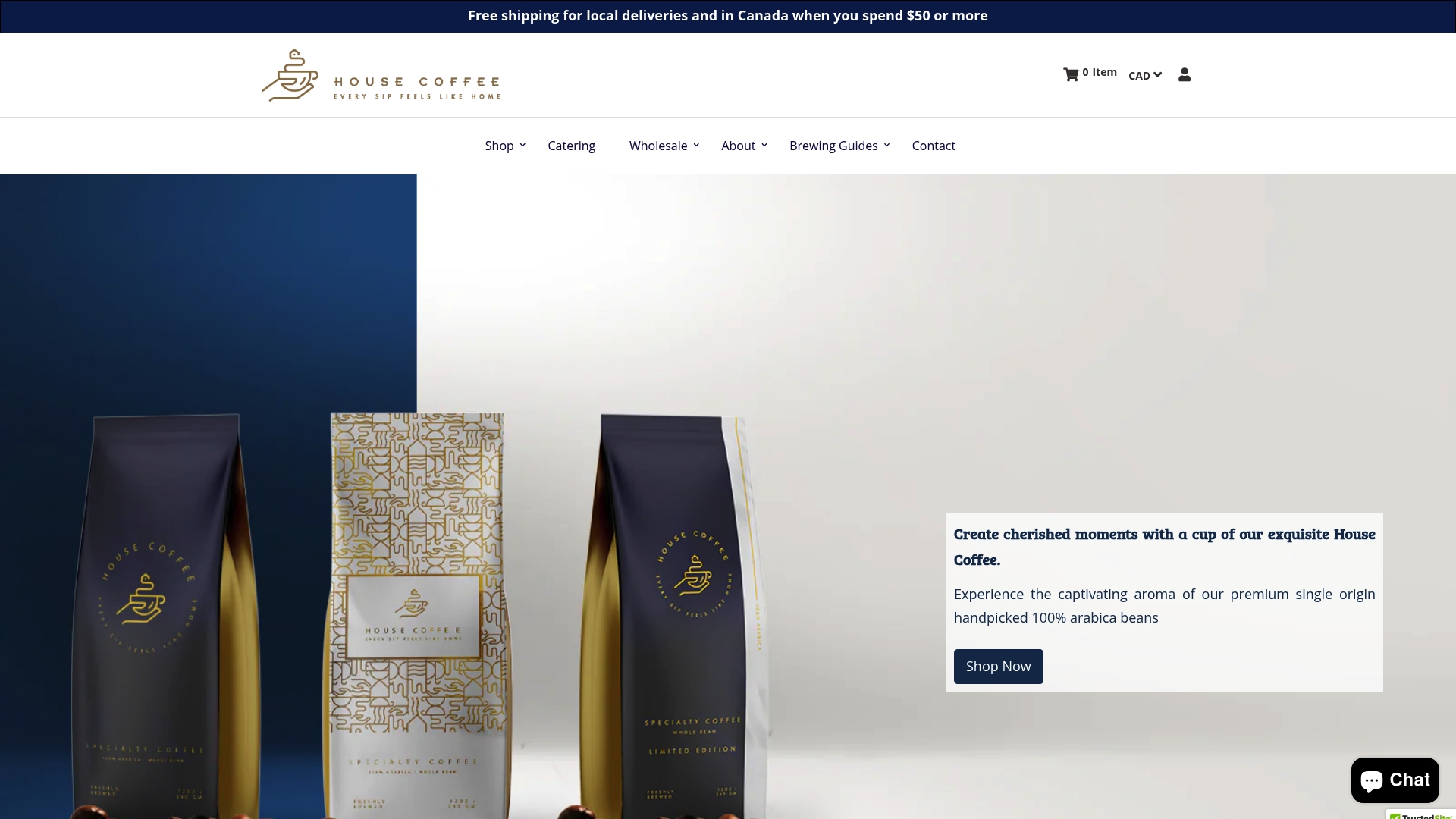
Ready to explore complex flavor profiles and support sustainable practices with every sip? Visit House Coffee now to select from our exclusive single origin offerings. For those seeking limited batch treasures, the Limited Edition – House Coffee collection provides rare finds perfect for adventurous palates. Don’t wait to transform your coffee routine — experience the rich impact of authentic single origin coffee today.
Frequently Asked Questions
What is single origin coffee?
Single origin coffee refers to beans sourced from a specific geographic location, such as a single farm or cooperative, showcasing distinct flavor profiles influenced by local environmental conditions.
How does coffee origin affect its flavor?
The origin of coffee impacts its flavor through factors like altitude, soil composition, climate, and varietal genetics, creating unique flavor characteristics that reflect the specific growing conditions.
Are all single origin coffees high quality?
Not necessarily. While single origin coffees can showcase unique flavors, the quality also depends on factors like the processing methods, freshness, and the specific practices of the growers.
What is the difference between single origin and blended coffee?
Single origin coffee features unique taste profiles from a specific source, while blended coffee combines beans from multiple sources to create a consistent flavor experience, prioritizing balance over distinctiveness.
Recommended
-
Posted in
en, what is single origin coffee