How coffee origin shapes flavor profiles in 2026
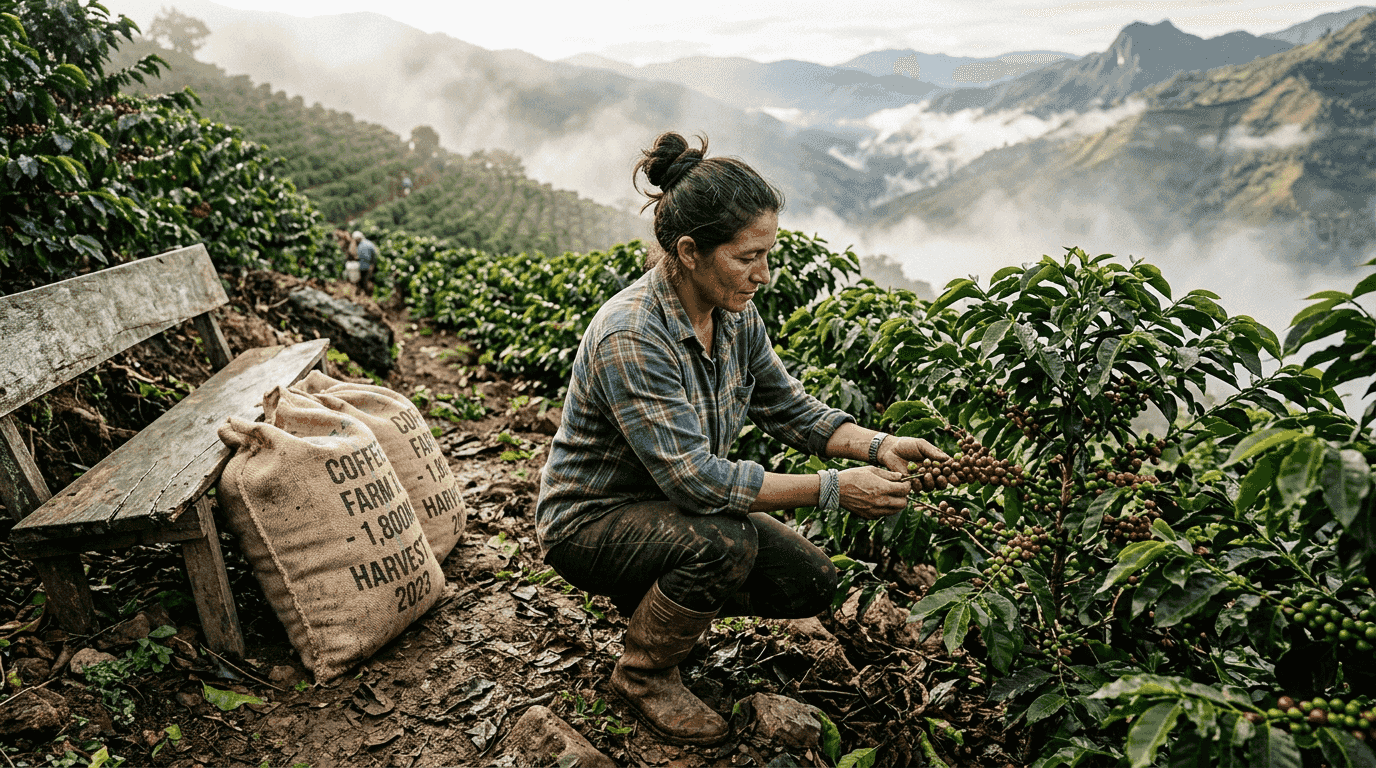
Most coffee drinkers believe roast level dictates flavor, but this overlooks a powerful truth. Higher altitudes yield denser beans with brighter acidity and intricate taste profiles that roasting alone cannot create. The soil beneath coffee plants, the timing of harvest, and regional climate interact to build chemical complexity long before beans reach the roaster. Understanding these origin factors transforms how you select and brew coffee, unlocking flavors you might never have experienced.
Table of Contents
- How Altitude And Climate Influence Coffee Flavor
- The Role Of Soil Composition And Terroir In Shaping Coffee Taste
- Harvest Timing And Processing Methods: Nuances In Coffee Flavor From Origin
- Applying Origin Knowledge To Enhance Your Brewing Experience
- Explore Specialty Coffee From Unique Origins
Key takeaways
| Point | Details |
|---|---|
| Altitude and climate shape bean chemistry | Cooler temperatures at high elevations slow cherry maturation, creating brighter acidity and layered flavors. |
| Soil minerals influence flavor compounds | Potassium and phosphorus-rich soils enhance sugars and acids that define unique taste characteristics. |
| Processing and harvest timing add complexity | Washed versus natural methods and seasonal variations alter volatile compounds and sensory profiles. |
| Origin knowledge improves brewing choices | Matching grind size, water temperature, and technique to origin-specific traits maximizes flavor extraction. |
How altitude and climate influence coffee flavor
Growing elevation dramatically affects the chemical makeup of coffee beans. Altitude impacts caffeine content, phenolic compounds, and aroma intensity, with higher farms producing denser beans packed with flavor precursors. When coffee plants grow at 1,200 meters or above, cooler temperatures slow cherry development, allowing sugars and organic acids to accumulate gradually.
This extended maturation period creates beans with pronounced acidity and complex flavor notes. You’ll notice Ethiopian Yirgacheffe coffees grown at 2,000 meters exhibit floral and citrus notes rarely found in low-altitude varieties. Temperature fluctuations, rainfall patterns, and sunlight exposure at different elevations trigger distinct biochemical responses in the plant.
Climate factors beyond altitude also play crucial roles. Consistent rainfall during flowering and cherry development ensures even sugar distribution, while dry periods before harvest concentrate flavors. Volcanic soils at high altitudes often drain well, preventing waterlogged roots that dilute taste compounds.
Pro Tip: When selecting beans, check both the origin country and specific growing region. A Colombian coffee from Huila (1,700-2,100 meters) will taste noticeably different from one grown in lower Tolima valleys, even when roasted identically.
Understanding these elevation and climate effects helps you predict flavor profiles:
- High-altitude beans (above 1,400m) typically show bright acidity, floral notes, and tea-like body
- Medium elevations (1,000-1,400m) balance acidity with sweetness and fuller body
- Low-altitude coffees (below 1,000m) tend toward earthy, nutty flavors with heavier mouthfeel
Exploring different coffee flavor profiles reveals how these altitude-driven characteristics manifest in your cup. Temperature, moisture, and elevation work together to shape the beans you ultimately brew.
The role of soil composition and terroir in shaping coffee taste
The ground beneath coffee trees contributes chemical building blocks that influence final cup quality. Mineral-rich soils containing potassium and phosphorus affect how cherries develop sugars and acids, creating region-specific flavor signatures. Volcanic regions like those in Guatemala and Costa Rica provide trace minerals that enhance complexity.
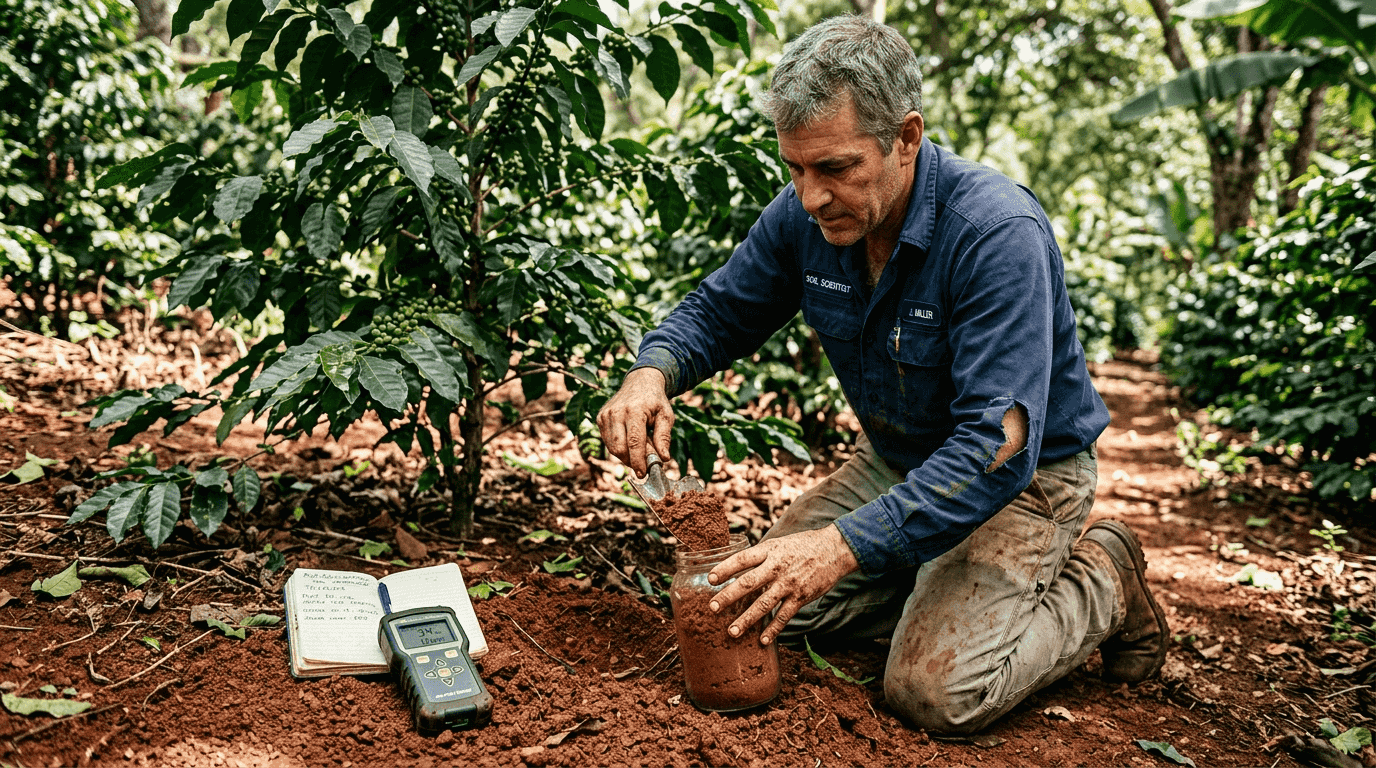
Organic matter in soil correlates positively with coffee quality scores. Decomposed plant material releases nitrogen and other nutrients that support healthy root systems, allowing plants to absorb flavor-building compounds efficiently. Soils with balanced pH levels (typically 6.0-6.5 for coffee) optimize nutrient availability, while extreme acidity or alkalinity blocks essential mineral uptake.
Terroir encompasses the complete environmental package: altitude, climate, soil composition, and even surrounding vegetation. This concept, borrowed from wine culture, explains why coffee from a specific farm tastes distinct even when processing and roasting remain constant. A Kenyan coffee grown in red volcanic soil tastes markedly different from a Brazilian bean cultivated in terra rossa, despite similar elevations.
Micronutrients like zinc, iron, and magnesium influence enzyme activity within coffee cherries, affecting how sugars transform during ripening. Calcium levels impact cell wall structure, which later affects how beans respond to roasting heat. These subtle soil variations create the diversity that specialty coffee enthusiasts seek.
Pro Tip: Look for origin descriptions that mention soil type, not just country or region. Farms detailing their terroir often produce more distinctive, traceable coffees worth exploring.
Key soil factors that shape taste include:
- Mineral composition determines available nutrients for flavor compound synthesis
- Drainage capacity affects root health and cherry consistency
- Organic content supports microbial activity that enhances soil fertility
- pH balance regulates nutrient absorption efficiency
Grasping the role of coffee origin means appreciating how invisible soil chemistry becomes visible in flavor. Terroir creates a fingerprint that skilled brewers learn to recognize and enhance through proper technique.
Harvest timing and processing methods: nuances in coffee flavor from origin
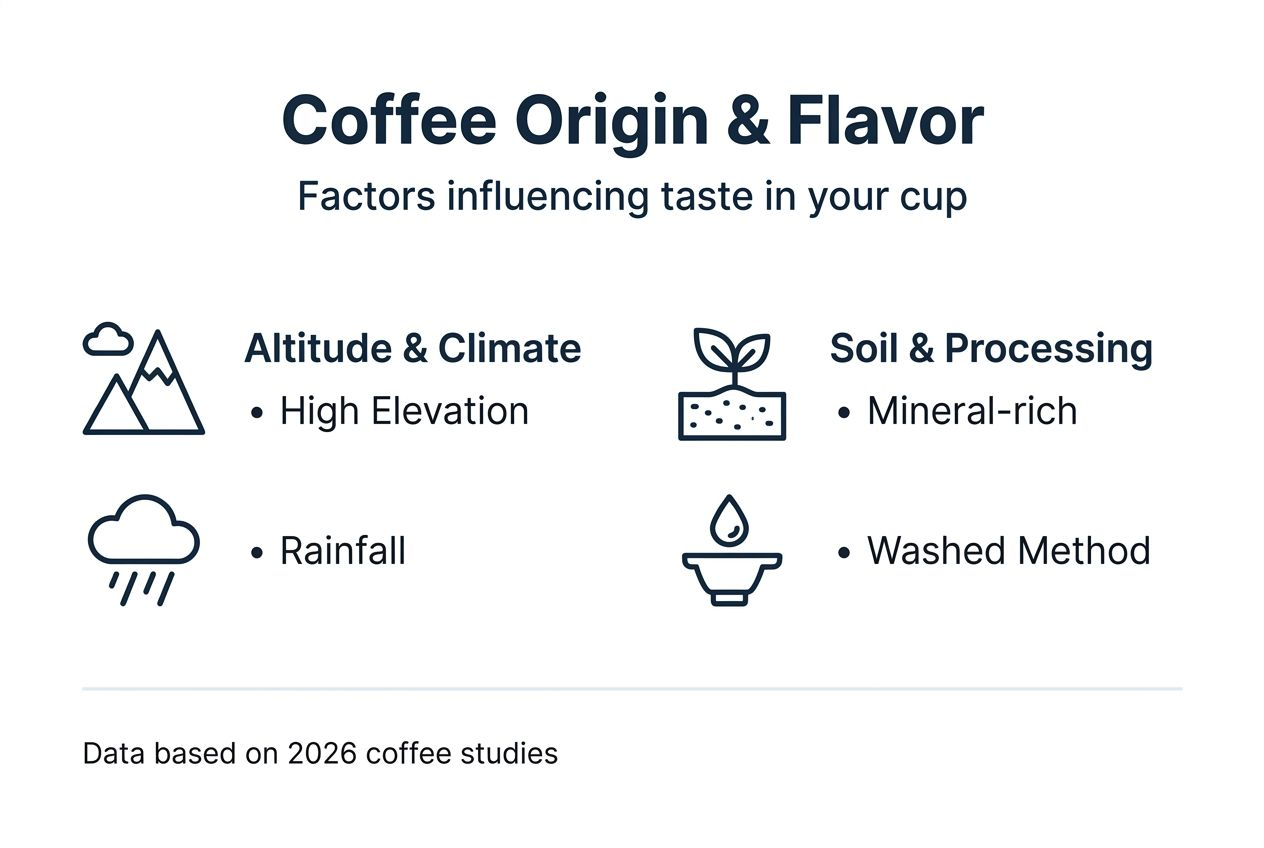
When farmers pick cherries significantly impacts the volatile compounds that create aroma and taste. Washed coffee shows better sensory scores during second harvests compared to first picks, demonstrating how seasonal timing interacts with processing to shape flavor. Early-season cherries may lack full sugar development, while late picks risk overfermentation on the branch.
Processing methods transform freshly picked cherries into green beans through distinct pathways that preserve or alter flavor precursors. Washed processing removes fruit pulp before drying, emphasizing clean acidity and origin-specific terroir characteristics. Natural processing dries whole cherries, allowing fruit sugars to ferment and infuse beans with fruity, wine-like notes. Honey processing falls between these extremes, leaving some mucilage during drying.
Each method affects volatile compound profiles differently. Washed beans retain more of the altitude and soil-driven flavors discussed earlier, making them ideal for showcasing pure origin character. Natural processing adds fermentation complexity that can either enhance or mask terroir, depending on execution quality. The same Ethiopian coffee processed three ways yields three distinct flavor experiences.
Harvest season variations matter because cherry ripeness at picking determines available sugars for fermentation. First harvests in regions with bimodal rainfall patterns often produce lighter, more delicate flavors. Second harvests benefit from optimal conditions, yielding fuller-bodied cups with concentrated sweetness.
Sequential processing steps compound origin effects:
- Cherry selection at harvest sets initial sugar and acid levels
- Fermentation duration and temperature during processing alter compound structures
- Drying speed and conditions preserve or degrade volatile aromatics
- Storage humidity and time before roasting impact flavor stability
Processing choices should match origin characteristics. High-altitude beans with inherent brightness shine when washed, while lower-elevation coffees gain complexity through natural processing. Understanding these interactions helps you predict how different origin-process combinations will taste.
This table compares processing impacts on origin flavor expression:
| Processing Method | Acidity Preservation | Body Character | Terroir Clarity | Fermentation Notes |
|---|---|---|---|---|
| Washed | High | Light to medium | Very clear | Minimal |
| Natural | Moderate | Full | Moderate | Prominent |
| Honey | Moderate to high | Medium to full | Clear | Present |
Exploring coffee roasting techniques reveals how roasters build on these processing-derived characteristics. Origin and processing create the foundation that roasting either highlights or obscures.
Applying origin knowledge to enhance your brewing experience
Knowing origin characteristics allows you to make informed purchasing decisions aligned with your taste preferences. If you enjoy bright, fruity coffees, seek high-altitude East African beans. For chocolatey, nutty profiles, explore Brazilian or Indonesian origins from lower elevations. Coffee beans contain bioactive compounds like caffeine and chlorogenic acids that brewing methods extract differently based on origin-specific density and structure.
Grind size adjustments optimize extraction for origin types. Dense high-altitude beans often require finer grinds to achieve full extraction, while softer low-elevation beans extract efficiently at coarser settings. Over-extracting delicate Ethiopian coffees turns pleasant acidity into harsh bitterness, whereas under-extracting robust Sumatran beans leaves desirable body untapped.
Water temperature interacts with bean density and solubility of origin-specific compounds. Lighter roasts of high-altitude coffees benefit from hotter water (195-205°F) to extract complex acids and aromatics. Darker roasts or naturally processed beans may taste better at slightly lower temperatures (185-195°F) to avoid emphasizing bitter compounds developed during fermentation or roasting.
Brewing method selection amplifies origin strengths. Pour over techniques highlight the clarity and brightness of washed, high-altitude coffees. Immersion methods like French press emphasize body and sweetness in naturally processed or lower-altitude beans. Espresso concentrates origin characteristics, making terroir differences more pronounced.
Pro Tip: Keep brewing notes for different origins, recording grind size, water temperature, and extraction time. You’ll develop an intuitive sense of how to adjust variables for each origin type, consistently producing better cups.
Practical brewing adjustments by origin:
- Ethiopian Yirgacheffe (high altitude, washed): Fine grind, 200°F water, pour over for floral clarity
- Colombian Huila (high altitude, various processing): Medium-fine grind, 195-200°F, versatile across methods
- Brazilian Santos (lower altitude, natural): Medium-coarse grind, 190°F, French press for full body
- Sumatran Mandheling (medium altitude, wet-hulled): Coarse grind, 195°F, cold brew for smooth earthiness
Understanding why origin matters helps you move beyond trial and error toward systematic flavor optimization. The interplay between origin, processing, roasting, and brewing creates infinite possibilities for refining your coffee ritual.
Experimenting with single origin coffees trains your palate to recognize terroir signatures. Over time, you’ll taste a new coffee and accurately predict optimal brewing parameters based on origin cues alone, transforming every cup into an expression of place.
Explore specialty coffee from unique origins
Now that you understand how altitude, soil, and processing shape flavor, it’s time to experience these principles firsthand. House Coffee’s specialty coffee collection features carefully sourced single-origin beans from diverse growing regions, each showcasing distinct terroir characteristics you’ve learned to recognize.
Every coffee tells a story of its origin through flavor. Our detailed brewing guides provide specific recommendations for extracting the best from each origin, matching your newfound knowledge with practical techniques. Pair your beans with quality brewing essentials designed to highlight origin-specific nuances, completing your journey from understanding to exceptional taste.
FAQ
What is the impact of altitude on coffee flavor?
Higher altitudes produce denser beans with brighter acidity and more complex flavor profiles. Cooler temperatures slow cherry maturation, allowing sugars and acids to develop fully, creating the floral and fruity notes prized in specialty coffee. Elevation above 1,400 meters typically yields the most sought-after flavor characteristics.
How does soil composition alter coffee’s taste?
Soils rich in potassium and phosphorus enhance sugars and acids that define flavor profiles. Volcanic soils provide trace minerals that add complexity, while organic matter supports root health and nutrient absorption. Soil pH and drainage affect how plants synthesize flavor compounds during cherry development.
Why do processing methods impact coffee flavor?
Processing alters volatile profiles that determine aroma and acidity perceived in your cup. Washed methods preserve origin-specific terroir, while natural processing adds fermentation notes. Different techniques suit different origin beans, with farmers choosing methods that optimize their specific terroir’s strengths for maximum flavor expression.
Can brewing technique compensate for origin differences?
Brewing adjustments optimize but cannot fundamentally change origin characteristics. You can enhance or diminish specific flavor notes through grind size, temperature, and method selection. However, a low-altitude Brazilian coffee will never taste like a high-altitude Ethiopian, regardless of brewing skill. Technique works with origin, not against it.
How do I identify my preferred coffee origins?
Start by sampling single-origin coffees from different regions and elevations, noting which flavors appeal to you. Keep tasting notes recording acidity, body, and flavor descriptors. Over time, patterns emerge showing preferences for specific origin characteristics, guiding future purchases toward regions that consistently match your taste profile.
Recommended
- What is coffee flavor profile? A 2026 guide for enthusiasts – House Coffee
- Coffee Flavor Profiles Explained: Tasting the Difference – House Coffee
- Role of Coffee Origin – Elevating Flavor and Ethics – House Coffee
- Why Origin Matters in Coffee – Unlocking Real Flavor – House Coffee
- Colombia – Adira Coffee US
-
Posted in
en, role of origin in coffee flavor