Coffee Flavor Profiles Explained: Tasting the Difference
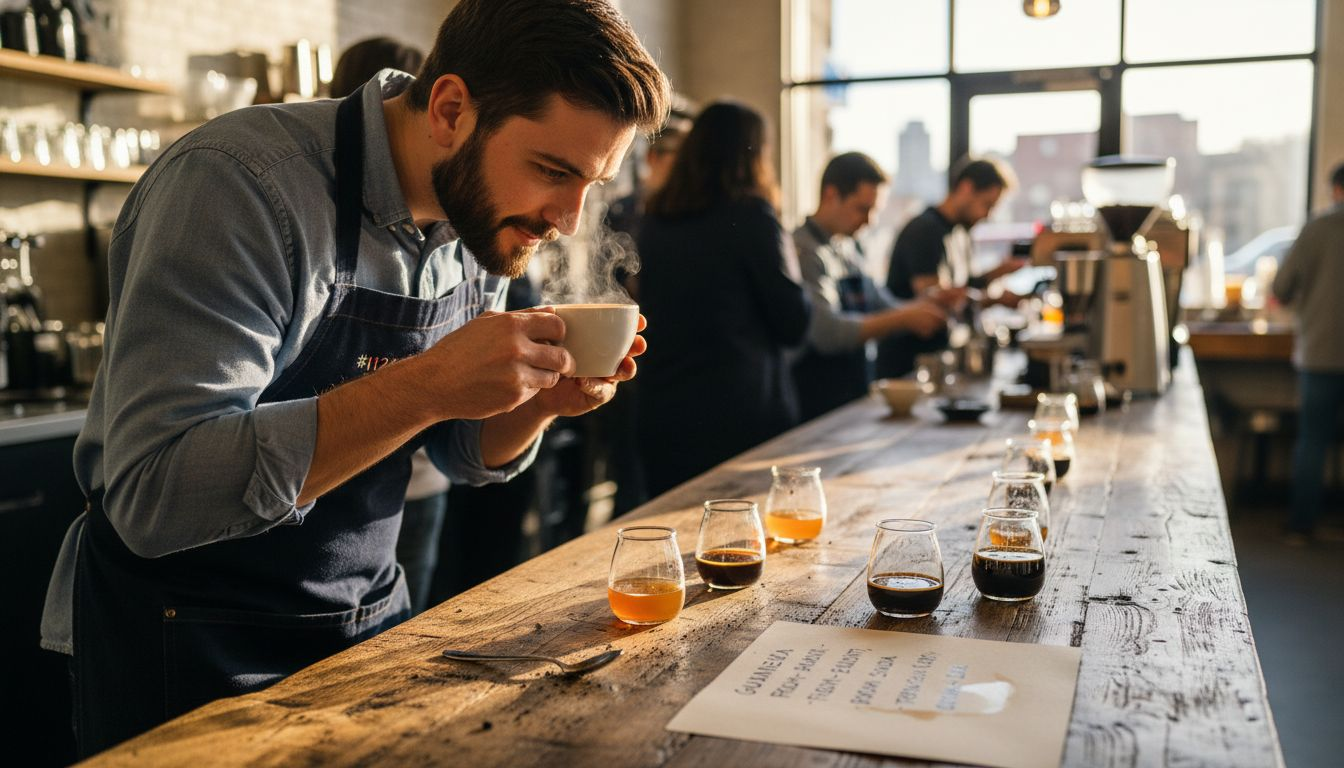
The path from a tropical mountainside to your favorite mug is more than a journey—it is the story behind every sip you taste. Global coffee fans know that where a bean is grown and how it is processed shape the experience in complex ways, with factors like altitude, soil, and climate each leaving their unique mark. Here, you will discover how origin and processing create the distinctive profiles that set specialty coffees apart, empowering you to enhance your home brewing and savor every note.
Table of Contents
- How Origin And Processing Shape Taste
- Decoding Acidity, Body, And Aroma
- Impact Of Roast Level On Flavor Notes
- Common Mistakes When Comparing Profiles
Key Takeaways
| Point | Details |
|---|---|
| Origin Factors Shape Taste | Coffee flavor is influenced by geographic location, altitude, climate, and soil composition, creating distinct flavor profiles. |
| Processing Methods Matter | The way coffee beans are processed (washed, natural, or honey) significantly alters their flavor and body characteristics. |
| Roast Levels Transform Flavors | Light, medium, and dark roasts highlight different flavor attributes, impacting acidity, sweetness, and the visibility of origin characteristics. |
| Tasting Consistency is Key | To accurately compare coffees, use identical brewing methods and standardized terminology to avoid confusion caused by subjective tastes. |
content
How Origin and Processing Shape Taste
Where your coffee grows determines its flavor before roasting even begins. Geographic location acts like an invisible fingerprint on every bean, creating distinct taste signatures impossible to replicate elsewhere.
Altitude, soil composition, and climate work together to shape how coffee plants develop. Beans grown at higher elevations tend to have more acidity and complexity because cooler temperatures slow ripening, allowing more flavor compounds to develop. Rich volcanic soil in regions like Ethiopia or Central America imparts mineral notes and brightness that you’ll taste in your cup.
Coffee flavor is heavily influenced by genetic variety and environmental conditions at the origin, creating regional character that specialty coffee lovers seek out.
Here’s what origin factors contribute:
- Altitude: Higher elevations produce more nuanced, acidic flavors
- Climate: Rainfall and temperature patterns affect sugar development
- Soil: Volcanic or mineral-rich soils create distinctive tasting notes
- Latitude: Equatorial and tropical regions have ideal growing conditions
But origin is only half the story. Processing method transforms those beans dramatically after harvest.
The difference between washed, natural, and honey processing fundamentally changes what you taste. Washed processing removes the fruit before drying, resulting in cleaner, brighter acidity. Natural processing leaves the fruit intact longer, creating fruitier, fuller body. Honey processing splits the difference, balancing sweetness with complexity.
Here’s a quick guide to how processing methods impact coffee flavor and body:
| Processing Method | Flavor Profile | Typical Body | Common Aromas |
|---|---|---|---|
| Washed | Clean, bright acidity | Light to medium | Floral, citrus |
| Natural | Fruity, wine-like | Medium to heavy | Berry, fermented fruit |
| Honey | Sweet, balanced | Medium | Caramel, stone fruit |
The journey from farm to cup involves numerous stages where processing methods like washed, natural, or honey approaches influence flavor complexity and acidity.
Think of it this way: two beans from the same farm processed differently taste like entirely different coffees. A natural-processed Ethiopian bean bursts with berry and wine notes, while a washed version highlights florals and tea-like qualities.
Your brewing decisions matter too. Single-origin coffees let you experience these subtle differences clearly because you’re tasting one place’s story, not a blend masking regional characteristics.
Pro tip: When trying a new single-origin coffee, brew it the way the producer recommends first—they’ve already dialed in the best method to showcase that bean’s origin and processing characteristics.
Decoding Acidity, Body, and Aroma
Three sensory pillars define how coffee tastes: acidity, body, and aroma. Each one tells a different part of your coffee’s story, and understanding them transforms how you experience every cup.
Acidity is brightness. It’s not sourness—it’s the lively, crisp quality that makes your mouth water slightly and keeps the flavor vibrant. Light roasts and high-altitude beans typically have higher acidity, giving them that clean, sparkling quality you notice immediately.

Think of acidity like the snap in a lemon versus the mellowness of ripe fruit. Both exist in coffee, depending on origin and roast level. Without acidity, your coffee tastes flat and dull.
Body is mouthfeel—the tactile weight coating your tongue and throat. A full-bodied coffee feels heavy and rich, like whole milk. A light-bodied coffee feels thin and delicate, like tea. The balance of acidity and body changes with roast level and brewing method, so your brewing choices matter significantly.
Here’s how these three interact:
- Acidity: Adds brightness and liveliness to every sip
- Body: Provides fullness, texture, and richness on your palate
- Aroma: Delivers distinct sensory notes—fruity, floral, nutty, chocolate
Aroma might be the most magical element. Coffee’s aroma is composed of hundreds of volatile compounds working together to create complex scent profiles. Your nose detects these compounds before your taste buds engage, shaping your entire tasting experience.
Notice how coffee aroma affects your overall flavor experience and what you perceive as taste. When you hold coffee in your mouth and inhale gently, you’re breathing those volatile compounds up the back of your nose, which is where real flavor perception happens.
A fruity Ethiopian might smell like blueberries and citrus. A chocolatey Brazilian might smell earthy and sweet. These aromatic clues tell you what flavor compounds exist in your cup before you even taste.
Acidity adds brightness, body provides fullness, and aroma delivers the sensory notes that make each origin taste unique and memorable.
When tasting specialty coffee, train yourself to notice each element separately. First, smell deeply. Then taste, paying attention to brightness. Finally, feel the weight on your tongue. This three-part awareness reveals layers most people miss.
Pro tip: Taste your coffee at different temperatures—the flavor compounds shift dramatically as it cools, revealing new aromatic notes and texture changes you wouldn’t catch in a single hot sip.
Impact of Roast Level on Flavor Notes
Roast level is the single biggest flavor transformer in coffee. It’s the moment when green, grassy beans become the rich, aromatic product you recognize. Understanding roast levels helps you choose beans that match your taste preferences.
Light roasts preserve the bean’s origin character. These coffees highlight fruity, floral, and tea-like qualities because they haven’t been exposed to high heat long enough to develop heavy compounds. When you taste a light-roasted Ethiopian or Kenyan, you’re experiencing what that particular farm’s terroir created.
Light roasts also retain higher acidity, giving them brightness and complexity. This is why specialty coffee enthusiasts often prefer light roasts—they showcase the coffee’s unique story.
Medium roasts balance origin flavors with roaster-developed notes. You get some of the bean’s natural characteristics while developing caramel sweetness and body. This middle ground appeals to many home brewers because it’s versatile and forgiving.
Dark roasts emphasize bold, roasted flavors. Roasting transforms beans through stages like the Maillard reaction and caramelization, and dark roasts push these reactions further. You taste chocolate, smoke, caramel, and sometimes bitter notes instead of the bean’s origin flavors.
Here’s what changes across roast levels:
- Light: Bright acidity, fruity and floral notes, origin-forward flavors
- Medium: Balanced sweetness, moderate acidity, caramel and nutty notes
- Dark: Low acidity, full body, smoky and bold flavors, origin characteristics fade
Light roasts preserve original characteristics like fruity and floral notes, while dark roasts emphasize bitter, smoky, and caramelized flavors. The transformation happens because longer roasting develops new compounds while destroying delicate aromatic ones.
When you’re learning to taste coffee, understanding how freshness affects roast level impact matters significantly. Freshly roasted beans showcase their profile better than stale ones because aromatic compounds degrade over time.
Light roasts reveal a coffee’s origin story through bright acidity and delicate flavors, while dark roasts create bold, roasted characteristics that mask where the bean came from.
Your brewing method should match roast level. Light roasts shine in pour-overs and Aeropress brewers that highlight clarity. Dark roasts work beautifully in French presses and espresso machines where heavier body adds richness.
Below is a summary of how key variables influence coffee tasting experience:
| Variable | Effect on Flavor | What Changes Most |
|---|---|---|
| Origin (geography) | Unique taste signature | Acidity, aroma |
| Roast Level | Transforms flavor depth | Sweetness, bitterness |
| Brewing Method | Highlights or suppresses notes | Body, clarity |
| Freshness | Preserves aromatic compounds | Overall intensity |
Pro tip: Start with medium roasts to develop your palate, then experiment with light roasts to appreciate origin flavors, and finally try dark roasts to understand how roasting fundamentally changes what you taste.
Common Mistakes When Comparing Profiles
Comparing coffee flavor profiles seems straightforward until you actually try it. Most people stumble into the same traps, mistaking brewing variables for origin differences or using vague language that leads nowhere.
The biggest mistake is blaming the coffee for problems caused by brewing. You brew two coffees differently—one in a French press, one in a pour-over—and conclude one tastes better. Wrong. The brewing method changed the flavor profile dramatically, not the coffee’s inherent quality.
Temperature, water quality, grind size, and brew time all affect what you taste. If you want fair comparisons, brew both coffees identically.
Another critical error is using inconsistent terminology. Calling one coffee “fruity” and another “tangy” means nothing because you’re describing the same thing differently. Standardized flavor terminology reduces confusion and allows objective comparisons between different coffees and tasters.
Vague language creates confusion:
- “Fruity” could mean berry, stone fruit, tropical, or citrus—all taste different
- “Acidic” might mean bright acidity or sour notes—completely opposite experiences
- “Full-bodied” could describe richness or just heaviness
Ignoring your own sensory biases is mistake number three. Your palate changes based on what you ate earlier, whether you’re tired, or even time of day. Tasting coffee when hungry versus after a meal produces different perceptions. Consistency in tasting conditions matters more than you’d think.
Many enthusiasts also confuse roast level effects with origin characteristics. They taste a dark roast and assume the coffee’s origin is inferior because they can’t detect fruity notes. But dark roasting intentionally masks origin character in favor of roasted flavors. That’s not a flaw—it’s the roaster’s choice.
Using proper tools helps avoid these pitfalls:
- Flavor wheel: Provides standardized descriptors for consistent language
- Identical brewing method: Eliminates variables between comparisons
- Consistent tasting conditions: Same time, similar meals, alert mind
- Written notes: Recording impressions prevents memory bias
The coffee flavor wheel helps tasters develop objectivity and identify specific flavor notes accurately, avoiding common pitfalls in flavor comparison.
One final mistake: expecting immediate expertise. Flavor profiling develops over months and years, not days. Your palate needs time to train, and your vocabulary needs building. Start simple, focus on one aspect at a time, and build from there.
When comparing two coffees, separate these clearly: origin characteristics, roast level effects, and brewing method results. This clarity transforms comparison from guesswork into genuine learning.
Pro tip: Brew the same coffee three different ways in one session, then taste each version side-by-side—you’ll instantly understand how much brewing method influences flavor perception and stop blaming the coffee unfairly.
Discover Your Perfect Coffee Flavor with House Coffee
Understanding coffee flavor profiles can feel overwhelming, especially when trying to navigate origins, roast levels, and processing methods. You want to experience bright acidity or a full-bodied cup but struggle to find single-origin coffees that truly deliver on their unique taste stories. At House Coffee, we make it simple to explore the diverse world of specialty beans crafted with care to highlight these nuanced flavor differences.
Dive into our Specialty Coffee and Gold Collection – House Coffee to discover ethically sourced, fresh beans that reflect the terroir and processing techniques that excite your palate. Whether you crave floral notes from a washed Ethiopian or rich chocolate undertones from a medium roast, our curated collections offer premium coffees tailored to your taste. Start your journey now at House Coffee and unlock the full spectrum of coffee flavor profiles from the comfort of home.
Frequently Asked Questions
What factors determine the flavor profile of coffee?
The flavor profile of coffee is primarily determined by its geographic origin, including altitude, soil composition, climate, and processing method. These elements interact to create distinct taste signatures that vary widely between different coffees.
How does the processing method affect coffee flavor?
The processing method fundamentally changes coffee flavor. Washed processing results in cleaner, brighter tastes, while natural processing creates fruitier, fuller-bodied flavors. Honey processing strikes a balance between sweetness and complexity, impacting the overall taste experience.
What is the difference between light, medium, and dark roasts?
Light roasts preserve the original characteristics of the bean, highlighting fruity and floral notes with higher acidity. Medium roasts provide a balance of origin flavors and roaster-developed sweetness. Dark roasts emphasize bold, roasted flavors and often mask the original bean’s characteristics.
How can I effectively compare different coffee profiles?
To effectively compare different coffee profiles, brew each coffee using the same method to eliminate brewing variables. Use consistent terminology to describe flavors, note your sensory experiences in similar conditions, and employ tools like a flavor wheel for accurate identification of taste notes.
Recommended
-
Posted in
coffee flavor profiles explained, en