Why buy whole bean coffee for premium flavor in 2026
Many coffee lovers assume pre-ground coffee offers the same rich taste and aroma as whole beans, simply with added convenience. This misconception costs you flavor every single day. Recent research challenges the idea that freshly roasted and immediately ground coffee always delivers the best experience, revealing that post-roast maturation can enhance flavor complexity in surprising ways. This guide explores why whole bean coffee preserves delicate oils and aromatic compounds better than pre-ground alternatives, how ethical sourcing practices elevate quality, and which brewing techniques unlock premium flavor at home.
Table of Contents
- How Whole Bean Coffee Preserves Flavor And Aroma
- Ethical Sourcing And Quality Control Advantages Of Whole Bean Specialty Coffee
- The Impact Of Post-Roast Maturation And Brewing Techniques Using Whole Bean Coffee
- Choosing And Grinding Whole Bean Coffee For The Best Home Brewing Experience
- Discover Premium Whole Bean Coffee At House Coffee
Key takeaways
| Point | Details |
|---|---|
| Flavor preservation | Whole beans protect volatile oils and aromatic compounds until grinding, delivering richer taste and fragrance than pre-ground alternatives. |
| Faster oxidation | Grinding increases surface area exposed to oxygen, causing pre-ground coffee to lose freshness within days compared to weeks for whole beans. |
| Ethical advantages | Direct trade models for specialty whole bean coffee can pay farmers 25-100% more than Fair Trade, funding quality improvements and sustainability. |
| Maturation benefits | Post-roast aging can enhance flavor complexity similar to wine or cheese, challenging assumptions about freshly roasted coffee being superior. |
| Brewing control | Freshly ground beans enable proper bloom technique in pour-over methods, releasing CO2 for even extraction and balanced flavor profiles. |
How whole bean coffee preserves flavor and aroma
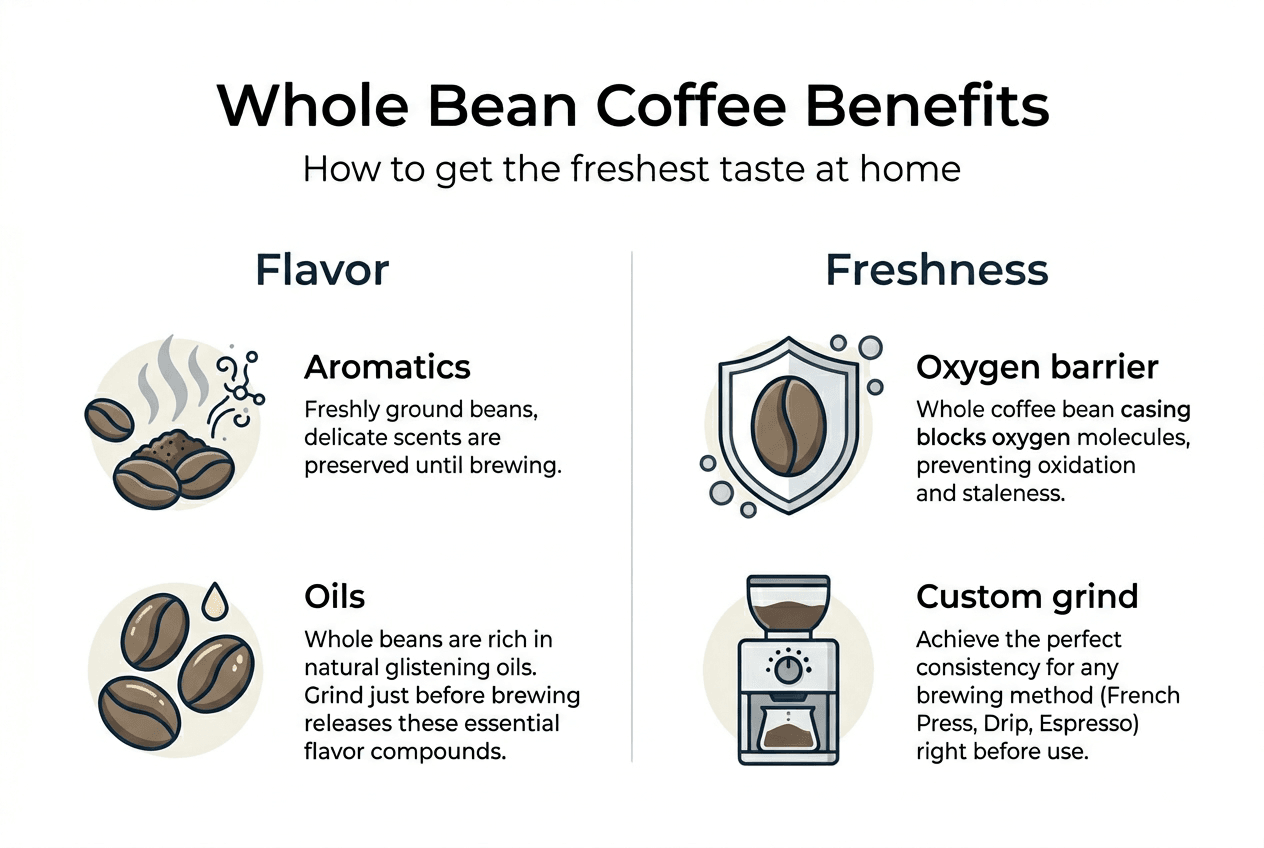
The moment you grind coffee beans, you start a countdown to flavor loss. Whole beans protect volatile oils and aromatic compounds until grinding, delivering richer taste and aroma that pre-ground coffee simply cannot match. These delicate oils contain hundreds of flavor molecules responsible for the complex sensory experience you crave in premium specialty coffee.
Grinding dramatically increases the surface area exposed to oxygen, accelerating oxidation that degrades these precious compounds. Pre-ground coffee begins losing its vibrant characteristics within hours of grinding, with noticeable staleness setting in after just a few days. Whole beans, by contrast, maintain their integrity for weeks when stored properly, giving you control over when flavor degradation begins.
This preservation advantage translates directly to your cup. Coffee ground minutes before brewing releases a fragrant bloom of aromatics that pre-ground coffee lost days or weeks ago. The difference becomes immediately apparent in both scent and taste, with freshly ground beans producing brighter acidity, more nuanced sweetness, and cleaner finish notes.
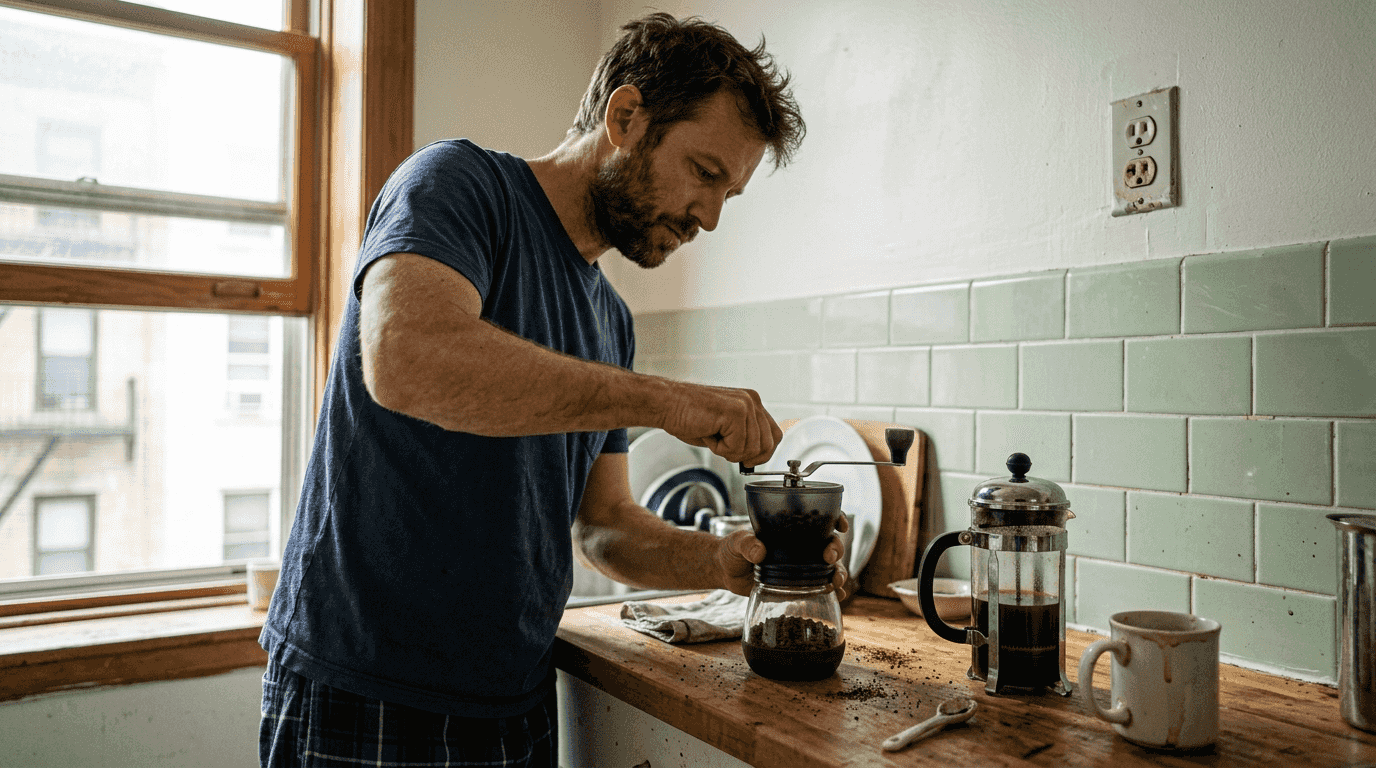
Customizing your grind size for different brewing methods represents another crucial advantage. Espresso demands fine grounds for proper extraction under pressure, while French press requires coarse grounds to prevent over-extraction and bitterness. Grinding coffee at home for flavor gives you this precision, impossible with one-size-fits-all pre-ground options.
Proper storage extends whole bean freshness significantly. Keep beans in an airtight container away from light, heat, and moisture. Avoid the refrigerator or freezer, as temperature fluctuations introduce condensation that accelerates staling. A cool, dark pantry maintains optimal conditions for preserving those volatile compounds you paid premium prices to enjoy.
Pro Tip: Purchase only what you can consume within two to three weeks of the roast date. Even perfectly stored whole beans gradually lose complexity over time, though much more slowly than pre-ground alternatives.
Consider these practical preservation strategies:
- Buy smaller quantities more frequently rather than bulk purchases that sit for months
- Transfer beans immediately from original packaging to a dedicated airtight coffee canister with a one-way valve
- Never store beans near spices or other aromatic foods that can transfer flavors through packaging
- Mark purchase dates on containers to track freshness and rotate stock properly
The science supports what your senses tell you. Whole bean coffee delivers superior flavor and aroma because it protects the delicate compounds that create memorable coffee experiences, giving you control over when and how to release them.
Ethical sourcing and quality control advantages of whole bean specialty coffee
Buying whole bean specialty coffee often means supporting ethical sourcing practices that transform farming communities and elevate quality standards. Direct trade models can result in farmers receiving 25-100% more than Fair Trade prices, enabling crucial investments in sustainable farming techniques and quality control improvements that benefit everyone in the supply chain.
This higher compensation creates a virtuous cycle. Farmers earning fair wages can afford to implement better agricultural practices, from shade-grown cultivation that protects ecosystems to selective harvesting that ensures only ripe cherries make it to processing. These improvements directly impact the beans you grind at home, producing cleaner flavors and more consistent quality.
Ethical sourcing involves building farmer relationships, fair pay, and sustainable practices that extend far beyond certification labels. Specialty roasters developing direct relationships with producers gain unprecedented transparency into growing conditions, processing methods, and harvest timing. This traceability ensures you receive beans grown with care and processed with expertise.
The quality difference becomes tangible in your cup. Farmers invested in their craft produce beans with distinctive terroir characteristics, expressing the unique soil, climate, and altitude of their specific micro-region. Mass-market pre-ground coffee typically blends beans from multiple origins to achieve consistency, erasing these nuanced flavor signatures that make specialty coffee special.
Supporting these ethical purchasing decisions extends benefits beyond your morning routine. Fair compensation enables farming families to invest in education, healthcare, and community infrastructure. Environmental stewardship practices preserve biodiversity and protect watersheds that entire regions depend on. Your coffee purchase becomes a vote for a more sustainable and equitable global coffee industry.
Consider these ethical sourcing indicators when selecting whole bean coffee:
- Transparent origin information listing specific farms or cooperatives rather than vague regional designations
- Roaster relationships documented through farm visits, photos, and detailed producer stories
- Pricing that reflects quality premiums paid to farmers, not just retail markup
- Certifications like Rainforest Alliance or organic that verify environmental practices, though direct trade often exceeds these minimum standards
Specialty roasters committed to ethical coffee sourcing typically focus on whole bean sales because these customers value quality and traceability. Pre-ground coffee appeals to convenience-focused buyers less likely to investigate sourcing practices, creating market incentives that perpetuate lower standards.
The connection between ethical sourcing and superior quality runs deep. Farmers earning sustainable incomes can focus on excellence rather than survival, experimenting with processing methods and varietals that push flavor boundaries. Your support for these practices through whole bean purchases helps build a coffee industry that values people and planet alongside profit.
Exploring specialty coffee collections curated with ethical sourcing in mind reveals the remarkable diversity that responsible farming practices unlock. Each origin tells a story of dedication, craftsmanship, and community that you taste in every cup.
The impact of post-roast maturation and brewing techniques using whole bean coffee
The conventional wisdom that coffee tastes best immediately after roasting deserves closer examination. Post-roast maturation can produce sensory changes without preference disadvantage compared to freshly roasted coffee, with 70% of people able to distinguish matured beans but showing no clear flavor preference. This challenges the rush to consume coffee within days of roasting.
Maturation allows flavors to integrate and mellow, similar to aging wine or cheese. Freshly roasted beans often taste sharp or one-dimensional as volatile compounds remain in flux. Allowing beans to rest for 7 to 14 days after roasting can enhance complexity, developing deeper chocolate notes, smoother body, and more balanced acidity that many coffee lovers prefer.
Grinding whole beans immediately before brewing preserves these maturation nuances that pre-ground coffee loses through oxidation. The aromatics that develop during post-roast aging remain locked inside whole beans until you release them through grinding, ensuring you experience the full flavor potential that time and chemistry created.
Proper brewing technique amplifies these advantages.
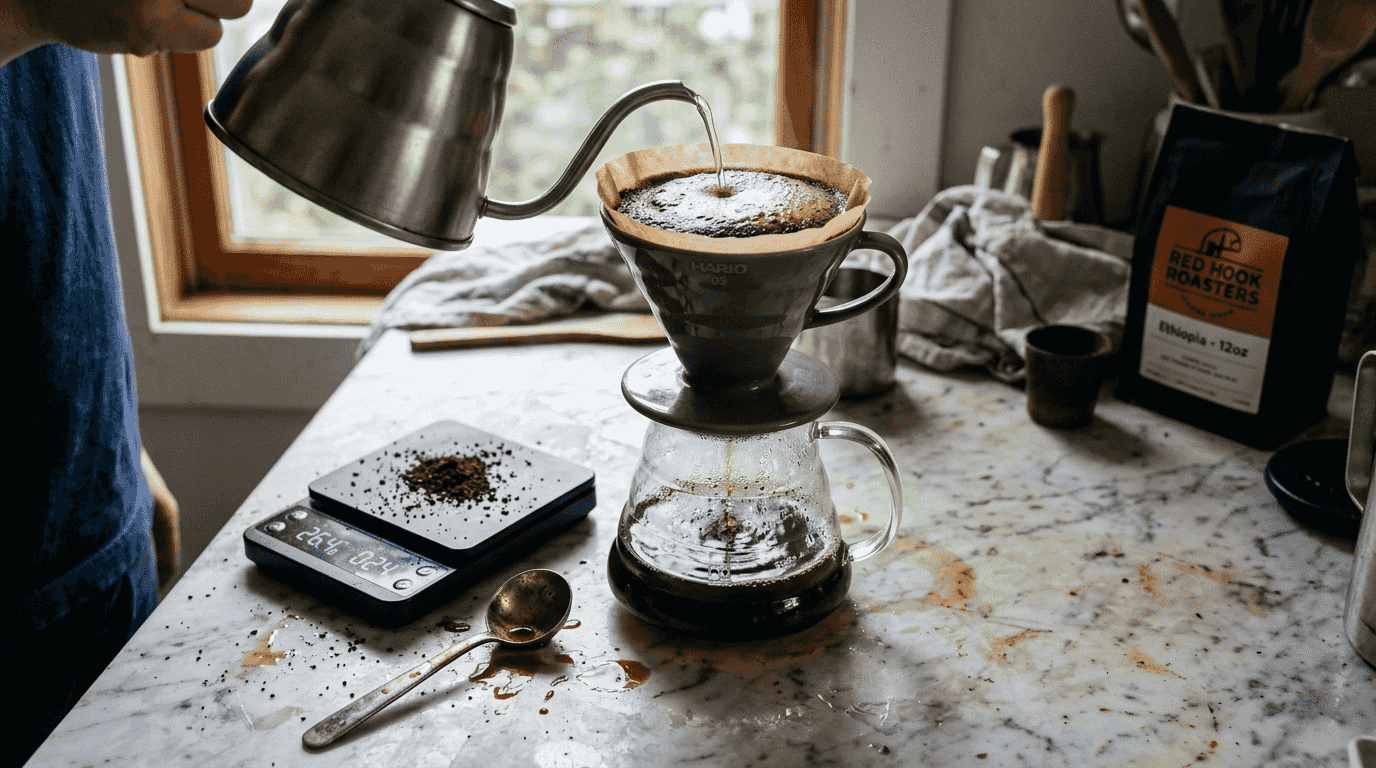
Skipping the bloom creates channeling, where water finds paths of least resistance through the coffee bed rather than extracting evenly. This produces sour, weak coffee with harsh edges because some grounds over-extract while others barely get wet. The bloom solves this by degassing beans before full brewing begins.
Compare brewing approaches for optimal extraction:
| Method | Grind Size | Bloom Duration | Total Brew Time |
|---|---|---|---|
| Pour-over | Medium-fine | 30-45 seconds | 3-4 minutes |
| French press | Coarse | Not required | 4 minutes |
| Espresso | Fine | Built into pre-infusion | 25-30 seconds |
| Cold brew | Extra coarse | Not applicable | 12-24 hours |
Follow these steps for perfect pour-over bloom technique:
- Grind beans immediately before brewing to preserve CO2 and aromatic compounds
- Use water just off boil, around 200°F, for optimal extraction temperature
- Pour twice the weight of water as coffee grounds, saturating all grounds evenly
- Wait 30 to 45 seconds as grounds expand and release gas bubbles
- Continue pouring in slow, circular motions to maintain even saturation throughout brewing
Pro Tip: If your coffee doesn’t bloom significantly, it may be stale or degassed. Fresh whole beans should bubble and expand noticeably during bloom, a visual indicator of quality and freshness.
Understanding these timing nuances helps you make informed decisions about when to buy and brew coffee. Some origins and roast levels benefit from longer maturation periods, while others peak earlier. Experimenting with your specialty coffee brewing helps you discover personal preferences.
Investing in a quality pour over coffee maker gives you the control needed to execute proper bloom technique. The ritual of manual brewing connects you more deeply with the coffee while ensuring optimal extraction that automatic drip machines often miss.
The interplay between maturation timing and brewing technique reveals why whole bean coffee offers superior experiences. You control both when to grind and how to extract, maximizing the flavor potential that ethical sourcing and careful roasting created.
Choosing and grinding whole bean coffee for the best home brewing experience
Selecting quality whole beans starts with finding roasters committed to transparency and freshness. Look for packaging that displays roast dates rather than vague best-by dates, ensuring you know exactly how fresh your coffee is. Specialty roasters typically roast in small batches and ship within days, delivering beans at their flavor peak.
Origin information matters significantly. Single-origin coffees showcase distinctive characteristics from specific regions, farms, or even individual lots. Ethiopian beans might offer floral and fruity notes, while Colombian beans lean toward chocolate and nuts. Understanding these regional profiles helps you select beans matching your taste preferences.
Investing in a quality grinder transforms your coffee experience more than any other equipment upgrade. Blade grinders create inconsistent particle sizes that extract unevenly, producing muddled flavors. Burr grinders crush beans uniformly, ensuring even extraction and clean taste profiles. Conical burr models offer excellent performance at reasonable prices for home use.
Grind only what you need immediately before brewing to minimize oxidation. Measure your dose first, then grind that exact amount. This discipline preserves the remaining beans in your bag while ensuring maximum freshness in your cup. The difference between coffee ground five minutes ago versus five hours ago is dramatic.
Dialing in your grind size for different brewing methods requires experimentation. Start with manufacturer recommendations, then adjust based on taste. If coffee tastes sour or weak, grind finer to increase extraction. If it tastes bitter or harsh, grind coarser to reduce extraction. Small adjustments create significant flavor changes.
Storage practices protect your investment in quality beans. Transfer whole beans from their original bag into an airtight container with a one-way valve that allows CO2 to escape without letting oxygen in. Keep this container in a cool, dark cabinet away from heat sources like stoves or dishwashers.
Pro Tip: Avoid grinding your entire bag at once, even if you plan to use it quickly. Each grinding session exposes only a small portion to oxidation, keeping the rest protected until needed.
Consider these selection criteria when purchasing whole beans:
- Roast date within the past two to three weeks for optimal freshness
- Transparent sourcing information identifying specific farms or cooperatives
- Roast level matching your taste preferences, from light to dark
- Packaging that protects beans from light and oxygen during storage
- Roaster reputation for quality and consistency based on reviews and recommendations
Experimenting with different origins and roast levels expands your palate and helps you discover unexpected favorites. Grinding coffee at home gives you the flexibility to try various brewing methods without committing to pre-ground coffee that limits your options.
Learning to select premium coffee beans involves developing your sensory awareness. Pay attention to aroma, acidity, body, and finish in each cup. Keep notes on what you enjoy and what falls flat, building a personal flavor map that guides future purchases.
The ritual of grinding fresh beans each morning becomes a meditative practice that enhances your coffee experience beyond mere caffeine delivery. The aroma released during grinding, the sound of burrs crushing beans, and the anticipation of that first sip create a sensory journey that pre-ground coffee cannot replicate.
Discover premium whole bean coffee at House Coffee
Now that you understand why whole bean coffee delivers superior flavor, ethical value, and brewing control, it’s time to experience these benefits firsthand. House Coffee curates an exceptional selection of ethically sourced, single-origin Arabica beans that showcase the quality and craftsmanship discussed throughout this guide.
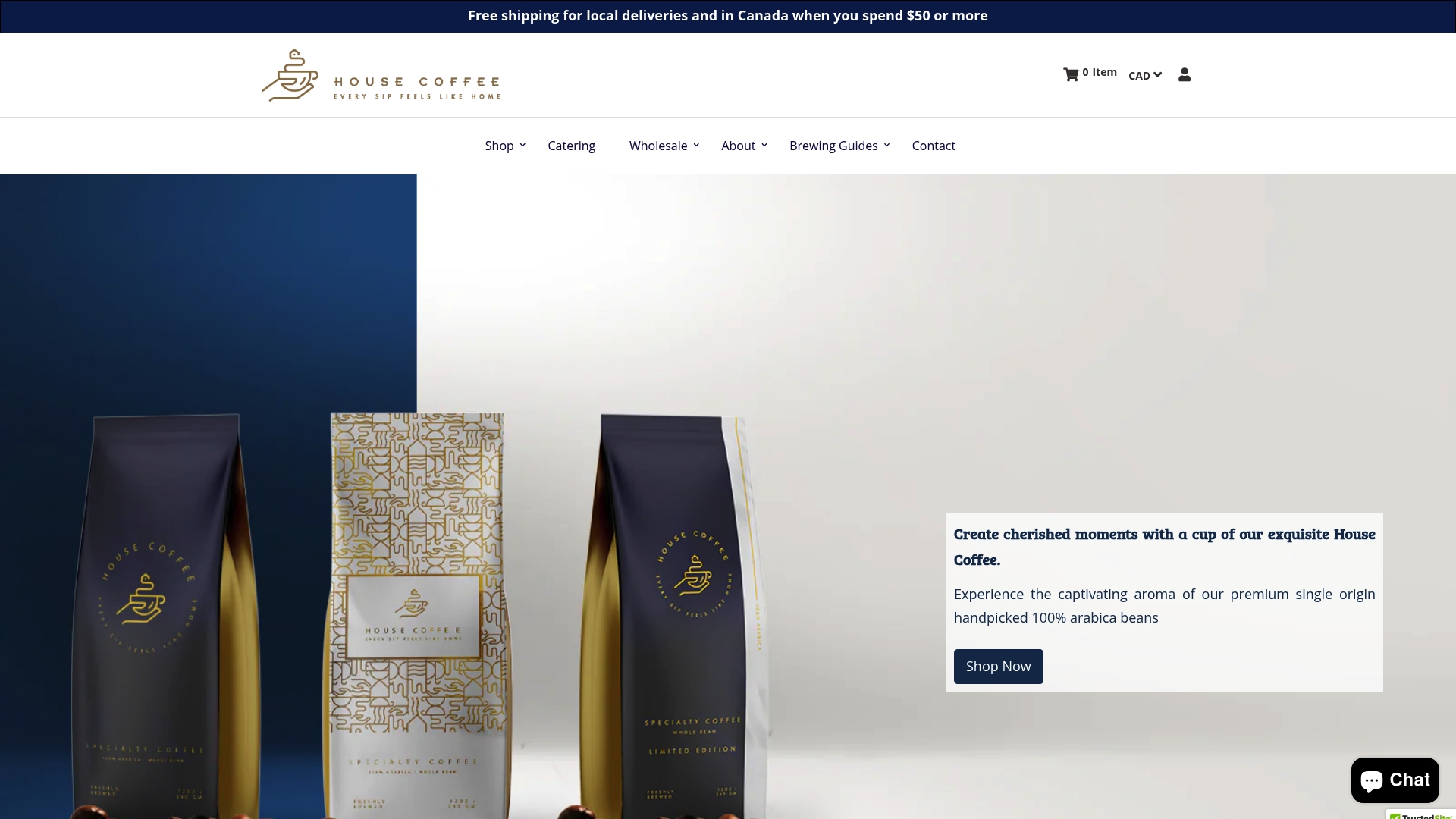
Explore our specialty coffee collection featuring beans from renowned growing regions, each with detailed origin stories and tasting notes. Our Gold Collection highlights premium selections that exemplify the peak of coffee excellence, perfect for discerning home brewers seeking extraordinary experiences. Whether you’re stocking your home setup or exploring wholesale specialty coffee options for your business, House Coffee provides the quality and transparency that transform daily coffee into memorable rituals.
FAQ
Is whole bean coffee really fresher than pre-ground coffee?
Yes, whole bean coffee retains flavor and aroma significantly longer because protective bean structure keeps volatile oils intact until grinding. Pre-ground coffee oxidizes rapidly once ground, losing its vibrant characteristics within days as increased surface area accelerates chemical degradation.
How does ethical sourcing impact the quality of whole bean coffee?
Ethical sourcing pays growers fairly, often 25-100% more than conventional models, enabling investments in sustainable farming practices and quality control improvements. This results in better, more consistent beans with distinctive flavor profiles that reflect careful cultivation and processing.
Can coffee flavor improve after roasting?
Yes, post-roast maturation can enhance flavor complexity as volatile compounds integrate and mellow, similar to aging wine or cheese. Research shows 70% of people distinguish matured from fresh beans without preferring one over the other, suggesting personal taste determines ideal timing.
What is the bloom step in coffee brewing and why is it important?
Blooming releases trapped CO2 from fresh grounds by saturating them with water and waiting 30 to 45 seconds before continuing brewing. Skipping this step causes uneven extraction as gas pockets block water contact, producing sour or weak coffee with harsh, unbalanced flavors.
Recommended
-
Posted in
en, why buy whole bean coffee