Advantages of Arabica beans for coffee lovers 2026
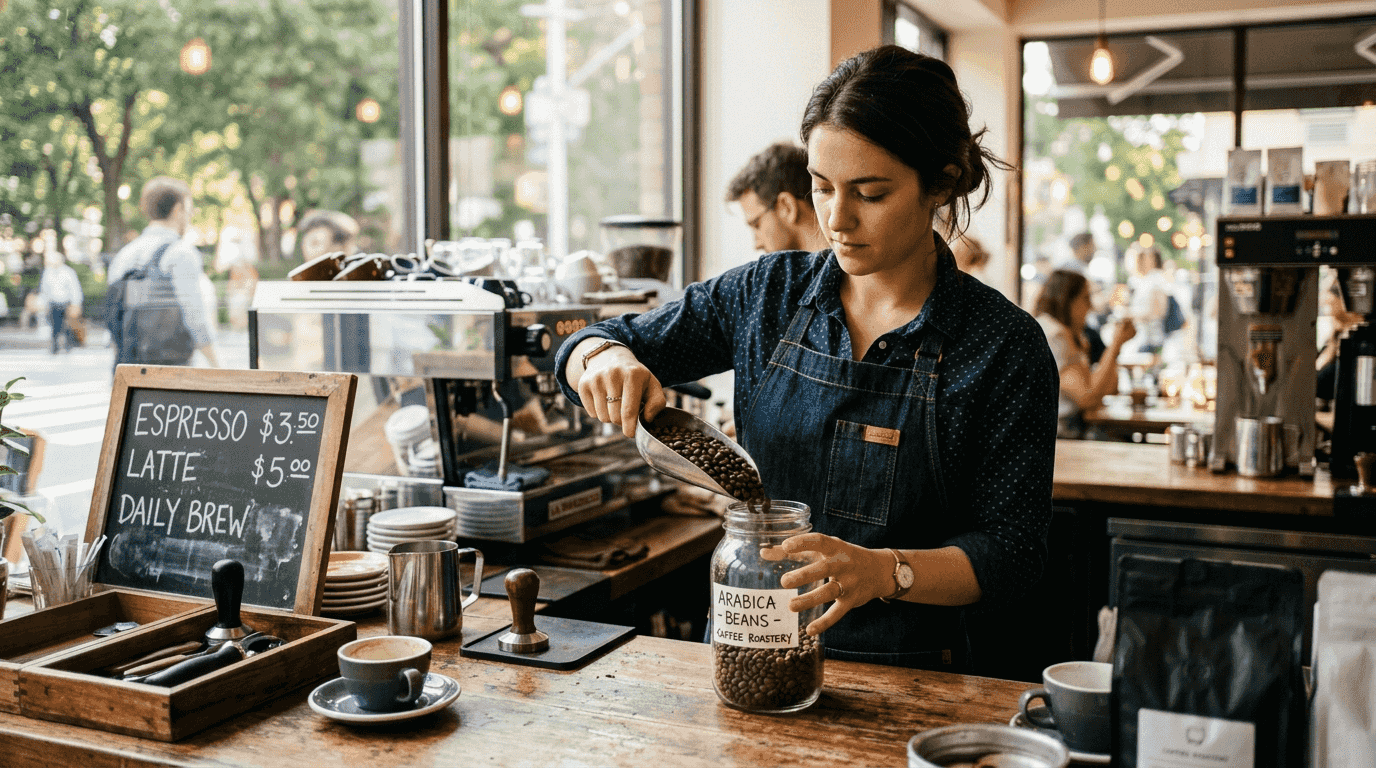
Choosing the right Arabica beans can transform your daily coffee ritual, but the sheer variety of origins, certifications, and flavor profiles often overwhelms even seasoned enthusiasts. Understanding what sets premium Arabica apart helps you make informed decisions that enhance both your brewing experience and ethical impact. This guide reveals the flavor benefits, ethical sourcing advantages, and brewing superiority that make Arabica beans the gold standard for home baristas seeking exceptional quality.
Table of Contents
- How To Choose The Best Arabica Beans: Key Selection Criteria
- Rich And Complex Flavor Profiles Of Arabica Beans
- Growing Conditions And Their Impact On Arabica Quality
- Ethical And Eco-Friendly Sourcing Benefits
- Advantages Of Arabica Beans In Home Brewing
- Price And Availability Considerations For Arabica Beans
- Summary Comparison And Situational Recommendations
- Enhance Your Coffee Experience With Specialty Arabica Selections
- Frequently Asked Questions
Key takeaways
| Point | Details |
|---|---|
| Flavor complexity | Arabica beans deliver sweeter, more nuanced flavors with lower bitterness than other varieties. |
| Ethical sourcing | Fair Trade and organic certifications ensure sustainable farming and fair wages for growers. |
| Brewing versatility | Lower caffeine and balanced acidity make Arabica ideal for pour-over, drip, and espresso methods. |
| Premium pricing | Arabica costs 30-50% more due to specialized cultivation and quality standards. |
| Single-origin value | Unique terroir highlights distinctive flavor profiles prized by coffee connoisseurs. |
How to choose the best Arabica beans: key selection criteria
Selecting exceptional Arabica beans requires evaluating several interconnected factors that directly impact your brewing results. Flavor complexity stands as the primary indicator of quality, with premium beans offering layered tasting notes ranging from bright citrus to delicate florals.
Growing conditions play a crucial role in bean development. Altitude, climate, and soil composition determine density, acidity, and overall flavor potential. Beans cultivated at higher elevations typically develop more slowly, resulting in denser structures and more complex profiles.
Ethical certifications provide transparency about farming practices and worker treatment. Look for Fair Trade, Rainforest Alliance, or organic labels that verify sustainable methods and fair compensation. These certifications often correlate with higher quality because they require rigorous standards throughout cultivation and processing.
Caffeine content and bitterness levels significantly affect taste experience. Arabica beans contain about 1.2% caffeine on average, which is roughly half the caffeine content of Robusta beans, resulting in a smoother, less bitter cup preferred by many coffee enthusiasts.
Price-quality balance matters for long-term satisfaction. While single-origin beans command premium prices, they deliver distinctive flavors worth exploring. Blends offer consistency and value but may lack the character that makes specialty coffee memorable. Understanding how to identify single origin beans helps you make informed purchasing decisions.
Pro Tip: Start with medium roasts to experience Arabica’s natural sweetness and complexity before exploring lighter or darker roast profiles that emphasize different flavor characteristics.
Rich and complex flavor profiles of Arabica beans
Arabica beans stand apart through their superior sugar and lipid content, which creates the foundation for sweeter, more refined flavors. These chemical compounds develop during the bean’s extended maturation period at high altitudes, producing the nuanced profiles that coffee lovers treasure.

Common tasting notes include vibrant citrus, delicate floral aromatics, berry-like fruitiness, and pleasant wine-like acidity. These characteristics emerge naturally from the bean’s genetic makeup and growing environment, requiring minimal intervention to shine through in your cup.
The lower caffeine content contributes directly to reduced bitterness and smoother mouthfeel. This makes Arabica particularly well-suited for brewing methods that highlight clarity and balance. Understanding coffee flavor profiles explained helps you recognize and appreciate these subtle differences.
Single-origin Arabica beans showcase unique terroir characteristics that reflect their specific growing region. Each origin tells a flavor story shaped by elevation, rainfall, soil minerals, and processing methods. Ethiopian beans might display blueberry notes, while Colombian varieties often present caramel and chocolate tones.
Sensory preference studies consistently demonstrate that coffee drinkers favor Arabica’s aromatic complexity over Robusta’s harsh, earthy qualities. The enhanced aroma compounds create a more engaging sensory experience from grinding through brewing to tasting. Exploring single origin coffee impact reveals how geography shapes these distinctive profiles.
Coffee expert James Hoffmann notes: “Single-origin Arabica offers the clearest window into terroir expression, allowing enthusiasts to taste the direct influence of place on flavor in ways that blends simply cannot replicate.”
The depth and variety possible within Arabica beans make them ideal for building your palate and exploring the full spectrum of coffee flavors. Learning about single-origin coffee benefits expands your appreciation for these nuanced differences.
Growing conditions and their impact on Arabica quality
Arabica cultivation thrives at elevations between 600 and 2200 meters, where cooler temperatures slow bean maturation and increase density. This extended development period allows sugars and flavor compounds to concentrate, producing beans with superior complexity and body.
Climate factors beyond altitude shape bean characteristics in distinctive ways. Consistent rainfall patterns, temperature fluctuations between day and night, and seasonal variations all influence acidity levels and aromatic potential. Regions with pronounced wet and dry seasons often produce beans with brighter, more pronounced acidity.
Micro-terroir elements like volcanic soil composition, nearby vegetation, and processing water sources create subtle flavor variations between farms in the same region. These minute differences explain why single-origin beans command premium prices and dedicated followings among enthusiasts.
Arabica’s genetic sensitivity to pests and diseases requires specialized farming knowledge and careful management. Coffee leaf rust, berry borer beetles, and other threats demand proactive cultivation practices that increase labor costs but protect crop quality. Understanding the role of arabica beans in specialty coffee reveals why these challenges contribute to premium positioning.
Biodiversity-friendly farming methods benefit both environmental health and bean quality. Shade-grown Arabica under native tree canopies supports bird populations, prevents soil erosion, and moderates temperature extremes. These practices align with ecological values while producing superior beans that express their environment authentically.
Key growing factors that determine Arabica quality include:
- Elevation range affecting bean density and flavor development
- Temperature consistency influencing sugar accumulation
- Soil mineral content shaping acidity and body characteristics
- Shade coverage protecting beans and moderating ripening
- Processing methods extracting and preserving inherent flavors
Ethical and eco-friendly sourcing benefits
Arabica beans more frequently carry certifications like Fair Trade, Rainforest Alliance, and USDA Organic compared to commodity coffee varieties. These labels verify that farmers receive fair compensation, work in safe conditions, and use environmentally responsible cultivation methods.
Ethical sourcing ensures smallholder farmers earn sustainable incomes that support community development. Fair Trade premiums fund education, healthcare, and infrastructure improvements in coffee-growing regions. When you choose certified beans, your purchase directly contributes to these quality-of-life enhancements.
Eco-friendly pest management preserves biodiversity and soil health for future generations. Organic certification prohibits synthetic pesticides and fertilizers, encouraging natural ecosystem balance. Shade-grown practices provide habitat for migratory birds and beneficial insects that control pests naturally.
Transparency in the supply chain allows you to trace beans from specific farms or cooperatives. Direct trade relationships between roasters and growers often produce the highest quality beans while ensuring farmers receive fair prices. This model supports sustainable farming practices that prioritize long-term land stewardship.
Sustainability influences purchasing decisions among premium coffee drinkers who recognize that exceptional flavor and ethical production go hand in hand. Learning about ethical sourcing benefits helps you align your coffee choices with your values.
Certified Arabica beans offer these ethical advantages:
- Fair Trade certification guaranteeing minimum prices and community investment
- Organic standards protecting worker health and environmental quality
- Rainforest Alliance verification promoting biodiversity conservation
- Direct trade models ensuring transparent farmer compensation
- Cooperative structures empowering small-scale growers collectively
Pro Tip: Look for roasters who share farm names, elevation details, and processing methods on packaging, as this transparency typically indicates higher quality and ethical sourcing practices.
Advantages of Arabica beans in home brewing
Arabica beans produce clearer, sweeter cup profiles that showcase brewing precision and technique. The lower bitterness allows subtle flavor notes to emerge, making manual brewing methods like pour-over and French press particularly rewarding for home baristas.
Reduced caffeine content creates smoother espresso shots with balanced crema and minimal astringency. This makes Arabica ideal for milk-based drinks where you want coffee flavor to complement rather than overwhelm dairy sweetness. The refined taste profile works equally well in black preparations that highlight origin characteristics.
Enhanced aromatic compounds create a more engaging sensory experience throughout the brewing process. Grinding fresh Arabica beans releases complex fragrances that preview the cup’s flavor profile. This aromatic richness adds dimension to your daily ritual beyond just taste.
Compatibility with artisanal brewing methods gives you precise control over extraction variables. Arabica’s balanced acidity and sweetness respond predictably to grind size, water temperature, and brew time adjustments. This consistency helps you refine your technique and achieve repeatable results. Discovering why choose arabica beans reinforces these practical advantages.
Home brewers can tailor their approach to highlight specific flavor characteristics within each origin. Light roasts emphasize bright acidity and floral notes, while medium roasts balance sweetness with body. The beans’ inherent quality shines through regardless of preparation method.
Brewing advantages of Arabica include:
- Cleaner extraction revealing delicate flavor nuances
- Lower bitterness accommodating diverse preparation styles
- Predictable response to brewing variable adjustments
- Enhanced aroma enriching the overall coffee experience
- Compatibility with precision equipment and manual techniques
Price and availability considerations for Arabica beans
Arabica beans typically cost 30 to 50 percent more than Robusta due to cultivation complexity and lower yields per plant. The specialized growing requirements, pest management needs, and labor-intensive harvesting methods all contribute to higher production costs that translate to retail prices.
Premium pricing reflects multiple value factors beyond basic cultivation. High-altitude farms, single-origin rarity, ethical certifications, and small-batch processing each add incremental costs. Specialty-grade Arabica that scores above 80 points on the Specialty Coffee Association scale commands the highest prices.
Wide availability of single-origin Arabica supports exploration and connoisseurship. Online retailers and specialty roasters offer beans from dozens of countries and hundreds of specific farms or cooperatives. This accessibility allows you to compare origins and develop preferences without geographic limitations.
Ethical certifications add transparency but typically increase prices by 10 to 20 percent. These premiums directly support sustainable farming practices and fair compensation, making them worthwhile investments for values-driven consumers. The quality improvements often justify the additional cost through superior flavor.
Value assessment requires balancing cost against flavor satisfaction and ethical alignment. While premium single-origin beans cost more per pound, their superior taste and sourcing transparency often provide better overall value than cheaper alternatives that compromise on quality or ethics.
| Factor | Impact on Price | Availability |
|---|---|---|
| Single-origin | 20-40% premium | Wide selection online |
| Fair Trade certified | 10-15% increase | Readily available |
| Organic certification | 15-25% premium | Common in specialty shops |
| High altitude (1800m+) | 30-50% premium | Limited seasonal offerings |
| Direct trade | Variable pricing | Growing availability |
Summary comparison and situational recommendations
Matching bean selection to your specific priorities ensures satisfaction and value. Single-origin Arabica serves flavor experimentation and connoisseurship best, allowing you to explore how terroir influences taste. Start with well-regarded origins like Ethiopian Yirgacheffe or Colombian Huila to establish baseline preferences.
Choose certified ethical Arabica when sustainability ranks among your top concerns. Fair Trade and organic labels provide verification that your purchase supports responsible farming and fair labor practices. These beans often deliver excellent quality alongside ethical assurance.
Opt for balanced medium roasts for smooth daily home brewing that highlights Arabica’s natural sweetness without excessive acidity or bitterness. Medium roasts work reliably across brewing methods and appeal to diverse palates, making them ideal for household coffee where preferences vary.
Consider price-quality trade-offs suited to your consumption patterns and budget. If you brew multiple cups daily, mid-tier single-origins offer better value than ultra-premium microlots. Reserve expensive specialty beans for weekend rituals where you can fully appreciate their unique characteristics.
Different scenarios call for specific Arabica selections:
- Daily brewing: Certified organic blends balancing quality and value
- Weekend pour-over: Single-origin light roasts showcasing origin character
- Espresso-based drinks: Medium-dark single-origins with chocolate notes
- Gift giving: Limited-edition microlots with compelling origin stories
- Budget-conscious: Fair Trade certified regional blends
| Selection Type | Best For | Flavor Profile | Price Range | Ethical Rating |
|---|---|---|---|---|
| Single-origin light | Flavor exploration | Bright, complex, fruity | High | Varies |
| Certified blend | Daily drinking | Balanced, consistent | Moderate | Excellent |
| Direct trade micro | Special occasions | Unique, terroir-driven | Very high | Excellent |
| Organic medium | Versatile brewing | Smooth, approachable | Moderate-high | Very good |
Pro Tip: Buy smaller quantities of premium single-origins to maintain freshness and experiment with different origins before committing to larger bags of your favorites.
Enhance your coffee experience with specialty Arabica selections
Your journey into premium Arabica starts with expertly curated beans that deliver the flavor complexity and ethical sourcing discussed throughout this guide. House Coffee offers a thoughtfully assembled specialty coffee collection focused on high-quality, single-origin Arabica beans sourced from renowned growing regions.
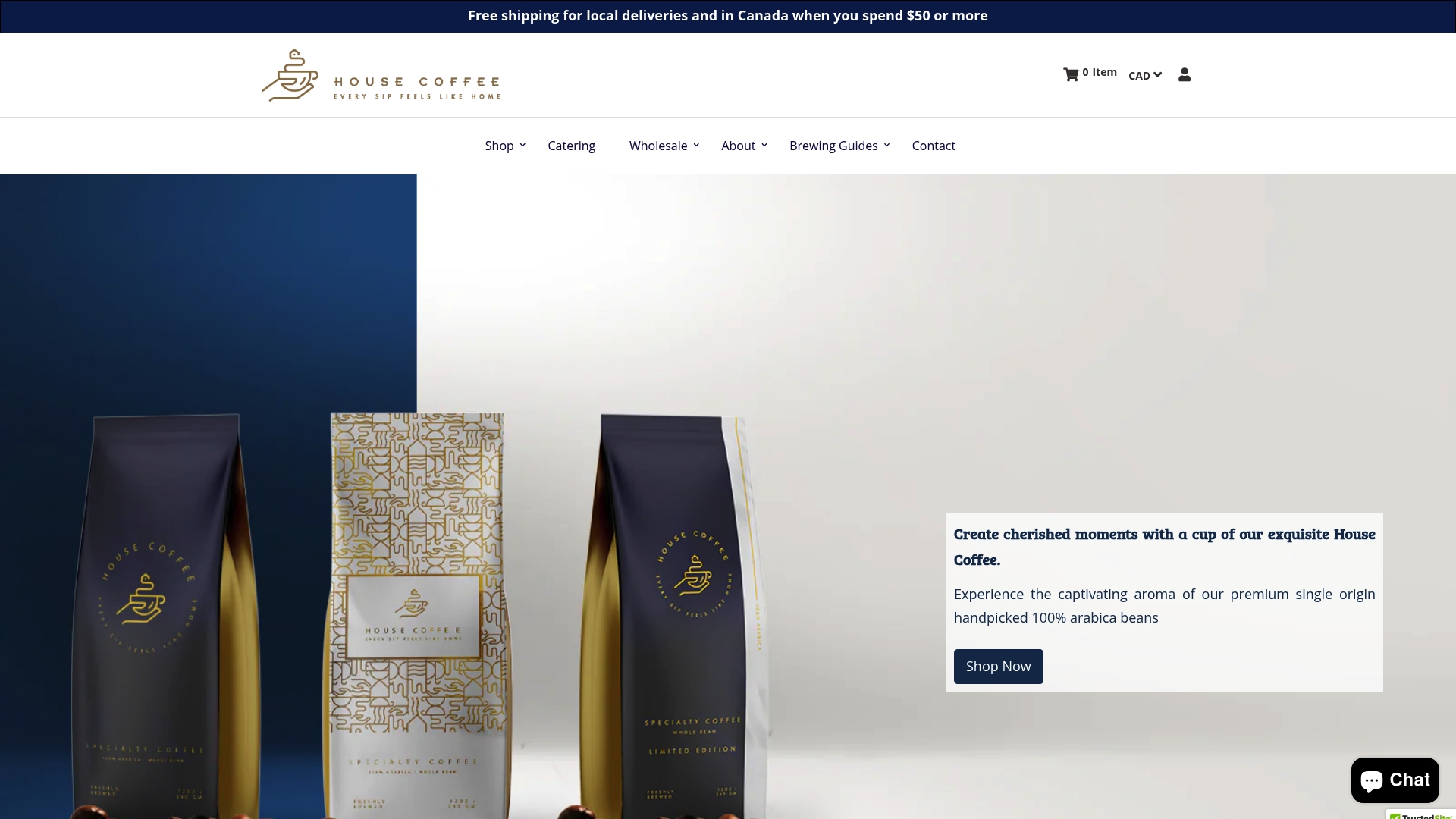
Explore ethically certified options perfect for artisanal home brewing methods that showcase each origin’s distinctive character. Whether you prefer the bright clarity of pour-over or the rich intensity of espresso, selecting the right beans elevates every cup. Available one kilo coffee beans for drip filtered methods provide excellent value for daily brewing, while one kilo coffee beans for espresso deliver the body and sweetness that make exceptional milk-based drinks. Your coffee ritual deserves beans that reflect both exceptional quality and sustainable farming practices.
Frequently asked questions
Are Arabica beans better for home brewing than other coffee beans?
Arabica’s lower bitterness and complex flavor profiles make it ideal for home pour-over, drip, and espresso methods where clarity matters. The beans yield sweeter, cleaner cups that respond predictably to brewing variable adjustments, allowing you to refine your technique.
What certifications should I look for to ensure ethical Arabica sourcing?
Look for Fair Trade, Rainforest Alliance, and USDA Organic certifications printed on packaging. These labels verify fair farmer wages, biodiversity protection, and sustainable farming methods throughout the supply chain.
How does single-origin Arabica differ from blended Arabica beans?
Single-origin Arabica highlights unique terroir flavors with distinctive character but typically costs more due to limited availability. Blends offer consistent flavor profiles across batches and better value, though they sacrifice the origin-specific nuances that enthusiasts prize.
Are Arabica beans more expensive than other coffee types?
Arabica beans cost 30 to 50 percent more than Robusta varieties due to specialized growing requirements and lower yields. Ethical certifications and single-origin status often increase prices further, but the superior flavor and responsible sourcing justify the premium for quality-focused consumers.
Recommended
-
Posted in
advantages of arabica beans, en