Coffee Freshness After Roasting Explained
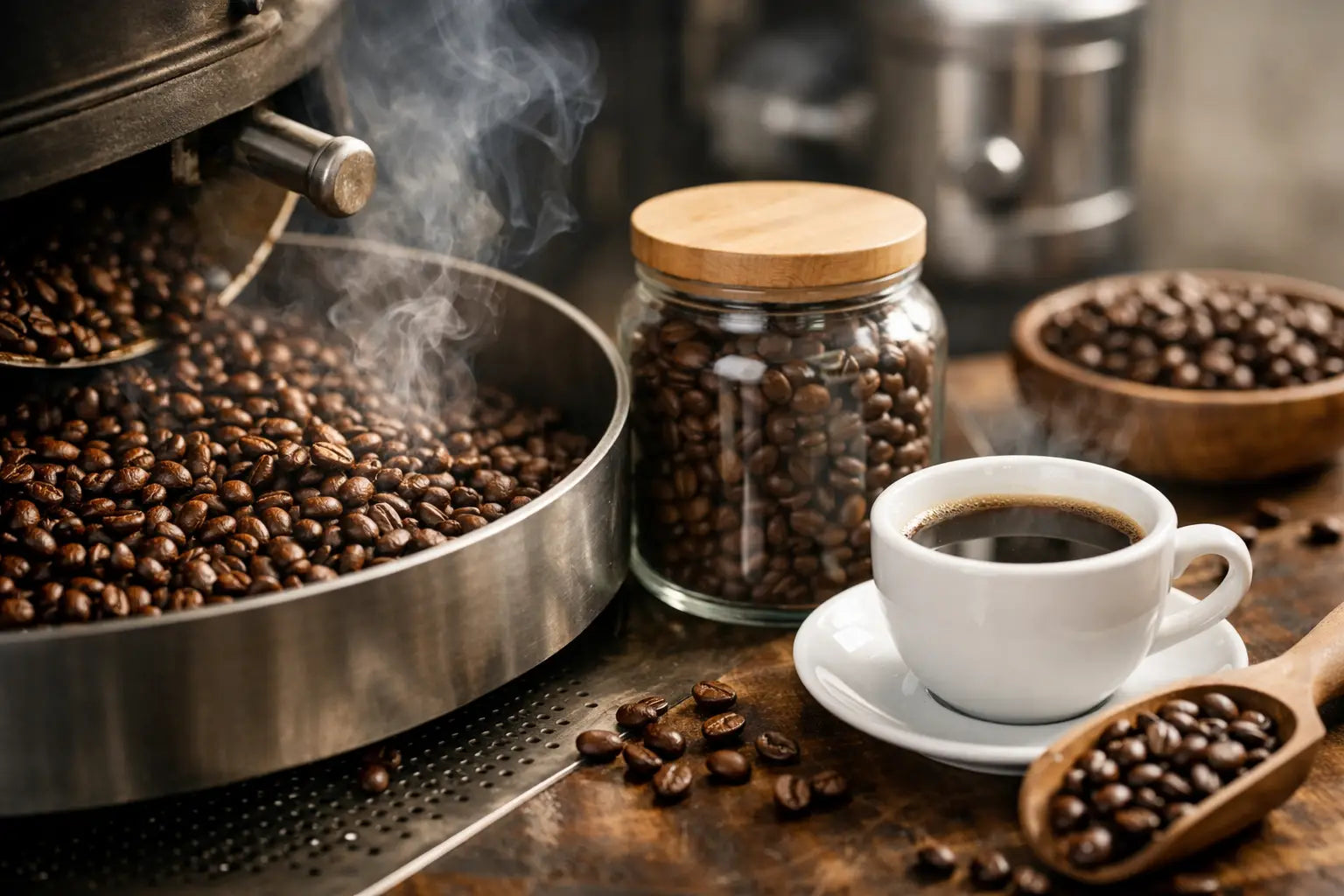
That first bag of freshly roasted coffee can be surprising. You open it expecting peak flavor on day one, then brew a cup and find it a little sharp, a little wild, or oddly quiet. Coffee freshness after roasting is not a straight line from fresh to stale. It moves through stages, and understanding those stages is what helps you brew a cup that feels full, balanced, and worthy of the ritual.
For home brewers, this matters more than most packaging claims. Freshly roasted specialty coffee carries trapped carbon dioxide, volatile aromatic compounds, sugars altered by heat, and oils that are still settling into their post-roast character. The result is simple: coffee needs a little time, but not too much. The sweet spot depends on roast level, brew method, and what kind of flavor experience you want at home.
What coffee freshness after roasting really means
When people talk about freshness, they often mean one thing: recent roast date. That is part of the story, but not the whole story. Fresh coffee is coffee that still holds its aromatic complexity and flavor clarity. It should smell vivid, taste expressive, and brew with structure. A roast date tells you when the clock started, not whether the coffee is at its best today.
Right after roasting, coffee begins releasing gas. This process, often called degassing, happens because roasting creates carbon dioxide inside the bean. In the first several days, that gas can interfere with extraction. Water has a harder time making even contact with the grounds, which can lead to cups that taste uneven or espresso shots that run too fast, bloom too aggressively, or show unstable crema.
At the same time, waiting too long has its own cost. Aromatics fade. Sweetness can flatten. Acidity loses sparkle. The most beautiful coffees, especially high-quality single origin Arabica lots with floral, fruit-forward, or layered notes, tend to show the difference clearly. Freshness is really about timing the coffee when its flavors are open, not gassy, and not faded.
The first days after roasting
The first 24 to 72 hours are often too early for many coffees, especially for espresso. Beans can still be highly active, and the cup may feel restless. You might notice extra bubbling in pour over, an oversized bloom, or espresso that tastes intense but not integrated. This is one reason specialty roasters rarely suggest brewing immediately after roasting just because the bag arrived warm and new.
For filter coffee, some lighter and medium roasts begin tasting very good around day three to five, though many continue to improve after that. For espresso, a longer rest is often helpful because pressure brewing magnifies the effects of trapped gas. A coffee that tastes slightly unsettled as drip can taste distinctly underdeveloped or sour as espresso if brewed too early.
This is where patience pays off. A few days of rest can turn a busy cup into one that feels sweeter, rounder, and more expressive.
Why resting coffee improves flavor
Resting is not the opposite of freshness. It is part of freshness. During the resting period, carbon dioxide leaves the bean more gradually, allowing extraction to become more even. As the coffee settles, flavors often become easier to read. Notes that felt hidden or jumbled on day two may taste clearer on day seven.
This is especially true for coffees roasted with care to preserve origin character. If a coffee comes from a high-scoring lot and is roasted in small batches, the goal is not just freshness for its own sake. The goal is to let the coffee reveal its natural sweetness, structure, and nuance at the right moment.
When coffee tastes best
There is no single perfect number of days for every coffee. Still, there are useful ranges.
For most filter brews, coffee often shows beautifully between about 4 and 14 days after roast. Many light roasts continue developing nicely into the second or even third week. For espresso, a common sweet spot is around 7 to 21 days, though some coffees settle sooner and some need longer.
Roast level changes the timeline. Darker roasts degas faster because their structure is more open, so they may be ready earlier but also fade faster. Lighter roasts are denser and can hold onto gas longer, which means they may need more rest but can stay lively for longer when stored well.
Processing matters too. Naturals can behave differently from washed coffees. Dense high-elevation beans often need more rest than lower-grown coffees. Even the grinder and brew recipe can shift what tastes best. That is why freshness always comes with a little it depends.
Coffee freshness after roasting by brew method
If you brew pour over, Chemex, batch brew, or French press, you can usually start testing the coffee a few days after roast. Around day four or five, many coffees begin showing more sweetness and balance. If the cup still feels edgy or the bloom is unusually aggressive, give it another day or two.
If you brew espresso, waiting longer is usually the better move. Around one to two weeks after roast, espresso often becomes more stable and easier to dial in. Shot times behave more predictably, and flavors can become less sharp and more layered. That matters at home, where you want consistency without wasting half the bag chasing the right grind setting.
For cold brew, freshness still matters, but the method is more forgiving. Because cold brew smooths acidity and emphasizes chocolate, nut, and body, beans that are slightly past their ideal filter window can still make a satisfying cup. They just may lose some of the top-note aromatics that make specialty coffee feel memorable.
How to store coffee so it stays fresh longer
Once coffee is in your kitchen, storage becomes the next chapter in flavor. Oxygen, heat, light, and moisture are the main enemies. The goal is not to refrigerate or freeze every bag by default. The goal is to protect the beans from daily exposure.
Keep coffee in a well-sealed bag or opaque airtight container at room temperature, away from direct sunlight, the stove, and humidity. If the bag has a one-way valve and a solid seal, it is often a good storage option on its own. What matters most is minimizing how often the coffee is exposed to air.
A common mistake is transferring beans into clear countertop canisters because they look beautiful. They do look beautiful, but light exposure and repeated opening can shorten the life of the coffee. If you buy larger quantities, freezing portions in airtight packaging can help preserve freshness, but only if you divide them first and avoid thawing and refreezing the same beans repeatedly.
Whole bean vs ground coffee
Whole bean coffee stays fresh much longer than ground coffee. Once coffee is ground, the surface area increases dramatically, which speeds up oxidation and aroma loss. If you want the fullest expression of the roast, grind right before brewing.
This is one of the clearest quality differences between grocery coffee and specialty coffee roasted in smaller batches. A well-roasted whole bean coffee with a visible roast date gives you control over both freshness and brew quality.
Signs your coffee is no longer fresh
Coffee does not suddenly become bad on a specific day, but it does become less alive. The aroma is often the first clue. Fresh coffee smells vivid and specific. Older coffee smells muted, flat, or vaguely woody.
In the cup, stale coffee tends to lose sweetness and complexity first. Fruit notes disappear. Floral notes fade. Chocolate becomes dull rather than rich. The finish can feel papery, hollow, or dusty. Espresso may produce thinner crema and less distinction between acidity, sweetness, and body.
This is why roast date transparency matters. It helps you buy with confidence and brew within the window where the coffee still has something beautiful to say.
Buying for freshness, not just speed
Fast shipping helps, but roasting approach matters more than rush alone. Coffee that was roasted thoughtfully in small batches, packed well, and shipped promptly will usually outperform coffee that sat in a warehouse, even if both arrive in similar-looking bags. For online buyers, freshness is about the full chain: sourcing, roast schedule, packaging, and delivery.
That is where specialty coffee becomes more than a product. It becomes a better home experience. When a coffee is ethically sourced, roasted with precision, and enjoyed in its ideal window, the cup feels more generous. You taste more of the farm, more of the craft, and more of the comfort that makes coffee such a meaningful daily ritual.
If you want the best results, buy whole bean, check the roast date, let the coffee rest a little, and pay attention as it opens up over the first couple of weeks. The reward is not just better flavor. It is that rare kind of morning cup that makes the kitchen feel warmer, the pace feel calmer, and the moment feel like it belongs to you.