Explaining coffee flavor notes: a guide for enthusiasts

Many coffee lovers underestimate what truly creates enjoyment in their cup. Aroma and taste account for up to 80% of coffee’s sensory experience, yet most drinkers focus solely on caffeine or bitterness. Understanding flavor notes transforms your relationship with coffee, revealing layers of complexity that elevate every brew. This guide decodes the science, language, and practical application of coffee flavor appreciation.
Table of Contents
- How Coffee Flavor Notes Shape Your Tasting Experience
- The Coffee Flavor Wheel: Decoding Tasting Notes And Language
- How Roasting, Origin, And Processing Influence Coffee Flavor Notes
- Applying Flavor Note Knowledge For Better Home Coffee Brewing
- Explore Specialty Coffee To Elevate Your Flavor Journey
- Frequently Asked Questions
Key takeaways
| Point | Details |
|---|---|
| Sensory dominance | Aroma and flavor create 80% of coffee enjoyment, not just caffeine or strength. |
| Standardized language | The Coffee Flavor Wheel provides consistent vocabulary for identifying taste attributes. |
| Chemical complexity | Over 800 volatile compounds develop during roasting, creating diverse flavor profiles. |
| Origin matters | Altitude, processing, and varietal significantly influence aromatic characteristics. |
| Practical application | Understanding notes helps select beans and optimize brewing for preferred flavors. |
How coffee flavor notes shape your tasting experience
Coffee’s sensory impact extends far beyond simple bitterness or caffeine kick. The experience you savor begins with aroma and taste responsible for 80% of your perception. This dominance explains why a cold, flat cup disappoints even when brewed from premium beans.
The chemistry behind your cup reveals remarkable complexity. Over 800 volatile compounds create coffee’s aromatic profile, each contributing distinct characteristics. These molecules emerge primarily during roasting, when heat triggers chemical reactions transforming green beans into the fragrant brown beans you grind.
Roasting acts as the catalyst for flavor development. Maillard reactions between amino acids and sugars produce hundreds of aromatic molecules, while caramelization adds sweetness and body. Pyrolysis breaks down cellular structures, releasing compounds that contribute to roasted, toasty notes.
Your nose detects these volatile compounds before your tongue registers taste. Retronasal olfaction, where aromas travel from your mouth to nasal receptors, creates the full flavor experience. This explains why coffee tastes flat when you have a cold blocking nasal passages.
Grasping this chemical foundation helps you appreciate why coffee aroma essentials matter so deeply. Each sip delivers a complex interplay of hundreds of compounds, and recognizing this complexity enriches every brewing session.
“Coffee flavor is a symphony of volatile compounds working together, each playing a distinct role in the sensory experience you perceive with every sip.”
Key factors influencing flavor perception include:
- Volatile compound concentration during brewing
- Temperature affecting compound release rates
- Brewing method determining extraction efficiency
- Cup shape and material impacting aroma delivery
- Personal sensory sensitivity and experience level
The coffee flavor wheel: decoding tasting notes and language
Communicating coffee flavors presented challenges until the industry developed standardized language. The Coffee Flavor Wheel was created to establish consistent vocabulary for sensory evaluation worldwide. This tool revolutionized how buyers, sellers, roasters, and consumers discuss taste attributes.
First published in 1995 by the Specialty Coffee Association and World Coffee Research, the wheel underwent major revision based on sensory science. The updated version contains 110 attributes, more than doubling the original 52 descriptors. This expansion reflects deeper understanding of coffee’s flavor complexity.
The wheel functions as a sensory map organized hierarchically. The center contains broad categories like fruity, nutty, or floral. Moving outward reveals increasingly specific descriptors, helping you pinpoint exact flavors. For example, fruity branches into berry, citrus, or dried fruit, each subdividing further.
This structure guides tasting systematically:
- Start with the center to identify general flavor families present
- Move outward to narrow down specific characteristics
- Use precise outer ring terms to communicate exact notes
- Compare your perceptions with others using shared vocabulary
- Build flavor memory by revisiting the wheel regularly
Understanding your coffee flavor profile guide becomes easier with consistent reference points. The wheel eliminates ambiguity, replacing vague descriptions with precise terms everyone recognizes.

| Flavor Category | Common Descriptors | Typical Origins |
|---|---|---|
| Fruity | Berry, citrus, stone fruit | African coffees, light roasts |
| Nutty | Almond, hazelnut, peanut | Brazilian, medium roasts |
| Chocolate | Dark chocolate, cocoa, baker’s chocolate | Central American, medium-dark roasts |
| Floral | Jasmine, rose, chamomile | Ethiopian, Kenyan, light roasts |
| Spicy | Cinnamon, clove, pepper | Indonesian, dark roasts |
Pro Tip: Print a flavor wheel and keep it beside your brewing station. Reference it during each tasting session to train your palate systematically, moving from broad categories to specific descriptors as your skills develop.
How roasting, origin, and processing influence coffee flavor notes
Roasting transforms green coffee through complex chemical reactions that determine final flavor profiles. Maillard reactions and thermal decomposition create hundreds of aromatic molecules during heating. Light roasts preserve origin characteristics, highlighting floral and fruity notes. Dark roasts develop roasty, caramelized flavors that can overshadow terroir.
Different roast levels produce distinct aromatic profiles through varying volatile compound formation. Light roasts maintain higher acidity and brightness, showcasing delicate fruit and floral notes. Medium roasts balance origin character with developed sweetness. Dark roasts emphasize body and bittersweet chocolate tones while reducing acidity.

Origin dramatically shapes flavor potential before roasting begins. Altitude impacts caffeine content, phenolic content, and volatile compound emission significantly. High-altitude coffees develop slower, accumulating more complex sugars and acids that translate to brighter, more nuanced flavors.
Processing methods after harvest create distinct flavor foundations. Processing significantly influences volatile compound development through fermentation and drying techniques. Washed processing yields clean, bright profiles emphasizing origin character. Natural processing creates fruit-forward, wine-like notes through extended cherry contact.
Understanding these factors helps you select coffees matching your preferences. A naturally processed Ethiopian coffee roasted light delivers intense blueberry notes, while a washed Colombian medium roast offers balanced caramel and nut tones. This knowledge guides your coffee roasting explained specialty flavor exploration.
Key flavor influences by processing method:
- Washed: Clean, bright acidity, clarity of origin character
- Natural: Fruity, wine-like, heavier body, complex fermentation notes
- Honey: Balanced sweetness, moderate body, fruit and caramel blend
- Anaerobic: Intense fermentation, tropical fruit, unique experimental profiles
| Altitude Range | Flavor Characteristics | Chemical Properties |
|---|---|---|
| Below 900m | Simple, mild, nutty | Lower acidity, less complexity |
| 900-1200m | Balanced, sweet, chocolatey | Moderate acidity, good body |
| 1200-1500m | Bright, fruity, complex | Higher acidity, developed sugars |
| Above 1500m | Floral, tea-like, vibrant | Highest acidity, delicate complexity |
Pro Tip: Explore coffee flavor profiles explained by comparing beans from different altitudes and processing methods side by side. Brew them identically to isolate how origin and processing affect flavor independent of preparation variables.
Applying flavor note knowledge for better home coffee brewing
Translating flavor note understanding into improved brewing starts with intentional bean selection. Use descriptors matching your preferences to choose roasts and origins. If you enjoy bright, citrusy coffee, seek light-roasted African beans. For chocolate and nut lovers, try medium-roasted Central or South American varieties.
Brewing parameters dramatically affect which flavors emerge from your chosen beans. Understanding volatile compounds helps optimize extraction and aroma delivery. Adjust grind size, water temperature, and brew time to highlight desired notes while minimizing unpleasant characteristics.
Systematic tasting practice refines your palate faster than casual drinking. Follow these steps to develop flavor recognition:
- Smell the dry grounds deeply, noting initial aromatic impressions
- After brewing, inhale the steam to capture volatile aromatics
- Slurp the coffee to spread it across your entire palate
- Identify flavors using the wheel, starting broad then narrowing
- Note how flavors change as the cup cools
Flavor perception connects deeply to emotion and memory. Sensory properties affect consumer preferences and emotions toward coffee drinking significantly. A flavor note might trigger childhood memories or create new positive associations, personalizing your coffee experience beyond objective tasting.
Regular exploration expands your appreciation and skills. Try new origins, processing methods, and roasters monthly. Keep tasting notes documenting what you enjoy and why. This record helps you learn how to taste coffee flavors more effectively over time.
Developing a structured tasting routine using a coffee tasting guide specialty coffee approach accelerates learning. Set aside dedicated time weekly for focused tasting sessions rather than rushed morning cups. This mindfulness reveals subtleties you’d otherwise miss.
Pro Tip: Create flavor note flashcards pairing common coffee descriptors with actual food items. Smell and taste dark chocolate, dried apricot, jasmine tea, and other reference flavors to build sensory memory, making it easier to identify these notes in coffee.
Explore specialty coffee to elevate your flavor journey
Now that you understand flavor notes deeply, experience them firsthand with carefully sourced beans. Our specialty coffee collection features single-origin Arabica coffees showcasing the diverse flavor profiles discussed throughout this guide.
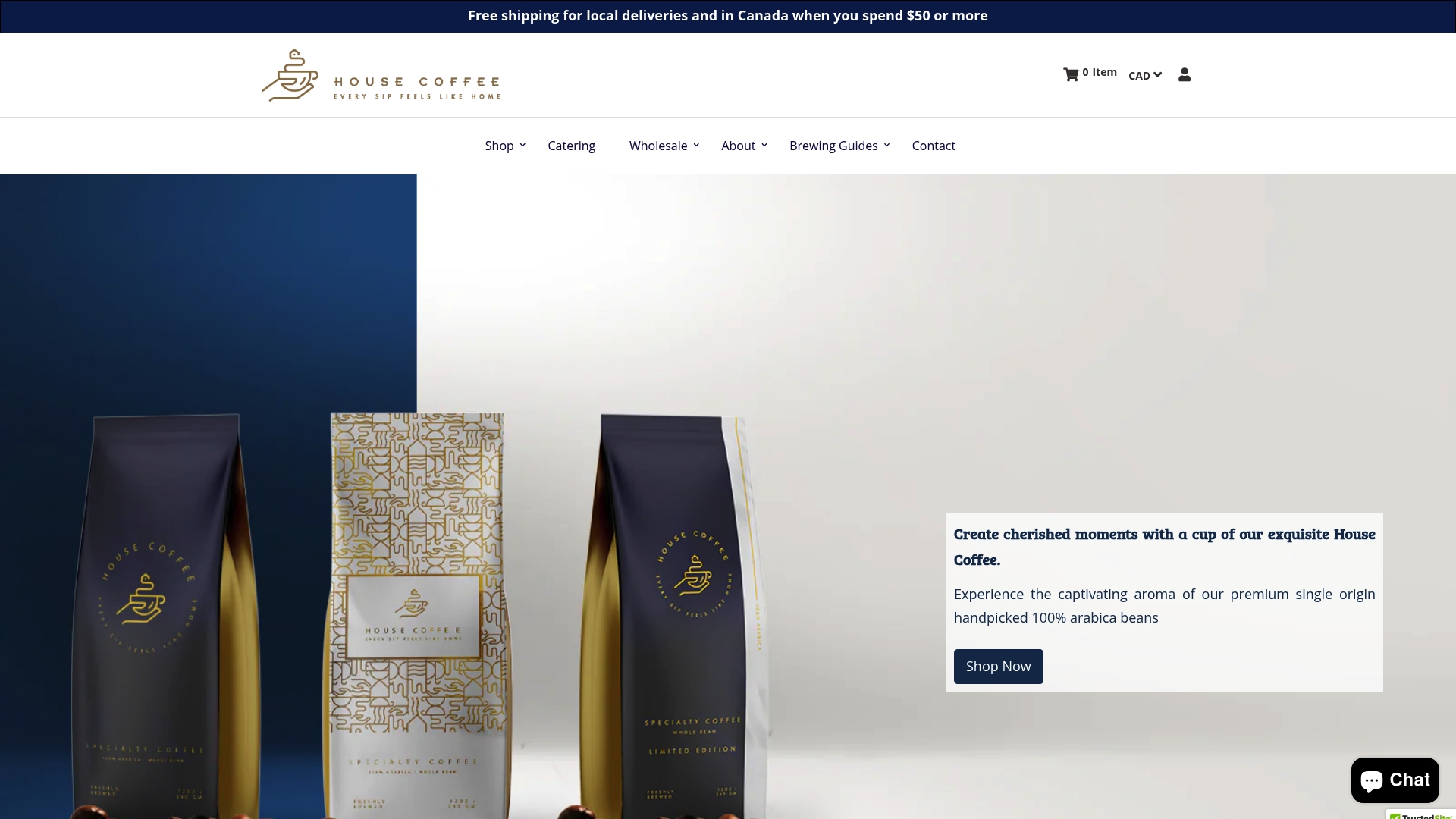
For home brewers ready to explore, one kilo coffee beans for drip filtered brewing methods provide excellent value while delivering the complexity you’ve learned to appreciate. Each origin tells a unique flavor story shaped by altitude, processing, and roasting expertise.
Quality extraction tools ensure you taste what roasters intended. Our coffee filter cones deliver clean brewing that highlights delicate flavor notes without introducing off-flavors. Proper equipment transforms knowledge into exceptional cups.
Frequently asked questions
What exactly are coffee flavor notes?
Flavor notes describe the distinct taste and aroma characteristics identifiable in brewed coffee, ranging from fruity and floral to nutty and chocolatey. These aren’t added flavors but naturally occurring compounds developed during growing, processing, and roasting that your palate detects.
How do roasting and origin affect flavor notes?
Origin determines the baseline flavor potential through factors like altitude, soil, and varietal, while roasting develops or suppresses these characteristics through chemical reactions. Light roasts preserve origin brightness and fruit notes, while darker roasts emphasize caramelized, roasted flavors that can overshadow terroir.
What’s the difference between coffee aroma and flavor?
Aroma refers to volatile compounds detected by your nose, either directly or retronasally through your mouth, while flavor combines aroma with taste sensations like sweetness, acidity, and bitterness detected by your tongue. Together, these create the complete sensory experience you perceive as coffee flavor.
How should I use the Coffee Flavor Wheel when tasting?
Start at the wheel’s center to identify broad flavor families present in your cup, then move outward toward increasingly specific descriptors that match what you taste. Use the precise outer terms to communicate exact notes with others and track your flavor discoveries over time.
Do personal preferences affect how I perceive flavor notes?
Absolutely. Your genetic makeup, past experiences, and cultural background influence which flavors you detect and enjoy most. Some people naturally taste certain compounds more intensely, and positive or negative associations with specific flavors shape your emotional response to coffees containing those notes.
Can I train myself to detect more flavor notes?
Yes, deliberate practice significantly improves flavor recognition. Regular focused tastings using the flavor wheel, comparing reference foods to coffee notes, and mindful attention to sensory details all develop your palate systematically over weeks and months.
Recommended
-
Posted in
en, explaining coffee flavor notes