Step-by-step coffee tasting guide for specialty coffee
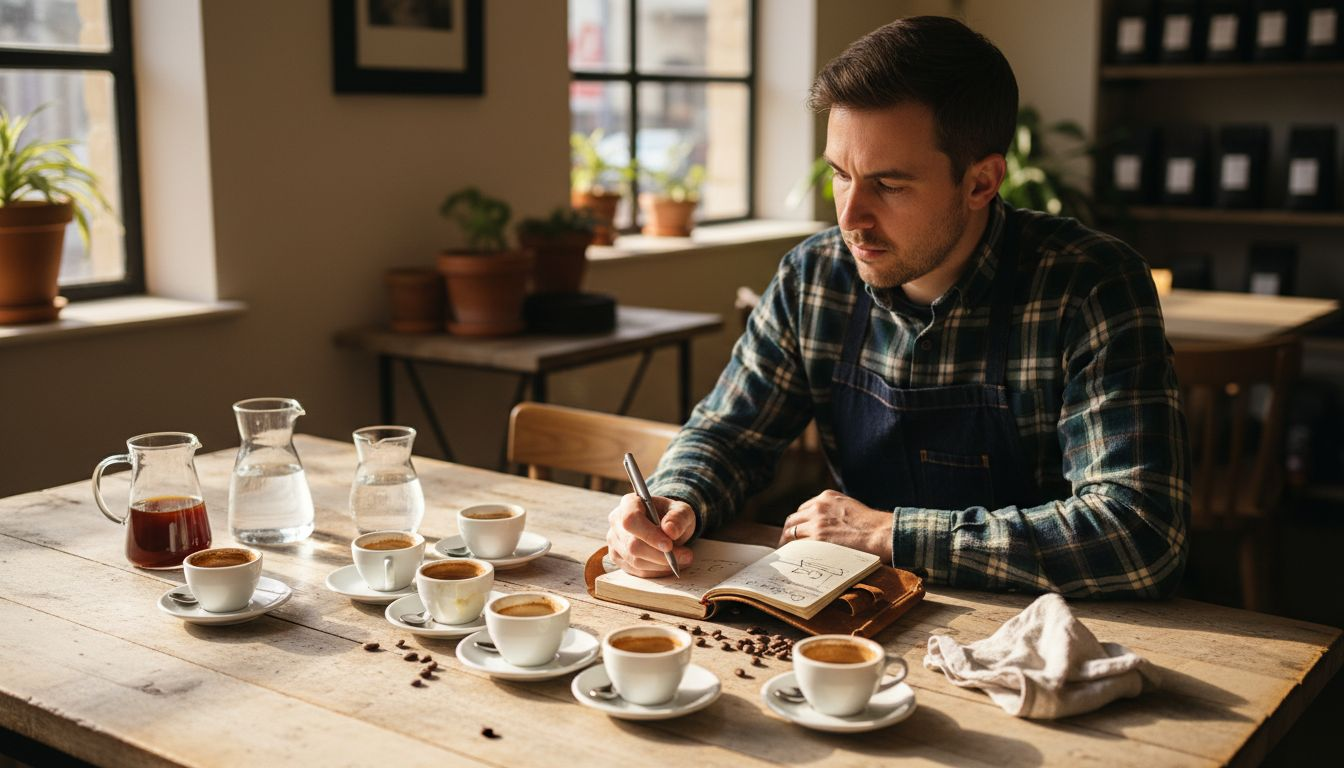
Many coffee enthusiasts struggle to unlock the subtle, complex flavors hidden in specialty coffee. Without a structured tasting method, even the finest ethically sourced beans can taste flat or confusing. This guide provides a clear, step-by-step approach to help you confidently evaluate and appreciate specialty coffee, transforming your daily brew into a rich, informed sensory ritual that honors both flavor and ethical sourcing.
Table of Contents
- Introduction To Coffee Tasting And Specialty Coffee
- Prerequisites And Preparation For Coffee Tasting
- Step-By-Step Coffee Tasting Process
- Ethical Sourcing And Its Impact On Coffee Flavor Appreciation
- Troubleshooting And Common Mistakes In Coffee Tasting
- Expected Outcomes And How To Know You Did It Right
- Explore Specialty Coffee Selections To Enhance Your Tasting Journey
Key takeaways
| Point | Details |
|---|---|
| Structured tasting enhances flavor recognition | A systematic sensory approach reveals subtle nuances in specialty coffee that casual drinking misses. |
| Proper preparation is essential | Fresh beans, correct brewing ratios, neutral environment, and appropriate tools ensure accurate flavor evaluation. |
| Stepwise sensory evaluation captures full profile | Visual, aroma, taste, mouthfeel, and aftertaste assessments provide complete flavor understanding. |
| Ethical sourcing elevates flavor quality | Fair trade practices result in fresher, more complex beans while supporting sustainable agriculture. |
| Common mistakes reduce tasting accuracy | Avoiding dark roasts, stale beans, wrong temperatures, and skipping palate cleansing improves results. |
Introduction to coffee tasting and specialty coffee
Specialty coffee represents the pinnacle of coffee quality. These beans score 80 or more points on standardized quality assessments, distinguishing them from commodity-grade coffee. Ethical sourcing practices address economic sustainability, support farmer communities, and promote environmental responsibility, all of which influence the final cup.
When coffee growers receive fair compensation and use sustainable methods, they can invest in quality production. This translates directly into fresher, more complex flavor profiles in your cup. Why choose specialty coffee? Because it connects ethical purchasing decisions with superior taste experiences.
Structured tasting methods reveal these distinctive sensory nuances. Without a system, you might miss delicate floral notes, bright acidity, or smooth mouthfeel that define exceptional coffee. Understanding these factors transforms coffee drinking from routine consumption into an intentional appreciation of craftsmanship and ethics.
Key characteristics of specialty coffee include:
- Single-origin traceability to specific farms or regions
- Careful processing and roasting to highlight unique flavor profiles
- Freshness standards ensuring beans reach consumers within weeks of roasting
- Transparency in sourcing and pricing that benefits producers
- Higher quality Arabica varietals with distinct terroir expressions
Prerequisites and preparation for coffee tasting
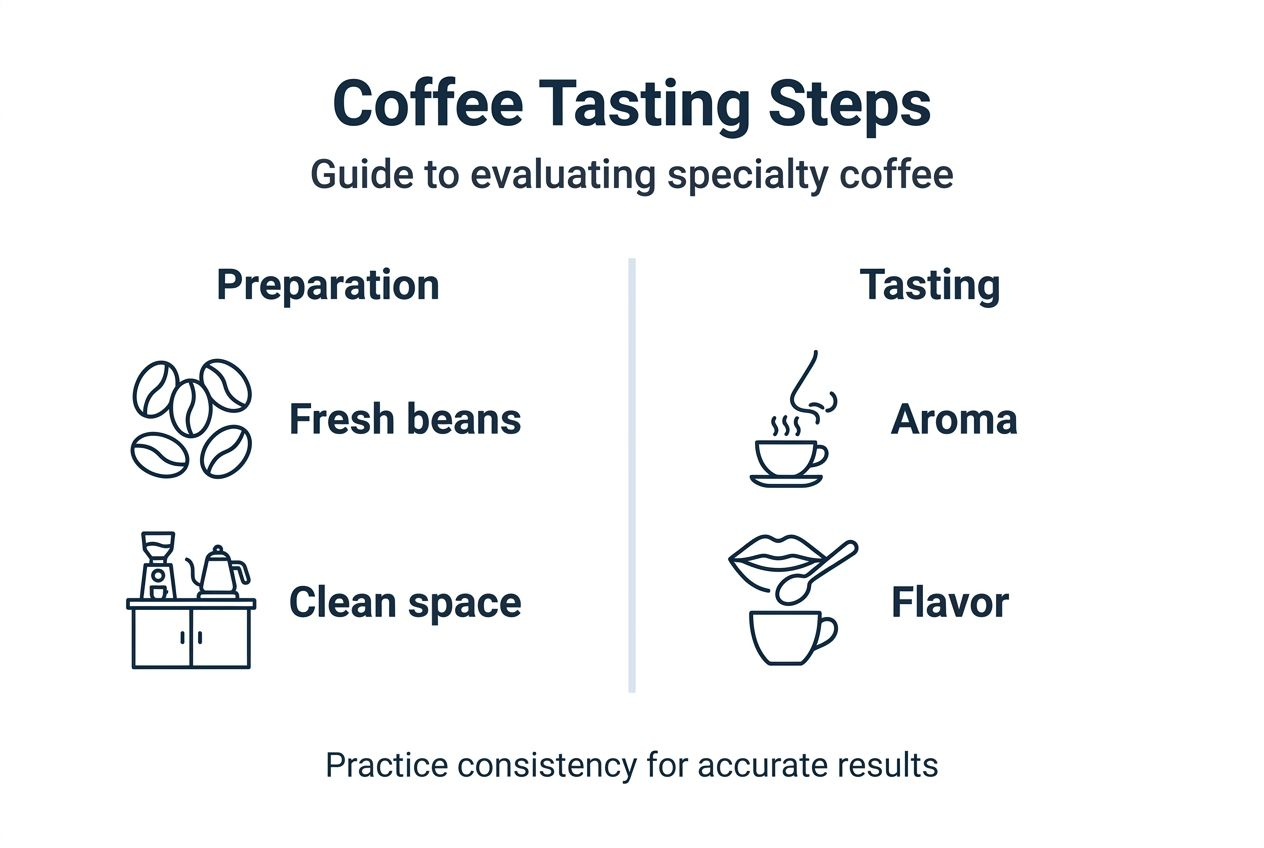
Successful coffee tasting requires careful preparation. Start with fresh beans roasted within the past two weeks. Single-origin, ethically sourced varieties work best because they express clear, distinctive flavor characteristics without blending confusion.
Brew using consistent standards: 60 grams of ground coffee per liter of water, yielding filter coffee style. This ratio ensures balanced extraction and replicable results across tasting sessions. Use a reliable brewing method like pour-over or French press that you can control precisely.
Your tasting environment matters significantly. Choose a clean, neutral space free from cooking odors, perfumes, or other scents that interfere with aroma detection. Natural lighting helps with visual inspection, and a quiet setting allows concentration on subtle sensory details.

| Equipment | Purpose | Specifications |
|---|---|---|
| White porcelain cups | Visual clarity and color inspection | 6-8 oz capacity, plain white interior |
| Transparent glass cups | Alternative for visual assessment | Heat-resistant borosilicate glass |
| Grinder | Fresh, consistent particle size | Burr grinder, medium-fine setting |
| Digital scale | Precise coffee-to-water ratio | 0.1 gram accuracy |
| Thermometer | Monitor tasting temperature | 50-100°C range |
| Tasting journal | Record sensory observations | Digital or paper format |
Prepare your palate before tasting. Avoid strong flavors like garlic, spicy foods, or mint for at least an hour beforehand. Drink water to cleanse your mouth. Have plain crackers or unsalted bread ready as palate cleansers between samples.
Maintain optimal tasting conditions:
- Keep coffee between 75°C and 50°C for flavor clarity and safety
- Preheat cups to prevent temperature drops that mute flavors
- Prepare controlled sample portions of 100-150ml per cup
- Have clean water available for palate rinsing
- Set out your tasting notes template or journal
Pro Tip: Smell your coffee at different temperatures as it cools. Volatile aromatics change dramatically, revealing new dimensions at each stage from hot to warm to cool.
Learn how to taste coffee flavors like an expert with proper equipment and technique refinement over time.
Step-by-step coffee tasting process
A systematic approach unlocks the full sensory profile of specialty coffee. Follow these steps carefully to develop accurate, repeatable evaluations.
-
Brew with proper standards. Use 60 grams of ground coffee per liter of water. Choose medium-fine grind consistency and fresh beans roasted within two weeks. Brew temperature should be 92-96°C for optimal extraction.
-
Visually inspect the coffee. Pour into a white or clear cup. Observe color depth, clarity, and any visible oils or particles. Darker colors suggest heavier roasts or certain origins. Clarity indicates clean processing and proper filtration.
-
Smell deeply using an aroma map. Before sipping, hold the cup close and inhale slowly. Identify primary scents like fruity, floral, nutty, or chocolatey notes. Detect secondary aromas such as caramel, spice, or herbal undertones. Repeat at different temperatures.
-
Taste between 75°C and 50°C. Take small sips and assess sweetness, acidity, bitterness, mouthfeel, and aftertaste. Let the coffee coat your entire palate. Notice how flavors evolve as temperature drops. Pay attention to balance among taste elements.
-
Cleanse your palate between tastings. Use room-temperature water or plain crackers to reset your taste receptors. This prevents flavor contamination when comparing multiple coffees. Wait 30 seconds before the next sample.
-
Record detailed notes immediately. Document aroma descriptors, flavor characteristics, acidity level, body weight, aftertaste duration, and overall impressions. Include origin, roast level, and brewing method. Keeping a detailed tasting journal accelerates your sensory skill development.
| Sensory Element | What to Evaluate | Common Descriptors |
|---|---|---|
| Visual | Color, clarity, crema | Golden, amber, deep brown, clear, cloudy |
| Aroma | Fragrance intensity and type | Floral, fruity, nutty, chocolatey, earthy, spicy |
| Flavor | Taste complexity and notes | Berry, citrus, caramel, dark chocolate, honey |
| Acidity | Brightness and type | Bright, crisp, wine-like, malic, citric |
| Body | Weight and texture | Light, medium, full, creamy, silky, smooth |
| Aftertaste | Finish length and quality | Clean, lingering, sweet, bitter, complex |
Optimal tasting sessions last 10-20 minutes per sample to avoid sensory fatigue. Tasting more than four coffees consecutively reduces accuracy as your palate becomes overwhelmed.
Pro Tip: Use the slurping technique. Draw coffee across your palate with air to aerosolize flavors and engage both taste and smell receptors simultaneously. This professional method dramatically enhances flavor detection.
Consistency matters more than perfection. Use the same sip size, breathing pattern, and timing for each evaluation. This standardization allows meaningful comparisons and tracks your progress as you develop coffee tasting skills over repeated sessions.
Ethical sourcing and its impact on coffee flavor appreciation
Ethical sourcing directly influences the quality of coffee you taste. Fair payment, social responsibility, and environmental sustainability create conditions where farmers can focus on quality rather than mere survival. When growers receive fair compensation, they invest in better processing, selective harvesting, and careful post-harvest handling.
Transparency and direct trade relationships preserve coffee freshness. Shorter supply chains mean beans reach roasters faster, maintaining the volatile compounds that create complex flavors. This assurance of quality translates into richer, more nuanced sensory experiences in your cup.
Supporting ethical sourcing extends beyond taste. It sustains farming communities, encourages regenerative agriculture, and protects biodiversity in coffee-growing regions. Your purchasing decisions influence whether farmers can afford to maintain shade-grown forests, use organic methods, and invest in quality infrastructure.
Understanding ethical coffee sourcing connects sensory enjoyment with conscious consumption. When you taste exceptional coffee, you’re experiencing the result of fair labor practices and sustainable farming. This knowledge deepens appreciation and transforms tasting into an ethical act.
Benefits of choosing ethically sourced coffee:
- Fresher beans from transparent supply chains
- More complex flavor profiles from quality-focused farming
- Support for farmer economic stability and community development
- Environmental protection through sustainable agriculture practices
- Traceability that connects your cup to specific producers
Single-origin coffees exemplify ethical sourcing transparency. These beans come from identifiable farms or cooperatives, allowing you to trace their journey and understand the terroir, processing methods, and people behind your coffee. This connection enhances both flavor appreciation and ethical awareness.
Troubleshooting and common mistakes in coffee tasting
Avoiding frequent errors dramatically improves tasting accuracy. Many beginners make the same mistakes that obscure flavor detection and reduce evaluation reliability.
Using dark roasts for tasting. Dark roasts mask subtle origin characteristics with roast flavors like char and bitterness. Start with light to medium roasts that preserve delicate fruit, floral, and acidity notes inherent to the bean.
Tasting stale coffee. Beans lose volatile aromatics rapidly after roasting. Use coffee roasted within the past two weeks for accurate flavor assessment. Store beans properly in airtight containers away from light and heat.
Wrong tasting temperature. Coffee too hot scalds your palate and hides flavors. Coffee too cool tastes flat and muddy. Maintain the 75°C to 50°C range where flavors express most clearly and safely.
Skipping palate cleansing. Flavor residue from previous samples contaminates subsequent tastings. Always cleanse with water, unsalted crackers, or plain bread between coffees to reset your receptors.
Ignoring aroma assessment. Smell contributes 80% of flavor perception. Skipping the aroma phase means missing critical sensory information. Always smell coffee before, during, and after tasting.
Additional mistakes to avoid:
- Tasting on an empty stomach or immediately after meals
- Using flavored water or sparkling water for palate cleansing
- Evaluating too many samples without breaks
- Failing to record notes immediately while impressions are fresh
- Comparing coffees with vastly different roast levels simultaneously
Pro Tip: If you experience sensory fatigue, stop immediately. Pushing through reduces accuracy and trains bad habits. Take a 15-minute break, drink water, and reset before continuing.
Avoid common coffee tasting mistakes by following proper protocols and respecting your sensory limitations. Quality matters more than quantity in tasting sessions.
Expected outcomes and how to know you did it right
Successful coffee tasting produces clear, measurable results. You should finish each session with specific sensory observations rather than vague impressions. Ten to twenty minutes per sample provides sufficient time for thorough evaluation without fatigue.
You’ve conducted an effective tasting when you can identify diverse flavor notes related to the coffee’s origin and roast level. For example, Ethiopian coffees often show blueberry and jasmine notes, while Colombian beans lean toward caramel and nuts. These identifications should be consistent and repeatable.
Consistent use of a tasting journal accelerates skill development. Track your observations over multiple sessions to notice patterns, preferences, and improvement in sensory vocabulary. Compare notes from the same coffee tasted weeks apart to assess consistency.
Freshness indicators signal quality evaluation:
- Bright, vibrant aroma rather than flat or stale scents
- Clear acidity that enlivens the palate without harshness
- Complex flavor layers that evolve as temperature changes
- Clean aftertaste without muddy or papery notes
- Balanced sweetness, acidity, and body
| Tasting Focus | Filter Coffee | Espresso |
|---|---|---|
| Optimal temperature | 75-50°C | 65-55°C |
| Flavor clarity | High, nuanced | Intense, concentrated |
| Acidity perception | Bright, distinct | Muted, integrated |
| Body weight | Light to medium | Medium to full |
| Tasting duration | 10-20 minutes | 5-10 minutes |
| Best for beginners | Yes, easier to detect notes | No, overwhelming intensity |
Confidence and sensory vocabulary improve with practice. Early sessions might yield only basic descriptors like “fruity” or “bitter.” After several tastings, you’ll distinguish between “strawberry” versus “blackberry” fruitiness or “lemon” versus “apple” acidity.
You know you did it right when your flavor identifications align with the coffee’s documented profile and when you can replicate results across multiple tastings of the same bean. This consistency demonstrates trained sensory skills rather than random guessing.
Explore specialty coffee collections to practice your developing skills with diverse origins and processing methods. The broader your tasting experience, the more refined your palate becomes.
Explore specialty coffee selections to enhance your tasting journey
Now that you understand structured coffee tasting, apply these skills to exceptional beans. House Coffee offers carefully curated specialty coffee collections featuring ethically sourced, single-origin Arabica beans perfect for tasting practice. Each selection provides detailed origin stories, processing methods, and flavor profiles to guide your evaluations.
Discover coffees tailored for filter brewing that highlight the complex flavor profiles you’ve learned to identify. From bright Ethiopian beans with floral notes to rich Colombian varieties with chocolate undertones, each origin offers unique sensory experiences. Benefit from transparent sourcing that ensures freshness and supports farmer communities.
Buy specialty coffee at wholesale prices to stock your tasting sessions without compromising quality. House Coffee’s commitment to ethical sourcing means every purchase supports sustainable agriculture while delivering the superior beans your refined palate deserves. Understanding why specialty coffee matters transforms your relationship with this beloved beverage from casual consumption to mindful appreciation.
FAQ
What is the ideal temperature for tasting coffee?
The ideal tasting temperature ranges between 75°C and 50°C, allowing full flavor expression without scalding your palate. Temperatures above this range mask delicate notes, while cooler temperatures produce flat, muted flavors that don’t represent the coffee accurately.
How can I prevent my palate from getting overwhelmed during tastings?
Use room-temperature water, plain crackers, or unsalted bread between samples to cleanse your palate and prevent flavor contamination. Take 15-minute breaks if you notice sensory fatigue, as forcing through diminishes accuracy and can train poor tasting habits.
Why is ethical sourcing important for coffee flavor?
Ethical sourcing supports sustainable farming and fair compensation, resulting in fresher, higher-quality beans with more complex flavor profiles. Transparent supply chains ensure beans reach you quickly, preserving volatile aromatics that create exceptional taste experiences while supporting farmer communities.
What type of coffee roast should I use for tasting?
Use light to medium roasts for tasting, as dark roasts mask subtle origin characteristics with heavy roast flavors like char and bitterness. Freshness matters more than roast level, so always choose beans roasted within the past two weeks for accurate flavor perception.
How long should a coffee tasting session last?
A proper tasting session lasts 10-20 minutes per coffee sample, allowing thorough sensory evaluation without fatigue. Limit yourself to four samples maximum in one session to maintain palate sensitivity and evaluation accuracy throughout the tasting.
Recommended
-
Posted in
en, step-by-step coffee tasting