How to Taste Coffee Flavors Like an Expert at Home

Most american home brewers do not realize how much their environment shapes the flavors in their daily cup. The smallest detail, like lingering scented candles or inconsistent room temperature, can mute the subtle notes you look for in specialty coffee. Discovering those hidden honey or citrus tones starts with creating a careful tasting setup. This guide helps transform your ordinary kitchen into a space where every single-origin coffee truly shines.
Table of Contents
- Step 1: Set Up Your Tasting Environment
- Step 2: Prepare Freshly Brewed Coffee Samples
- Step 3: Observe Aroma and Appearance
- Step 4: Sip and Identify Flavor Notes
- Step 5: Compare and Reflect on Flavor Profiles
Quick Summary
| Key Point | Explanation |
|---|---|
| 1. Establish a neutral tasting environment | Select a clean, well-lit space free from distractions and strong smells to enhance sensory evaluation of coffee. |
| 2. Use precise coffee preparation techniques | Grind beans fresh, standardize ratios, and brew at optimal temperatures to ensure consistent flavor extraction across samples. |
| 3. Observe coffee aroma and appearance | Carefully analyze color and scent to note quality indicators before tasting, as they provide insight into the flavor experience. |
| 4. Practice proper tasting techniques | Use a slurping method to aerate coffee, enabling a full range of flavor detection while identifying specific taste notes. |
| 5. Compare and reflect on different coffees | Methodically assess flavor profiles and document variations to understand each coffee’s unique characteristics and origins. |
Step 1: Set Up Your Tasting Environment
Creating the right environment is crucial for accurately assessing coffee flavors. Your tasting space will be your sensory laboratory where subtle nuances emerge and complex flavor profiles reveal themselves. Specialized coffee research institutes recommend establishing a neutral space that minimizes potential sensory interference.
Start by selecting a clean area with good natural lighting and minimal external distractions. Choose a table with a white or neutral surface that allows you to observe coffee color and clarity. Remove any strong-smelling items like scented candles, spices, or cleaning products that could impact your sensory perception. Your goal is creating a controlled environment where coffee becomes the singular focus. Ensure the room temperature remains consistent around 68 to 72 degrees Fahrenheit and avoid areas with drafts or direct sunlight that might alter coffee temperature.
Position clean white cups or ceramic vessels for tasting, along with a small notepad and pen to record your observations. Have room temperature water nearby for cleansing your palate between tastings. By meticulously preparing your tasting environment, you transform an ordinary space into a professional cupping station ready to unlock extraordinary flavor discoveries.
Pro tip: Wear neutral clothing without strong detergent smells and avoid wearing perfume or cologne during coffee tasting to prevent sensory interference.
Step 2: Prepare Freshly Brewed Coffee Samples
Preparing coffee samples for tasting requires precision and attention to detail. Your goal is to create consistent, representative brews that reveal each coffee’s unique characteristics. Coffee preparation protocols emphasize the critical importance of standardizing your brewing process.
Begin by selecting freshly roasted whole beans and grinding them immediately before brewing. Use a burr grinder to ensure uniform particle size, which directly impacts flavor extraction. Measure your coffee and water with a digital scale for exact ratios typically recommended at 1:16 coffee to water. Heat water to between 195 and 205 degrees Fahrenheit to optimize flavor extraction without introducing bitterness. Choose a brewing method that allows you to create multiple identical samples such as pour over or French press, which provide consistent results and enable comparative tasting.
Prepare multiple samples simultaneously to ensure each cup receives identical treatment. Rinse your brewing equipment between batches to prevent flavor contamination and use filtered water at room temperature to highlight the coffee’s natural profile. Pour your brewed coffee into clean white cups that allow you to observe color and clarity.
Here’s a summary of key variables that influence coffee tasting outcomes:
| Variable | Recommended Range | Impact on Tasting |
|---|---|---|
| Room Temperature | 68-72°F | Preserves coffee flavors |
| Water Temperature | 195-205°F | Optimizes extraction balance |
| Brewing Ratio | 1:16 coffee to water | Ensures consistency |
| Grind Size | Uniform (burr grinder) | Affects flavor extraction |
Pro tip: Use a timer during brewing to maintain exact steeping times and ensure reproducible flavor profiles across different coffee samples.
Step 3: Observe Aroma and Appearance
The initial sensory evaluation of coffee involves a careful examination of its visual characteristics and aromatic profile. Professional coffee cupping techniques reveal that appearance and aroma provide critical insights into the coffee’s quality and potential flavor experience before you even take a sip.
Begin by observing the coffee’s color and clarity. A rich espresso should display a golden brown crema with a honeyed sheen, while brewed coffee should showcase a clear transparent color ranging from light amber to deep mahogany. Gently swirl the cup to release volatile aromatic compounds and lean in close to inhale deeply. Note the initial scent layers which might range from bright and fruity to earthy and complex. Different roast levels produce distinctive aromas nutty and caramel notes often indicate medium roasts while darker roasts might present smoky or intense burnt sugar characteristics.
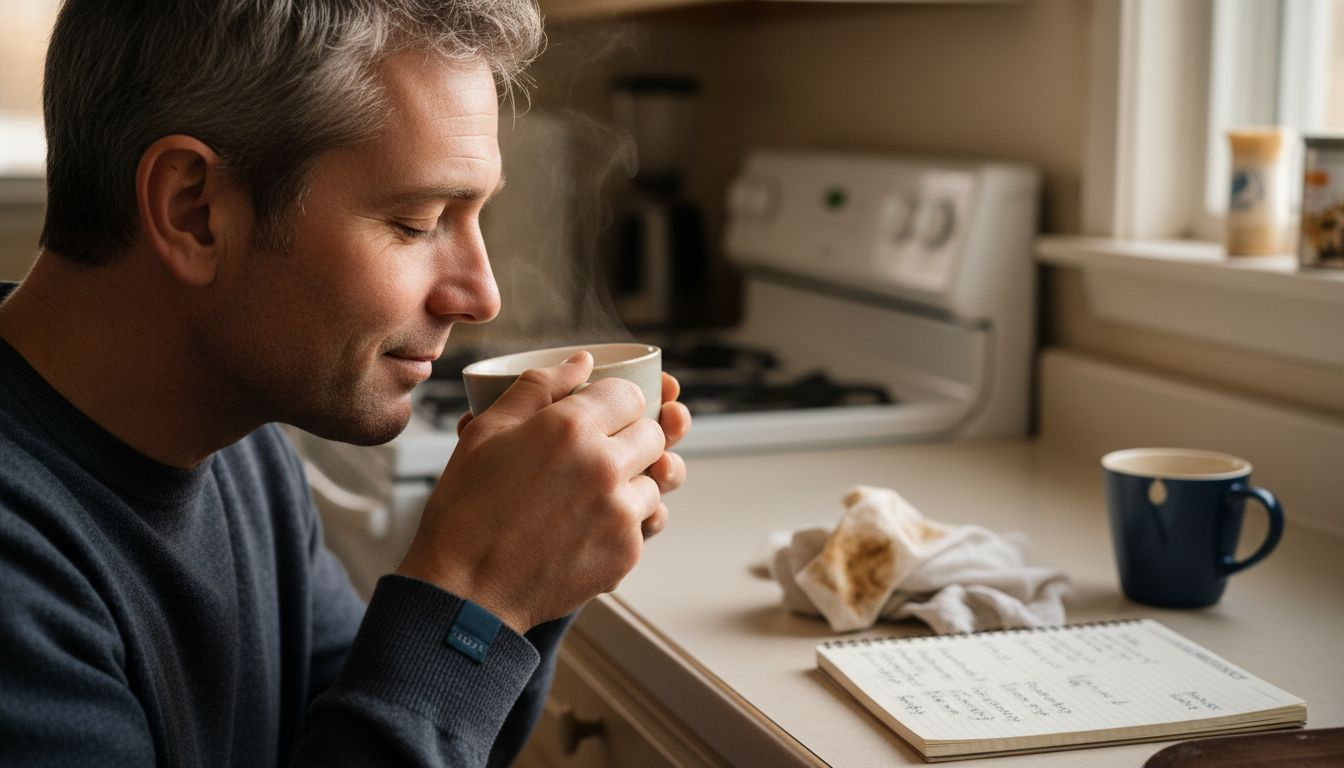
Take time to document your observations systematically. Use descriptive terminology that captures the nuanced sensory experience from dry ground coffee aroma to the brewed liquid’s evolving scent profile. Remember that each coffee tells a unique story through its visual and olfactory presentation.
Pro tip: Smell the coffee grounds before brewing to capture the initial aromatic notes and compare them with the brewed coffee’s evolving fragrance.
Step 4: Sip and Identify Flavor Notes
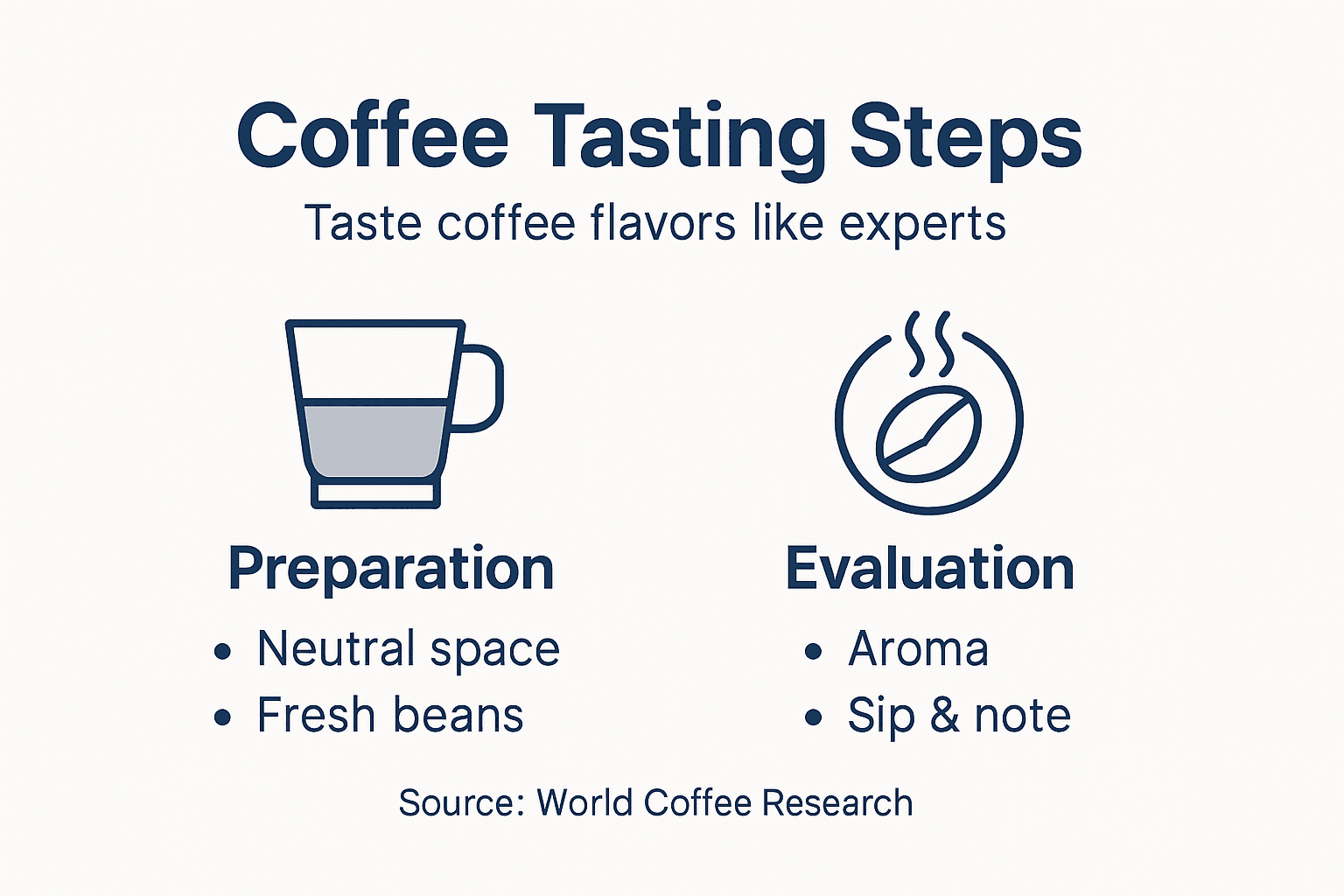
Tasting coffee is an art that requires careful technique and focused attention. World Coffee Research’s sensory evaluation methods recommend a specific approach to unlocking the complex flavor profiles hidden within each brew.
Begin by taking a small sip and aerating the coffee across your palate through a loud slurping technique professional tasters use. This method spreads the liquid and releases volatile compounds, allowing you to experience the full spectrum of flavors. Focus on identifying primary taste elements first: sweetness typically hits the tip of your tongue, acidity registers on the sides, while bitterness is perceived at the back. Notice how flavors evolve from the initial taste to the lingering aftertaste. Different coffee origins produce unique flavor notes ranging from bright citrusy characteristics in African coffees to nutty and chocolatey profiles found in South American beans.
Record your observations systematically using precise descriptors. Instead of simply noting something tastes good, try to pinpoint specific flavor nuances like dark chocolate, toasted almond, or green apple. Consider the coffee’s body the weight and texture in your mouth and how the flavors interact and develop across your palate.
Pro tip: Clean your palate with room temperature water between different coffee samples to prevent flavor contamination and maintain sensory accuracy.
Step 5: Compare and Reflect on Flavor Profiles
Comparing coffee flavor profiles transforms a simple tasting into a nuanced sensory journey. World Coffee Research’s sensory evaluation framework provides a systematic approach to understanding the intricate characteristics of different coffee samples.
Arrange your coffee samples side by side and approach the comparison methodically. Start by identifying the dominant flavor notes in each sample and consider how they differ. Pay attention to subtle variations in acidity, sweetness, body, and complexity. Some coffees might present bright and tangy characteristics while others reveal deep and mellow undertones. Notice how origin impacts flavor profiles African coffees often showcase vibrant citrus and floral notes, while South American beans tend to offer more chocolatey and nutty experiences. Document your observations using specific descriptors that capture the unique personality of each coffee.
Here’s a quick reference for flavor notes by coffee origin:
| Origin | Typical Flavor Notes | Acidity Level |
|---|---|---|
| African | Citrus, floral, berry | High, vibrant |
| South American | Chocolate, nutty, caramel | Medium, balanced |
| Asian-Pacific | Earthy, spicy, herbal | Mild, smooth |
Reflect on the broader story each coffee tells. Beyond individual flavor notes, consider the coffee’s overall balance and how different taste elements interact. Think about which flavors linger longest and how the coffee’s character evolves from the first sip to the final aftertaste. This deeper analysis transforms tasting from a mere sensory experience into an exploration of agricultural craft and regional diversity.
Pro tip: Create a simple scoring system to rate different flavor attributes consistently across multiple coffee samples.
Elevate Your At-Home Coffee Tasting Experience with House Coffee
Mastering the art of coffee tasting at home requires not only the right techniques but also access to exceptional coffee and quality brewing gear. If you want to unlock complex flavor notes and truly explore the characteristics described in expert guides, having freshly roasted, ethically sourced beans is essential alongside brewing essentials designed to support your sensory journey.
Discover our exclusive collections including the Limited Edition – House Coffee series featuring single-origin Arabica beans that embody unique regional flavors. Pair these with premium tools from our Brewing Essentials – House Coffee lineup to create a perfect tasting environment that highlights the nuances of each cup.
Don’t just taste coffee—experience it. Start your flavor exploration today by visiting House Coffee for curated specialty coffees and brewing accessories that will transform your home tastings into an expert ritual. Elevate your palate now and savor every note.
Frequently Asked Questions
How do I set up my tasting environment for coffee?
Creating a proper tasting environment involves choosing a clean area with natural lighting and minimal distractions. Use a table with a neutral surface, maintain a consistent room temperature between 68 to 72 degrees Fahrenheit, and eliminate strong-smelling items to focus solely on the coffee.
What is the best method for brewing coffee samples at home?
To brew coffee samples, use freshly roasted whole beans and grind them just before brewing with a burr grinder for uniformity. Aim for a coffee-to-water ratio of 1:16 and brew with water heated between 195 and 205 degrees Fahrenheit to optimize flavor extraction.
How should I evaluate the aroma and appearance of coffee?
Start by observing the coffee’s color and clarity, noting any unique characteristics. Swirl the cup gently, then inhale deeply to identify the initial aromatic layers before tasting; document your findings in a systematic way to enhance your understanding of each coffee.
What techniques should I use to taste coffee flavors effectively?
Take a small sip and use a slurping technique to aerate the coffee across your palate, allowing you to experience the flavors fully. Focus on identifying primary taste elements like sweetness, acidity, and bitterness, and record specific flavor nuances you detect.
How can I compare different coffee flavor profiles?
Arrange your coffee samples side by side to compare flavor notes systematically. Pay attention to the differences in acidity, sweetness, and body while documenting your observations, which can help reveal the unique characteristics of each coffee sample.
What should I do if I want to improve my coffee tasting skills?
Practice regularly by tasting different coffee varieties and employing consistent brewing methods. Create a simple scoring system to rate different flavor attributes, allowing you to track your progress and refine your tasting skills over time.
Recommended
-
Posted in
how to taste coffee flavors