Defining coffee craftsmanship for premium brewing
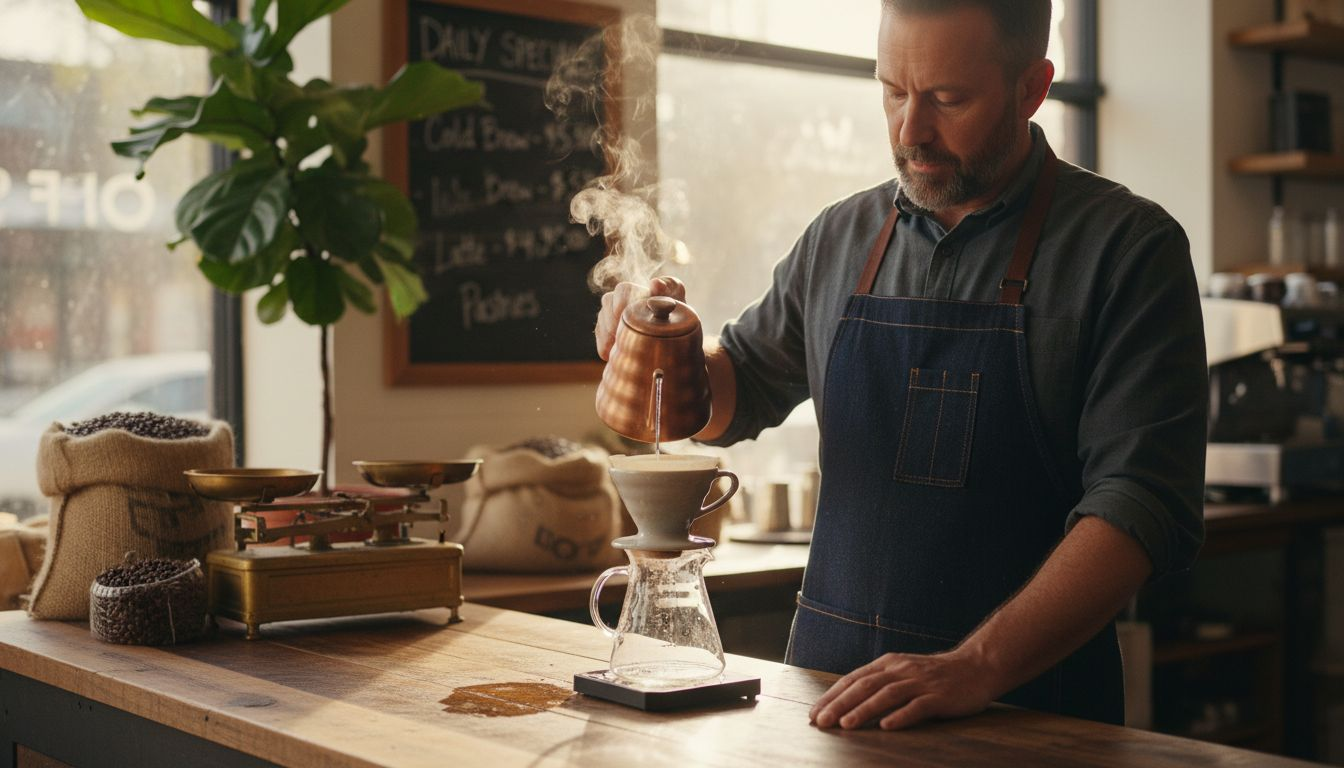
Specialty coffee accounts for just 6% of the global coffee market yet sets the quality and ethical standards others aspire to reach. Coffee craftsmanship blends ethical sourcing, artisanal processing, and skilled brewing into a cohesive practice that delivers exceptional flavor while supporting sustainable communities. This guide explores how these pillars work together, helping you recognize authentic craftsmanship and apply it at home for a superior coffee experience.
Table of Contents
- Introduction To Coffee Craftsmanship
- Ethical Sourcing And Sustainability In Coffee Craftsmanship
- Artisanal Processing And Roasting Techniques
- The Significance Of Single-Origin Coffee
- Traceability And Transparency In Craftsmanship
- Practical Brewing Techniques For Home Baristas
- Common Misconceptions About Coffee Craftsmanship
- Conclusion: Bridging Understanding To Better Coffee Enjoyment
- Explore Specialty Coffees Crafted For Your Perfect Brew
- Frequently Asked Questions
Key takeaways
| Point | Details |
|---|---|
| Craftsmanship fundamentals | Coffee craftsmanship integrates ethical sourcing, artisanal processing, and precision brewing to maximize flavor and sustainability. |
| Ethical sourcing impact | Fair trade practices and sustainable farming improve bean quality while supporting producer communities and environmental health. |
| Artisanal processing advantage | Small-batch roasting and careful processing methods preserve unique origin flavors and ensure freshness. |
| Traceability verification | Supply chain transparency authenticates quality claims and builds consumer confidence in premium purchases. |
| Home brewing control | Precise control over grind size, water chemistry, and temperature unlocks specialty coffee’s full flavor potential. |
Introduction to coffee craftsmanship
Coffee craftsmanship represents the deliberate integration of ethical farm practices, artisanal processing techniques, and skilled brewing methods. While specialty coffee represents about 6% of the global coffee market, this segment commands significantly higher quality and ethical sourcing standards that influence the entire industry. Craftsmanship treats coffee as an agricultural product deserving respect at every stage, from seed to cup.
This approach recognizes sustainability and quality as inseparable goals rather than competing priorities. Farmers practicing ethical cultivation produce better beans through soil stewardship and selective harvesting. Roasters applying small-batch techniques preserve these qualities through precise heat application and timing.
The core components of coffee craftsmanship include:
- Ethical sourcing practices ensuring fair compensation and sustainable farming methods
- Small-batch roasting that allows for flavor precision and quality control
- Processing methods tailored to highlight origin characteristics
- Precision brewing techniques that optimize extraction and flavor balance
- Transparent supply chains verifying authenticity and supporting premium pricing
Consumer awareness drives demand for specialty coffee that demonstrates these values. You gain access to unique flavor profiles while supporting production systems that benefit farming communities and preserve environmental resources. Craftsmanship creates a feedback loop where quality justifies premium pricing, which in turn funds sustainable practices and further quality improvements.
Ethical sourcing and sustainability in coffee craftsmanship
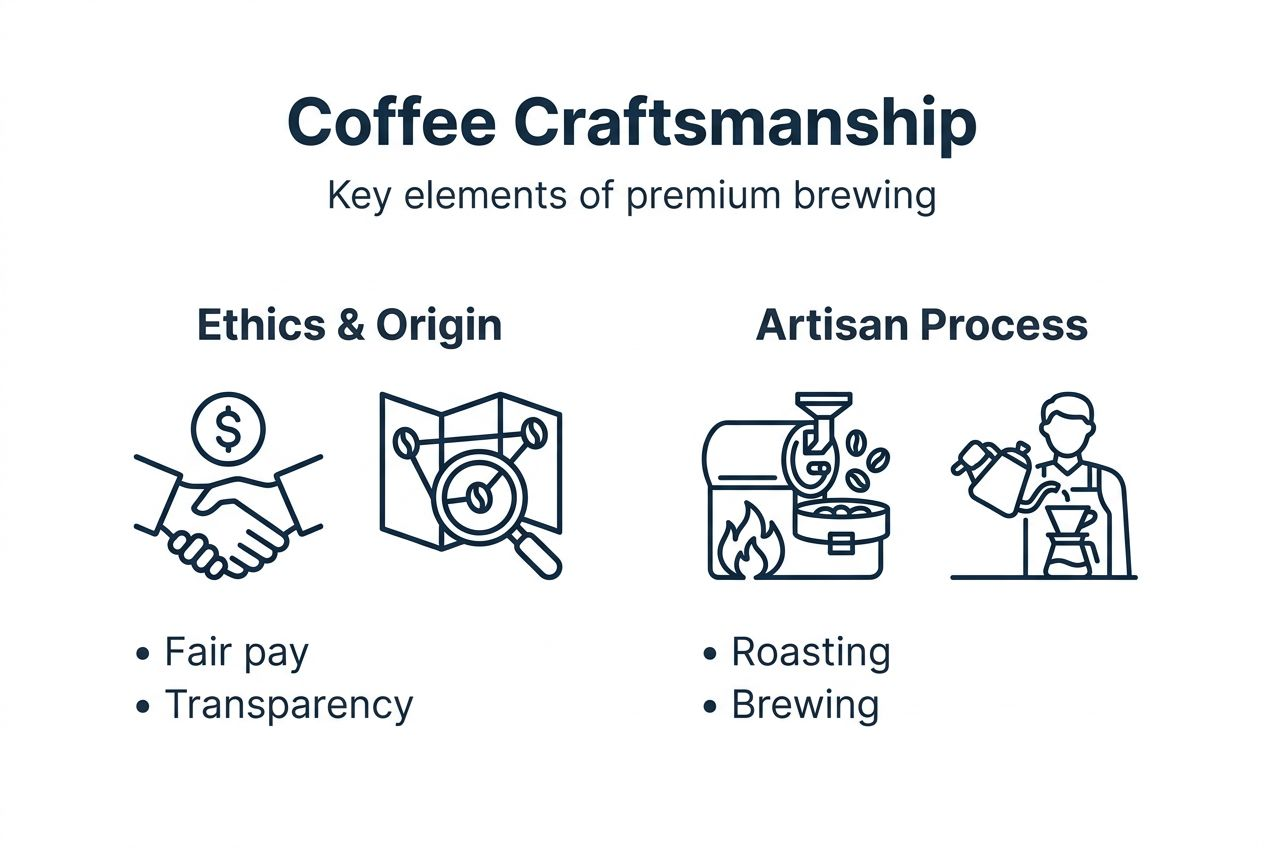
Ethical sourcing forms the foundation of genuine coffee craftsmanship by ensuring producers receive fair compensation while practicing sustainable agriculture. This approach directly impacts bean quality because farmers with stable incomes can invest in better cultivation practices, selective harvesting, and post-harvest processing. Ethical sourcing improves farm productivity and bean quality, substantiating its role as a core craftsmanship element rather than mere marketing.
Several certification systems verify ethical standards, though they vary in requirements. Fair Trade certification guarantees minimum prices and community development premiums. Rainforest Alliance focuses on environmental conservation and worker welfare. Direct trade relationships often exceed certification standards through personal relationships and transparent pricing.
Environmental benefits extend beyond individual farms to entire ecosystems. Shade-grown coffee preserves biodiversity by maintaining forest canopy that supports bird populations and prevents soil erosion. Water conservation techniques reduce contamination from processing waste. These practices create agricultural systems that can sustain production for generations.
Key principles of ethical coffee sourcing explained include:
- Fair pricing that covers production costs and provides living wages
- Long-term trading relationships that provide income stability
- Environmental stewardship through organic practices and biodiversity conservation
- Community investment in education, healthcare, and infrastructure
- Gender equity in farm ownership and decision making
The connection between ethics and quality appears in measurable outcomes. Farms with secure incomes invest in processing equipment that improves consistency. Workers receiving fair wages take greater care during harvest, selecting only ripe cherries. Understanding the benefits of ethically sourced coffee helps you recognize why premium pricing often correlates with superior flavor.
Pro Tip: Look for coffees with transparent origin stories including farm names, processing methods, and pricing structures to verify genuine ethical commitments beyond certification labels.
The role of arabica beans specialty coffee production becomes more significant when farmers can afford to cultivate these more delicate, flavor-complex varieties. Arabica requires higher altitudes, careful pest management, and selective harvesting compared to robusta, making ethical pricing essential for quality production.
Artisanal processing and roasting techniques
Processing methods transform coffee cherries into green beans while profoundly influencing flavor profiles. The three primary methods each create distinct taste characteristics. Washed processing removes all fruit before drying, producing clean, bright acidity and clarity. Natural processing dries whole cherries, creating fruity, wine-like flavors with heavier body. Honey processing removes skin but leaves mucilage during drying, balancing sweetness with moderate acidity.
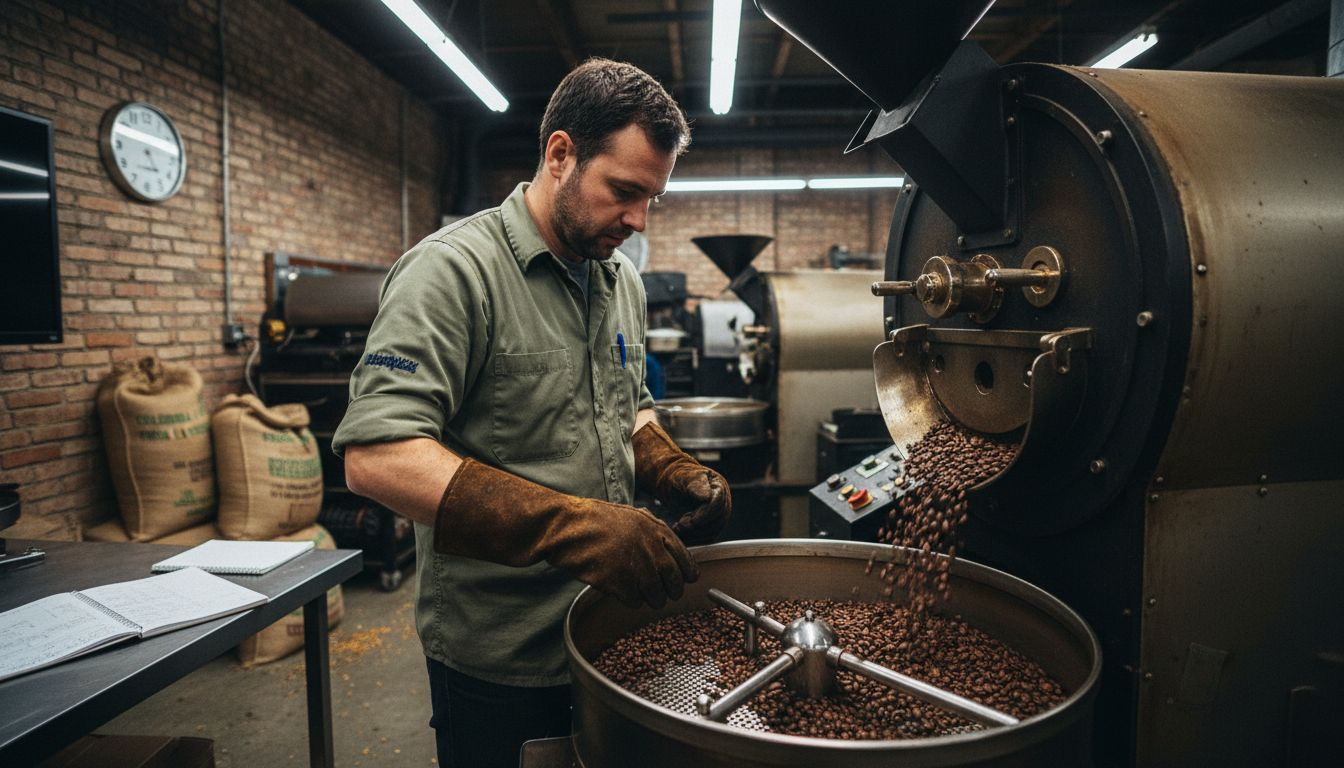
Small-batch roasting distinguishes artisanal approaches from commercial operations. Batches of 15 to 30 pounds allow roasters to monitor development closely and make real-time adjustments. This precision prevents the uneven roasting and flavor loss common in large industrial batches. Freshness becomes paramount because small batches move quickly from roaster to consumer, preserving volatile aromatic compounds.
Light to medium roasts preserve origin characteristics that darker roasts obscure. These profiles highlight the terroir-driven flavors developed through ethical farming and careful processing. Temperature curves and development times require expertise to balance acidity, sweetness, and body without creating harsh or underdeveloped flavors.
| Aspect | Small-Batch Artisanal | Mass Commercial |
|---|---|---|
| Batch size | 15-30 lbs | 200+ lbs |
| Quality control | Real-time adjustment per batch | Automated standardization |
| Roast profile | Origin-specific customization | Uniform dark roasts |
| Freshness | Days to weeks from roasting | Weeks to months from roasting |
| Flavor preservation | Maximizes origin characteristics | Prioritizes consistency over uniqueness |
Roasting profiles affect how you perceive sensory notes. Light roasts preserve floral and fruity notes with pronounced acidity. Medium roasts develop caramel sweetness while maintaining origin character. Each specialty coffee origin responds differently to heat application, requiring experienced roasters to determine optimal development.
Pro Tip: Purchase whole beans roasted within two weeks and store them in airtight containers away from light and heat to preserve the aromatic compounds that define craftsmanship quality.
Roast dates matter more than expiration dates. Degassing occurs for 24 to 48 hours after roasting, after which flavor peaks for about two weeks before gradually declining. Understanding these timelines helps you experience coffee at its intended quality level.
The significance of single-origin coffee
Single-origin coffee sources beans from one specific region, farm, or cooperative rather than blending multiple origins. This approach showcases terroir, the combination of soil composition, altitude, climate, and processing methods that create distinctive flavor profiles. Ethiopian Yirgacheffe produces floral, tea-like characteristics. Colombian beans from Huila offer balanced sweetness with chocolate notes. These differences reflect geographical and agricultural specificity.
Terroir influences flavor through measurable factors. Altitude affects bean density and acid development, with higher elevations generally producing more complex acidity. Volcanic soils contribute mineral characteristics. Rainfall patterns influence cherry development and sugar concentration. Single-origin coffees allow you to taste these environmental variables directly.
Research shows single-origin coffee cuppings statistically demonstrate 25% higher flavor complexity ratings compared to blend samples in professional tastings. This data supports the craftsmanship value of origin focus, though well-designed blends can also exhibit quality when components are ethically sourced and carefully selected.
| Characteristic | Single-Origin | Blends |
|---|---|---|
| Flavor focus | Terroir expression and origin uniqueness | Balanced consistency across batches |
| Complexity | High variability reflecting specific conditions | Moderate, designed for harmony |
| Craftsmanship criteria | Showcases ethical sourcing and processing transparency | Quality depends on component selection |
| Seasonal variation | Pronounced differences between harvests | Minimized through component substitution |
| Price positioning | Often premium for rare/exceptional origins | Varies from commercial to specialty |
Blends serve legitimate purposes when roasters combine complementary origins to create specific flavor profiles or maintain year-round availability. Craftsmanship appears in blend design when each component meets ethical and quality standards. However, blends can also mask inferior beans, making transparency about components essential.
Understanding the role of coffee origin helps you appreciate why geographic specificity matters. Origin information enables you to explore regional characteristics systematically and develop preferences based on terroir rather than marketing.
Traceability and transparency in craftsmanship
Traceability tracks coffee from farm to cup, verifying ethical sourcing claims and quality standards through documented supply chain stages. This capability transforms abstract craftsmanship promises into verifiable facts. You can confirm that premium pricing actually reaches producers rather than disappearing into opaque distribution networks.
Modern technologies enable unprecedented transparency. QR codes on packaging link to farm profiles, processing details, and pricing breakdowns. Blockchain systems create immutable records of transactions and custody transfers. Detailed origin documentation includes harvest dates, lot numbers, and cupping scores that authenticate quality claims.
Consumer benefits extend beyond ethical satisfaction. Traceability builds confidence that justifies premium pricing, with documented supply chains correlating to 15-30% higher willingness to pay in consumer surveys. You gain assurance that flavor claims reflect actual origins rather than generic marketing.
Best practices for traceability include:
- Direct trade relationships that eliminate intermediaries and improve producer compensation
- Detailed lot tracking from harvest through roasting and packaging
- Public disclosure of pricing structures showing producer payments
- Farm visit documentation with photos and producer interviews
- Third-party verification of claims through recognized certification bodies
Transparency complements ethical coffee sourcing explained by making abstract principles concrete and verifiable. Supply chain visibility holds all participants accountable to stated values, reducing greenwashing and false quality claims.
The relationship between producers and consumers strengthens through transparency. Farm stories humanize coffee production, connecting you to the people whose expertise and labor create exceptional beans. This connection transforms coffee from commodity to craft product deserving appropriate compensation.
Practical brewing techniques for home baristas
Applying craftsmanship principles at home requires controlling key variables that determine extraction quality. Home baristas applying artisanal brewing principles can improve flavor extraction by up to 30% compared to standard methods. This improvement comes from systematic attention to parameters that professional baristas manipulate.
Critical brewing variables in order of impact:
- Grind size determines surface area and extraction rate, with finer grinds extracting faster but risking bitterness
- Water temperature affects extraction speed and solubility, with 195-205°F optimal for most methods
- Brew time controls total dissolved solids, requiring method-specific targets
- Coffee-to-water ratio establishes strength and concentration, typically 1:15 to 1:17 for most preparations
Water chemistry significantly impacts flavor because coffee is 98% water. Mineral content affects extraction efficiency and taste perception. Optimal parameters include:
- Total dissolved solids between 75-175 ppm
- Calcium and magnesium for extraction buffering
- Balanced alkalinity to prevent excessive acidity or flatness
- Chlorine-free water to avoid chemical interference
Pro Tip: Test your tap water with aquarium strips and use filtered or remineralized water if total dissolved solids fall outside the ideal range for consistent extraction results.
Precision tools transform brewing from guesswork to science. Digital scales measuring to 0.1 grams ensure consistent ratios. Thermometers verify water temperature. Timers track extraction duration. These instruments cost less than a bag of premium beans but improve every cup you brew.
Explore brewing essentials that enhance your preparation ritual while supporting proper technique. Quality equipment paired with brewing specialty coffee techniques maximizes the flavor potential locked in ethically sourced, artisanally roasted beans.
Common misconceptions about coffee craftsmanship
Several persistent myths obscure proper understanding of coffee craftsmanship. Over 70% of specialty coffee roasters prefer light to medium roasts over darker ones to highlight origin flavors. This preference directly contradicts the misconception that darker roasts indicate higher quality. Dark roasting often masks defects and origin characteristics beneath burnt, bitter notes.
Price alone fails as a craftsmanship indicator without supporting evidence. Expensive coffee can result from scarcity, marketing, or processing costs unrelated to ethical sourcing or quality. Conversely, some exceptional coffees remain affordable due to direct trade relationships that eliminate markup layers. Evaluate sourcing transparency, processing details, and roast dates rather than price tags.
Single-origin designation doesn’t guarantee craftsmanship without ethical and artisanal rigor. Farms can produce single-origin beans using exploitative labor and environmental degradation. Origin specificity matters only when combined with verified sustainable practices and skilled processing.
Key misconceptions versus facts:
- Myth: Darker roasts are stronger and better; Fact: Darker roasts destroy origin flavors and often hide inferior beans
- Myth: All expensive coffee demonstrates craftsmanship; Fact: Price requires verification through sourcing and processing transparency
- Myth: Blends always indicate lower quality; Fact: Well-designed blends using quality components can exhibit craftsmanship
- Myth: Ethical sourcing is just marketing; Fact: Verified ethical practices demonstrably improve quality and community welfare
- Myth: Brewing method matters more than bean quality; Fact: Technique cannot overcome poor sourcing or stale roasting
Ethical sourcing delivers measurable benefits beyond feel-good marketing. Studies document improved yields, better bean quality, and enhanced flavor complexity from farms practicing sustainable agriculture with fair compensation. These outcomes validate ethical sourcing as practical craftsmanship rather than idealistic luxury.
Critical evaluation protects you from misleading claims. Examine specialty coffee quality explained to develop criteria for assessing authenticity. Ask questions about farm relationships, processing methods, and roast dates before accepting craftsmanship assertions.
Conclusion: bridging understanding to better coffee enjoyment
Coffee craftsmanship connects ethical sourcing, artisanal processing, and skilled brewing into an integrated system that produces exceptional flavor while supporting sustainable communities. Each element reinforces the others: fair pricing enables quality cultivation, careful processing preserves terroir characteristics, and proper brewing unlocks these qualities in your cup.
Apply these criteria when evaluating coffee purchases. Verify sourcing transparency through origin documentation and pricing disclosure. Confirm artisanal processing through roast dates and batch size information. Implement brewing techniques that respect the work invested in producing exceptional beans.
Your choices as a consumer influence industry practices. Supporting transparent, ethical producers funds sustainable agriculture and quality improvement. Demanding traceability pressures roasters to document their supply chains. These market signals strengthen craftsmanship across the specialty coffee sector.
Home brewing becomes more rewarding when you understand what makes coffee exceptional. Control variables systematically, taste critically, and appreciate the human expertise behind each cup. Coffee craftsmanship transforms a daily ritual into an informed practice connecting you to global agricultural communities through flavor.
Explore specialty coffees crafted for your perfect brew
Put your craftsmanship knowledge into practice with carefully curated specialty coffee collection featuring ethically sourced, traceable beans from premier growing regions. Each selection exemplifies the principles explored in this guide, from transparent farm relationships to artisanal small-batch roasting that preserves origin character.
Our gold collection coffees showcase single-origin beans selected for exceptional flavor complexity and verified sustainable practices. Whether you’re refining your home brewing technique or exploring new origins, these offerings provide the quality foundation craftsmanship requires. For larger quantities or commercial applications, buy specialty coffee wholesale options deliver the same ethical sourcing and artisanal quality at scale.
Frequently asked questions
What is coffee craftsmanship and why does it matter?
Coffee craftsmanship combines ethical sourcing, artisanal processing, and skilled brewing to create exceptional coffee while supporting sustainable agriculture. It matters because these practices deliver superior flavor complexity and verify that premium prices reach farming communities. Craftsmanship transforms coffee from commodity to agricultural art worth appreciating and supporting.
How can home baristas apply coffee craftsmanship principles?
Control grind size, water temperature, and brew time with precision tools for consistent extraction. Use fresh, ethically sourced beans preferably roasted within two weeks. Maintain clean equipment and optimize water chemistry through filtration or remineralization to maximize flavor potential.
Why is traceability important in specialty coffee?
Traceability verifies origin claims and ethical sourcing through documented supply chains from farm to cup. It builds purchasing confidence by proving premium pricing reaches producers rather than intermediaries. Transparency supports accountability and reduces misleading marketing in specialty coffee markets.
Recommended
-
Posted in
defining coffee craftsmanship, en