How to select ethical coffee gifts that impress in 2026
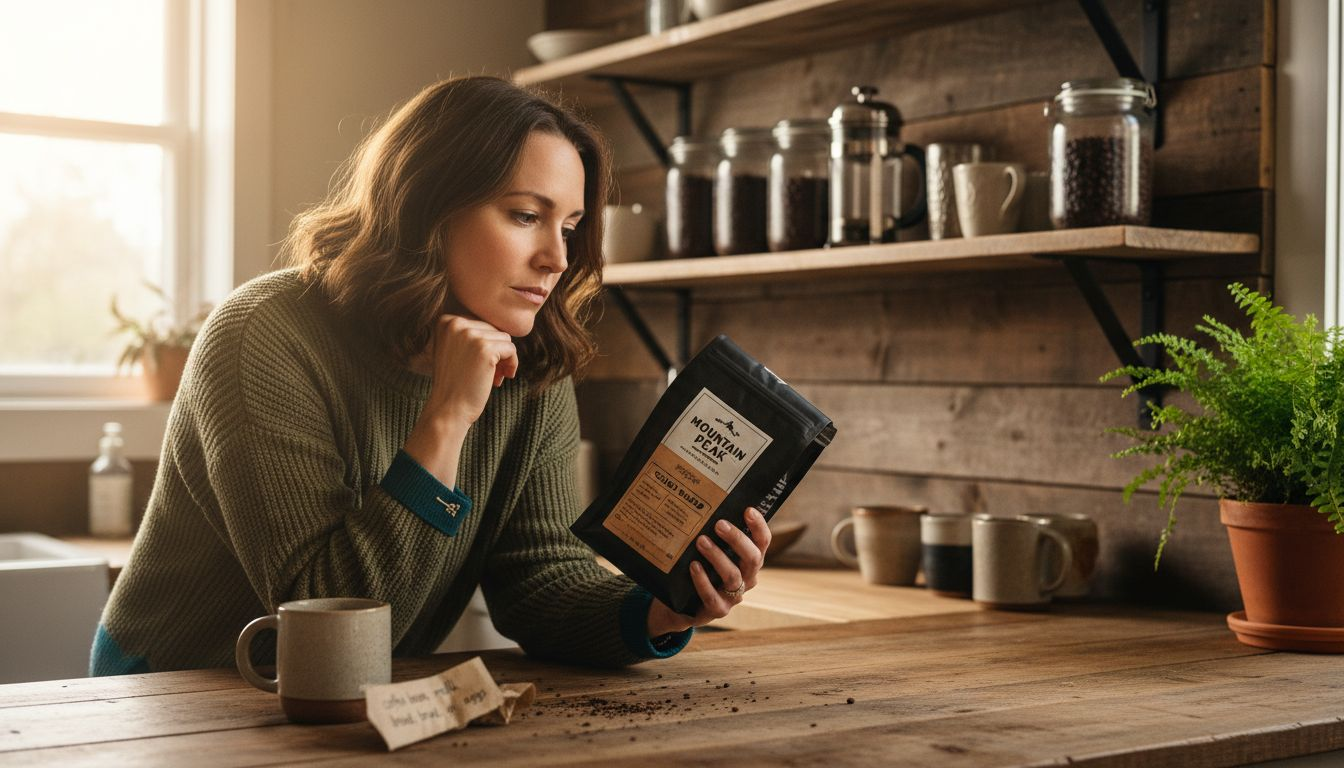
Choosing a coffee gift that truly reflects your values can feel overwhelming when you want to ensure it supports farmers fairly, protects the environment, and delivers exceptional quality. Many gift givers struggle to verify whether a coffee brand’s ethical claims translate into real impact for growers and ecosystems. This guide equips you with practical strategies to identify genuinely ethical coffee gifts that combine premium craftsmanship with transparent sourcing practices. You’ll learn how to look beyond certification labels, verify traceability, and select coffee that impresses recipients while supporting sustainable livelihoods and eco-friendly farming.
Table of Contents
- Understanding Ethical Coffee Sourcing Beyond Certifications
- Key Preparations Before Selecting An Ethical Coffee Gift
- Step-By-Step Guide To Selecting The Perfect Ethical Coffee Gift
- Common Challenges And How To Avoid Pitfalls When Choosing Ethical Coffee Gifts
- Explore Ethical Specialty Coffee Gifts At House Coffee
Key takeaways
| Point | Details |
|---|---|
| Certifications provide starting points | Fair Trade and Organic labels offer baseline screening but require deeper verification of actual farmer benefits and impact. |
| Traceability validates ethical claims | Coffee sourced from identifiable farms or cooperatives allows verification of labor practices and environmental stewardship. |
| Craftsmanship enhances ethical value | Premium roasting and processing methods honor the farmer’s work and deliver superior flavor experiences. |
| Transparency reveals true impact | Brands sharing origin stories, pricing details, and social programs demonstrate genuine commitment to ethical sourcing. |
| Direct inquiry uncovers authenticity | Asking sellers specific questions about farmer payments and sustainability initiatives separates marketing from meaningful action. |
Understanding ethical coffee sourcing beyond certifications
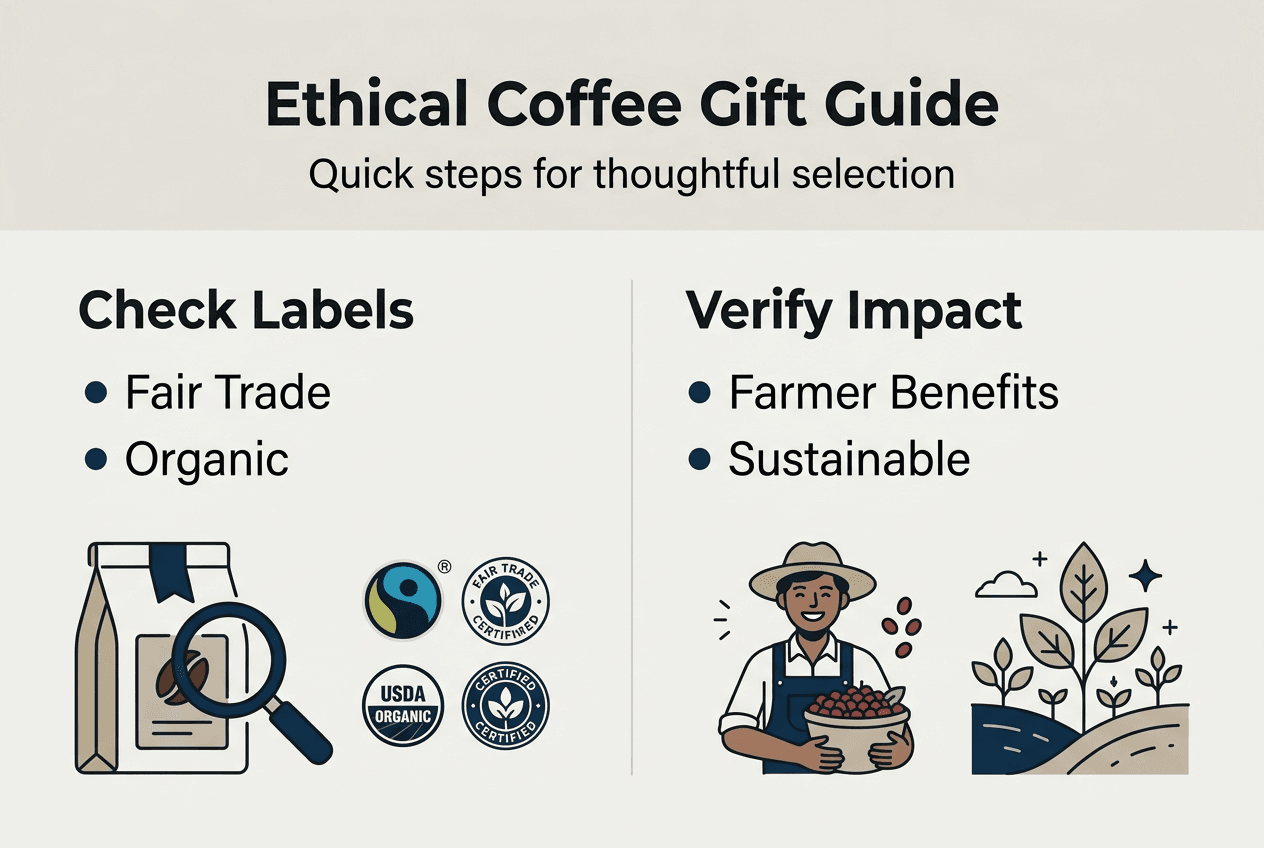
Many gift givers assume that certifications like Fair Trade or Organic automatically guarantee ethical impact, but these labels represent only the beginning of responsible sourcing. Certifications provide a valuable entry point but function as a starting line rather than the finish. The reality behind these seals is more complex than most consumers realize.
Fair Trade certification, while well intentioned, often benefits organized farmers more than the most vulnerable growers due to certification costs and cooperative requirements. Smaller producers in remote regions frequently lack the resources to achieve or maintain these certifications, even when their practices align with ethical standards. This creates a paradox where some of the most deserving farmers remain invisible to conscientious consumers.
Genuine ethical coffee sourcing reduces risks like labor abuses and deforestation, which can compromise both quality and sustainability. When you dig deeper into sourcing practices, you discover that ethical coffee often delivers superior flavor because farmers receive fair compensation that enables them to invest in quality improvements, proper processing equipment, and environmental conservation.
To move beyond surface level verification, consider these essential questions when evaluating coffee gifts:
- Does the brand provide specific information about which farms or cooperatives supply their beans?
- Can you find evidence of premium prices paid to farmers beyond minimum Fair Trade rates?
- Does the company share stories about individual growers or communities they support?
- Are there documented social programs like education initiatives or infrastructure improvements?
Pro Tip: Look for brands that publish origin reports or farmer profiles on their websites, as this level of transparency typically indicates genuine commitment to ethical sourcing rather than marketing language.
The most reliable approach combines certification screening with direct verification of farmer benefits. Ask sellers how much above market rate they pay producers and what percentage of the retail price reaches farming communities. Brands truly invested in ethical coffee sourcing will eagerly share these details, while those relying on vague claims will struggle to provide concrete answers. Understanding organic coffee practices also helps you evaluate environmental commitments alongside social responsibility.
Key preparations before selecting an ethical coffee gift
Before you begin shopping for ethical coffee gifts, establishing clear evaluation criteria saves time and ensures your selection truly aligns with your values. The foundation of ethical verification starts with traceability, which means linking coffee lots to specific farms or producer groups to confirm labor and environmental claims. Without this connection, even the most compelling marketing stories remain unverifiable.
Genuine traceability goes beyond naming a country or region. Look for coffee that identifies specific cooperatives, individual farmers, or clearly defined micro-lots with harvest dates and processing methods. This level of detail indicates supply chain transparency that makes verification possible. When brands can trace coffee to its source, they demonstrate accountability for the conditions under which it was grown and processed.
Certifications serve as useful baseline filters but require supplementary investigation. Use them to narrow your options, then layer on specific inquiries about farmer compensation, community investment programs, and environmental practices. The most ethical brands often hold multiple certifications while also implementing direct trade relationships that exceed certification minimums.
Consider these preparation steps to streamline your selection process:
- Research the typical price farmers receive for commodity coffee versus specialty grades in the origin country
- Identify which certifications matter most for your priorities, whether environmental protection, fair wages, or both
- Prepare specific questions about farmer payment structures and social impact programs
- Review the brand’s website for transparency indicators like published supply chain maps or farmer interviews
Pro Tip: Check whether the coffee roaster visits origin countries regularly and maintains long term relationships with producers, as these practices indicate deeper commitment than transactional purchasing.
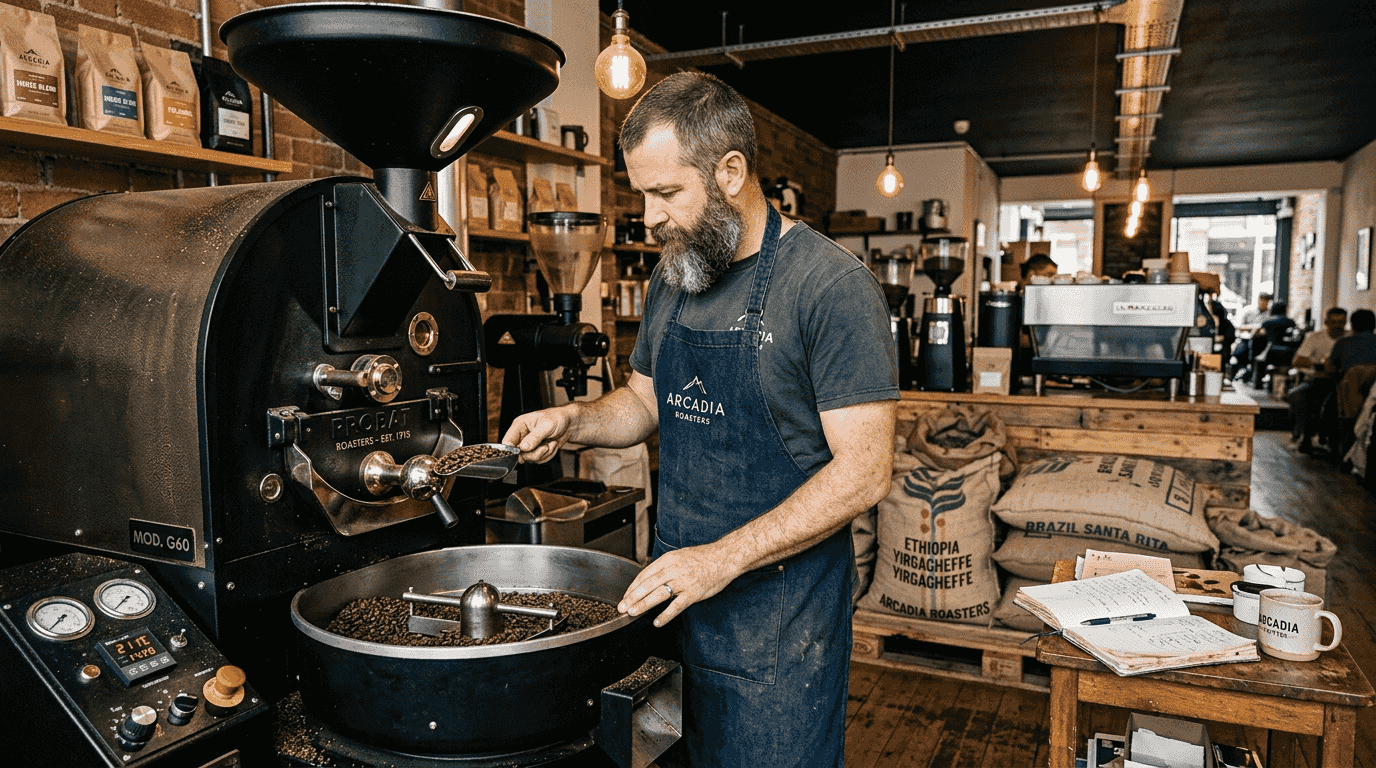
Craftsmanship deserves equal weight in your evaluation because ethical sourcing means little if poor roasting or stale beans waste the farmer’s efforts. Coffee craftsmanship reflects care at every stage from selective harvesting through precise roasting profiles that highlight origin characteristics. When you choose coffee demonstrating both ethical sourcing and skilled craftsmanship, you honor the producer’s work while delivering an exceptional experience to the recipient.
Environmental sustainability extends beyond organic certification to encompass water conservation, soil health, biodiversity protection, and carbon footprint reduction. Ask whether farms implement shade growing systems that preserve forest ecosystems, use renewable energy in processing, or participate in reforestation programs. These practices often correlate with higher quality coffee because healthy ecosystems produce better beans. The premium coffee gifting guide offers additional frameworks for evaluating quality alongside ethics.
Step-by-step guide to selecting the perfect ethical coffee gift
Transforming your ethical sourcing knowledge into confident purchasing decisions requires a systematic approach that balances verification with practical constraints. Use major certifications as baseline screening for risk mitigation, then layer on more specific direct verification to confirm genuine impact.
Follow these steps to identify coffee gifts that meet rigorous ethical standards:
- Filter initial options by certifications relevant to your priorities, such as Fair Trade for farmer welfare focus or Rainforest Alliance for environmental emphasis.
- Review brand websites and product descriptions for transparency indicators including farm names, cooperative details, harvest information, and processing methods.
- Contact sellers directly with specific questions about farmer compensation levels, premium payments above certification minimums, and documented social programs.
- Verify traceability by asking for supply chain documentation or origin reports that connect the specific coffee lot to identifiable producer groups.
- Assess roasting quality and freshness by checking roast dates, reviewing brewing recommendations, and reading customer feedback about flavor profiles.
- Compare the total value proposition including ethical impact, quality craftsmanship, packaging sustainability, and price point relative to similar offerings.
Pro Tip: Request sample sizes when available to verify quality before committing to larger gift purchases, especially for unfamiliar brands making strong ethical claims.
Direct communication with coffee sellers reveals their true knowledge and commitment. Brands genuinely invested in ethical sourcing will enthusiastically share details about their producer relationships, pricing structures, and impact metrics. Vague responses or deflection to generic sustainability language suggests marketing rather than meaningful action. Ask how much above Fair Trade minimum prices they pay, what percentage of retail price reaches farmers, and which specific social programs they fund.
The following comparison helps evaluate different verification approaches:
| Verification Method | Reliability | Effort Required | Best For |
|---|---|---|---|
| Certification labels alone | Low to Medium | Minimal | Initial screening |
| Brand transparency reports | Medium to High | Low | Desk research |
| Direct seller inquiry | High | Medium | Detailed verification |
| Third party audits | Very High | Low | Confirming claims |
| Origin visit verification | Highest | Very High | Professional buyers |
Roasting origin matters because locally roasted coffee typically offers better freshness while supporting domestic employment and reducing transportation emissions. When ethical sourcing combines with local roasting craftsmanship, you maximize both quality and positive impact. The decision to support ethical coffee creates ripple effects throughout the supply chain, encouraging more producers to adopt sustainable practices.
Packaging choices also reflect ethical commitment. Look for recyclable or compostable materials, minimal plastic use, and right sized packaging that reduces waste. Some brands offset shipping emissions or use carbon neutral delivery options, adding another dimension to their environmental responsibility.
Common challenges and how to avoid pitfalls when choosing ethical coffee gifts
Even well intentioned gift givers encounter obstacles that can undermine their ethical purchasing goals. The most frequent mistake involves relying solely on certifications, which creates a passive sourcing strategy that misses deeper verification opportunities. Certifications provide structure but cannot capture the full spectrum of ethical practices or guarantee optimal farmer benefit.
Marketing language often obscures the lack of substantive impact or traceability. Terms like sustainably sourced, responsibly grown, or ethically traded sound impressive but carry no standardized meaning or verification requirements. Without specific details backing these claims, they function as empty promises designed to appeal to conscious consumers without delivering measurable benefits to producers or ecosystems.
Another common pitfall involves overlooking craftsmanship quality in pursuit of ethical credentials. A coffee gift loses its impact if poor roasting or stale beans result in disappointing flavor, regardless of its ethical pedigree. The recipient’s experience matters because negative impressions can inadvertently discourage future ethical purchasing. Quality and care in coffee gifting must work together to create positive associations with ethical choices.
Avoid these specific mistakes when selecting ethical coffee gifts:
- Accepting vague sustainability claims without requesting specific farmer benefit documentation
- Choosing certified coffee from unknown brands without verifying their supply chain transparency
- Prioritizing price savings over verified ethical impact and quality craftsmanship
- Ignoring roast dates or freshness indicators that affect the recipient’s tasting experience
- Failing to research whether certification premiums actually reach farmer communities
Price presents a legitimate challenge because genuinely ethical coffee typically costs more than conventional options. However, the premium reflects fair compensation for farmers, investment in sustainable practices, and often superior quality from selective harvesting and careful processing. When you frame the cost difference as direct support for farming families and environmental protection, the value proposition becomes clear.
Some brands exploit ethical positioning while maintaining exploitative purchasing practices. Red flags include reluctance to share specific origin information, absence of long term producer relationships, frequent origin switching that suggests opportunistic buying, and marketing that emphasizes brand story over farmer impact. Trust brands that make farmers and their communities central to their narrative rather than peripheral supporting characters.
Timing matters for coffee freshness, so plan purchases to ensure beans remain fresh through the gifting occasion and the recipient’s consumption period. Coffee peaks in flavor two to three weeks after roasting and gradually declines thereafter. Order from roasters who roast to order or maintain rapid inventory turnover, and check roast dates before purchasing to guarantee optimal freshness.
Explore ethical specialty coffee gifts at House Coffee
Now that you understand how to evaluate ethical coffee gifts, discovering brands that meet these rigorous standards becomes your next step. House Coffee offers ethically sourced specialty coffee gifts curated specifically for connoisseurs who value transparency, quality, and meaningful impact. Each selection in the specialty coffee collection highlights unique origin stories and the dedicated craftsmanship of growers committed to sustainable practices.
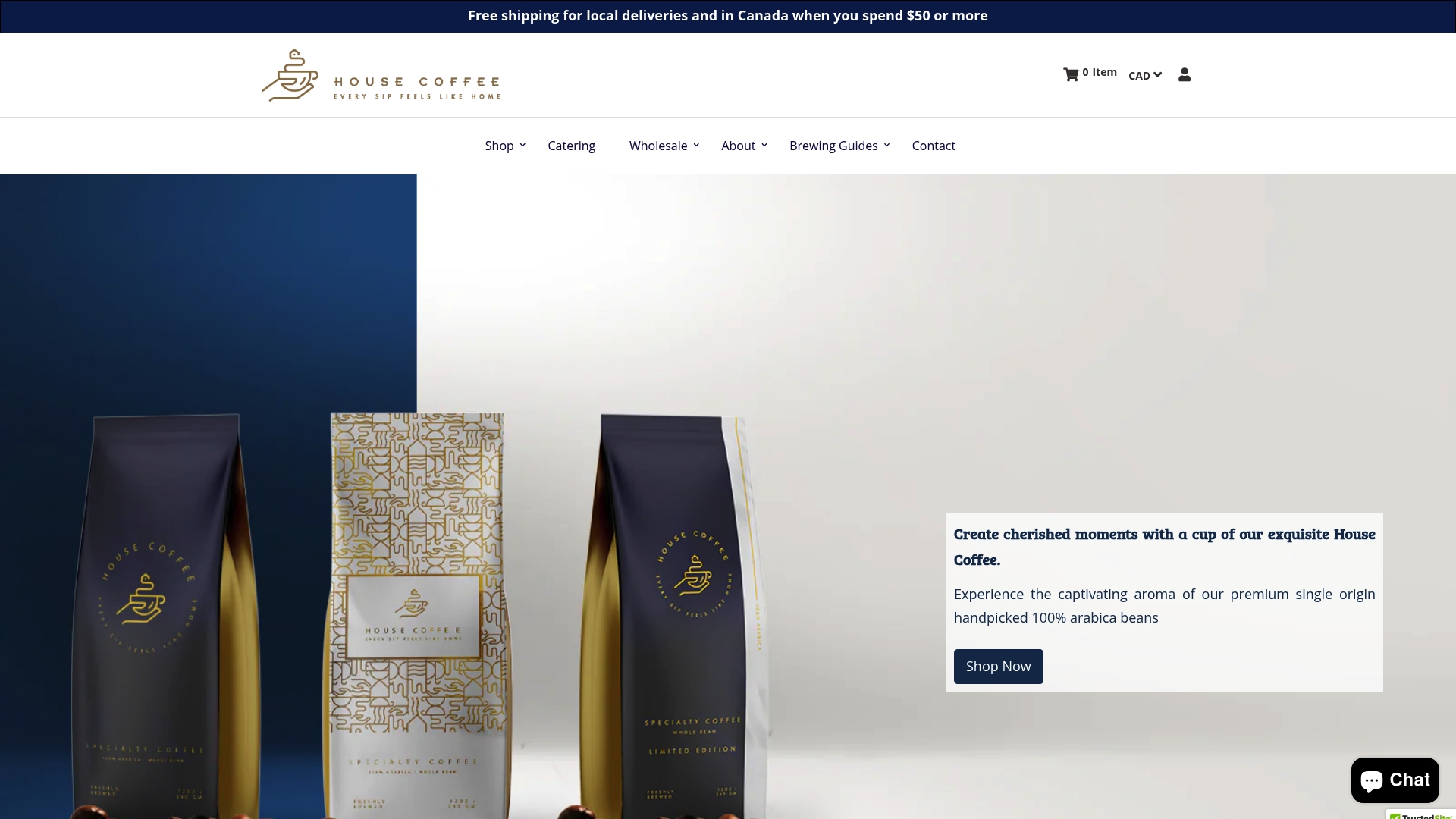
The platform emphasizes single origin Arabica beans with clear traceability and detailed information about harvest methods, processing techniques, and the farmers behind each lot. Whether you choose premium drip coffee beans for everyday brewing or limited edition micro-lots for special occasions, you’ll find transparency and quality at the core of every offering. Complete your ethical coffee gift with items from the brewing essentials collection to create a comprehensive experience that celebrates both craftsmanship and conscious consumption.
FAQ
What makes coffee a truly ethical gift?
Ethical coffee gifts prioritize fair compensation for farmers, environmental sustainability, and complete supply chain traceability from farm to cup. The combination of certifications and direct sourcing relationships defines genuinely ethical coffee, with verification of premium payments and social programs that benefit farming communities.
How can I verify that a coffee gift supports farmers fairly?
Look for detailed origin information, documented farmer support programs, and transparent disclosure of prices paid above commodity rates. Ask sellers directly about their payment structures, percentage of retail price reaching producers, and specific social initiatives like education funding or infrastructure development in farming communities.
Are certifications like Fair Trade enough to ensure ethical coffee gifting?
Certifications provide valuable baseline standards but rarely capture the full impact of ethical sourcing practices. Deeper inquiry into traceability, farmer relationships, and premium payment structures reveals whether brands exceed certification minimums or simply meet basic requirements.
What role does coffee craftsmanship play in ethical gifting?
Craftsmanship ensures ethical coffee gifts deliver exceptional flavor that honors the farmer’s efforts and creates positive recipient experiences. Skilled roasting, proper storage, and attention to freshness transform ethically sourced beans into memorable gifts that encourage continued support for sustainable coffee practices.
Recommended
- Master the role of coffee gifting with quality and care – House Coffee
- 7 Smart Coffee Gifting Ideas for Discerning Enthusiasts – House Coffee
- Top 7 Premium Coffee for Gifting 2026 – House Coffee
- Premium Coffee Gifting: 80+ SCA Score Defines Quality – House Coffee
- Why We Chose Recyclable Over Compostable Hint: It’s Better for the Beans
-
Posted in
en, how to select ethical coffee gifts