Why single estate coffee delivers unique flavor and ethics
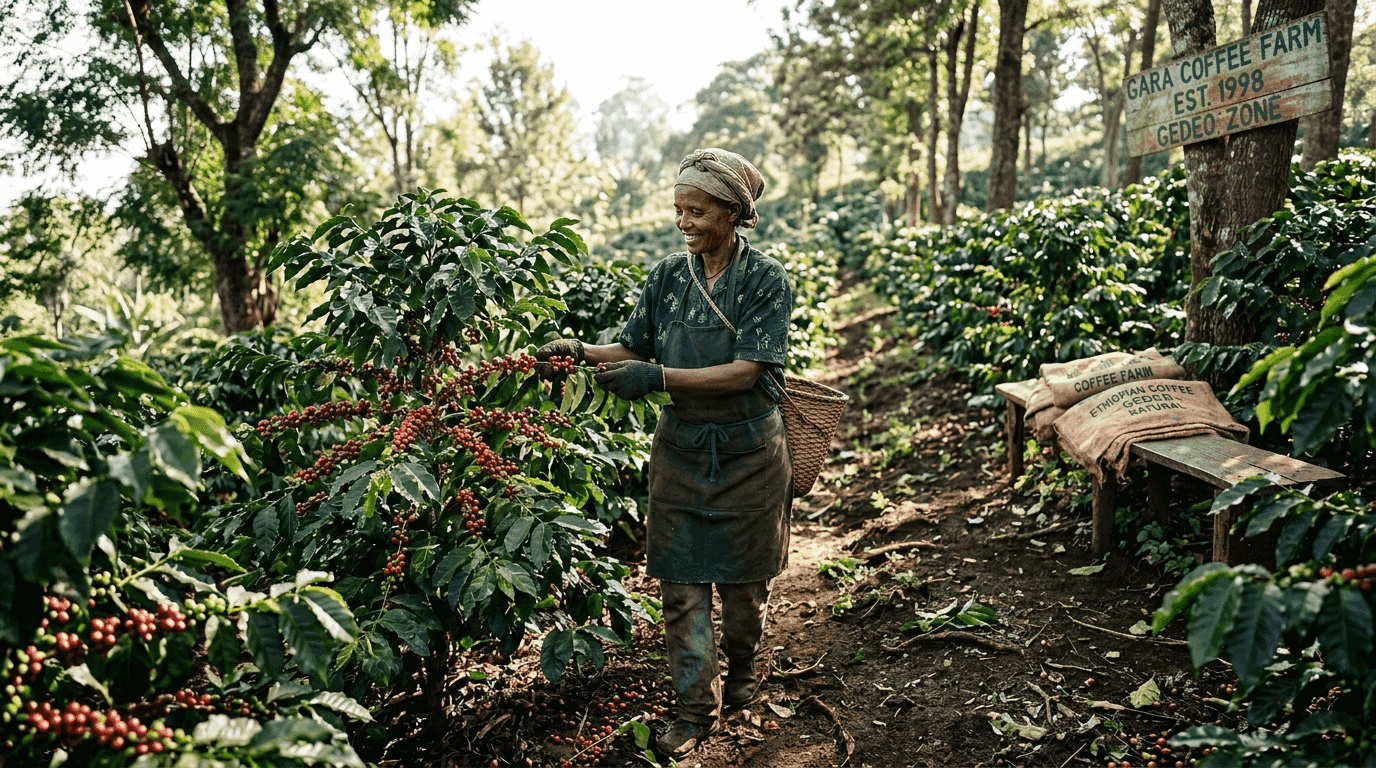
Most coffee lovers assume that once beans are roasted, origin details fade into irrelevance. That misconception overlooks how single-origin coffee showcases unique flavor profiles shaped by terroir, climate, altitude, soil composition, and local growing conditions. Single estate coffee represents the pinnacle of traceability and ethical sourcing, offering flavors you simply cannot replicate with blends. This article explores what makes single estate coffee exceptional, from its distinctive taste to the sustainable farming practices that elevate quality, plus practical guidance for selecting and enjoying these remarkable beans at home or as thoughtful gifts.
Table of Contents
- What Is Single Estate Coffee And Why Terroir Matters
- How Sustainable And Ethical Farming Enhances Coffee Quality
- Traceability, Economic Impact, And The Value Proposition Of Single Estate Coffee
- How To Select And Enjoy Single Estate Coffee At Home
- Discover Premium Single Estate Coffee Selections
Key takeaways
| Point | Details |
|---|---|
| Unique flavor profiles | Single estate coffee delivers distinct tastes shaped by specific terroirs, climates, and altitudes that cannot be replicated elsewhere. |
| Ethical traceability | Direct farm-to-cup transparency ensures fair wages, supports local communities, and verifies sustainable practices. |
| Sustainability enhances quality | Shade-grown methods and biodiversity reduce chemical use while developing nuanced flavors through slower ripening. |
| Premium gifting potential | Single estate coffee offers sophistication and story, making it ideal for discerning recipients who appreciate craftsmanship. |
| Informed selection matters | Understanding origin details, roast dates, and farming practices maximizes your coffee experience and supports ethical producers. |
What is single estate coffee and why terroir matters
Single estate coffee comes from one specific geographic location, whether a single farm, cooperative, or distinct region. Unlike blends that combine beans from multiple sources to achieve consistency, single estate coffee celebrates the unique characteristics of its origin. This specificity allows you to taste the direct influence of terroir on every cup.
Terroir encompasses the combined effect of climate, altitude, soil composition, and microclimate on coffee flavor development. These environmental factors work together to create flavor profiles that are both distinctive and impossible to replicate elsewhere. A coffee grown at 1,800 meters in volcanic soil tastes fundamentally different from beans cultivated at 1,200 meters in clay-rich earth, even if both farms sit just kilometers apart.
Several terroir factors shape your coffee’s final taste:
- Climate patterns determine cherry ripening speed and sugar development
- Altitude influences bean density and acidity levels
- Soil minerals contribute specific flavor notes and body characteristics
- Microclimate variations create subtle complexity within single estates
Understanding how coffee origin shapes flavor profiles helps you appreciate why Ethiopian Yirgacheffe tastes floral and tea-like while Colombian Huila delivers caramel sweetness and balanced acidity. These aren’t marketing descriptions but genuine expressions of geography.
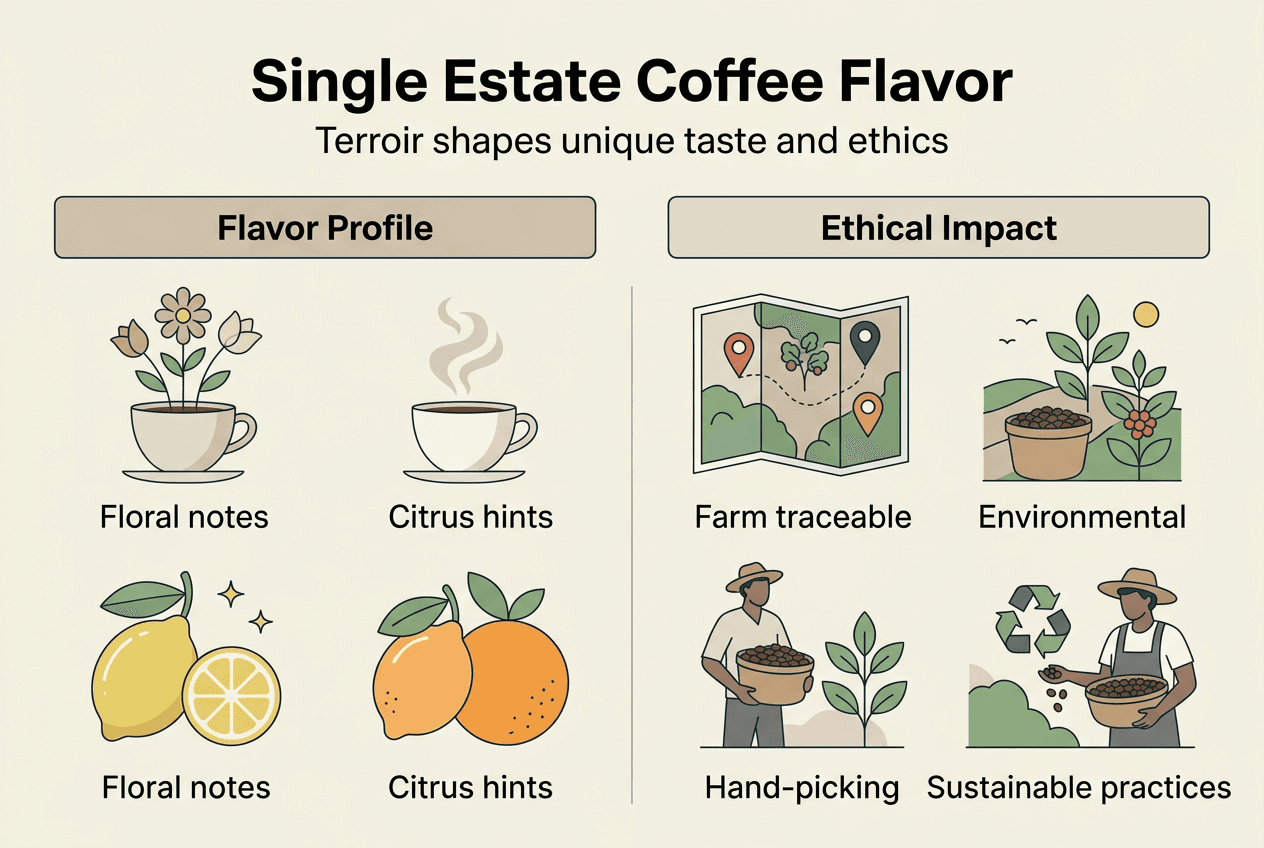
Traceability becomes essential for authenticating these unique characteristics. When you know exactly where your coffee originated, you can verify quality standards and connect specific flavor notes to their environmental sources. This transparency also enables you to support farms whose practices align with your values.
Pro Tip: Look for packaging that lists specific farm names, processing methods, and elevation details rather than vague regional designations to fully appreciate terroir-driven flavor nuances.
Exploring the coffee flavor profile guide reveals how professional cuppers identify and describe these terroir expressions, helping you develop your own palate for recognizing origin-specific characteristics.
How sustainable and ethical farming enhances coffee quality
Sustainable farming practices do more than protect the environment. They directly improve the flavors in your cup while supporting the people who grow your coffee. Shade-grown coffee reduces soil erosion and provides habitat for wildlife, contributing to biodiversity that creates healthier ecosystems around coffee plants.
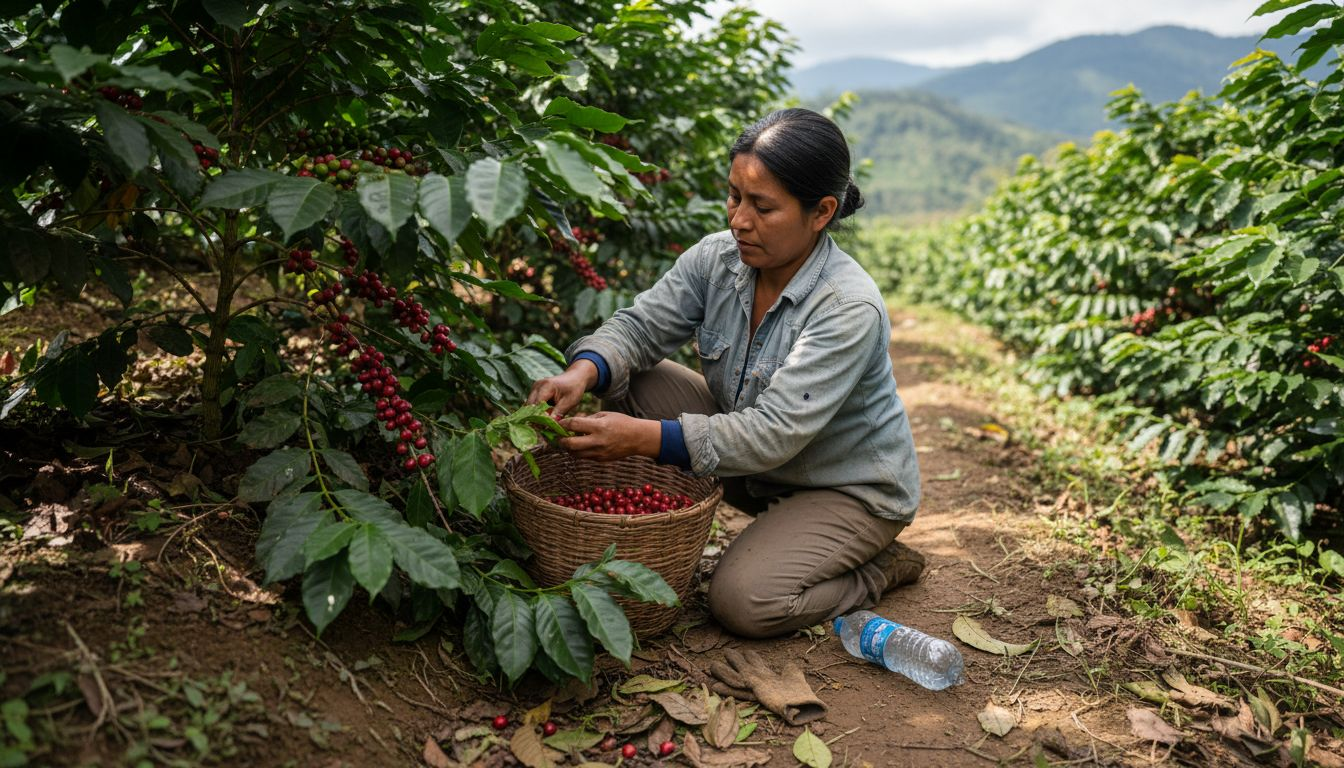
Shade trees slow cherry ripening by moderating temperature extremes and reducing direct sun exposure. This extended maturation period allows sugars to develop more fully and complex flavor compounds to form gradually. The result is coffee with greater depth, nuanced sweetness, and layered taste profiles that quick-ripened beans simply cannot match.
Biodiversity on single estate farms creates natural pest management systems. When birds, beneficial insects, and diverse plant species coexist with coffee plants, chemical interventions become unnecessary. Sustainable practices enhance coffee quality by promoting slower, more even ripening and reducing the need for chemical interventions that can leave residual flavors or compromise bean integrity.
Ethical social policies transform coffee quality from the ground up. When farms provide fair wages, healthcare, education, and safe working conditions, workers invest greater care in every stage of cultivation and harvesting. This attention to detail shows up in your cup as cleaner flavors, better sorting, and optimal picking timing.
“Aquiares Coffee Estate demonstrates how integrating environmental stewardship, social responsibility, and economic viability creates exceptional coffee while building resilient communities. Their holistic approach proves that sustainability and quality are inseparable.”
Key sustainable practices that elevate both ethics and flavor include:
- Composting cherry pulp to enrich soil naturally without synthetic fertilizers
- Water recycling systems during processing to minimize environmental impact
- Selective hand-picking at peak ripeness rather than strip-harvesting
- Living wages and profit-sharing that motivate meticulous quality control
- Organic certification standards that protect worker health and bean purity
When you choose single origin coffee, you support farms where environmental and social investments directly translate to superior taste. Understanding single origin coffee’s impact on flavor reveals how ethical practices and exceptional quality reinforce each other rather than existing as separate considerations.
Traceability, economic impact, and the value proposition of single estate coffee
Traceability links your coffee beans directly to their specific farm or region through verifiable documentation, certifications, and transparent supply chains. This connection allows you to confirm authenticity, verify ethical claims, and understand exactly what you’re drinking. For single estate coffee, traceability becomes the foundation of trust between grower and consumer.
Comparing single estate coffee with blends reveals fundamental differences in transparency and value:
| Aspect | Single Estate Coffee | Blended Coffee |
|---|---|---|
| Traceability | Complete farm-to-cup documentation | Often obscured by multiple sources |
| Flavor consistency | Expresses unique terroir variations | Engineered for uniform taste |
| Ethical verification | Direct farmer relationships visible | Supply chain complexity hides practices |
| Price transparency | Reflects true production costs | Commodity pricing masks quality |
| Story and connection | Rich origin narrative | Generic or marketing-focused |
Geographical indications and trademarks protect unique coffee varieties, creating economic opportunities for local producers who invest in quality and sustainability. These legal protections prevent generic imitations from diluting the reputation of exceptional coffees, ensuring that farmers who maintain high standards receive fair compensation for their efforts.
Economic benefits extend beyond individual transactions. When single estate coffees command premium prices based on verified quality and origin, entire communities gain resources to improve infrastructure, education, and healthcare. This economic stability encourages the next generation to continue coffee farming rather than abandoning rural areas for urban centers.
To verify single estate coffee authenticity and maximize your appreciation:
- Check packaging for specific farm names, GPS coordinates, or detailed regional information rather than vague country labels.
- Research the roaster’s sourcing relationships and look for direct trade or transparent supply chain documentation.
- Verify certifications like organic, Fair Trade, or Rainforest Alliance through official databases when claims seem questionable.
- Compare tasting notes with professional cupping scores from reputable sources to confirm flavor accuracy.
- Connect with roasters who provide harvest dates, processing methods, and farmer stories that demonstrate genuine relationships.
Learning how to identify single origin beans empowers you to distinguish authentic single estate coffee from marketing language. Understanding why origin matters helps you recognize when traceability claims reflect genuine transparency versus superficial branding.
Pro Tip: Choose single estate coffee for gifting to showcase sophistication while supporting ethical, high-quality options that tell a compelling story about craftsmanship and place.
How to select and enjoy single estate coffee at home
Selecting exceptional single estate coffee requires attention to details that reveal quality and freshness. These criteria help you identify beans that will deliver the unique flavors and ethical sourcing you’re seeking:
- Origin specifics including farm name, region, altitude, and processing method
- Roast date within the past two to four weeks for optimal freshness
- Transparent information about farming practices and certifications
- Detailed tasting notes that describe specific flavor characteristics
- Whole bean format rather than pre-ground to preserve aromatics
Brewing methods significantly impact how single estate coffee’s unique profile expresses itself in your cup. Pour over techniques like V60 or Chemex highlight clarity and delicate flavor notes, making them ideal for floral Ethiopian coffees. French press extraction emphasizes body and oils, showcasing the richness of Indonesian or Brazilian beans. Espresso preparation concentrates flavors, revealing how well-developed sweetness and acidity balance in high-quality single estate coffees.
Water quality and temperature matter more with single estate coffee than with commercial blends. Filtered water between 195°F and 205°F extracts flavors cleanly without introducing off-tastes or over-extraction bitterness. The precision required to highlight terroir-driven nuances rewards attention to brewing fundamentals.
Pro Tip: Store beans in an airtight container away from light, heat, and moisture, and grind only what you need immediately before brewing to preserve the distinctive aromas and flavors that make single estate coffee special.
Gifting single estate coffee creates memorable experiences that generic options cannot match. Consider these presentation approaches:
- Pair beans with origin-specific brewing guides and tasting notes
- Include a handwritten card explaining the farm’s story and sustainability practices
- Combine coffee with artisan chocolate or local honey that complements flavor profiles
- Select packaging sizes appropriate for the recipient’s consumption rate
- Choose sampler sets featuring multiple single estate origins for exploration
Exploring types of specialty coffees expands your palate by exposing you to different processing methods, varietals, and terroirs. Each new single estate origin teaches you something about how geography shapes flavor. Start with contrasting profiles like bright African coffees versus chocolatey Central American beans, then explore subtle variations within regions.
Understanding coffee flavor profiles helps you articulate what you taste and guides future selections based on preferences. Keep notes on origins you enjoy, including brewing parameters that worked best, to build a personal reference library of single estate experiences.
Discover premium single estate coffee selections
House Coffee curates exceptional single estate coffees that embody the quality, traceability, and ethical sourcing explored throughout this article. Each selection tells a story of dedicated growers, unique terroirs, and sustainable practices that elevate both flavor and impact.
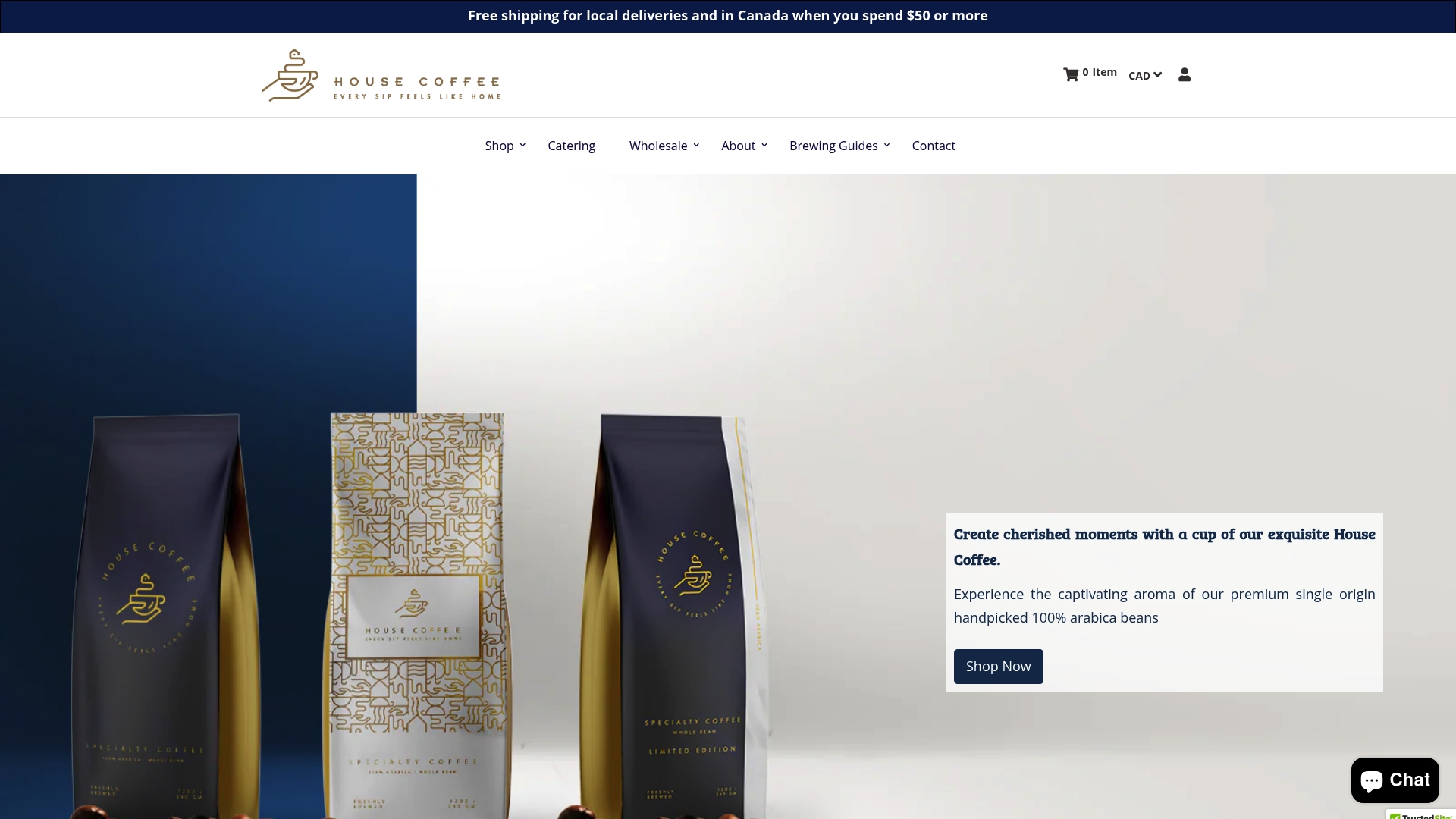
The carefully curated specialty coffee collection features single-origin Arabica beans from farms where environmental stewardship and social responsibility create exceptional taste experiences. Every offering includes detailed origin information, tasting notes, and brewing recommendations to help you appreciate the distinctive characteristics shaped by specific growing conditions.
For those seeking the pinnacle of single estate craftsmanship, the Gold Collection showcases premium selections from renowned growing regions. These coffees represent the intersection of ideal terroir, meticulous processing, and ethical farming practices that produce truly memorable cups.
Pro Tip: Consider one kilo coffee beans for drip filtered brewing when you find a single estate origin you love, ensuring you have enough to fully explore its flavor complexity over multiple brewing sessions.
Whether you’re building your home coffee ritual or selecting a thoughtful gift for a fellow enthusiast, House Coffee’s transparent sourcing and quality guarantees make it simple to enjoy single estate coffee with confidence.
FAQ
What makes single estate coffee different from blends?
Single estate coffee originates from one specific farm or region, allowing you to taste the unique terroir and processing methods of that location. Blends combine beans from multiple sources to achieve consistent flavor profiles or balance characteristics. The key distinction lies in traceability and flavor uniqueness, with single estate coffee celebrating geographic specificity while blends prioritize uniformity.
How does shade-grown coffee improve flavor and sustainability?
Shade trees slow cherry ripening by moderating temperatures, allowing sugars and complex flavor compounds to develop more fully. This extended maturation creates nuanced, layered taste profiles. Shade-grown methods reduce soil erosion and provide wildlife habitat, supporting biodiversity that naturally controls pests and reduces chemical dependency. The environmental benefits directly enhance coffee quality while protecting ecosystems.
Why is traceability important when buying single estate coffee?
Traceability verifies authenticity, ensuring the coffee you purchase actually comes from the stated origin with claimed quality standards. It enables you to confirm ethical sourcing practices, fair wages, and sustainable farming methods through transparent supply chains. Geographical indications protect unique coffee varieties, creating economic opportunities for producers who maintain high standards. This transparency builds trust and helps preserve regional coffee traditions.
Can single estate coffee be organic and Fair Trade certified?
Many single estate farms pursue organic certification to verify their sustainable practices and chemical-free cultivation methods. Fair Trade certification ensures farmers receive minimum prices and social premiums for community development. These certifications complement single estate transparency by providing third-party verification of ethical and environmental claims. However, some exceptional small farms lack certification due to cost barriers despite maintaining high standards, making direct relationships and roaster transparency equally valuable.
How should I store single estate coffee to preserve its unique flavors?
Store whole beans in an airtight, opaque container at room temperature away from light, heat, moisture, and strong odors. Avoid refrigeration or freezing, which introduces condensation that degrades flavor. Purchase quantities you’ll consume within two to four weeks of the roast date for peak freshness. Grind beans immediately before brewing to preserve volatile aromatics that express terroir-driven characteristics. Proper storage protects the distinctive flavors you paid premium prices to experience.
Recommended
- Why Choose Single Origin Coffee: Pure Flavor, Ethical Impact – House Coffee
- Single Origin Coffee: Unique Taste and Impact – House Coffee
- Why Choose Specialty Coffee – Taste, Ethics, Impact – House Coffee
- Role of Coffee Origin – Elevating Flavor and Ethics – House Coffee
- Single-Origin Coffee: Traceability, Taste, and Impact – EcoVibe Roast
-
Posted in
en, why single estate coffee