Why specialty blends deliver superior coffee flavor and ethics
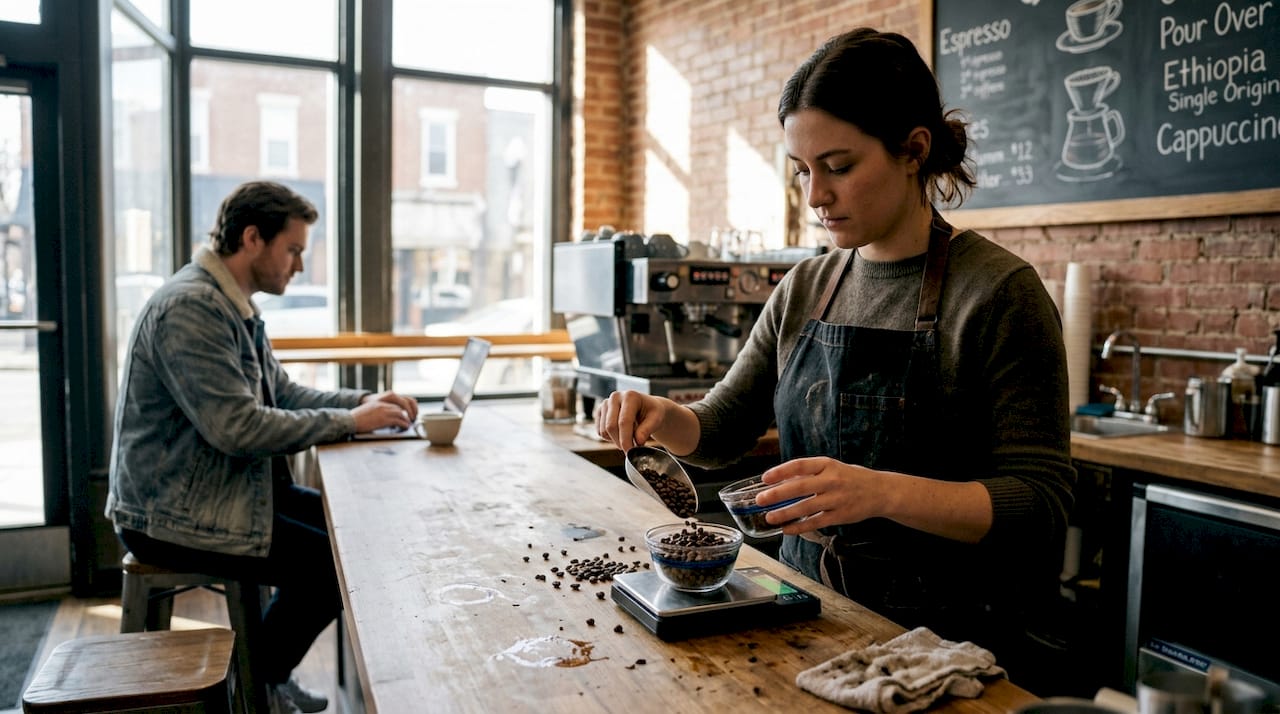
Single-origin coffee has long worn the crown in specialty coffee circles. The assumption is simple: one farm, one region, one story equals the purest cup. But that assumption leaves a lot of extraordinary coffee on the table. Specialty blends, crafted by expert roasters who combine high-scoring beans from multiple origins, can match and even surpass single-origin coffees in flavor complexity, consistency, and ethical sourcing. In fact, top-rated specialty blends regularly achieve cupping scores of 92 to 94, a range that rivals the most celebrated single-origin lots. This article unpacks what makes specialty blends so compelling, how they compare to single origins, and how you can choose and brew them with confidence.
Table of Contents
- What are specialty blends?
- How specialty blends compare to single origin coffees
- What makes a specialty blend truly special?
- Benefits of choosing specialty blends for home or gifts
- How to select and brew the best specialty blends
- Explore premium specialty blends at House Coffee
- Frequently asked questions
Key Takeaways
| Point | Details |
|---|---|
| Specialty blends rival single origins | High-quality blends often achieve equal or higher cupping scores and offer more creative flavors. |
| Balance and consistency | Expertly crafted specialty blends provide consistently balanced flavor in every brew. |
| Ethical and transparent sourcing | Reputable specialty blends prioritize ethical sourcing and full ingredient transparency. |
| Perfect for gifts or home use | Specialty blends are ideal for both everyday enjoyment and as premium coffee gifts. |
| Easy to brew at home | With simple steps, anyone can prepare outstanding cups from specialty blends with minimal effort. |
What are specialty blends?
A specialty blend is not just a mix of leftover beans. It is a deliberate, skilled creation where a roaster selects multiple high-quality coffees and combines them to achieve a specific flavor goal. The craft lies in understanding how different origins interact when roasted and brewed together.
The specialty coffee movement has pushed blending to a new level. Roasters now approach blending the way a chef approaches a recipe: with intention, precision, and a clear vision of the final result. You can explore the full range of specialty coffee blends to see how this philosophy plays out across different roast profiles and origins.
What separates a specialty blend from a commercial blend comes down to a few non-negotiable factors. Specialty coffee quality starts with the beans themselves, and blends are no exception. Here is what defines a true specialty blend:
- Cupping score of 85 or above on the Specialty Coffee Association scale, with top blends reaching 92 to 94
- Transparent sourcing from farms or cooperatives with documented ethical and environmental practices
- Expert blending that creates a flavor profile greater than the sum of its parts
- Consistent quality across roast batches, so every bag delivers the same experience
- Distinct tasting notes that reflect the origins used, whether fruity, chocolatey, floral, or nutty
Commercial blends prioritize cost and volume. Specialty blends prioritize taste, story, and craft. That distinction matters enormously in the cup.
How specialty blends compare to single origin coffees
Single-origin coffees offer something genuinely valuable: a direct connection to one place, one harvest, one set of growing conditions. That transparency is exciting, and the flavors can be strikingly unique. But single origins also come with limitations. Seasonal variation means the same coffee can taste different year to year. Availability is often limited. And the flavor profile, while distinctive, may not suit every brewing method or palate.
Specialty blends solve many of these challenges. A skilled roaster can maintain a consistent flavor profile across seasons by adjusting the blend ratios as individual components change. The result is a coffee that delivers reliability without sacrificing complexity. Specialty blends can achieve cupping scores of 92 to 94, matching or surpassing top single origins.
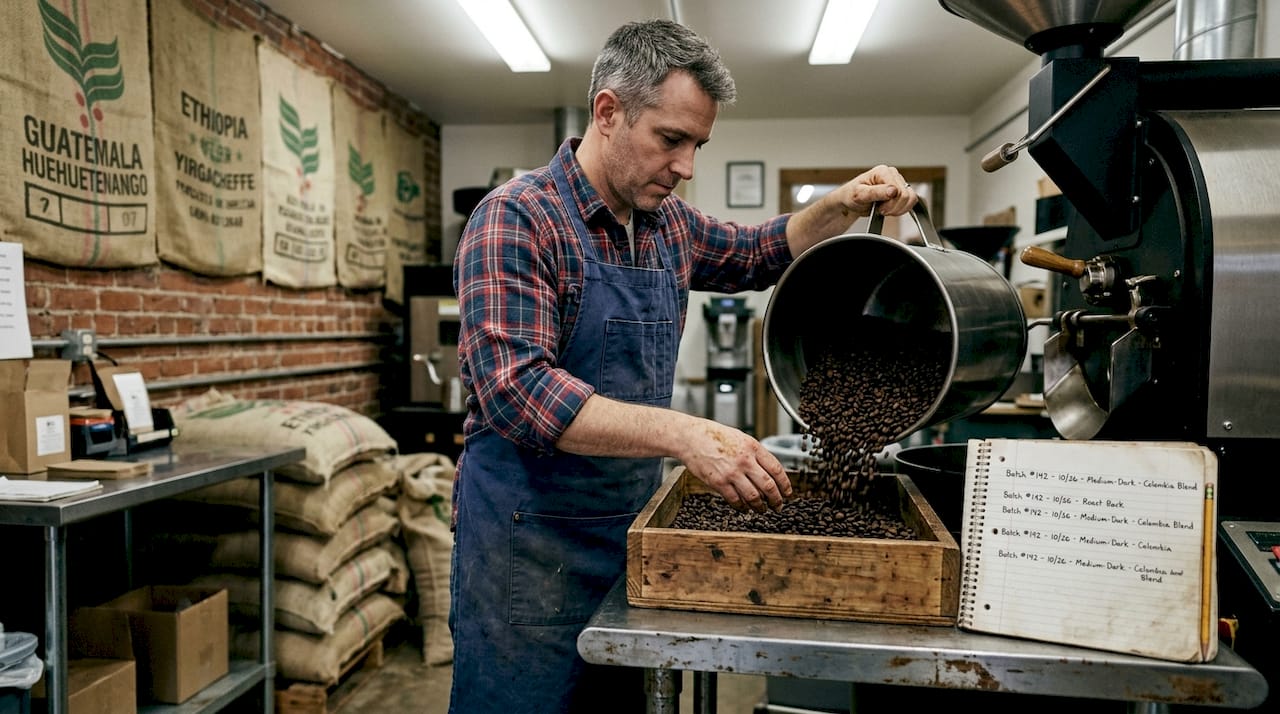
A great example is the Holiday Blend, a Costa Rica and Ethiopia combination that earned a 94-point score. That is not a compromise. That is a masterpiece built from two exceptional origins working together.
Understanding cupping in coffee helps you appreciate why these scores matter. Cupping is the standardized method professionals use to evaluate coffee, and flavor accuracy in cupping reaches about 85 percent even for home baristas who practice the technique.
“The best specialty blends are not a shortcut. They are a destination in their own right, combining the strengths of multiple origins into something neither could achieve alone.”
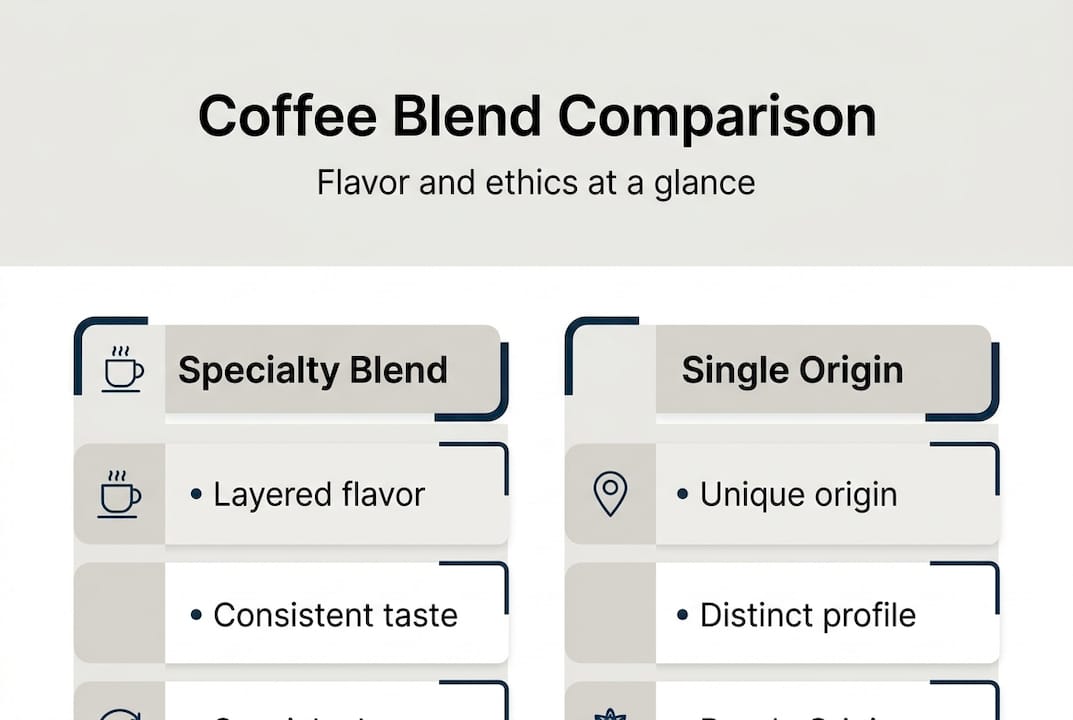
| Factor | Specialty blend | Single origin |
|---|---|---|
| Flavor complexity | High, layered | High, focused |
| Consistency | Excellent year-round | Varies by season |
| Cupping score potential | 92 to 94 | 88 to 95 |
| Creative blending | Yes | No |
| Price | Moderate to premium | Often premium |
| Ethical sourcing | Yes, when reputable | Yes, when reputable |
For those curious about single origin coffee options, they remain a wonderful choice. But they are not automatically superior to a well-crafted specialty blend.
What makes a specialty blend truly special?
Not every blend earns the specialty label. The ones that do share a set of qualities that go well beyond marketing language. Here is what actually elevates a blend into specialty territory:
- High-scoring component beans. Every coffee in the blend starts with a cupping score of 85 or above. Top specialty blends are crafted with high-scoring coffees and a focus on balance and creativity.
- Creative origin combinations. Pairing a bright Ethiopian natural with a smooth Costa Rican washed coffee creates contrast and depth that neither delivers alone.
- Ethical sourcing. Reputable specialty roasters work directly with farmers or certified cooperatives, ensuring fair pay and sustainable practices. Learn more about the benefits of specialty coffee beyond just the cup.
- Small-batch roasting. Smaller batches allow roasters to monitor and adjust with precision, preserving the nuance in each component bean.
- Certifications and transparency. Look for Fair Trade, Rainforest Alliance, or direct trade relationships. Explore the types of specialty coffees to understand how certifications vary across categories.
A useful reference point is the coffee blends overview, which breaks down how different blend styles are constructed and what to expect from each.
Pro Tip: When evaluating a specialty blend, look for three things: a published cupping score, named origin countries or farms, and a roaster who explains why those origins were chosen together. Vague descriptions like “smooth and balanced” without supporting detail are a red flag.
Benefits of choosing specialty blends for home or gifts
Specialty blends are not just for coffee professionals. They are one of the smartest choices you can make for everyday home brewing or for giving a gift that genuinely impresses. Here is why:
- Unique, layered flavor profiles that change as the cup cools, offering a sensory experience that evolves with every sip
- Consistent quality from bag to bag, so you always know what you are getting when you reorder
- Ethical sourcing that supports farmers and sustainable agriculture, meaning your morning cup has a positive impact beyond your kitchen
- Perfect for gifting because the story behind the blend, the origins, the score, the craft, gives the recipient something to connect with
- Versatile for specialty brewing gear, whether you use a pour-over, French press, AeroPress, or espresso machine
The numbers back this up. Specialty blends deliver not just superior flavor but also ethical sourcing benefits, and the top examples consistently score between 92 and 94 on professional cupping scales. That is a level of quality most grocery store coffees never approach.
Knowing why choose specialty coffee goes beyond taste. It is about supporting a supply chain that values people and the planet. And when you are ready to brew, a solid guide on how to brew specialty coffee makes all the difference in getting the most from your beans. Roasters who prioritize eco-friendly coffee sourcing are worth seeking out, and specialty blends are often where that commitment is most visible.
How to select and brew the best specialty blends
Choosing and brewing a specialty blend well is a skill, but it is not complicated. Follow these steps and you will get a world-class cup every time.
- Check the cupping score. Look for blends scoring 85 or above. The best reach 92 to 94. Specialty blends can reach high cupping scores, reflecting expert blending and top bean selection.
- Read the tasting notes carefully. Notes like “dark chocolate, dried cherry, and caramel” tell you the flavor direction. Match those notes to your preferred taste profile.
- Verify roaster transparency. A trustworthy roaster names the origins, explains the blend rationale, and shares sourcing details. Anonymity is a warning sign.
- Confirm ethical credentials. Look for certifications or direct trade relationships. This protects both quality and the people who grew your coffee.
- Match the blend to your brew method. A darker roast blend suits espresso. A lighter, fruit-forward blend shines in a pour-over. Use the guide on brewing specialty blends to dial in your technique.
| Blend type | Typical tasting notes | Best brew method |
|---|---|---|
| Fruit-forward light blend | Berry, citrus, floral | Pour-over, AeroPress |
| Balanced medium blend | Chocolate, caramel, nuts | Drip, French press |
| Bold espresso blend | Dark chocolate, molasses | Espresso, moka pot |
| Seasonal holiday blend | Spice, dried fruit, cocoa | Pour-over, drip |
Pro Tip: After opening a fresh bag of specialty blend, let it rest for 24 to 48 hours if it was roasted within the last three days. This allows excess CO2 to release, which improves extraction and brings out the full flavor complexity. Also, grind just before brewing for the freshest result.
Explore premium specialty blends at House Coffee
You now have the knowledge to seek out, evaluate, and brew specialty blends like a true enthusiast. The next step is finding blends that live up to everything you have just learned.
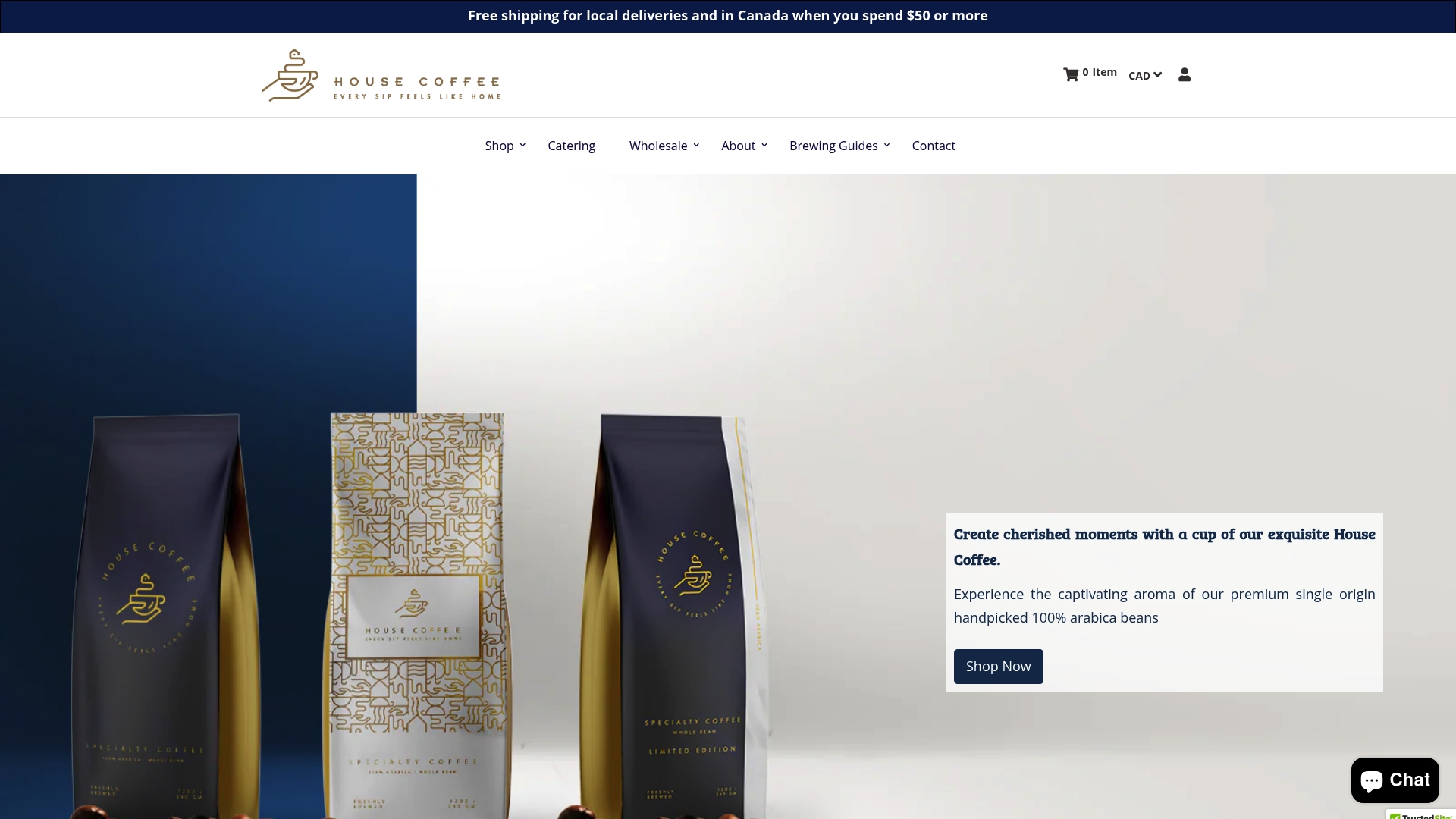
At House Coffee, we curate specialty coffee blends sourced from ethical farms and crafted for exceptional flavor. Whether you are shopping for yourself or looking for a gift that makes a real impression, our collections are built around transparency, quality, and the kind of cupping scores that speak for themselves. Our Gold Collection coffees are a great starting point for anyone ready to experience what a truly exceptional blend tastes like. For businesses and serious enthusiasts, we also offer wholesale specialty coffee options that bring the same premium quality to larger volumes.
Frequently asked questions
What defines a specialty coffee blend?
A specialty coffee blend combines high-scoring beans from different origins, crafted for balance, creativity, and superior taste. The minimum cupping score for specialty grade is 85, with the best blends reaching 92 to 94.
How do specialty blends compare to single origin coffees?
Specialty blends often match or surpass single origins in taste, balance, and cupping score thanks to expert blending. Blends like Holiday Blend regularly reach 92 to 94 in professional cupping evaluations.
Are specialty blends ethically sourced?
Yes, reputable specialty blends prioritize ethical sourcing and transparency from farm to cup. Specialty blends focus on quality, balance, and sustainability as core values, not afterthoughts.
How can I tell if a blend is truly specialty grade?
Look for a published cupping score above 85, named origin countries or farms, and a roaster who explains the blend rationale. Cupping scores of 92 to 94 are the clearest signal of true specialty status.
What’s the best way to brew specialty blends at home?
Use filtered water, grind fresh just before brewing, and let your blend rest 24 to 48 hours after roasting for the most vibrant, complex cup possible.
Recommended
-
Posted in
en, why choose specialty blends