Coffee Sampler Review for Better Home Brewing
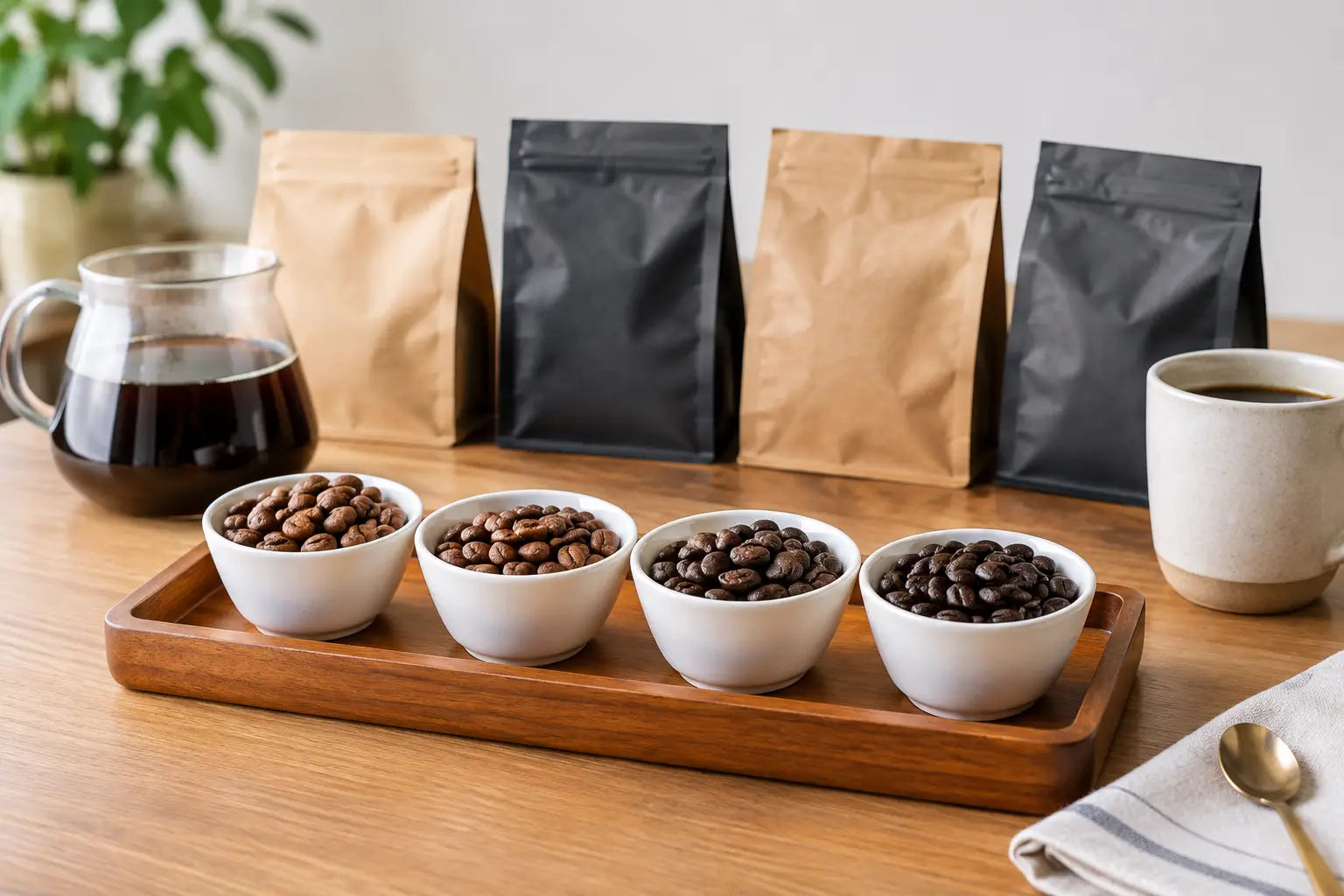
A coffee sampler can turn an ordinary morning into a small, meaningful discovery. One bag might bring bright citrus and florals to a pour-over; another may offer cocoa, caramel, and the calm, familiar comfort you want beside breakfast. This coffee sampler review focuses on what separates a thoughtful specialty assortment from a collection of random bags: fresh roasting, clear sourcing, purposeful variety, and coffee that feels memorable in the cup.
What a Great Coffee Sampler Should Deliver
The best sampler is not simply a way to buy several coffees at once. It is a guided introduction to flavor, process, and place. Each coffee should have a reason to be included, whether it shows how altitude shapes acidity, how a washed process creates clarity, or how a deeper roast can emphasize sweetness and body.
That distinction matters for home brewers. A sampler should make it easier to understand what you enjoy, not leave you with several bags that taste nearly identical. If every coffee is dark, smoky, and indistinct, the assortment may offer convenience, but it does not offer much discovery. A well-curated selection creates contrast while maintaining a consistent standard of quality.
For specialty coffee, look for transparent details on origin, producer or cooperative when available, processing method, roast profile, and tasting notes. These are not decorative words on a label. They give you a useful starting point for brewing and help connect the flavor in your cup to the people and places behind it.
Freshness comes before variety
A sampler with six origins sounds exciting, but freshness is the first test. Coffee is an agricultural product, and its most expressive window begins after roasting. Freshly roasted beans hold the aromatics, sweetness, and structure that make a single-origin coffee feel alive.
Check whether the roaster shares a roast date rather than only a best-by date. For filter brewing, many coffees begin showing beautifully after a short resting period and remain enjoyable for several weeks when stored well. Espresso can benefit from a little more rest, especially when the coffee is very fresh. The exact timing depends on roast level, processing, and your brewing method, but a clear roast date gives you control.
Smaller bags are often a smart choice in a sampler. They let you try several coffees without leaving one large bag open on the counter for too long. Store unopened bags in a cool, dry cabinet, then keep the active bag sealed tightly and away from heat, sunlight, and strong kitchen odors.
Coffee Sampler Review: Origin and Flavor Range
A strong sampler makes origin feel tangible. Coffee from Colombia may offer balanced sweetness, red fruit, or cocoa-like depth. An Ethiopian coffee can bring tea-like florals, peach, or berry notes. A coffee from Guatemala may lean toward chocolate, citrus, and a round, comforting body. None of these descriptions are guarantees, because harvests and processing methods change, but they point to the range a careful sampler can reveal.
The goal is not to chase the wildest flavor notes possible. Balance matters. A collection is more useful when it includes both familiar and adventurous cups. One approachable chocolate-forward coffee can become the reliable weekday brew, while a vibrant washed Ethiopian or fruit-forward natural coffee gives a weekend pour-over a sense of occasion.
Pay attention to whether the assortment is genuinely diverse. Three coffees from neighboring regions can still be excellent, particularly if they showcase different processing styles. Yet if you are buying a sampler to learn your preferences, a broader mix of origins and profiles will teach you more. You may find that you love clean, citrusy coffees in the morning but prefer a heavier, nutty cup with milk in the afternoon.
Q-grade scores offer another helpful quality signal. Coffees scoring 84 points or higher sit firmly in specialty territory, indicating that trained evaluators found a high level of quality and distinctive character. A score is not a replacement for your own taste, but it can provide reassurance that the coffee was selected with care.
Roast style should support the bean
Roast level can either reveal a coffee's character or cover it up. Light and medium roasts often make sense in a single-origin sampler because they preserve more origin-driven notes such as fruit, florals, acidity, and nuanced sweetness. They can be especially rewarding for pour-over, drip, and other filter methods.
That said, darker roasting is not automatically a flaw. A developed medium-dark roast can create a rich, low-acid profile with notes of dark chocolate, toasted almond, and brown sugar. It may be exactly right for espresso or for anyone who enjoys coffee with cream. The key question is whether the roast feels intentional and whether the product description sets clear expectations.
If you mostly make espresso, look for a sampler that names espresso compatibility or includes coffees roasted with enough development to produce a syrupy, balanced shot. If you use a drip machine, French press, or pour-over, choose coffees with flavor notes and roast styles that suit your routine. A sampler should meet you where you brew, not ask you to replace all your equipment to enjoy it.
How to Brew a Sampler Fairly at Home
To compare coffees, consistency helps more than perfection. Use the same brewer, water, ratio, and general recipe for each bag at first. For a simple filter coffee starting point, try a 1:16 ratio: one gram of coffee for every 16 grams of water. Grind just before brewing and adjust only when the cup gives you a reason to do so.
If a coffee tastes sharp, thin, or sour, grind a little finer or lengthen the brew slightly. If it tastes dry, harsh, or overly bitter, grind a little coarser or shorten extraction. These changes are small, but they can reveal sweetness that was hidden by an uneven recipe.
Taste the coffee as it cools. A cup that feels closed when piping hot often becomes more expressive ten minutes later. Notice the aroma, first impression, acidity, sweetness, body, and finish. You do not need a professional vocabulary. “Juicy,” “cozy,” “bright,” “smooth,” and “like chocolate-covered cherries” are all useful observations when they help you recognize what you want to drink again.
Consider brewing one coffee black before adding milk or sweetener. This gives you a clearer sense of its natural profile. Then enjoy it the way you actually like coffee. Specialty coffee should invite curiosity, but it should also fit the rhythm of your home.
Value Is More Than the Number of Bags
The most affordable sampler is not always the best value. A lower price can be appealing, but it may come with older coffee, vague origins, or small portions that do not allow enough room to dial in a brew. On the other hand, a premium assortment should earn its price through freshness, ethical sourcing, roast quality, and a clear sensory experience.
Bag size matters here. A small sample may make one or two cups, which is enough for a quick taste but not always enough to adjust your grinder and truly understand the coffee. Larger sample bags offer more practical value for enthusiasts, while small bags can be ideal for gift boxes, office sharing, or someone who wants a low-commitment introduction.
A coffee sampler also makes a thoughtful gift because it offers an experience rather than a guess at one person's favorite flavor. It suits the new homeowner building a morning ritual, the parent who appreciates a quiet first cup, or the friend who has started experimenting with a grinder and pour-over. Add a handwritten brewing note, and the gift becomes an invitation to create cherished moments.
For coffee drinkers who want specialty quality without making the process feel intimidating, House Coffee reflects the kind of standard worth seeking: freshly roasted, ethically sourced Arabica selected for genuine character in the cup. The best sampler brings that standard into a format that feels generous, approachable, and easy to share.
A great coffee sampler leaves you with more than empty bags. It gives you a clearer sense of the flavors that feel like home, along with a few new ones you will be glad you invited in.