Home Espresso Trends for Better Daily Coffee
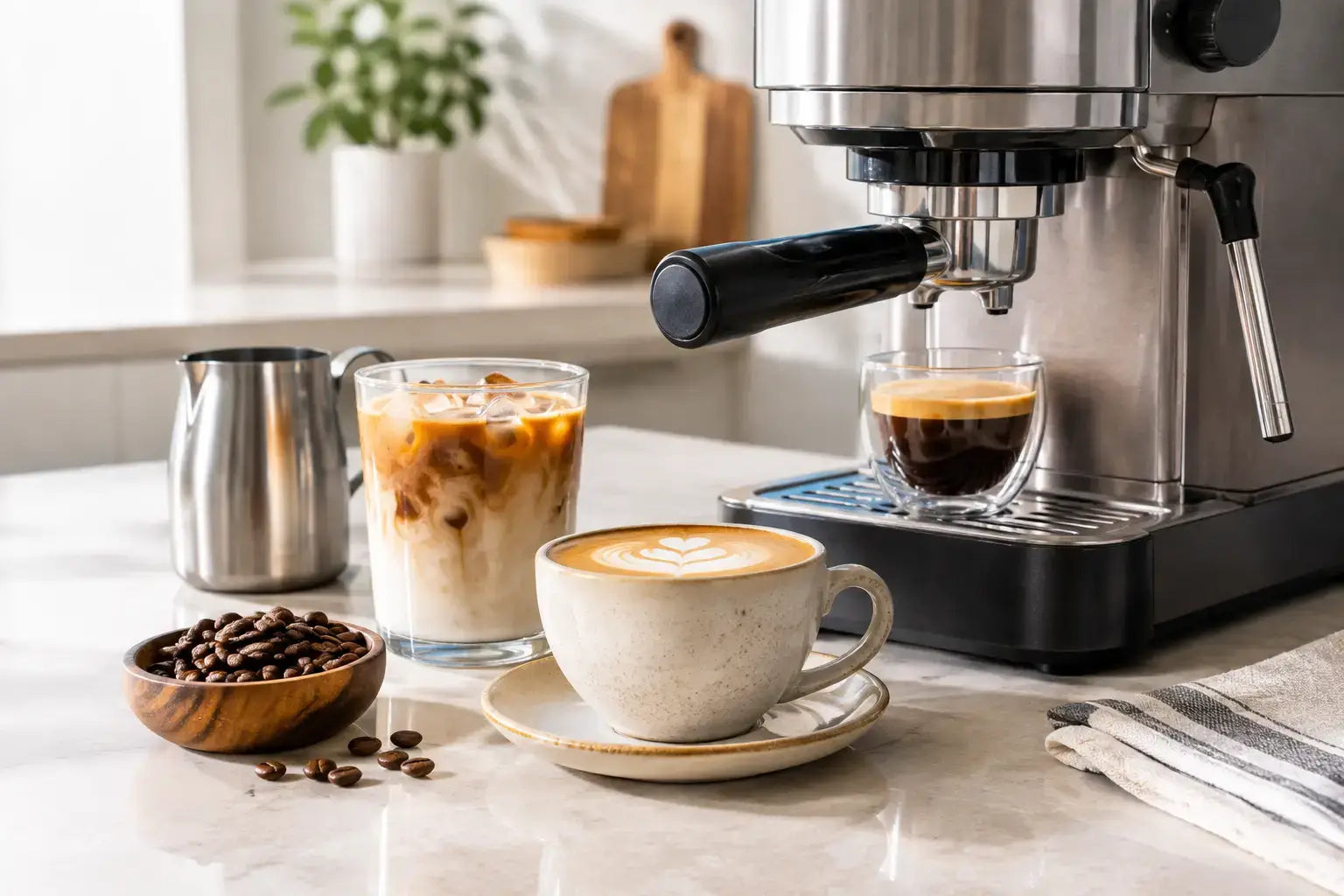
The sound of a grinder before the house wakes up, the first aromatic drop falling into a warm cup, the quiet pause before a busy day begins - this is why home espresso trends matter. They are not only about owning more equipment or recreating a café counter. The best changes are helping people make coffee at home that tastes more personal, more intentional, and more connected to the beans in the cup.
For espresso lovers, the goal is shifting from convenience alone to a better daily ritual. Freshly roasted specialty coffee, thoughtful dialing-in, and a few well-chosen tools can turn an ordinary morning into one of those small cherished moments that stays with you.
Home Espresso Trends Are Becoming More Thoughtful
The biggest shift in home espresso is not a single machine or social media drink. It is a growing interest in understanding the whole path from coffee farm to final shot. Home brewers are paying closer attention to origin, roast date, processing method, and how each choice affects flavor.
That curiosity has made single-origin espresso more popular. A coffee from Colombia may offer caramel sweetness and red fruit, while an Ethiopian coffee might bring floral aromatics and bright berry notes. A carefully developed blend can be equally rewarding, especially for people who love a classic, balanced shot with chocolate depth and a dependable finish in milk drinks.
Neither route is automatically better. Single origins invite exploration and can make a memorable straight espresso, but they may change more from bag to bag and demand a little more adjustment. Blends often offer consistency and comfort. The right choice depends on whether your morning calls for discovery or a familiar cup you can count on.
Better Grinders Are Taking Center Stage
A capable grinder is increasingly the heart of a home espresso setup. Espresso requires a narrow, consistent particle size so water moves through the coffee at the right pace. When the grind is uneven, a shot can run too quickly and taste thin, or channel through weak spots and leave a harsh, muddled finish.
This is why many home brewers are putting more of their budget toward a burr grinder rather than spending everything on the machine itself. Stepped grinders can make excellent coffee, while stepless or micro-adjustment designs offer finer control for people who enjoy dialing in different coffees. The best option is the one you will learn to use consistently.
Fresh grinding matters just as much as grinder quality. Whole beans hold onto their aromatic compounds far better than pre-ground coffee. Grinding immediately before brewing preserves the sweetness, complexity, and lively fragrance that make specialty coffee feel special.
Dialing In Has Replaced Guesswork
Home espresso is becoming more measured, but it does not need to become fussy. A simple digital scale, timer, and repeatable starting recipe can remove much of the guesswork. Many brewers begin with a ratio near 1:2 - for example, 18 grams of ground coffee producing about 36 grams of espresso - then adjust based on taste.
If a shot tastes sour, sharp, or underdeveloped, grinding a little finer or extending the yield may help. If it tastes dry, bitter, or overly roasty, try a slightly coarser grind or a shorter yield. Change one variable at a time. The point is not to chase perfection before work. It is to learn what your coffee is telling you.
Precision Tools Are Useful, Not the Main Event
Distribution tools, precision baskets, bottomless portafilters, puck screens, and dosing funnels are showing up in more home kitchens. Some are genuinely helpful. A funnel keeps grounds off the counter, and a scale makes recipes repeatable. A bottomless portafilter can reveal channeling and uneven puck preparation in a way that is easy to see.
Still, accessories cannot rescue stale coffee or an inconsistent grind. Start with fresh beans, a grinder that can handle espresso, clean equipment, and a simple workflow. Once those fundamentals are in place, additional tools can make brewing more enjoyable and precise.
The same principle applies to machine upgrades. Temperature stability and pressure control can improve results, particularly with lighter specialty roasts, but a premium machine is not a shortcut. A modest setup paired with quality coffee and attentive technique can produce deeply satisfying espresso.
Lighter Roasts Are Expanding the Espresso Menu
For years, dark roast was the default image of espresso: bold, smoky, and intense. That style still has a loyal place, especially for those who love a traditional Italian-inspired profile or a powerful latte. But one of the most flavorful home espresso trends is the rise of medium and lighter roast coffees designed to preserve origin character.
These coffees can be wonderfully sweet and layered, with notes ranging from stone fruit and honey to cocoa, citrus, and brown sugar. They often need more care than darker roasts. A slightly higher brew temperature, a longer ratio, or a finer grind may help reveal their sweetness. Rushing them can create a tart, tight cup that feels less inviting than it should.
For everyday espresso, medium roasts often offer a welcoming middle ground. They can carry enough development for body and crema while retaining the distinct character of a high-quality coffee. Look for freshly roasted Arabica with clear sourcing information and a roast profile suited to espresso or versatile enough for both espresso and filter brewing.
Milk Drinks Are Getting More Personal
The home latte has moved beyond imitation. People are choosing milk based on texture, dietary needs, and flavor rather than following a single café standard. Whole dairy milk remains a favorite for its natural sweetness and silky microfoam, while oat milk has become a leading plant-based choice for its creamy body and ease of steaming.
The best milk is the one that complements your coffee. A naturally chocolatey blend can become round and dessert-like with dairy milk. A bright, fruit-forward single origin may shine in a smaller cappuccino or as a straight shot, where its delicate notes are not covered by milk.
Texture is what makes the difference. Aim for milk that looks glossy, not stiff or bubbly, and pour it soon after steaming. Latte art is satisfying, but it is not the measure of a good drink. Sweetness, balance, and a comforting first sip matter far more.
Convenience Still Has a Place at Home
Home espresso culture can sometimes make every coffee decision feel like a test. It should not. Busy households need practical options, and consistency is a form of luxury when time is short.
Superautomatic machines, preset grinders, and carefully portioned coffee can all support a better home routine. They may offer less control than a manual setup, but they can make fresh coffee achievable on a demanding weekday. The trade-off is simple: more hands-on brewing offers greater room to tailor each cup, while automation provides speed and repeatability.
A flexible coffee routine often works best. Pull a carefully dialed-in shot when you have time on a slow Saturday. On a rushed Tuesday, make the most of a simpler method with fresh, quality beans. Coffee should fit your life, not ask you to organize your life around it.
Freshness and Ethical Sourcing Matter More Than Hype
As home brewers become more knowledgeable, they are looking beyond flashy packaging and oversized flavor claims. They want to know when coffee was roasted, where it came from, and whether the people who grew it were treated with respect.
Fresh roasting is especially meaningful for espresso. Coffee needs a short resting period after roasting to release excess gas, but it is generally at its most expressive in the weeks that follow. Buying smaller quantities more often can help keep your setup supplied with beans that still have vibrancy, crema potential, and aroma.
Ethically sourced, specialty-grade coffee adds another layer of value to the ritual. Quality markers such as high Q-grade scores and transparent origin information signal care at every stage, from growers and processing to roasting and brewing. At House Coffee, that connection between thoughtfully sourced beans and the moments shared around them is part of what makes a daily cup feel worth slowing down for.
A Simple Way to Follow the Trends That Matter
Choose one coffee you enjoy, buy it fresh, and give yourself a week to understand it. Keep your dose and yield steady at first, then make small grind adjustments until the cup tastes sweet, balanced, and complete. Clean your portafilter and steam wand after each use, because old coffee oils can dull even excellent beans.
Most of all, resist the urge to turn every trend into a purchase. The most rewarding home espresso setup is not necessarily the most expensive or complicated one. It is the one that helps you pause, share something good, and make a cup of coffee you look forward to before the day begins.