How to Choose the Best Single Origin Coffee Beans

That first cup at home can set the tone for the whole day. When the aroma is sweet, the flavor is clear, and every sip feels a little more intentional, you can usually trace it back to one decision: choosing the best single origin coffee beans for the way you actually like to drink coffee.
Single origin coffee has a way of making coffee feel more personal. Instead of aiming for a broad, consistent profile built from multiple regions, it highlights one place, one harvest, and often one very specific expression of terroir. For coffee lovers who want more than a generic "dark roast" label, that matters. It gives you a clearer story in the cup - and often a more memorable one.
What makes single origin coffee worth seeking out?
At its best, single origin coffee offers clarity. You can taste the character of a region in a more direct way, whether that means berry-like brightness from Ethiopia, caramel and citrus from Colombia, or chocolate and nut tones from parts of Brazil and Central America. That doesn't mean every single origin coffee is automatically better than a blend. Blends can be beautifully balanced and dependable. But when you want distinctiveness, single origin usually brings more personality.
There is also a quality signal built into many single origin offerings, especially when the roaster shares details like elevation, processing method, varietal, harvest timing, and Q-grade scores. Those details show care at every step, from farming to roasting. For many home brewers, that transparency is part of the appeal. You are not just buying coffee. You are choosing a craft product with a clear origin and a fresher connection to the people who grew it.
Best single origin coffee beans start with freshness
If flavor is the goal, freshness matters just as much as origin. Even an exceptional lot can fall flat if it has been sitting too long after roasting. When shopping online, look for coffee that is roasted in small batches and shipped promptly. A roast date tells you much more than a vague "best by" stamp.
Freshness has a sweet spot, though. Coffee is not always best the day it was roasted. Many beans taste better after a short rest, especially for espresso, where too-fresh coffee can behave unpredictably. For most home brewing methods, coffee tends to shine within a couple of weeks of roasting, then gradually loses some of its aromatic detail over time.
That is one reason specialty buyers often prefer roasters who treat coffee as a fresh food, not a shelf-stable commodity. It changes the drinking experience from something routine into something you look forward to.
How to choose the right origin for your taste
The best single origin coffee beans are not one universal product. The right choice depends on what you want in the cup.
If you love bright, expressive coffee with floral aromatics or fruit-forward notes, East African coffees often stand out. Ethiopian coffees can be tea-like, juicy, and layered, especially when naturally processed. Kenyan coffees tend to bring vivid acidity and structured fruit character. These coffees are often loved by pour over drinkers who enjoy complexity.
If you prefer balance over intensity, Colombian coffee is a reliable place to start. Many Colombian lots offer sweetness, red fruit, citrus, and cocoa in a profile that feels approachable without being boring. They work well across brew methods, which makes them a smart choice if you move between drip coffee, pour over, and espresso.
If your ideal cup leans toward chocolate, nuts, and a softer acidity, coffees from Brazil, Guatemala, or parts of Peru and Honduras may be a better fit. These origins often produce comforting, rounded cups that feel especially at home in espresso or milk-based drinks.
This is where preference matters more than hype. A highly floral washed Ethiopian may score beautifully and still not be your favorite morning coffee. The best coffee is the one you want to brew again tomorrow.
Roast level changes everything
Origin tells part of the story. Roast level shapes how much of that story you can taste.
Lighter roasts tend to preserve more origin character. You are more likely to notice fruit, florals, and acidity. Medium roasts often strike the sweet spot for many home drinkers because they balance clarity with body and sweetness. Darker roasts can be rich and satisfying, but they also start to override some of the distinct qualities that make single origin coffee special in the first place.
That does not mean dark roast single origin coffee has no place. If you enjoy a fuller, bolder cup, it can still be a great choice. It simply becomes less about delicate regional nuance and more about roast-driven depth. Neither approach is wrong. It depends on what kind of ritual you want from your cup.
Processing method matters more than most people think
One of the easiest ways to predict flavor is to pay attention to processing. Washed coffees are typically cleaner and more transparent, with crisp acidity and a polished finish. Natural coffees often taste fruitier, sweeter, and more fermented, sometimes with a heavier body. Honey-processed coffees can sit somewhere in between, offering sweetness with a little extra texture.
If you are new to specialty coffee, washed coffees are often the easiest entry point because they let the origin speak clearly without too much funk or intensity. If you already know you enjoy adventurous flavors, natural lots can be deeply rewarding.
This is also where quality roasting matters. A great roaster knows how to respect what the producer created, rather than flattening every bean into the same taste profile.
Best single origin coffee beans for different brew methods
Your brewing setup should influence what you buy. A coffee that sings as a pour over may not give you the same experience as espresso.
For pour over, many coffee drinkers reach for lighter to medium roasts with high clarity. Washed Ethiopian, Kenyan, and Colombian coffees often perform beautifully here because the method highlights acidity, aromatics, and detail.
For drip machines, versatility matters. Medium-roasted Colombian or Central American coffees tend to be forgiving and balanced, making them ideal for a dependable daily cup that still feels elevated.
For espresso, body and sweetness become more important. Brazilian coffees, medium-roasted Colombians, and some honey-processed Central American lots can produce rich, satisfying shots with enough structure to cut through milk while still keeping their origin character.
For French press or cold brew, coffees with chocolate, nut, or deep fruit notes can feel especially comforting. Lower-acid profiles often come across as rounder and more generous in these brewing styles.
The easiest mistake is buying based on tasting notes alone without thinking about how you brew. Blueberry and jasmine may sound beautiful, but if you mostly make cappuccinos, you may enjoy a different style of single origin much more.
What quality signals should you look for?
When shopping for premium coffee online, details matter. Origin should be clearly stated, ideally beyond just the country. Region, farm, cooperative, elevation, varietal, and process all add confidence. A Q-grade score of 84+ is another strong sign that you are looking at specialty-grade coffee with real care behind it.
Ethical sourcing matters too, not only because it reflects values, but because long-term relationships with skilled growers often lead to better, more consistent coffee. The people behind the product are part of the quality story.
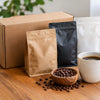
Packaging can tell you something as well. Coffee should arrive in a properly sealed bag with a roast date and storage protection. That may sound basic, but it is surprising how often freshness is treated as optional in mass-market coffee.
For coffee lovers who want both craftsmanship and comfort at home, brands that combine fresh roasting, transparent sourcing, and approachable guidance tend to stand out. That is where specialty coffee feels less intimidating and more like an everyday pleasure.
Price, value, and what "best" really means
Single origin coffee usually costs more than commodity coffee, and often more than blends. That price difference reflects better sourcing, smaller lots, careful roasting, and fresher fulfillment. Still, expensive does not always mean better for you.
A rare micro-lot with an exotic profile may be thrilling for a weekend brew, but not necessarily the coffee you want every weekday morning. Sometimes the best value is a dependable, beautifully roasted single origin that tastes great across multiple brew methods and consistently delivers the kind of cup you love.
That balance between excitement and comfort is where many people find their ideal coffee ritual. A coffee can be premium without feeling precious. It can showcase remarkable origin character and still be easy to enjoy before work, over breakfast, or while catching up with someone at the kitchen table.
House Coffee understands that balance well. The best coffee is not only about cupping notes and technical scores. It is also about the feeling of bringing something thoughtfully crafted into your home and turning an ordinary moment into something warmer.
If you are choosing your next bag, trust your preferences, but ask more of your coffee. Look for freshness, origin transparency, specialty-grade quality, and a flavor profile that fits the way you brew. When those pieces come together, the cup feels less like a purchase and more like a small daily ritual worth keeping.