What Is Single Origin Coffee?
That first cup at home can tell you a lot. Sometimes coffee tastes flat and familiar, and sometimes it tastes vivid - like berries, cocoa, citrus, or caramel - with a clarity that makes you pause between sips. If you’ve ever wondered what is single origin coffee, the short answer is this: coffee sourced from one specific place rather than blended from multiple farms, regions, or countries.
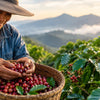
That place might be a single farm, a group of farms in one small community, or one defined growing region within a country. The key idea is traceability. Single origin coffee gives you a more direct connection to where the beans were grown, and that usually means a more distinct flavor profile in the cup.
What is single origin coffee, exactly?
Single origin coffee refers to coffee that comes from one geographic origin. In specialty coffee, that origin is usually identified with more detail than just the country name. You might see Ethiopia Guji, Colombia Huila, or Costa Rica Tarrazu on a bag, for example. In some cases, the label gets even more specific and names the farm, producer, or washing station.
That specificity matters because coffee is an agricultural product. Like wine, it reflects its environment. Altitude, soil composition, rainfall, temperature, coffee variety, and processing method all shape how the coffee tastes. When beans from different places are kept separate, those characteristics stay more visible.
Blends work differently. A blend combines coffees from two or more origins to create balance, consistency, or a specific flavor target. That can be excellent, especially for espresso or everyday brewing. But single origin coffee is usually chosen for individuality. It lets one place speak for itself.
Why single origin coffee tastes different
One of the biggest reasons people seek out single origin coffee is flavor clarity. Because the beans all come from the same source, the cup can express more precise tasting notes. A naturally processed Ethiopian coffee may taste floral and fruit-forward. A washed coffee from Guatemala may lean toward chocolate, nuts, and bright citrus. A high-grown Colombian lot might offer sweetness, red fruit, and a clean finish.
This doesn’t mean single origin coffee is always better than a blend. It means it is often more transparent. You’re tasting a narrower slice of the coffee world, and that makes differences easier to notice.
For home brewers, this can be part of the appeal. Brewing a single origin coffee can feel more intentional. You are not just making coffee. You are experiencing the work of a particular farm, region, and roast, with all the care that went into it.
Single origin does not always mean single farm
This is where things can get a little confusing. Many people assume single origin always means one farm, but that is not necessarily true. In coffee, origin can be defined at different levels.
A coffee may come from one farm if that producer has enough volume and quality to offer a distinct lot. But in many growing regions, especially where smallholder farmers are common, a single origin coffee may be made up of beans from several nearby farms processed together at the same washing station or cooperative. As long as the coffee comes from one traceable place, it can still be sold as single origin.
That is not a loophole. It reflects how coffee is actually produced. In fact, some of the most expressive and high-quality coffees in the world come from collections of small farms within one community.
What to look for on the bag
If you’re shopping for single origin coffee, the label usually tells you a lot. Country is the starting point, but the best bags often go further. Look for the region, farm or cooperative name, altitude, varietal, and processing method. These details are not there just for show. They help explain why the coffee tastes the way it does.
A quality-focused roaster may also include roast date and cup score information. In specialty coffee, Q-grade scores of 84+ generally signal a high standard of quality. That does not tell you whether you will personally love the flavor profile, but it does suggest the coffee was evaluated carefully and met strong sensory benchmarks.
Freshness matters too. Even a beautiful single origin coffee loses some of its sparkle if it sits too long. For people who want a café-style experience at home, fresh roasting makes a real difference.
How processing affects single origin coffee
When people talk about origin, they sometimes overlook processing. But processing has a major effect on flavor, and it can make two coffees from the same region taste surprisingly different.
Washed coffees tend to taste cleaner and more structured, with acidity and origin character standing out clearly. Natural coffees are often sweeter and fruitier, sometimes with jammy or wine-like notes. Honey-processed coffees can sit somewhere in between, balancing sweetness with clarity.
This is one reason single origin coffee can be so rewarding. It gives you a chance to notice not just where a coffee came from, but how it was handled after harvest. The more transparent the coffee, the more you can appreciate the craft behind it.
Is single origin coffee always more expensive?
Often, yes - but not always for the reasons people assume. Single origin coffee can cost more because it is usually produced in smaller lots, sourced with more traceability, and roasted to highlight specific qualities rather than to hit a broad commercial target. There is also more risk in offering a coffee that stands on its own. If the crop is limited, the flavor shifts from season to season, and the supply chain is more selective, pricing tends to reflect that.
Still, higher price does not automatically mean better for every person or every brew method. If you like a very consistent, chocolatey espresso every morning, a well-crafted blend may suit you better. If you enjoy exploring flavor and noticing seasonal differences, single origin coffee may feel worth every dollar.
Who single origin coffee is best for
Single origin coffee is a strong fit for people who enjoy tasting the differences between coffees and want more transparency in what they buy. It suits pour over drinkers especially well because manual brewing methods tend to highlight nuance, acidity, and aroma.
That said, single origin coffee is not limited to pour over. It can be excellent as espresso, in a French press, or in a drip machine, depending on the roast profile and the coffee itself. The question is less about rules and more about what kind of experience you want. Some single origin coffees make an espresso that is bright, layered, and memorable. Others can feel too sharp if you prefer a more classic, heavy-bodied shot.
For gift buyers, single origin coffee also carries a sense of story. It feels thoughtful because it offers more than caffeine. It offers place, craft, and conversation.
What single origin coffee says about quality
Single origin is a sourcing term, not a guarantee of excellence. A coffee can be single origin and still be average. But in specialty coffee, single origin often signals a stronger commitment to traceability, freshness, and producer recognition.
That matters for quality, and it matters ethically too. The more clearly a coffee is identified, the easier it is to understand where it came from and who helped produce it. For many coffee drinkers, that makes the daily ritual feel more meaningful.
At House Coffee, that connection is part of what makes a cup feel special at home. When coffee is sourced with care, roasted fresh, and chosen for its distinctive character, it becomes more than a routine purchase. It becomes part of the moments you actually remember.
How to choose your first single origin coffee
If you are new to single origin, start with flavors you already enjoy. If you like smooth, familiar coffees, look for origins known for chocolate, nuts, or caramel notes, such as many coffees from Colombia, Brazil, or Guatemala. If you want something brighter and more adventurous, try an Ethiopian or Kenyan coffee with fruit or floral notes.
Pay attention to roast level as well. A lighter roast often shows more of the coffee’s original character, while a medium roast can bring a bit more sweetness and comfort. Neither is universally better. It depends on your palate and how you brew.
You do not need a trained palate to appreciate single origin coffee. You just need curiosity. Brew it fresh, taste it slowly, and notice what stands out. Over time, you may find that origin starts shaping not only what you buy, but the kind of coffee ritual you look forward to each morning.
The best single origin coffee is not the rarest or the most expensive one. It is the one that brings you closer to the cup - and makes home feel a little warmer with every sip.