Can Coffee Beans Be Frozen? A Freshness Guide
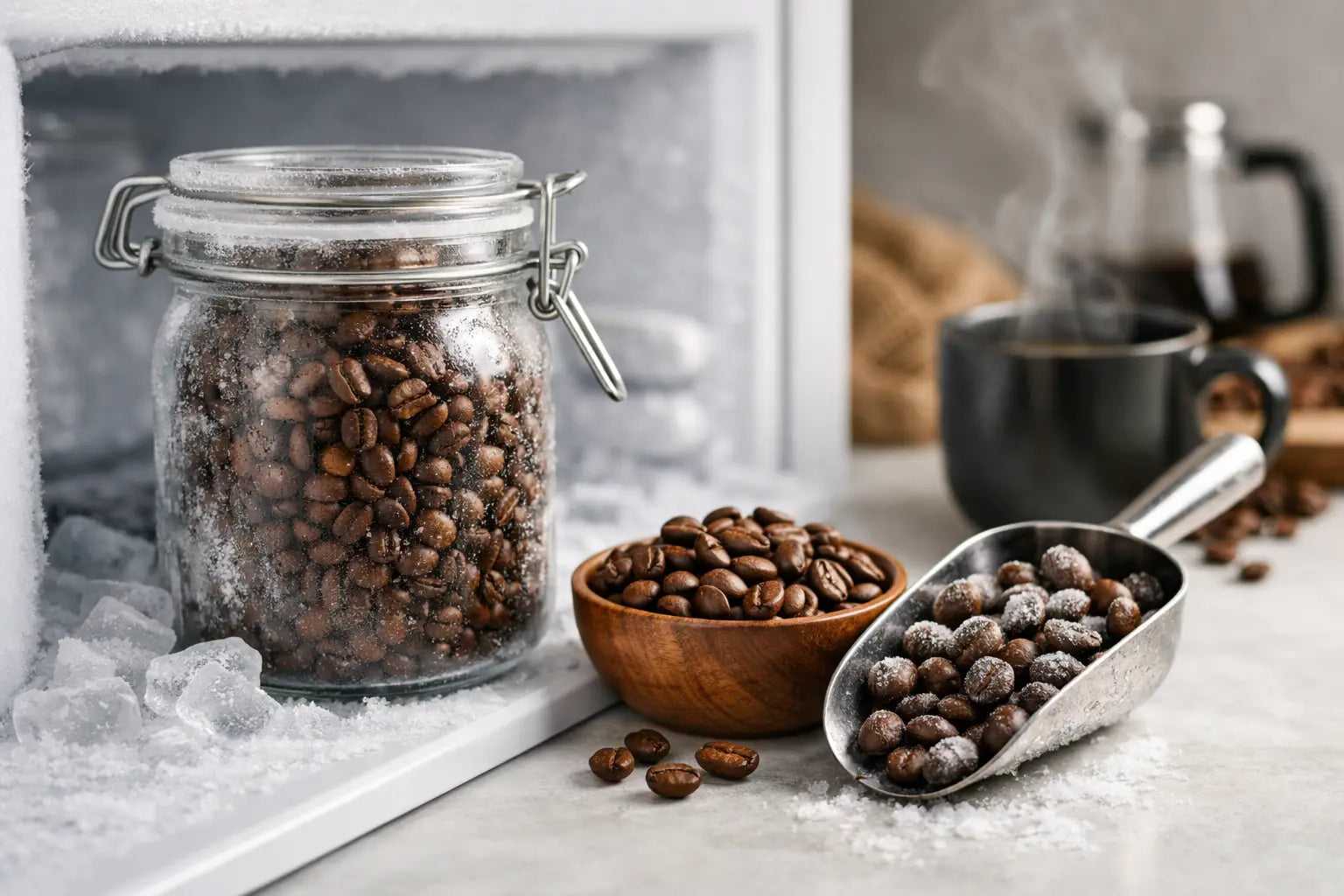
A bag of specialty coffee can hold the promise of many good mornings, but only if its flavor stays intact long enough to enjoy it. So, can coffee beans be frozen? Yes - when you do it thoughtfully. Freezing can be an excellent way to preserve freshly roasted beans when you have more coffee than you can reasonably drink within a few weeks. The key is protecting those beans from moisture, air, and repeated temperature swings.
For most daily brewers, the best coffee is still the coffee you buy in a sensible quantity and enjoy while it is fresh. But freezing has a place, especially for a memorable single origin, a limited seasonal release, or a few bags you want to save for future mornings around the table.
Can Coffee Beans Be Frozen Without Losing Flavor?
Coffee beans can be frozen with very little loss of quality, provided they are sealed well and frozen in portions. Cold temperatures slow the processes that gradually dull roasted coffee: oxidation, the escape of aromatic compounds, and the breakdown of delicate flavor notes.
That matters most for specialty Arabica coffee. A carefully roasted, high-scoring coffee may offer notes of stone fruit, cocoa, florals, or caramel. Those details do not disappear overnight, but they do become less vivid as the beans sit exposed to oxygen and changing kitchen temperatures. Freezing puts that flavor clock on pause far more effectively than leaving a large bag in a cabinet for months.
The trade-off is simple. A poorly packed bag in the freezer can pick up freezer odors or collect condensation, both of which can compromise the cup. Freezing works best as a preservation method, not as a place to keep opening the same bag every day.
When Freezing Coffee Makes Sense
If you finish a bag within two to four weeks of opening it, there is usually no need to freeze it. Keep it in its original resealable bag, if it has a one-way valve and a secure closure, or transfer it to an airtight, opaque container. Store it in a cool, dark cupboard away from the oven, dishwasher, and direct sunlight.
Freezing becomes especially useful when you buy several bags at once, subscribe to regular deliveries, or want to take advantage of a sale without rushing through your coffee. It is also a smart option when you are saving a distinctive origin for a special occasion. That bright Ethiopian you want to serve at brunch next month or the deep, chocolate-forward coffee you are holding for holiday guests can retain more of its character in the freezer.
Freshly roasted coffee also benefits from a short rest before brewing. Many coffees taste more balanced after several days, while some espresso-focused roasts may develop beautifully over one to two weeks. Let the coffee rest according to your roaster’s guidance, then freeze portions if you will not reach them soon after. There is no need to freeze coffee the moment it arrives.
How to Freeze Coffee Beans the Right Way
The best approach is portioning. Divide whole beans into amounts you expect to use over three to seven days. For one person, that may be enough for several pour-overs or a workweek of morning coffee. For a busy household, it may be a larger portion. The goal is to thaw each portion only once.
Use airtight packaging with as little extra air as possible. Vacuum-sealed bags are ideal, but freezer-safe zip-top bags can work well when you press out the air carefully. If you are using the coffee’s original bag, place it inside a second airtight freezer bag for another barrier against moisture and odors. Label each package with the coffee name and freeze date, particularly if you have several origins on hand.
Place the portions in a stable part of the freezer, away from foods with strong aromas. Coffee is surprisingly absorbent, and no one wants a beautiful washed coffee to carry a faint suggestion of garlic bread or frozen fish.
For the very best results, freeze whole beans rather than ground coffee. Grinding dramatically increases surface area, which means more exposure to oxygen and a faster loss of aroma. Grind just before brewing, whether your ritual is espresso, drip, French press, or pour-over.
Should You Thaw Frozen Beans Before Grinding?
You have two good options, and the better one depends on your routine. Many home brewers grind beans straight from the freezer. Frozen beans are hard and dry, and a quality burr grinder can handle them. Some enthusiasts find that cold beans can produce a slightly more consistent grind, though the difference will be subtle in many home setups.
If you prefer to thaw them, keep the package sealed until it reaches room temperature. This is the crucial detail. Opening a cold bag in a warm kitchen invites condensation to form directly on the beans. That moisture can affect grinding and brewing, and it can make the remaining beans stale more quickly.
Let a sealed portion sit on the counter for a few hours, then open it when the package no longer feels cold. Once thawed, treat it like any fresh bag: store it in a cool, dark place and use it promptly. Do not return thawed beans to the freezer.
Mistakes That Make Frozen Coffee Taste Flat
Freezing itself is not the problem. The common mistakes happen before and after the freezer.
First, avoid freezing a large bag that you open every morning. Each trip from freezer to counter and back creates opportunities for condensation and temperature fluctuation. Portioning prevents this cycle.
Second, do not store coffee in the refrigerator as a substitute for freezing. A refrigerator is opened frequently, has a humid environment, and is full of competing food aromas. It is neither cold enough to meaningfully preserve coffee long-term nor stable enough to protect the beans well.
Third, do not freeze coffee in a loosely closed bag or a thin paper package. Oxygen and freezer odors will find their way in. A little preparation before freezing protects the care that went into growing, processing, and roasting those beans.
Finally, do not assume freezing will restore coffee that is already stale. It can preserve a coffee close to its peak, but it cannot bring back the fragrance or sweetness that has already faded. Start with coffee you are excited to brew.
How Long Can Coffee Beans Stay in the Freezer?
Well-sealed whole beans can stay in the freezer for several months with excellent results. Many coffee lovers aim to use frozen portions within three to six months, when the flavors are most likely to remain expressive and familiar. They can remain safe beyond that window, but the experience may slowly become less vibrant over time.
The exact timeline depends on roast level, packaging, and how carefully the coffee was protected from air. Lighter roasts often showcase delicate aromatics that reward careful storage. Darker roasts may hold onto their bold cocoa and roasted sugar notes well, but they also contain more surface oils and can taste muted if exposed to air.
Think of freezing as a way to extend a coffee’s best season, not as permanent storage. A beautifully sourced coffee deserves to be brewed, shared, and remembered - not forgotten behind a bag of ice.
A Freshness Routine for Better Coffee at Home
For most households, a simple rhythm works best: buy whole-bean coffee in quantities you will enjoy within a few weeks, keep one bag accessible for daily brewing, and freeze unopened or tightly portioned bags that will wait longer. This gives you the convenience of a well-stocked coffee shelf without asking your morning cup to compromise on aroma.
At House Coffee, that approach lets you keep a favorite blend ready for everyday comfort while saving a special single origin for slower weekends, guests, or the kind of quiet morning that calls for an extra-careful pour-over. Freshness is not only about a roast date. It is about giving every bean the chance to show the character it was grown and roasted to deliver.
The next time you find a coffee worth lingering over, do not be afraid to freeze a portion. Pack it carefully, thaw it wisely or grind it frozen, and let that future cup bring the same warmth and promise as the day the bag first arrived.