Coffee Beans for Automatic Machines: What Works
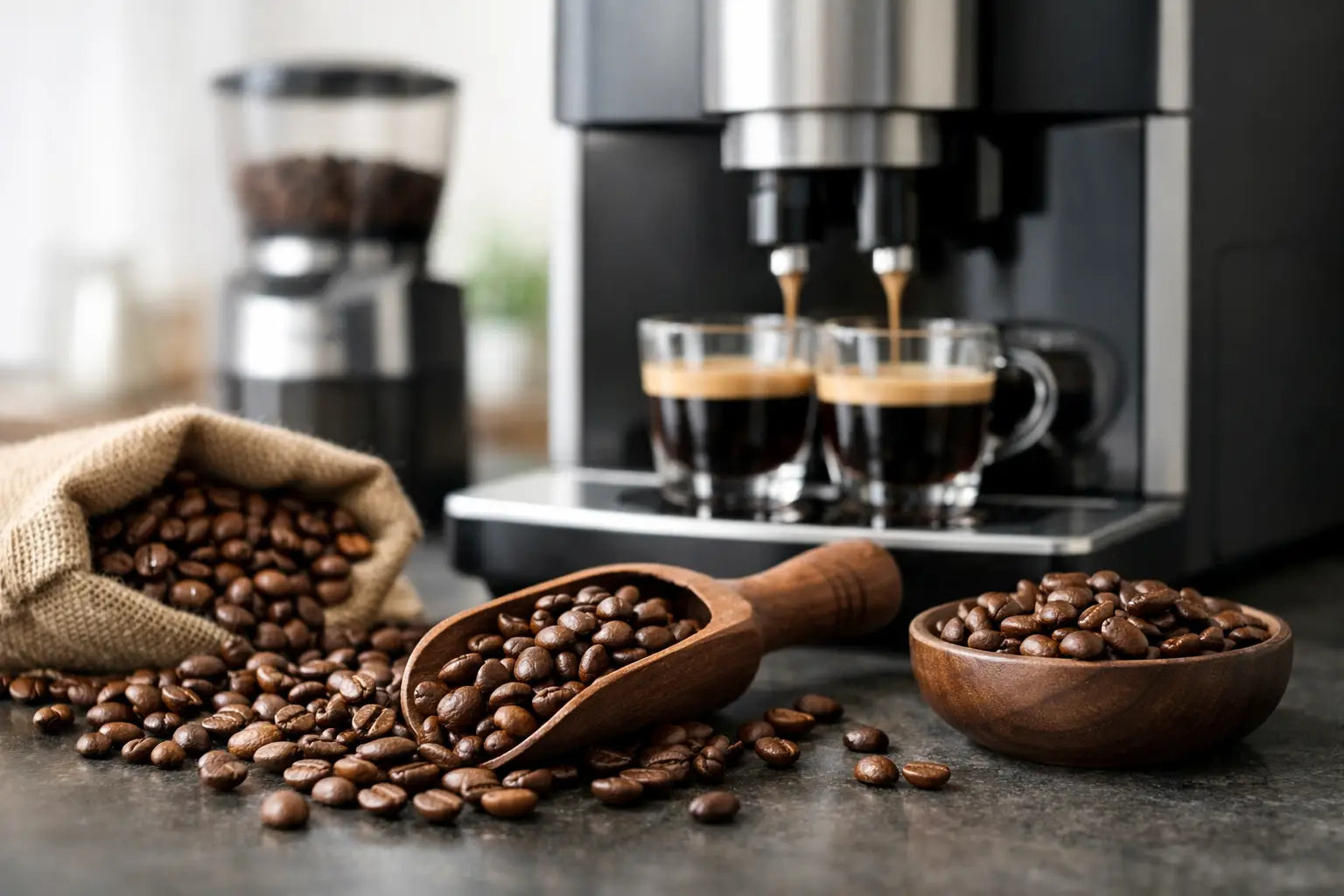
A great automatic machine can turn a rushed weekday morning into a small café ritual. But the grinder, brew unit, and milk system can only work with what you put in the hopper. Choosing the right coffee beans for automatic machines means balancing flavor, freshness, and bean surface texture so every press of the button brings a cup worth slowing down for.
A glossy, very dark bean may look dramatic, but it is not always the best match for a built-in grinder. Likewise, the lightest, most complex single origin can be beautiful in the right hands yet frustrating when a machine is set up for a fuller, more traditional espresso. The sweet spot is often a freshly roasted, specialty-grade coffee with enough development for sweetness and body, without excessive surface oil.
What an automatic machine needs from its beans
Automatic and superautomatic machines grind, dose, tamp, and brew in a compact internal system. That convenience is a gift, especially when coffee is part of the rhythm of getting a household moving. It also means the coffee needs to flow reliably through a grinder and brew consistently under pressure.
The best beans are generally dry to the touch, evenly roasted, and freshly packed. A medium or medium-dark roast is usually the most dependable starting point. These roasts tend to offer the caramel sweetness, rounded body, and low-to-moderate acidity that make espresso satisfying on its own and still present in a latte or cappuccino.
Bean quality matters as much as roast level. Specialty Arabica, carefully sourced and roasted in small batches, offers cleaner flavor and more definition than coffee built around harshness or excessive roast character. Look for coffees with clear origin information, a recent roast date, and thoughtful tasting notes. Those details signal that someone has paid attention long before the beans reach your kitchen.
Why oily beans cause trouble
Very dark roasts can release oil to the surface of the bean. A little sheen is not an emergency, but heavily oily beans can leave residue inside an automatic grinder and around the brew group. Over time, that buildup may affect grinding consistency, create stale flavors, or require more frequent cleaning.
This does not mean you must avoid darker coffee forever. If you love a bold, smoky cup, choose a coffee roasted to medium-dark rather than the darkest possible level, and follow your machine's cleaning schedule closely. The better question is not whether a bean looks shiny, but whether it is noticeably slick and leaves oil on your fingers.
The best roast level for coffee beans for automatic machines
For most households, medium roast is the easiest place to begin. It brings out sweetness, chocolate, toasted nut, and fruit notes while keeping enough density for a controlled extraction. It is forgiving across espresso, coffee-style long drinks, and milk beverages.
Medium-dark roast is a strong choice for people who want more classic espresso character. Expect deeper cocoa, caramel, roasted almond, and a fuller mouthfeel. It can be especially comforting in a cappuccino, where a darker foundation holds its own against warm milk.
Light roast is possible in an automatic machine, but it comes with trade-offs. Lightly roasted beans are denser and often need a finer grind, hotter water, and more precise extraction than many automatic machines can provide. The result can be bright and lively, but it can also taste sharp, thin, or underdeveloped. If you prefer lighter coffees, select one described as suited to espresso or with notes of chocolate, honey, and stone fruit rather than a delicate, high-acidity profile built for manual pour-over brewing.
Blend or single origin? Choose for the cup you want
A well-crafted espresso blend is often the most reliable choice for an automatic machine. Blends are designed for balance: sweetness, body, crema, and consistency from one bag to the next. They make a reassuring daily cup, whether you drink a short espresso before work or make milk drinks for the family on a slow weekend morning.
Single origin coffee offers a more specific sense of place. One cup might bring brown sugar and cacao from Central America; another may carry ripe berry, floral, or citrus notes from East Africa. For a machine that serves many people, choose a single origin with a balanced profile and medium roast. Coffees from Brazil, Colombia, Guatemala, or Peru are often friendly starting points, though each producer and harvest will have its own character.
There is no rule that says automatic-machine drinkers have to choose predictable coffee. A single origin can make an everyday espresso feel more personal. Just expect seasonal variation. That is part of the pleasure of buying thoughtfully sourced coffee rather than settling for a generic, anonymous blend.
Freshness matters, but resting matters too
Freshly roasted coffee is one of the clearest upgrades you can make at home. Coffee loses aromatic compounds over time, and a bag that has sat for months will rarely deliver the lively sweetness or crema you hoped for.
Still, coffee does not always perform best the day it is roasted. Beans release carbon dioxide after roasting, and very fresh coffee can extract unevenly in an automatic machine. As a practical guideline, start brewing espresso-focused coffee around 7 to 14 days after its roast date. Most bags will remain enjoyable for several weeks after that when stored well.
Keep beans in their original resealable bag or an airtight container, away from heat, sunlight, and moisture. Buy an amount you can finish in two to four weeks after opening. Avoid storing your daily supply in the hopper for long periods, particularly if the machine sits near a sunny window or stove. The hopper is convenient, not a storage solution.
Set your machine up to let the coffee shine
Even exceptional coffee needs a few adjustments. Start with the grinder in a middle setting and make changes gradually, one step at a time. On many automatic machines, grinder changes should only be made while the grinder is running. Check your manufacturer instructions before adjusting anything.
If your espresso tastes sour, watery, or finishes too quickly, try a finer grind, a higher coffee-strength setting, or a smaller beverage volume. If it tastes bitter, dry, or drips out slowly, go slightly coarser or reduce the strength. Give the machine two or three drinks after each change before deciding whether it helped.
Water deserves attention, too. Filtered water can improve flavor and reduce mineral buildup, especially in areas with hard water. Clean the brew unit when your machine allows it, empty the grounds container regularly, and run the recommended cleaning and descaling cycles. These small habits protect both your machine and the flavors that made you choose specialty coffee in the first place.
A practical buying checklist
When choosing a new bag, focus on these signs of a machine-friendly coffee:
- A recent roast date, ideally with enough time to rest before brewing
- A medium or medium-dark roast with a mostly dry bean surface
- Specialty-grade Arabica with transparent origin or blend information
- Flavor notes such as chocolate, caramel, nuts, brown sugar, or balanced fruit
- An espresso-friendly profile if you enjoy straight shots or milk drinks
Your best coffee does not have to be the darkest, rarest, or most expensive bag on the shelf. Choose beans that suit your machine and your taste, keep them fresh, and give yourself permission to make a small adjustment when the cup asks for it. That attention can turn an automatic brew into a cherished daily moment.