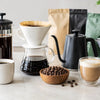
Coffee Catering for Corporate Events That Connects

A conference room can feel very different at 8:30 a.m. when the first thing guests notice is the aroma of freshly brewed coffee instead of a stack of agenda packets. Thoughtful coffee catering for corporate events gives people a reason to arrive early, settle in, and start a real conversation before the formal program begins. It is a small hospitality choice with a lasting effect on how an event feels.
For teams that care about quality, the answer is not simply putting out a large urn and calling it done. Great event coffee balances flavor, speed, presentation, and the needs of a varied guest list. When those details work together, coffee becomes more than a caffeine break. It becomes a shared ritual that helps create cherished moments between colleagues, clients, and partners.
Why coffee belongs at the center of corporate hospitality
Corporate events often ask a lot of people. Guests may be traveling, navigating a packed schedule, meeting new contacts, or preparing to present. A good cup of coffee offers a familiar moment of comfort in an unfamiliar setting. It can soften the first few minutes of a networking breakfast, keep attention focused during an afternoon workshop, and give conversations an easy place to begin.
There is also a practical business case. Coffee breaks create natural transitions between sessions, which helps attendees move, recharge, and return with more energy. For client meetings, a well-prepared coffee service signals care without feeling overly formal. It says that the host has considered the experience from the guest’s perspective.
Quality matters because people notice. Coffee that is stale, burnt, or sitting too long in a dispenser can undercut an otherwise polished event. Specialty-grade, freshly roasted Arabica coffee brings clearer flavor, inviting aroma, and a sense of intention to the table. A coffee with a Q-grade score of 84 or higher, for example, reflects careful evaluation for flavor and quality. It gives discerning guests something genuinely enjoyable to drink, not simply something to get through the day.
Match coffee catering for corporate events to the agenda
The best format depends on the event’s pace, venue, and guest count. A leadership offsite with 15 people has different needs than a 300-person product launch. Start by considering when people will drink coffee, not just how many people are attending.
For a morning meeting, have coffee ready before the scheduled start time. Guests tend to arrive in waves, and a service that opens only when the meeting begins can create a line just as introductions are starting. Offer both regular and decaf from the beginning, along with milk, dairy-free options, sweeteners, cups, and stirrers arranged so people can move through quickly.
For all-day conferences, plan for multiple fresh brews rather than one oversized batch. Coffee tastes best shortly after brewing, and replenishing in smaller intervals protects both flavor and temperature. Mid-morning and mid-afternoon are especially valuable service windows, when attention naturally begins to dip.
An espresso bar can make sense for a client-facing event, employee appreciation day, or launch where the experience itself is part of the message. Baristas can prepare lattes, americanos, cappuccinos, and decaf drinks to order, adding a welcoming café feel. The trade-off is capacity. A custom drink station creates more delight per guest, but it needs enough equipment, staff, and time to prevent long waits. For large groups on a tight schedule, batch-brewed specialty coffee may be the wiser choice.
Choose a menu that feels generous, not complicated
A corporate coffee menu should be easy to understand at a glance. Guests do not need a lengthy tasting card before a quarterly planning session, but they do appreciate choices that acknowledge different preferences.
A dependable foundation is a balanced medium roast for broad appeal, a decaf option, and a tea selection for non-coffee drinkers. If the audience includes coffee enthusiasts or the event calls for a more elevated touch, add a single origin offering. Its distinct notes can bring an extra point of conversation, whether the cup has chocolate and nut flavors, bright citrus, or a gentle floral finish.
Milk choices deserve the same attention as the beans. Whole milk and half-and-half remain familiar options, while oat milk is often the most versatile dairy-free addition because of its creamy texture. Keep labels clear and utensils separate where possible. These small details make guests feel considered rather than accommodated as an afterthought.
Food should support the coffee without competing with it. Morning pastries, fruit, and yogurt work well for early sessions. For afternoon service, think smaller: biscotti, cookies, or a few well-made savory bites. If the event is centered on a tasting or a premium client experience, simpler foods allow the coffee’s character to come through.
Freshness is the detail guests may not name, but will remember
Coffee is an agricultural product, and its best qualities fade when it sits too long after roasting, grinding, or brewing. That is why freshly roasted beans and on-site preparation make a real difference. Whole beans retain aroma and flavor longer than pre-ground coffee, while grinding close to brew time preserves the brightness and sweetness that make specialty coffee feel alive.
Ask your coffee partner when the beans were roasted and how the coffee will be prepared. For catered batch coffee, insulated airpots are generally a better choice than open warming plates. Warming plates can continue cooking the coffee, leading to the bitter, flat taste many people associate with office coffee. Airpots hold temperature while protecting the cup’s cleaner flavor.
Water quality and brew ratio matter, too. A skilled provider will account for both rather than relying on a one-size-fits-all recipe. The goal is not to make the coffee overly strong. It is to make a cup that tastes balanced enough to enjoy black and pleasant enough to pair with milk.
Plan quantities without creating waste
A useful starting estimate is 1.5 cups per guest for a short morning event and two to three cups per guest for a half-day gathering. For an all-day conference, three to four cups per guest is often more realistic, especially in colder weather or at early starts. These are planning ranges, not fixed rules.
Attendance patterns can shift the number. A sales kickoff full of early travelers may drink more coffee than an afternoon creative workshop. If alcohol is served the night before a morning program, demand may rise considerably. If the event is held after lunch and includes a strong tea culture, coffee consumption may be lower.
Rather than brewing every projected cup at once, schedule coffee in stages. This reduces waste and keeps the service fresher. If you expect a midday lull, hold back part of the supply for the afternoon break instead of leaving coffee to sit untouched.
Make the station work as hard as the coffee
Even exceptional coffee can become frustrating if the station is poorly arranged. Put cups first, then coffee, followed by milk and sweeteners. Keep lids, sleeves, napkins, and waste bins close by but outside the main pouring path. This simple flow prevents people from stopping directly in front of the brewer while they add sugar or look for a lid.
For larger events, create two identical stations rather than one elaborate setup. Guests are happier with two quick, straightforward lines than with one beautiful station that becomes congested. Place the service near, but not inside, the busiest doorway so people can gather and talk without blocking arrivals.
Presentation should reflect the event. Clean signage, attractive vessels, and a brief note about the coffee’s origin can make the setup feel considered. Avoid turning the station into a sales display. At a corporate gathering, the coffee should support connection, not demand attention from the program.
Questions to ask before booking a coffee partner
The right catering partner will welcome specifics. Ask whether they use freshly roasted specialty coffee, whether they can provide regular and decaf service, and how they handle dairy-free needs. Confirm who brings equipment, power requirements, setup timing, cleanup, and backup plans if attendance runs high.
It is also worth asking how they source their coffee. Ethically and directly sourced beans carry a story of care that aligns naturally with organizations that value responsible purchasing. That story does not need to dominate the event, but it adds meaning to something guests are already enjoying.
For a simple meeting, reliable delivery of well-brewed coffee may be exactly right. For a milestone celebration or customer event, a staffed espresso bar may be worth the added investment. The right choice depends on whether coffee is a practical refreshment, a hospitality feature, or part of the experience guests will talk about afterward.
A memorable corporate event rarely comes down to one grand gesture. More often, it is built from thoughtful moments: a warm welcome, a comfortable conversation, and a cup of coffee made with care. With specialty beans, fresh preparation, and a service plan built around your guests, House Coffee can help turn a routine break into the kind of pause people carry with them long after the last meeting ends.