Coffee Menu Planning Guide for Better Service
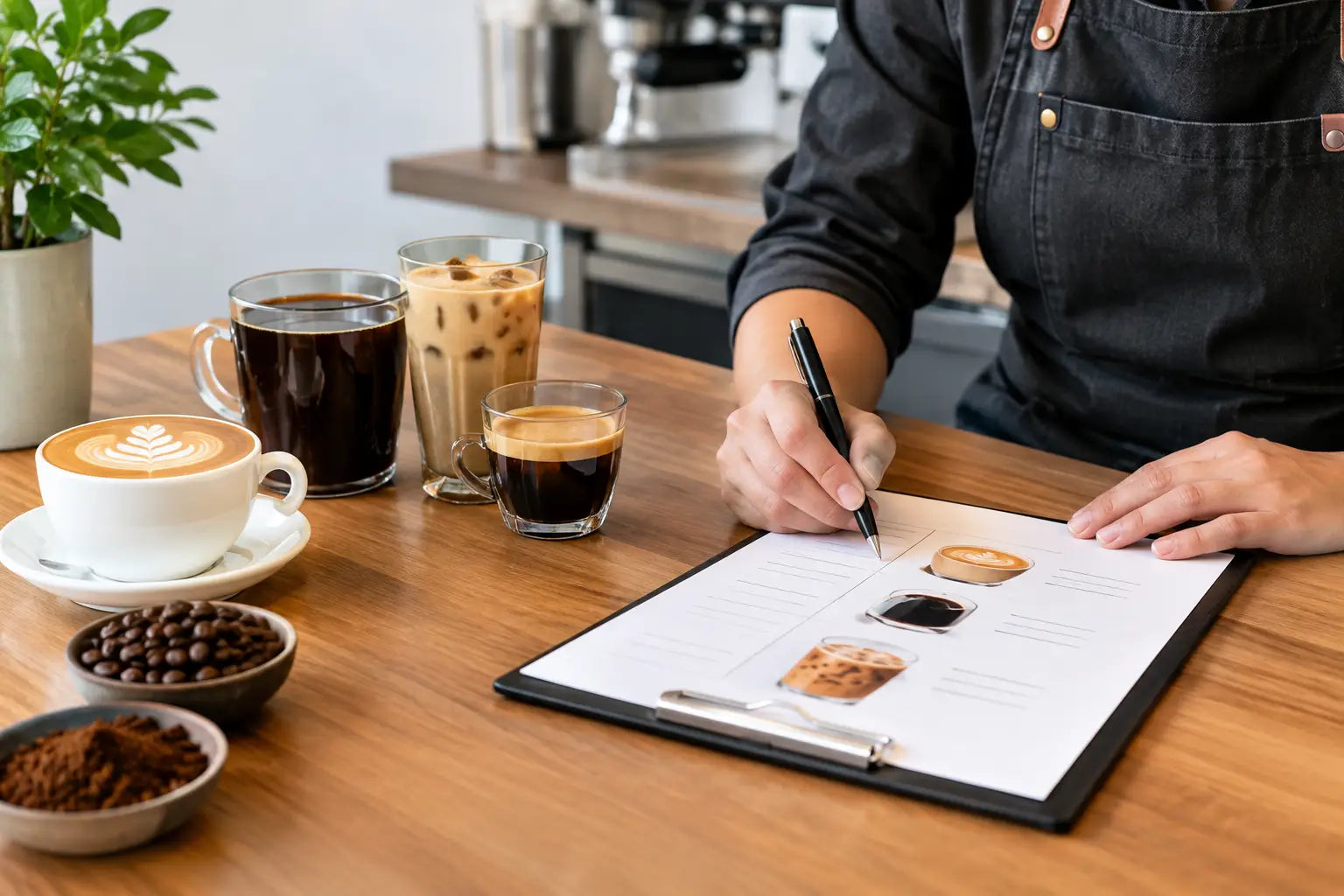
A great coffee menu does not need 20 drinks to feel generous. It needs a few thoughtful choices that help every guest find their comfort zone, whether that is a bright single origin pour-over, a velvety latte, or a simple black coffee shared across a meeting table. This coffee menu planning guide is built for cafés, offices, caterers, and hosts who want to serve specialty coffee with warmth, clarity, and purpose.
Start With the Moment You Want to Create
Before choosing drinks, consider the setting. A neighborhood café has different needs than a wedding brunch, an office kitchen, or a weekend gathering at home. The menu should match the pace of service, the equipment available, and the people drinking it.
For a café or hospitality business, speed and consistency matter as much as flavor. A compact menu gives baristas room to make each drink well, keeps inventory manageable, and helps customers order with confidence. For an event, the goal may be comfort and flow: familiar drinks, clear self-serve options, and one memorable specialty offering. At home, a menu can be more personal, built around the brewing methods and flavor profiles your guests enjoy most.
There is no single ideal number of drinks. The right number is the one your team can prepare beautifully without creating a long line, wasteful ingredient purchases, or a confusing board of nearly identical options.
Build Your Coffee Menu Around Strong Foundations
Every well-planned menu begins with a dependable core. These are the drinks people expect, made with coffees that stand up to the preparation method. Start with espresso, brewed coffee, and a milk-based espresso drink. From there, add choices only when they bring a distinct experience to the table.
For espresso, select a roast with enough sweetness and body to stay balanced in a cappuccino or latte. A carefully developed blend can be an excellent choice because it offers repeatable flavor and can perform reliably through seasonal changes. Look for notes such as chocolate, caramel, toasted nuts, or ripe fruit, depending on the personality you want your menu to carry.
For batch brew, a single origin coffee creates an opportunity to tell a more specific story. A washed Ethiopian coffee may bring floral aromatics and citrus brightness, while a Colombian coffee might offer a rounder cup with stone fruit and cocoa. Specialty coffees with Q-grade scores of 84 or higher give customers a meaningful quality signal, but the flavor description should remain approachable. “Sweet, smooth, and gently fruity” often helps a guest more than technical jargon alone.
Milk drinks deserve just as much consideration as black coffee. Whole milk remains a dependable standard for texture and sweetness, while oat milk is often the most useful plant-based alternative for steaming and espresso pairing. If you offer several milk options, train staff on which ones foam well and build the cost into pricing. More choice is not always better if the result is inconsistent.
Keep the Core Menu Easy to Read
Name drinks in familiar language first. Espresso, americano, cappuccino, latte, and drip coffee should be easy to spot. If you introduce a house drink, describe it in one inviting line: “Espresso, cinnamon, and steamed oat milk” is clearer than a clever name without an explanation.
Organize the menu by type, not by a long alphabetical list. Guests naturally scan for black coffee, espresso drinks, cold drinks, and non-coffee choices. Good structure makes a smaller menu feel calm and considered.
Use One or Two Signature Drinks to Create Memory
A signature drink is where a coffee menu becomes more than a transaction. It can reflect the season, your community, or the feeling you want people to take with them. The best signature drinks are simple enough to reproduce during a busy rush and distinctive enough to earn a second order.
Think in terms of flavor balance. Espresso already brings sweetness, acidity, bitterness, and aroma. Syrups, spices, and sauces should support those qualities rather than bury them. A maple sea salt latte can highlight a coffee with caramel notes. A honey cardamom cappuccino can feel comforting in cooler months. In summer, a sparkling cold brew with a citrus peel offers refreshment without turning coffee into a sugary afterthought.
Limit signature drinks to one or two at a time. Seasonal rotation keeps the menu fresh, but too many limited offerings can complicate ordering and lead to unused ingredients. Choose components that can work across more than one drink when possible. Vanilla can support a latte, cold foam, and an iced coffee; an obscure sauce that only appears in one beverage may not earn its shelf space.
Plan for Hot, Iced, and Fast Service
Coffee drinkers do not follow a single calendar. Many guests order iced coffee year-round, and a hot day can change demand quickly. A practical menu includes options for both preferences without requiring a separate ingredient list for each.
Cold brew is especially useful when you need speed. Prepared ahead of time, it can be served black, with milk, or as the base for a simple signature beverage. Iced americanos offer an espresso-forward option with lower milk costs, while iced lattes give customers the familiar, creamy experience they expect.
For high-volume environments, decide what should be made to order and what can be prepared in advance. Batch brew, cold brew, and pre-portioned syrups can protect service speed. Espresso beverages should still be made with care, but a well-designed station, calibrated grinder, and clear recipes help preserve quality when the line grows.
If you are planning coffee for an event, offer at least one easy grab-and-go choice. A well-labeled airpot of fresh brewed coffee, paired with milk, a dairy-free option, and simple sweeteners, can serve many guests without placing every order through one barista.
Price for Quality, Not Just Competition
A menu price needs to cover more than the beans. Factor in milk, cups, lids, labor, equipment wear, payment processing, and waste. Specialty coffee costs more because skilled growers, careful processing, quality evaluation, and fresh roasting all add value before the coffee reaches your bar.
That does not mean every drink needs to feel expensive. It means the menu should make its value visible. Share the origin when it is meaningful. Mention that coffee is freshly roasted, ethically sourced, or selected for its distinctive flavor. A short note about the coffee behind the cup helps guests understand why it tastes different from a generic alternative.
Pay attention to the margin on milk-based drinks. They may be popular, but they also require more labor and ingredients than brewed coffee. Black coffee and americanos can support profitability, while premium add-ons such as an extra espresso shot, alternative milk, or cold foam should be priced intentionally. The aim is not to nickel-and-dime guests. It is to protect the quality of the program so it can continue to deliver a great cup.
Test Your Menu Before You Commit
A menu looks simple on paper. It tells the truth during a busy service. Test each drink with the same coffee, recipe, cup size, and staff workflow you plan to use in real life. Taste espresso on its own, then in every milk drink. A coffee that tastes vibrant as a shot may become too sharp in a large iced latte, while a deeper roast may shine with milk but feel heavy as drip coffee.
Invite honest feedback from people who represent your actual guests. Ask whether the menu is easy to understand, whether prices feel fair, and which drink they would order first. Watch where they hesitate. Confusion around names, sizes, or customization is a signal to simplify.
House Coffee approaches specialty coffee as both a craft and a daily ritual, and that is a useful standard for any menu: every choice should make the next cup feel easier to enjoy. Keep a record of what sells, what slows the bar, and what gets left behind. Then make small changes rather than rebuilding everything at once.
Let the Coffee Be the Welcome
The most memorable menus do not overwhelm people with choices. They make room for a small moment of care: a coffee that smells inviting, tastes considered, and gives someone a reason to pause with the people around them. Build your menu with that feeling in mind, and each cup can become part of the welcome.