Is Arabica Coffee Less Bitter Than Robusta?
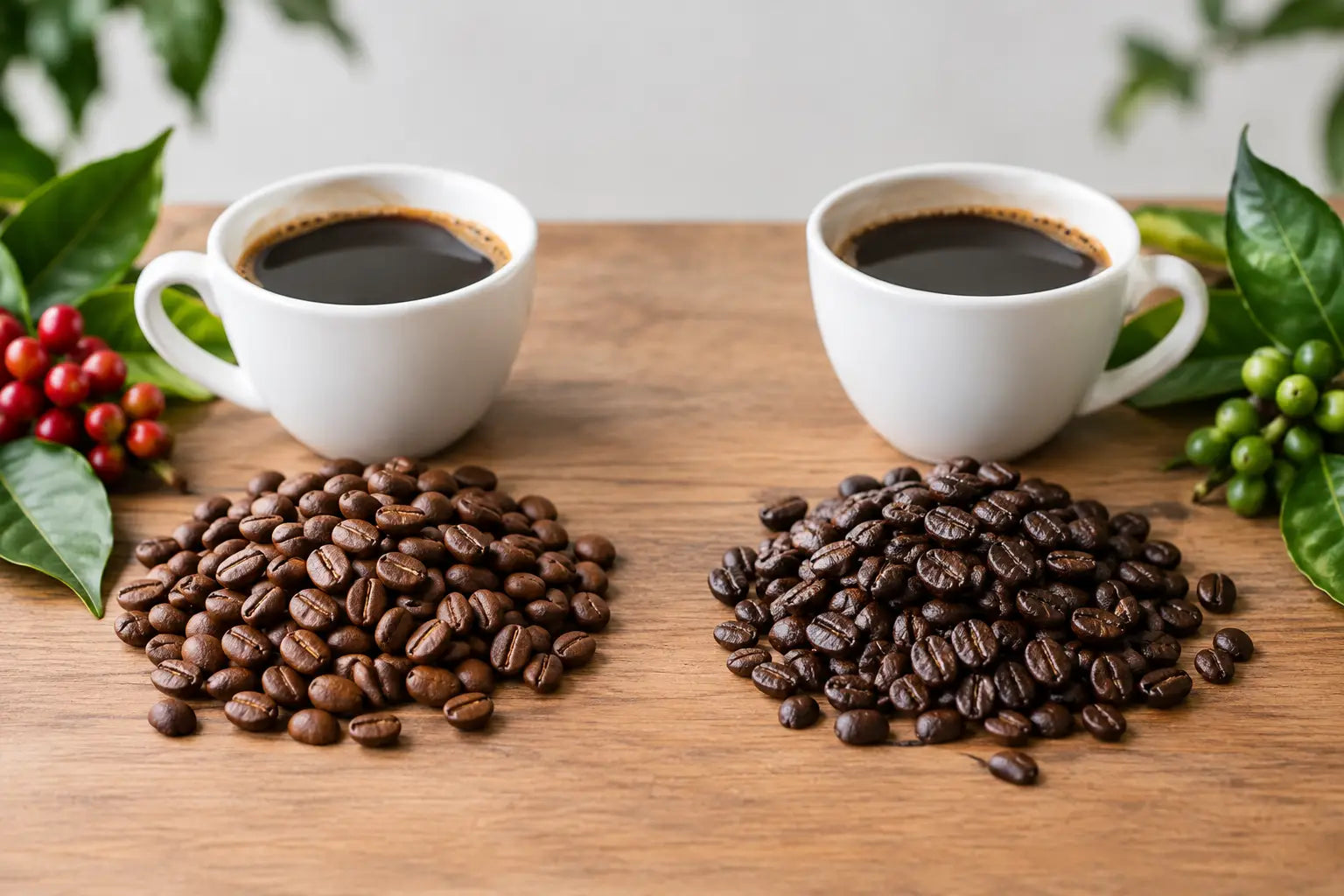
A dark, harsh cup can make anyone wonder, is Arabica coffee less bitter than the coffee they have been drinking? Usually, yes. Arabica is widely known for a sweeter, more layered flavor profile than Robusta. But the bean variety is only one part of the story. Roast level, freshness, water temperature, grind size, and brew time can make an exceptional Arabica taste pleasantly cocoa-like or unexpectedly sharp and bitter.
For a cup that feels more like a small comfort at home than a compromise, understanding where bitterness comes from makes choosing and brewing coffee much easier.
Is Arabica coffee less bitter by nature?
In general, Arabica coffee is less bitter than Robusta coffee. Arabica beans tend to contain less caffeine and fewer of the compounds associated with a forcefully bitter taste. They also have more natural sugars and aromatic compounds that can express notes of fruit, florals, chocolate, caramel, or toasted nuts.
Robusta has a place, particularly in traditional espresso blends where it can add body, crema, and a bold, earthy presence. Yet it typically carries roughly twice the caffeine of Arabica, along with a more intense bitterness. For drinkers who want a smoother black coffee or espresso with more sweetness and nuance, high-quality Arabica is often the natural starting point.
That does not mean every Arabica will taste mild. A dark-roasted Arabica, or a poorly extracted one, can be substantially more bitter than a carefully brewed medium-roast Robusta blend. Species sets the potential. Sourcing, roasting, and brewing decide what reaches your cup.
Why Arabica often tastes sweeter and smoother
Coffee bitterness is not a flaw by default. In balance, it gives coffee structure, much like the gentle bite of dark chocolate. The issue is excessive bitterness that overwhelms sweetness, aroma, and origin character.
Arabica commonly delivers a wider range of those balancing flavors. When grown at higher elevations, coffee cherries mature more slowly, allowing complex sugars and acids to develop. After careful harvesting and processing, those qualities can show up as a rounder sweetness, lively but pleasant acidity, and a cleaner finish.
This is why specialty single origin Arabica can feel so different from a generic coffee labeled simply as “dark roast.” Rather than tasting only smoky or burnt, it may offer distinct notes such as brown sugar, ripe berries, milk chocolate, or almond. The best lots are evaluated for clarity, balance, and overall quality, not merely for strength.
At House Coffee, specialty-grade Arabica with Q-grade scores of 84+ is selected to make those details more accessible at home. Ethical sourcing and fresh small-batch roasting matter here: they protect the care taken at origin and help the coffee arrive with its character still intact.
Roast level can make Arabica taste bitter
Roasting transforms green coffee into the fragrant brown beans we grind and brew. It also changes how bitterness shows up in the cup.
A light roast generally preserves more of a coffee’s origin personality. It may taste bright, tea-like, fruity, or floral, with sweetness that becomes more noticeable as the cup cools. A medium roast often offers a familiar balance of sweetness, body, and gentle roast character. It is an easy place to start for people seeking a smoother daily coffee.
As roasting goes darker, natural sugars caramelize and eventually break down. The flavors shift toward cocoa, toasted sugar, and deeper roasted notes. Push the roast far enough, and compounds created during roasting bring more pronounced bitterness. Dark roast Arabica can still be delicious, especially with milk or as an intense espresso, but it will not necessarily taste less bitter than a lighter roast.
If bitter coffee has put you off in the past, do not assume you need to avoid coffee altogether. Try a fresh medium or medium-light Arabica before deciding. It may reveal the sweetness you have been missing.
Brewing mistakes that add unwanted bitterness
Even beautiful beans can taste bitter when the brewing variables are out of balance. Over-extraction is the usual culprit. It happens when water pulls too much from the ground coffee, including dry, harsh, woody flavors that are better left behind.
For drip coffee, French press, pour-over, or espresso, a grind that is too fine can slow the water down and invite over-extraction. Brewing for too long has a similar effect. Water that is overly hot can make the problem more noticeable, particularly with darker roasts.
A few small adjustments are often enough to soften the cup:
- Grind a little coarser if the coffee tastes dry, harsh, or aggressively bitter.
- Shorten the brew time or espresso shot slightly before changing everything else.
- Use water just off the boil, especially for medium-dark and dark roasts.
- Measure your coffee and water rather than relying on a scoop alone.
- Clean your grinder, brewer, and carafe regularly, since old coffee oils can taste rancid and bitter.
Freshness makes a noticeable difference
Fresh coffee is one of the simplest ways to get a sweeter, cleaner cup. Whole beans gradually lose aromatic compounds after roasting, and pre-ground coffee loses them faster because more surface area is exposed to air. As coffee sits, its flavors can become flat, papery, or stale, making any bitterness seem more prominent.
Buy coffee in an amount you can reasonably enjoy while it is fresh, keep it sealed in an opaque airtight container, and grind shortly before brewing. Avoid storing beans in the refrigerator, where they can absorb odors and encounter moisture. A cool, dark cupboard is usually the better home.
Freshness also explains why a coffee shop-style ritual can be recreated in your own kitchen. The fragrance released when you grind whole beans, the bloom during a pour-over, and the first sip shared at the table all depend on flavor that has not faded away.
How to choose an Arabica coffee with lower bitterness
Look beyond the word “Arabica” on the bag. It is a helpful signal, but it is not a complete quality guarantee. Origin, processing method, roast profile, and roast date all influence the result.
For a naturally smooth cup, choose a specialty Arabica that is freshly roasted and described with sweet, balanced tasting notes. Coffees with chocolate, caramel, honey, nut, stone fruit, or berry notes can be excellent choices, depending on whether you prefer comfortingly familiar flavors or brighter fruit-forward ones. Medium roasts are often the most forgiving for everyday brewing, while medium-light roasts can be especially rewarding in pour-over and filter coffee.
Processing also matters. Washed coffees often taste clean and crisp, with a defined acidity. Natural or dry-processed coffees can bring a fuller, fruitier sweetness, though they may feel more intense. Neither is automatically better. If your goal is a mellow first cup of the day, a balanced washed or honey-processed Arabica may be ideal. If you enjoy jammy fruit notes, a naturally processed single origin can be a memorable change.
For espresso, seek a blend or single origin roasted with espresso in mind, rather than choosing solely by darkness. A well-developed medium espresso roast can produce crema and body while retaining sweetness. Add milk if you enjoy it, but start by tasting the espresso on its own. You may find that what once seemed like a need for sugar was really a need for fresher beans and better extraction.
A smoother cup is still a flavorful cup
Arabica is generally less bitter than Robusta, but the most satisfying coffee is not necessarily the least bitter one. It is the one that feels balanced, fresh, and true to its origin. A little cocoa-like bitterness can make caramel sweetness feel richer. A bright note of citrus can lift chocolate and nut flavors. When the coffee is roasted and brewed with care, every element has a place.
Start with fresh specialty Arabica, use a medium roast if you are unsure, and make one adjustment at a time in your brew routine. Soon, the daily cup on your kitchen counter can become the kind of warm, considered moment you want to linger over - and share.