Premium Arabica beans: qualities gourmet coffee lovers need
Selecting truly premium Arabica beans can feel overwhelming when every bag promises exceptional quality. You want beans that deliver complex flavors, rich aromas, and the gourmet experience you crave at home, but how do you separate marketing claims from genuine excellence? Understanding the specific qualities that define premium Arabica beans transforms your buying decisions from guesswork into confident choices. This guide breaks down the essential characteristics, evaluation criteria, and regional distinctions that separate ordinary beans from extraordinary ones, giving you the knowledge to consistently select beans worthy of your brewing ritual.
Table of Contents
- Key takeaways
- How to evaluate the quality of Arabica beans: essential criteria
- Top qualities that define premium Arabica beans
- Comparing premium Arabica beans: regional and processing differences
- Making the right decision: choosing premium Arabica beans for your gourmet brewing
- Explore specialty Arabica beans and brewing essentials
- Frequently asked questions
Key Takeaways
| Point | Details |
|---|---|
| Quality criteria | Premium Arabica is judged by bean size, defect counts, moisture, and aroma, which help identify truly high quality beans before purchase. |
| Altitude and harvest | Growing above 1200 meters and hand picking concentrates sugars and flavors, producing a more complex cup than lower altitude or mechanically harvested beans. |
| Processing aromas | Processing method leaves distinct aroma signatures with washed beans smelling cleaner and brighter while natural processed beans carry intense fruit notes. |
| Sample evaluation | Request small samples from roasters to evaluate aroma roast evenness and flavor before investing in larger bags. |
How to evaluate the quality of Arabica beans: essential criteria
Premium Arabica beans stand apart through measurable characteristics that directly impact your cup. Arabica beans are assessed by attributes like bean size, defect count, moisture content, and aroma to determine quality grades. Understanding these criteria helps you identify quality Arabica beans before purchase.
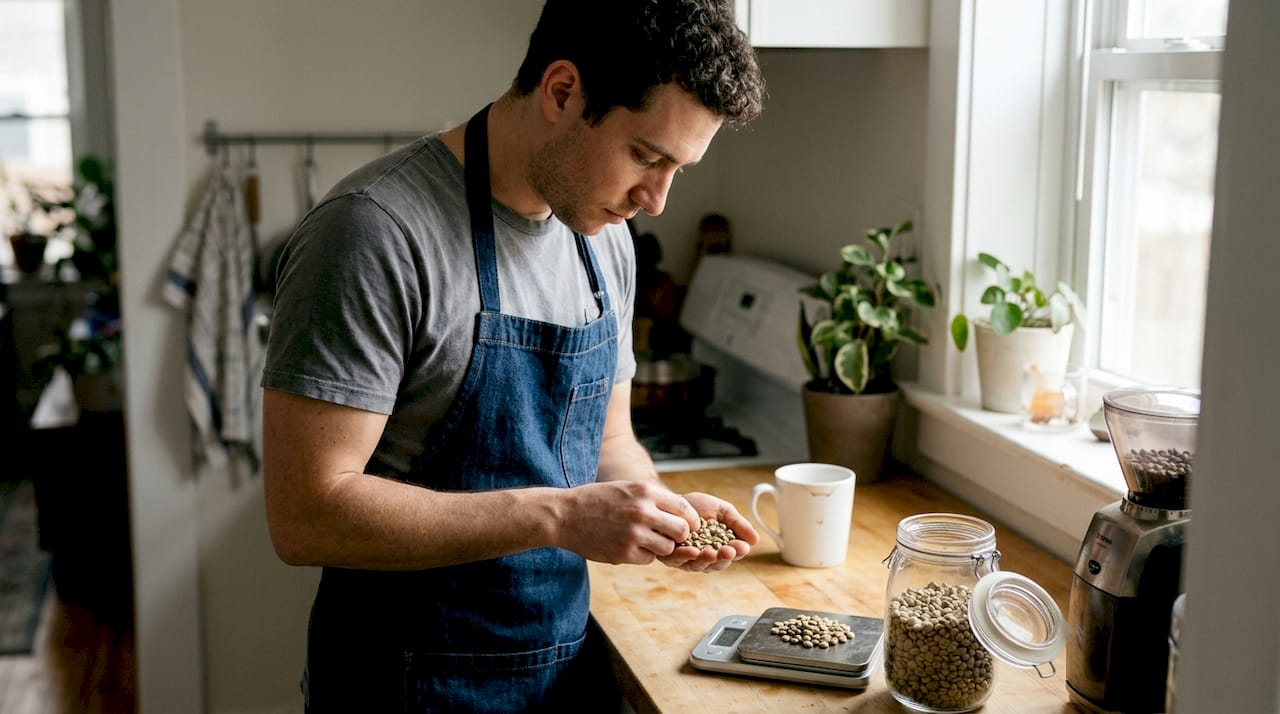
Bean size matters more than aesthetics suggest. Larger beans typically indicate slower maturation at higher altitudes, allowing sugars and oils to develop fully. Screen size 17 or 18 represents premium grades, while smaller beans often come from lower elevations with faster, less complex development. Shape consistency signals careful harvesting, with premium lots showing uniform oval beans rather than mixed sizes that suggest mechanical harvesting of unripe cherries alongside ripe ones.
Defect rates separate specialty from commodity coffee. Premium beans maintain defect counts below 5 per 300g sample, with top specialty grades achieving zero primary defects. These defects include black beans, sour beans, insect damage, and foreign matter that create off flavors. Moisture content between 10-12% ensures proper storage stability without risking mold or staleness. Higher moisture invites degradation, while lower levels make beans brittle and prone to losing aromatic compounds.
Aroma evaluation begins before grinding. Raw premium beans emit sweet, sometimes fruity or floral scents rather than musty, earthy, or fermented odors that indicate poor processing or storage. Processing methods leave distinct signatures: washed beans smell cleaner and brighter, while natural processed beans carry intense fruit notes. Certified grading by organizations like the Specialty Coffee Association provides objective quality benchmarks, though direct sensory evaluation remains your most reliable tool.
Pro Tip: Request sample sizes before committing to larger quantities. Premium roasters confident in their bean quality gladly provide small amounts for evaluation, letting you assess aroma, roast evenness, and flavor before investing in full bags.
Top qualities that define premium Arabica beans
Growing conditions create the foundation for exceptional beans. High-altitude growth, hand-picked harvesting, and careful processing enhance complexity and distinguish premium offerings from standard commercial beans. Altitude above 1,200 meters slows cherry maturation, concentrating sugars and developing nuanced flavor compounds that lower elevation beans simply cannot achieve. Volcanic soils rich in minerals contribute distinct characteristics, with regions like Ethiopia, Colombia, and Guatemala producing beans with recognizable terroir.
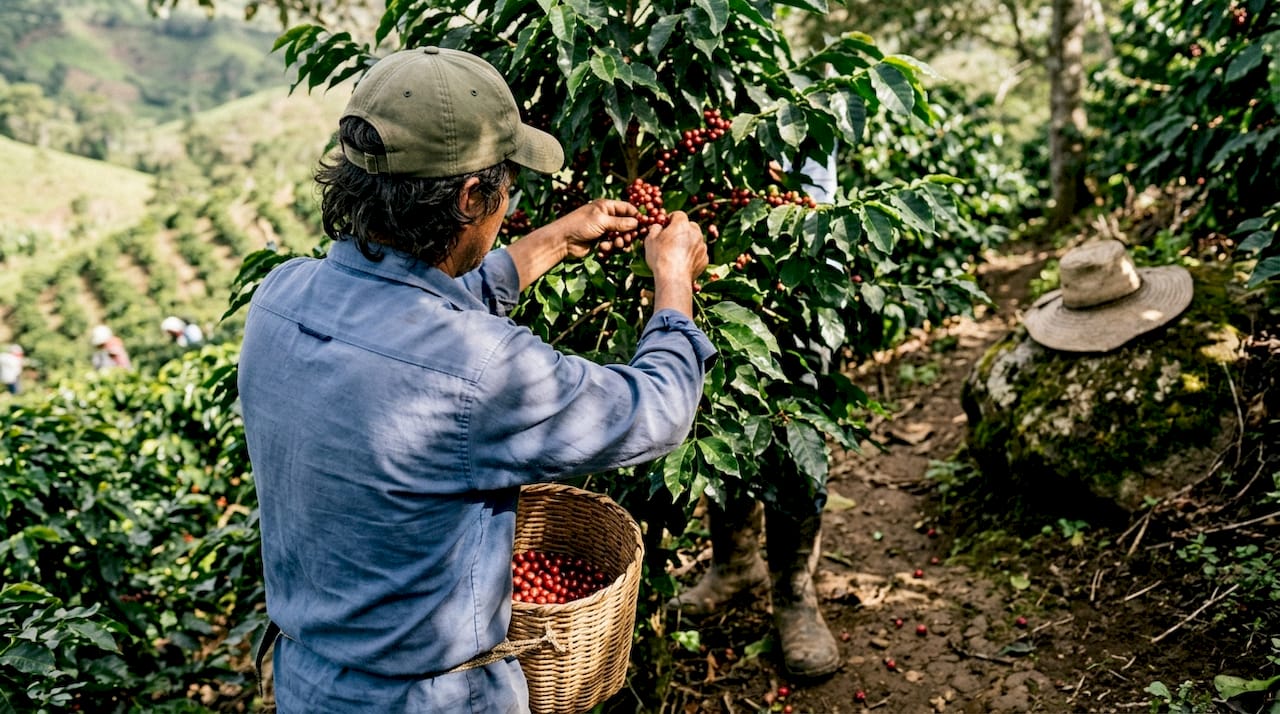
Hand-picking ensures only ripe cherries enter processing, a labor-intensive practice that premium producers embrace despite higher costs. Mechanical harvesting strips branches indiscriminately, mixing underripe, overripe, and damaged cherries that compromise the final product. This selective harvesting directly correlates with cup quality, eliminating the sour notes from underripe beans and fermented flavors from overripe ones that plague mass-market coffee.
Varietal selection influences flavor potential before beans ever reach the roaster. Heirloom Ethiopian varieties offer floral and tea-like qualities, while Bourbon and Typica cultivars provide sweetness and balance. Gesha (or Geisha) commands premium prices for its distinctive jasmine and bergamot notes, though excellent examples of traditional varieties often deliver comparable satisfaction at more accessible price points. Premium producers maintain varietal purity rather than mixing types, preserving the unique characteristics each brings.
Sustainable farming practices increasingly define premium status as consumers recognize quality connections to environmental stewardship. Arabica beans quality and sustainability intersect when farmers invest in soil health, shade-grown systems, and water conservation. These practices produce healthier plants that resist disease naturally, reducing chemical inputs while supporting the biodiversity that contributes to complex flavor development.
Color uniformity signals consistent roasting potential. Premium green beans display even coloration within each lot, whether the pale green of washed African beans or the darker green-blue of wet-hulled Indonesian varieties. Discoloration, fading, or patchy appearance indicates age, moisture exposure, or processing inconsistencies that will translate to uneven roasting and muddled flavors.
Pro Tip: Examine beans under good lighting before purchasing. Premium beans should look vibrant and uniform, with a slight sheen from natural oils. Dull, chalky appearances or excessive variation within a batch suggest quality compromises.
Comparing premium Arabica beans: regional and processing differences
Origin shapes flavor profiles in predictable ways that help match beans to your preferences. Ethiopian beans deliver bright acidity with blueberry, jasmine, and citrus notes, particularly from Yirgacheffe and Sidamo regions. Colombian beans offer balanced profiles with caramel sweetness, mild acidity, and nutty undertones that appeal to those seeking approachable complexity. Brazilian beans lean toward chocolate, low acidity, and full body, creating excellent espresso bases or blends.
Processing methods create dramatic flavor variations even within the same origin. Single origin and specialty processing styles like washed or natural impact the final cup as much as terroir. Washed processing removes fruit before drying, producing clean, bright coffees where origin characteristics shine clearly. Natural processing dries whole cherries, infusing beans with fruit sugars that create wine-like bodies and intense berry flavors. Honey processing splits the difference, leaving some mucilage during drying for sweetness without natural processing’s sometimes overwhelming fruit notes.
| Origin Region | Typical Flavor Profile | Best Processing Method | Ideal Brewing Method |
|---|---|---|---|
| Ethiopia | Floral, citrus, blueberry, tea-like | Washed or natural | Pour over, Chemex |
| Colombia | Balanced, caramel, nutty, mild acidity | Washed | Drip, French press |
| Brazil | Chocolate, low acidity, full body | Natural or pulped natural | Espresso, cold brew |
| Kenya | Bright acidity, blackcurrant, tomato | Washed | Pour over, AeroPress |
| Costa Rica | Clean, honey sweetness, citrus | Washed or honey | Drip, pour over |
| Guatemala | Cocoa, spice, full body, apple notes | Washed | French press, espresso |
Regional microclimates within countries create further distinctions. Guatemalan beans from Antigua differ markedly from those grown in Huehuetenango, despite sharing national origin. Altitude, rainfall patterns, and soil composition vary enough to produce recognizable sub-regional characteristics that serious coffee lovers learn to identify and prefer.
Single origin coffees showcase these regional distinctions clearly, letting you experience how place influences flavor. When you identify single origin beans, you gain transparency about exactly what you’re tasting and can develop preferences based on actual characteristics rather than marketing descriptions.
Seasonal variations affect even premium beans. Harvest timing influences flavor development, with early season picks sometimes showing brighter acidity while late harvest beans develop deeper sweetness. Understanding crop cycles helps you time purchases for peak freshness, as beans taste best within months of harvest before aromatic compounds fade.
Making the right decision: choosing premium Arabica beans for your gourmet brewing
Your brewing method should guide bean selection as much as flavor preferences. Pour over and Chemex methods highlight clarity and brightness, making them ideal for washed African beans with complex acidity. French press and cold brew suit fuller-bodied beans like Brazilian naturals that provide richness without requiring filter clarity. Espresso demands beans with enough body and sweetness to stand up to pressure extraction, often favoring blends or origins like Colombian and Brazilian.
Proper selection depends on desired flavor profile, brewing method, and quality standards to maximize results. Follow this approach when evaluating options:
- Identify your flavor preference baseline (bright and fruity versus rich and chocolatey)
- Match origins to those preferences using regional profiles as guides
- Consider processing methods that enhance your desired characteristics
- Verify freshness through roast dates and packaging quality
- Start with smaller quantities to test before committing to larger purchases
- Take notes on what works to refine future selections
Budget considerations need not compromise quality entirely. Premium beans cost more than supermarket options, but the difference between good specialty coffee and exceptional microlot offerings often matters less than the gap between commodity and entry specialty grades. Investing in freshly roasted, properly sourced beans at the specialty level delivers dramatically better results than chasing the absolute highest scoring lots that command premium prices for subtle distinctions.
Storage practices preserve the qualities you paid for. Whole beans maintain freshness far longer than pre-ground coffee, with proper storage extending peak flavor for 2-3 weeks after roasting. Airtight containers in cool, dark locations protect against the four enemies of coffee freshness: oxygen, light, heat, and moisture. Avoid refrigeration or freezing unless storing beans longer than a month, as condensation risks introducing moisture that degrades quality.
Experimentation reveals personal preferences that generic recommendations cannot predict. While Ethiopian Yirgacheffe earns widespread praise, you might prefer the chocolate notes of a Brazilian natural. Tasting different origins, processing methods, and roast levels systematically builds your palate and helps you select coffee beans premium brew experiences tailored to your taste rather than following trends.
Pro Tip: Buy from roasters who provide detailed information about origin, processing, roast date, and tasting notes. Transparency signals quality commitment and gives you the information needed to make informed choices and replicate successes.
Explore specialty Arabica beans and brewing essentials
Now that you understand what distinguishes premium Arabica beans, exploring curated selections helps you experience these qualities firsthand. House Coffee’s specialty coffee collection features carefully sourced single origin beans that showcase the characteristics discussed throughout this guide, from high-altitude Ethiopian varieties to meticulously processed Colombian offerings.
The gold collection represents exceptional examples of premium Arabica beans selected for their origin stories, processing excellence, and flavor complexity. Each offering includes detailed information about growing conditions, processing methods, and flavor profiles to help you choose beans that match your preferences and brewing equipment. Proper tools matter as much as quality beans, so exploring brewing essentials alongside your bean selection ensures you can extract the full potential from your purchase.
Frequently asked questions
What makes Arabica beans premium?
Premium status comes from multiple factors working together: high-altitude growing conditions above 1,200 meters, careful hand-picking of only ripe cherries, minimal defects in the final product, and processing methods that enhance rather than mask origin characteristics. Beans must also demonstrate freshness through recent roasting and proper storage, as even exceptional green coffee degrades without attention to post-roast handling. Certification from recognized grading organizations provides objective quality verification, though sensory evaluation remains the ultimate test.
How do processing methods affect Arabica bean quality?
Processing determines which flavors develop and how cleanly origin characteristics express themselves. Washed processing removes all fruit before drying, creating bright, clean cups where terroir shines through clearly with pronounced acidity and clarity. Natural processing dries whole cherries around beans, infusing them with fruit sugars that produce heavier bodies, lower perceived acidity, and intense berry or wine-like notes. Honey processing leaves controlled amounts of mucilage during drying, balancing sweetness against clarity. Each method suits different flavor goals, with none inherently superior but rather appropriate for specific outcomes.
Can I identify premium Arabica beans by smell alone?
Aroma provides important initial quality clues but cannot replace comprehensive evaluation. Premium green beans emit sweet, sometimes floral or fruity scents rather than musty, earthy, or fermented odors that signal processing problems or poor storage. However, smell alone misses visual defects, moisture content issues, and bean density that affect cup quality. Use aroma as a first-pass filter to eliminate obviously compromised beans, then apply other criteria like uniformity, size, and origin transparency for complete assessment. Roasted bean aroma offers more information but still requires tasting to confirm quality promises.
Is single origin always better for premium Arabica coffee?
Single origin offers transparency and distinct flavor identity that helps you understand exactly what you’re tasting and develop informed preferences. These beans showcase specific terroir without blending masking or homogenizing characteristics. However, expertly crafted blends can achieve premium status by combining complementary origins that create balanced, complex profiles no single origin provides alone. The best approach depends on your goals: choose single origin when exploring regional characteristics and building palate knowledge, select quality blends when seeking consistent, balanced daily drinking coffee that performs reliably across brewing methods.
How should I store premium Arabica beans to maintain quality?
Store whole beans in airtight containers away from light, heat, and moisture to preserve the aromatic compounds and oils that define premium quality. Opaque, airtight canisters with CO2 release valves work best, placed in cool, dark cupboards rather than countertops near stoves or windows. Avoid refrigeration or freezing for beans you’ll use within three weeks, as temperature fluctuations introduce condensation that degrades quality. For longer storage, freeze beans in airtight bags with minimal air, removing only what you’ll use within a week to prevent repeated temperature cycling. Grind immediately before brewing rather than storing ground coffee, as ground particles lose aromatics exponentially faster than whole beans.
Recommended
-
Posted in
en, qualities of premium arabica beans