Top coffee brewing methods unlock 67% richer flavor
Choosing the right coffee brewing method can feel overwhelming with so many options promising exceptional flavor. Each technique extracts coffee differently, creating unique taste profiles from the same beans. Whether you crave bold intensity or smooth clarity, understanding how brewing methods influence flavor helps you craft your perfect cup every morning.
Table of Contents
- Key takeaways
- How to evaluate coffee brewing methods
- Popular coffee brewing methods explained
- Comparing coffee brewing methods: a detailed table
- Choosing the right coffee brewing method for your needs
- Find your perfect brew essentials at House Coffee
- FAQ
Key Takeaways
| Point | Details |
|---|---|
| Flavor differences by method | Different brewing techniques extract varying compounds to create distinct flavor profiles and body. |
| Brew time variety | Brew times range from under a minute for espresso to 12 to 24 hours for cold brew, shaping your daily routine. |
| Cost and equipment | Equipment costs and availability vary by method, from affordable pour overs to expensive espresso machines. |
| Maintenance considerations | Maintenance burden matters, as some methods require quick rinses while others demand regular descaling and backflushing. |
| Grind size experiments | Experimenting with grind size within a method can optimize extraction and reduce bitterness or sourness. |
How to evaluate coffee brewing methods
Selecting your ideal brewing approach requires understanding several key factors that shape your daily coffee ritual. Choosing the right coffee brewing method depends on factors like flavor extraction, brew time, equipment availability, and ease of use, each influencing your overall satisfaction and consistency.
Flavor extraction sits at the heart of brewing evaluation. Water temperature, contact time, and pressure determine which compounds dissolve from your grounds. Immersion methods extract oils and sediments for fuller body, while filtered approaches produce cleaner cups with pronounced acidity. Understanding these differences helps you target specific taste profiles.
Brew time directly affects your morning routine. Espresso delivers results in under a minute, perfect for rushed mornings. French press requires four minutes of steeping. Cold brew demands 12 to 24 hours of patience. Match your method to your schedule for sustainable daily practice.
Equipment cost and availability vary dramatically across methods:
- Pour-over setups start around $20 for a dripper and filters
- French press models range from $25 to $100 depending on size and build quality
- Espresso machines span $200 for entry-level to $3,000+ for prosumer equipment
- AeroPress offers excellent value at approximately $40 with durable construction
Cleaning and maintenance requirements matter for long-term commitment. Simple methods like pour-over need quick rinses, while espresso machines demand regular backflushing and descaling. Consider how much post-brew effort you’re willing to invest daily.
Personal taste preferences ultimately drive your selection. Do you prefer intense concentration or smooth sipping? Bold earthiness or bright fruitiness? Your palate guides your method choice more than any expert recommendation.
Pro Tip: Experiment with different grind sizes within your chosen method to optimize extraction. Adjusting coarseness by small increments reveals hidden flavor notes and fixes common issues like bitterness or sourness.
Popular coffee brewing methods explained
Exploring the landscape of top coffee brewing methods reveals diverse approaches that transform beans into liquid experiences. From immersion to percolation, different brewing styles influence the texture, acidity, and strength of coffee, creating distinct sensory profiles that appeal to different preferences.
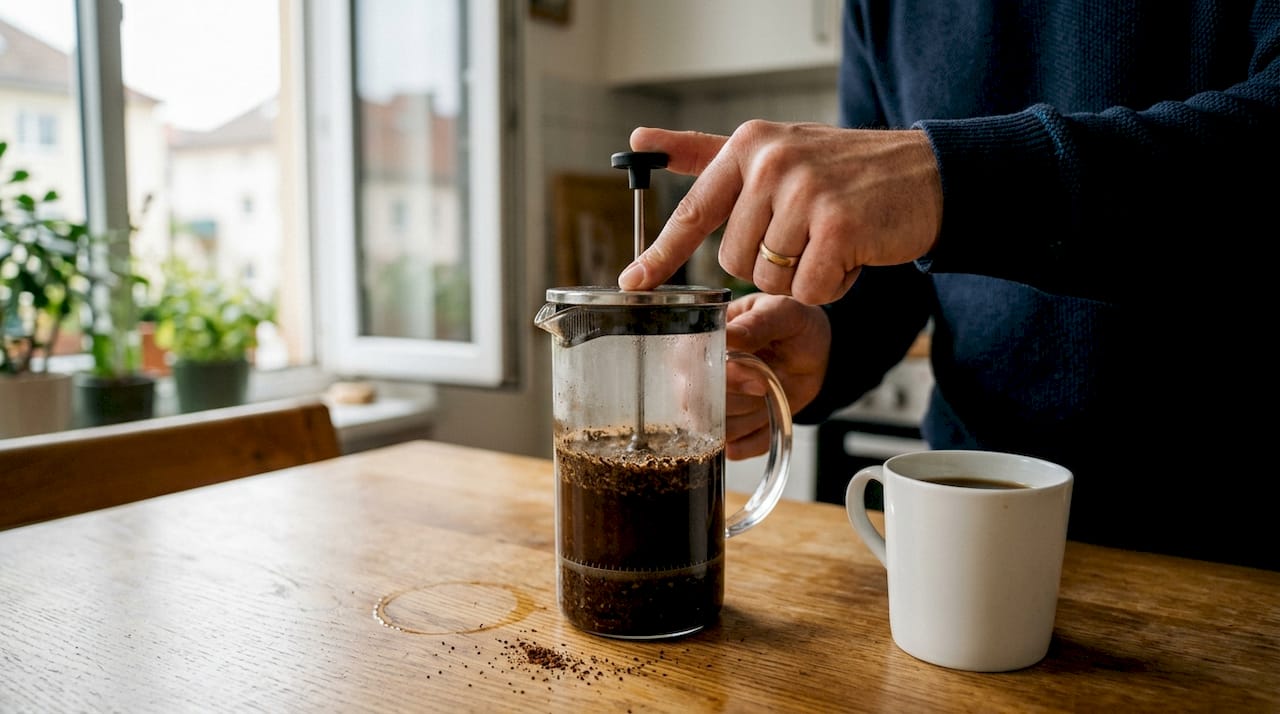
French press employs full immersion brewing where coarse grounds steep directly in hot water for four minutes. This method produces rich body with substantial mouthfeel and robust flavor. The metal mesh filter allows oils and fine particles through, creating characteristic texture and depth. It’s forgiving for beginners yet delivers consistently satisfying results.
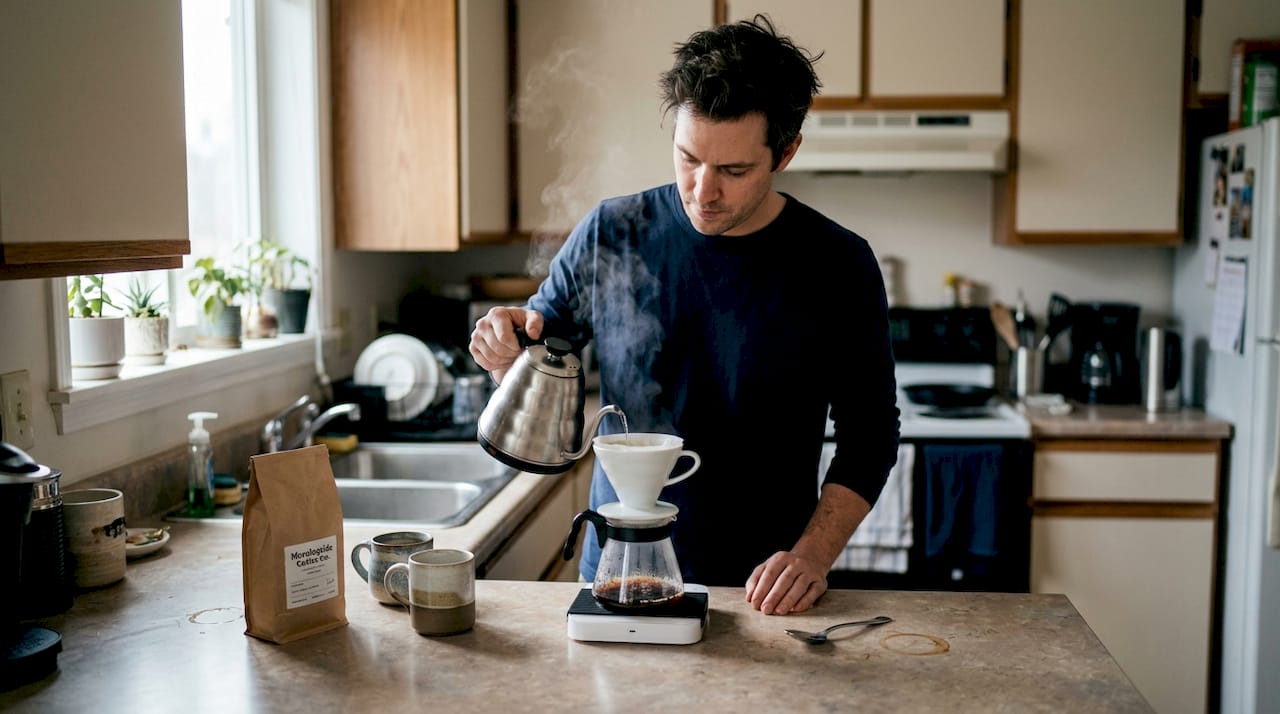
Pour-over techniques like V60 or Chemex use manual drip brewing with paper filters. You control water flow and saturation, extracting clean cups with bright acidity and pronounced flavor clarity. This method highlights origin characteristics beautifully, making it ideal for specialty single-origin beans. The ritual aspect appeals to those who enjoy mindful coffee preparation.
Espresso machines force pressurized hot water through finely ground coffee in 25 to 30 seconds. This creates concentrated shots with intense flavor, thick crema, and syrupy body. Espresso serves as the foundation for cappuccinos, lattes, and americanos. Mastering espresso requires practice with grind adjustment, tamping pressure, and timing.
AeroPress combines rapid immersion with gentle pressure, brewing in 60 to 90 seconds. This versatile device produces smooth, low-acidity coffee with surprising clarity. You can adjust variables like steep time, water temperature, and pressure to create profiles ranging from espresso-like to clean filter coffee. Its portability makes it perfect for travel.
Cold brew steeps coarse grounds in room temperature or cold water for 12 to 24 hours. The extended extraction without heat creates naturally sweet coffee with minimal acidity and bitterness. The resulting concentrate dilutes with water or milk for refreshing drinks. It’s ideal for hot weather and appeals to those sensitive to acidic beverages.
Moka pot brewing uses stovetop heat to create steam pressure that pushes water through coffee grounds. This Italian method produces strong, bold coffee with espresso-like intensity but without true crema. It’s affordable and reliable, delivering consistent results once you master the heat level. The distinctive flavor profile satisfies those craving powerful morning brews.
Key characteristics of each method:
- French press: 4-minute steep, full body, simple cleanup, rich oils
- Pour-over: 3-minute brew, clean cup, requires technique, bright acidity
- Espresso: 30-second extraction, intense concentration, expensive equipment, thick texture
- AeroPress: 90-second total time, smooth profile, highly portable, versatile recipes
- Cold brew: 12 to 24-hour steep, low acidity, sweet taste, concentrate format
- Moka pot: 5-minute brew, bold strength, affordable, stovetop convenience
Comparing coffee brewing methods: a detailed table
After understanding individual methods, a side-by-side comparison clarifies practical trade-offs. A direct comparison table clarifies strengths and trade-offs across brewing methods, helping you evaluate options against your priorities and constraints.
| Method | Brew Time | Equipment Cost | Flavor Profile | Cleaning Ease | Best For |
|---|---|---|---|---|---|
| French Press | 4 minutes | $25 to $100 | Rich, full body, robust | Easy rinse | Bold flavor lovers |
| Pour-Over | 3 to 4 minutes | $20 to $60 | Clean, bright, nuanced | Quick rinse | Specialty bean appreciation |
| Espresso | 25 to 30 seconds | $200 to $3,000+ | Intense, concentrated, syrupy | Moderate to complex | Milk drink enthusiasts |
| AeroPress | 1 to 2 minutes | $30 to $40 | Smooth, versatile, clean | Very easy | Travelers and experimenters |
| Cold Brew | 12 to 24 hours | $20 to $50 | Sweet, low acid, mellow | Simple rinse | Hot weather, acid sensitivity |
| Moka Pot | 5 minutes | $30 to $80 | Strong, bold, traditional | Moderate | Stovetop convenience seekers |
This comparison reveals that AeroPress and pour-over offer the fastest active brewing for quality results. French press and AeroPress lead in cleaning simplicity, requiring only quick rinses. For richest, most full-bodied brews, French press and moka pot deliver substantial texture and oils.
Equipment investment varies dramatically. Budget-conscious coffee lovers can achieve excellent results with pour-over, French press, or AeroPress setups under $50. Espresso demands significant financial commitment but rewards with cafe-quality drinks at home. Cold brew requires minimal equipment but maximum patience.
Flavor profile differences guide method selection based on taste preferences. If you love bright, tea-like clarity that showcases origin characteristics, pour-over excels. For heavy body with substantial mouthfeel, French press satisfies. Espresso delivers unmatched intensity and concentration. Cold brew provides smooth, approachable coffee that converts even casual drinkers.
Brew time considerations extend beyond the numbers. Espresso’s 30 seconds requires prior heating and grinding, adding several minutes. Cold brew’s long steep happens passively overnight. Pour-over and French press demand active attention during brewing. Factor total preparation time into your routine planning.
Pro Tip: Consider your daily routine when choosing a method. Morning rushers benefit from preset espresso machines or overnight cold brew. Weekend enthusiasts enjoy the ritual of pour-over. Match your method to your lifestyle for sustainable long-term practice.
Choosing the right coffee brewing method for your needs
Matching your lifestyle and palate with a brewing method maximizes enjoyment and convenience, transforming coffee from routine to ritual. Different situations and preferences call for specific approaches that align with your goals and constraints.
Beginners seeking quality without complexity should start with pour-over or AeroPress. Both methods forgive minor mistakes while teaching fundamental brewing principles. Pour-over develops your understanding of water flow and saturation. AeroPress offers recipe flexibility and consistent results with minimal technique. Neither requires expensive equipment or extensive cleanup, making them ideal entry points into specialty coffee.
Bold flavor enthusiasts craving substantial body and robust taste gravitate toward French press or moka pot. French press delivers maximum oil extraction and full mouthfeel that coats your palate. Moka pot produces strong, espresso-adjacent coffee with traditional Italian character. Both methods emphasize coffee’s heavier, earthier qualities over delicate nuances. They suit those who add milk or prefer powerful morning wake-up calls.
Skilled enthusiasts desiring intense, concentrated coffee invest in espresso machines. Mastering espresso unlocks cafe-quality drinks at home, from perfectly pulled shots to silky cappuccinos. The learning curve rewards dedication with unmatched control over extraction variables. Prosumer machines offer temperature stability and pressure profiling for ultimate customization. This path suits committed coffee lovers willing to develop technical skills.
Hot climate dwellers and smooth coffee seekers find cold brew ideal. The lengthy steeping process at room temperature extracts sweet, mellow flavors without harsh acidity or bitterness. Resulting concentrate stays fresh refrigerated for up to two weeks, providing convenient grab-and-go options. It’s perfect for iced coffee lovers and those who find hot-brewed coffee too acidic. The minimal active time makes batch preparation effortless.
Lifestyle and taste considerations:
- Time-constrained mornings: Espresso machines with preset functions or overnight cold brew
- Budget-conscious quality: Pour-over, French press, or AeroPress under $50
- Travel and portability: AeroPress wins for durability and compact size
- Entertaining guests: French press scales easily for multiple servings
- Exploring coffee origins: Pour-over highlights specialty bean characteristics
- Milk drink preferences: Espresso provides proper base for lattes and cappuccinos
- Low maintenance: AeroPress and pour-over require minimal cleaning effort
Consider seasonal coffee specials that pair beautifully with specific methods. Light roasts shine in pour-over, revealing complex fruit and floral notes. Dark roasts complement French press and espresso, emphasizing chocolate and caramel depth. Matching beans to method amplifies enjoyment and justifies investment in quality equipment.
Find your perfect brew essentials at House Coffee
Now that you understand various brewing methods and their unique characteristics, equipping yourself with quality beans and tools elevates your coffee experience significantly. House Coffee specializes in specialty coffee selections featuring ethically sourced, single-origin Arabica beans that showcase the craftsmanship of dedicated growers worldwide.
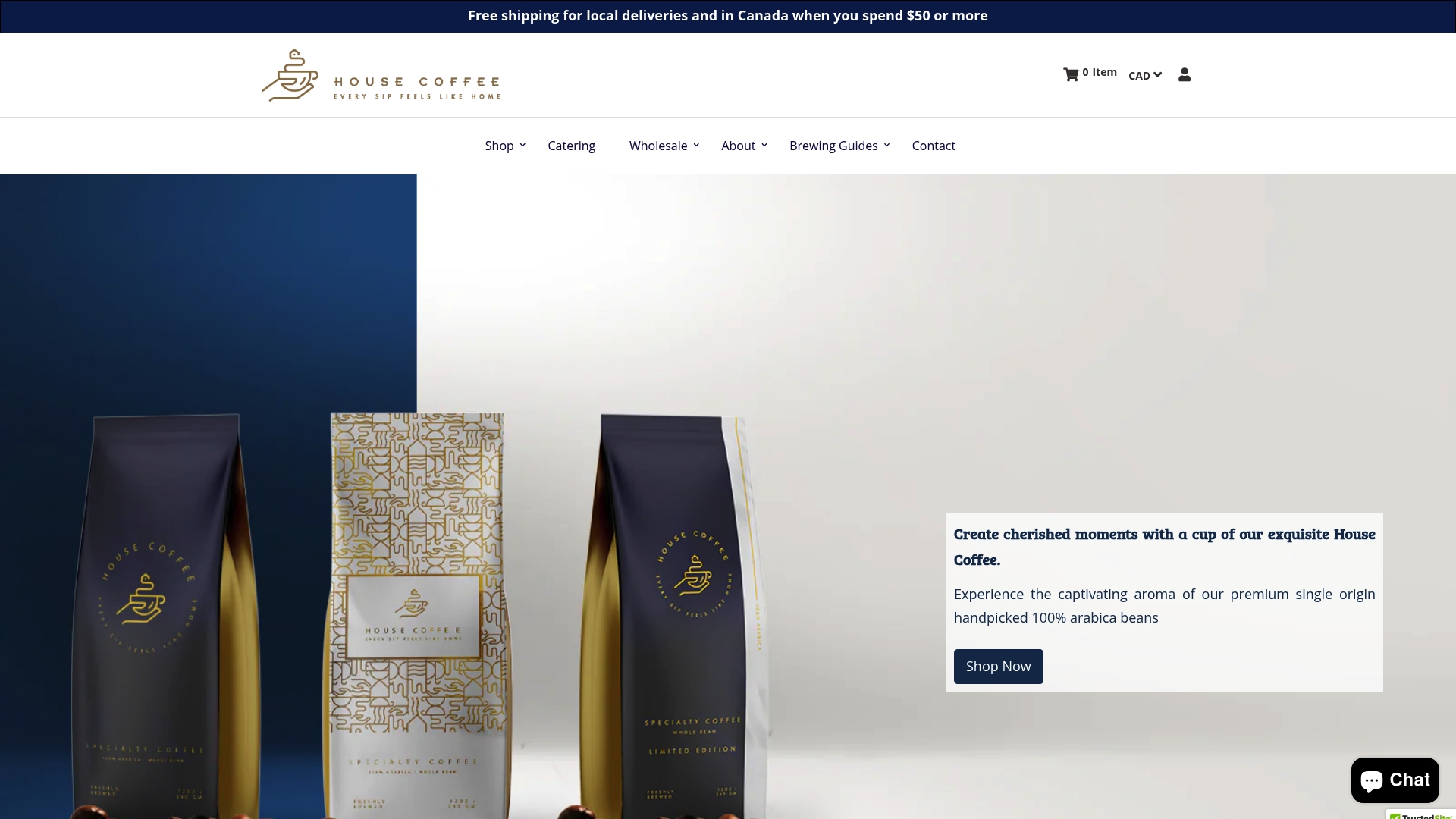
Our Gold, Diamond, and Limited Edition collections offer distinct origin stories and flavor profiles optimized for different brewing methods. Light roasts reveal bright complexity through pour-over, while darker roasts deliver satisfying body in French press or espresso. Each product description includes detailed tasting notes and recommended brewing approaches to guide your selection.
Complement your chosen method with essential brewing accessories and quality filters designed for optimal extraction. Fresh, properly stored beans paired with appropriate equipment transform good coffee into exceptional daily rituals. Explore our curated collections to discover products that match your brewing style and taste preferences, supporting your journey toward consistently remarkable cups.
FAQ
What is the best coffee brewing method for beginners?
Pour-over and AeroPress are user-friendly options that produce excellent coffee without demanding extensive technique. They require minimal investment, typically under $50 for complete setups including filters. Both methods are easy to clean with simple rinses, and they teach fundamental brewing principles that transfer to other approaches as your skills develop.
How does grind size affect brewing method choice?
Coarser grinds suit immersion methods like French press, where extended contact time requires larger particles to prevent over-extraction and bitterness. Finer grinds are essential for espresso and AeroPress to optimize extraction during brief contact times. Matching grind size to your method’s extraction time prevents sour under-extraction or bitter over-extraction, dramatically improving cup quality.
Can I use the same coffee beans for all brewing methods?
Yes, quality beans work across methods, but adjusting roast level and grind size enhances results significantly. Light roasts showcase origin characteristics beautifully in pour-over but may taste thin in French press. Dark roasts provide satisfying body for immersion methods but can overwhelm delicate pour-over profiles. Specialty beans yield best flavor when matched thoughtfully with appropriate brewing techniques.
Which brewing method produces the strongest coffee?
Espresso methods yield the most concentrated shots with highest caffeine content per ounce, delivering intense flavor and syrupy body. Moka pot produces strong coffee with espresso-like boldness but less concentration. French press creates robust, full-bodied coffee with substantial strength, though less concentrated than espresso. Cold brew concentrate also delivers high caffeine when undiluted, offering smooth intensity without bitterness.
How often should I clean my coffee brewing equipment?
Daily rinsing removes oils and residue that turn rancid and affect flavor. French press, AeroPress, and pour-over drippers need thorough washing after each use with hot water and mild soap. Espresso machines require daily portafilter cleaning and weekly backflushing with cleaning solution. Monthly descaling prevents mineral buildup in all heated brewing devices. Proper maintenance ensures consistent flavor and extends equipment lifespan significantly.
Recommended
-
Posted in
coffee brewing methods list, en