How to identify quality Arabica beans for gourmet coffee
Selecting truly premium Arabica beans can feel overwhelming when faced with countless options at specialty coffee shops or online retailers. Many coffee enthusiasts struggle to distinguish high-quality beans that deliver exceptional flavor and support ethical sourcing practices. This guide equips you with practical knowledge to confidently identify quality Arabica beans, transforming your gourmet brewing experience. You’ll learn the essential characteristics, origin factors, inspection steps, and common pitfalls to avoid, ensuring every cup reflects the craftsmanship and care behind specialty coffee.
Table of Contents
- Understanding The Characteristics Of Quality Arabica Beans
- The Importance Of Origin And Ethical Sourcing In Arabica Quality
- Step-By-Step Guide To Inspecting And Selecting Quality Arabica Beans
- Common Mistakes When Identifying Arabica Beans And How To Avoid Them
- Explore Specialty Arabica Beans At House Coffee
Key takeaways
| Point | Details |
|---|---|
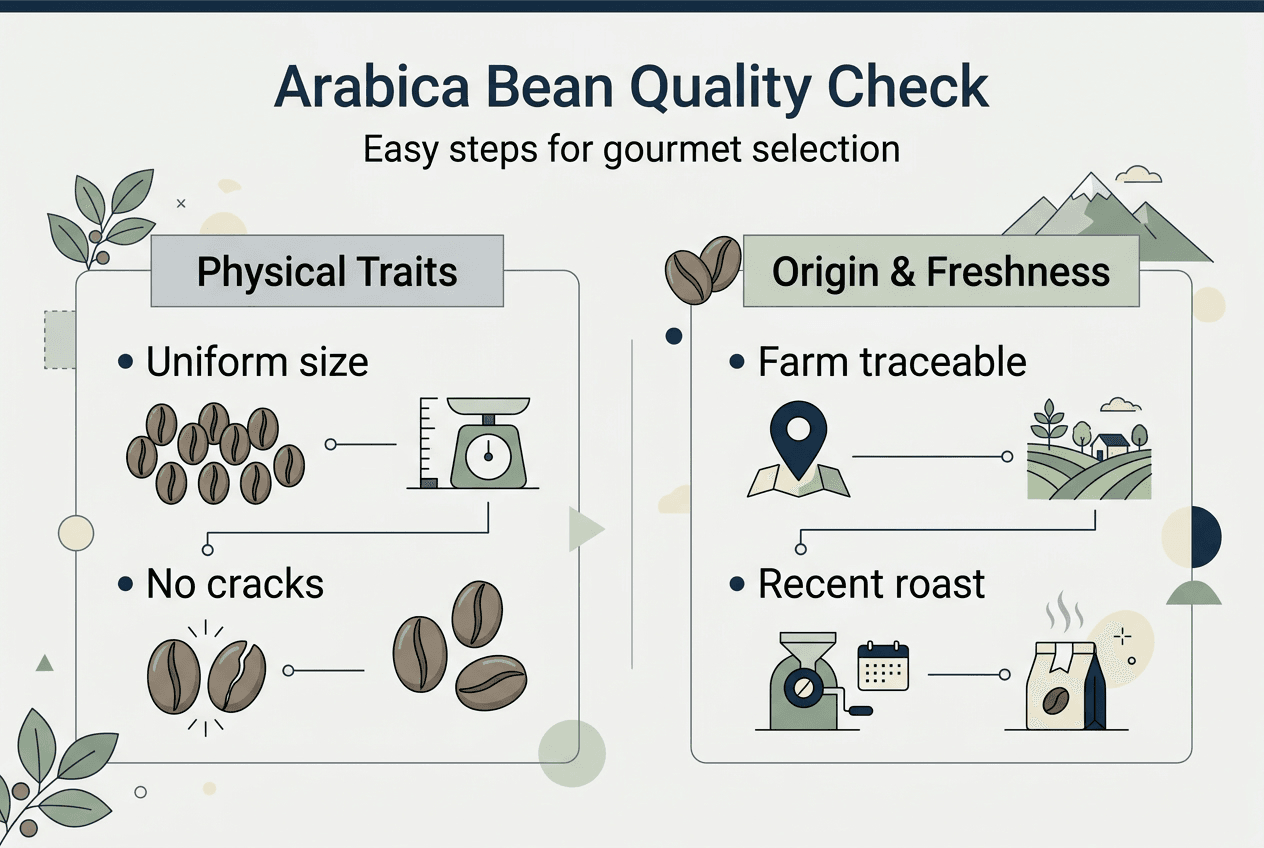
| Physical characteristics matter | Quality Arabica beans display uniform size, intact surfaces, a pronounced center crease, and glossy appearance from natural oils. |
| Origin shapes flavor | Growing region, altitude, climate, and soil create unique flavor profiles and quality levels through terroir. |
| Freshness is critical | Check roast dates within 2 to 3 weeks and look for strong, pleasant aromas and glossy bean surfaces. |
| Ethical sourcing ensures quality | Certifications like Fair Trade and Organic verify sustainable practices that often correlate with superior beans. |
| Systematic inspection works | Follow step-by-step evaluation of roast date, visual uniformity, aroma, origin details, and seller reputation. |
Understanding the characteristics of quality Arabica beans
Quality Arabica beans reveal themselves through distinct sensory and physical traits that separate exceptional coffee from mediocre offerings. Identifying quality Arabica beans involves assessing aroma, size, shape, and absence of defects. Fresh, premium beans emit a sweet, fruity, or floral aroma that immediately signals their potential. This inviting scent comes from the complex compounds developed during proper cultivation and processing.
The physical appearance provides immediate clues about bean quality. Look for medium-sized, oval-shaped beans with a pronounced crease running down the center, which distinguishes Arabica from Robusta varieties. Premium beans display remarkable uniformity in size and shape, ensuring even roasting and consistent flavor extraction. This uniformity reflects careful harvesting and sorting practices that remove inferior beans.
Visual inspection reveals quality through surface characteristics. Quality beans feature a glossy surface from natural oils that indicate freshness and proper storage. The color should be consistent across the batch, whether light, medium, or dark roast. Avoid beans showing visible defects that compromise flavor and brewing performance.
Common defects to watch for include:
- Cracks or splits in the bean surface
- Insect damage or tiny holes
- Discolorations or uneven coloring
- Mold or fungal growth
- Overly dry or brittle texture
Pro Tip: Gently squeeze a few beans between your fingers. Fresh, quality Arabica beans should feel slightly oily and firm, not brittle or excessively hard, which indicates staleness or poor storage conditions.
The absence of defects matters because even a small percentage of damaged beans can introduce off-flavors into your brew. Professional coffee graders use detailed classification systems, but home enthusiasts can apply these basic visual checks effectively. Understanding why choose Arabica beans for premium coffee starts with recognizing these fundamental quality markers that distinguish exceptional beans from commodity-grade offerings.
The importance of origin and ethical sourcing in Arabica quality
The geographical origin of Arabica beans fundamentally shapes their quality, flavor complexity, and overall character. Premium Arabica beans primarily come from specialized coffee-growing regions known for ideal altitude, climate, and soil conditions. The growing region and terroir significantly impact the quality and flavor profile of Arabica beans. Regions like Ethiopia, Colombia, Guatemala, and Costa Rica have earned reputations for producing exceptional beans through generations of cultivation expertise.
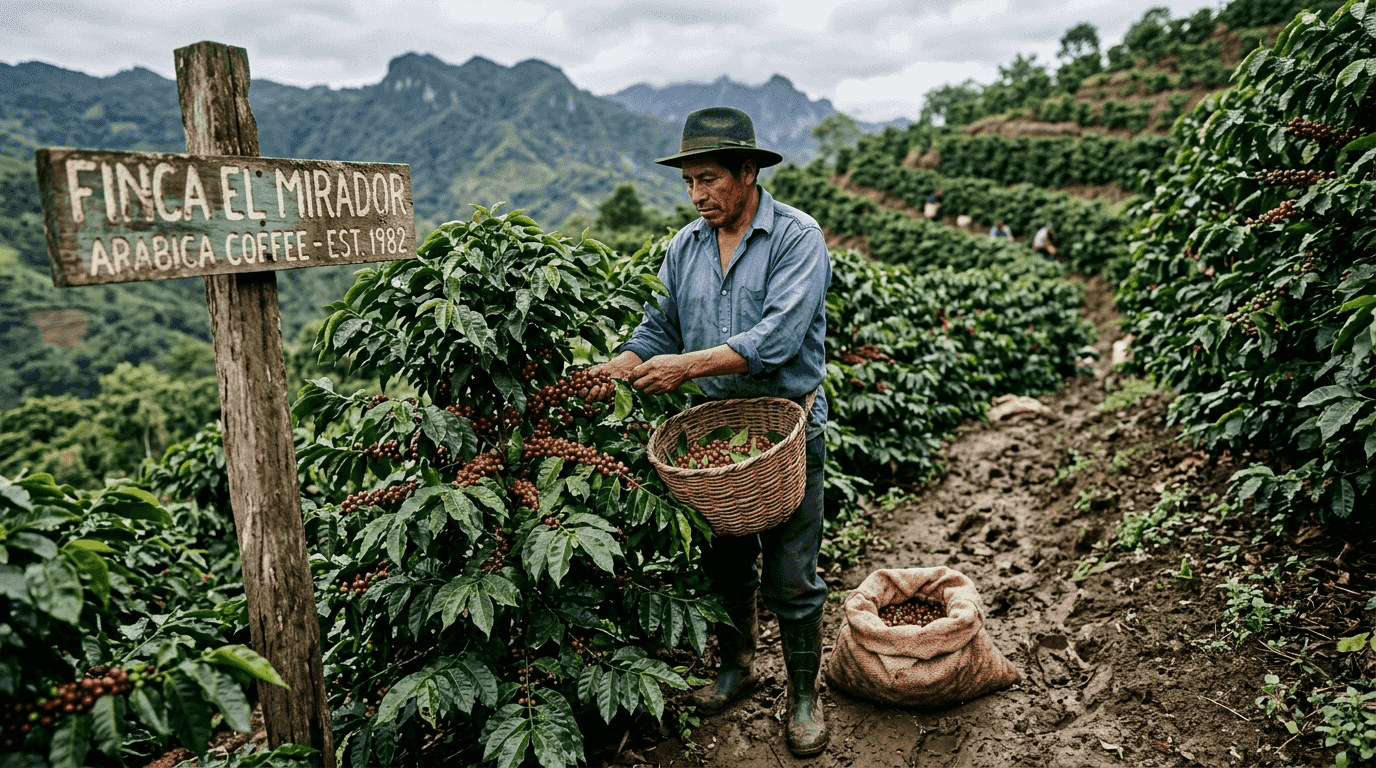
Terroir encompasses the complete environmental context where coffee grows. Altitude affects bean density and flavor development, with higher elevations typically producing more complex, nuanced profiles. Temperature variations between day and night slow cherry maturation, allowing sugars and acids to develop fully. Volcanic soil provides mineral-rich nutrition that translates into distinctive flavor notes. These factors combine to create the unique characteristics that make single-origin coffees so prized among enthusiasts.
Ethical sourcing practices directly correlate with bean quality and long-term sustainability. Farms committed to fair labor practices and environmental stewardship typically invest more in quality control, selective harvesting, and proper processing. This attention to detail produces superior beans while supporting farming communities. Certification labels provide transparency into these practices, helping consumers make informed choices.
Key certifications to recognize include:
- Fair Trade: Ensures fair wages and community investment
- Organic: Verifies chemical-free growing practices
- Rainforest Alliance: Confirms environmental and social standards
- Direct Trade: Indicates direct farmer relationships and premium pricing
“Supporting ethical sourcing creates a virtuous cycle where quality improvements benefit both coffee drinkers and farming communities, ensuring the future of specialty coffee.”
Understanding the role of Arabica beans in specialty coffee reveals how origin and ethics intertwine with quality. Farms practicing sustainable agriculture often produce beans with cleaner, more vibrant flavors because healthy soil and ecosystems support optimal plant health. Conversely, exploitative practices that prioritize volume over quality typically yield inferior beans with flat, inconsistent profiles.
When evaluating beans, research the specific region and farm when possible. Single-origin beans offer traceability that builds confidence in quality and sourcing practices. Blends can also deliver excellence when roasters transparently share their sourcing standards and component origins. The key is seeking sellers who prioritize these factors and communicate them clearly to customers.
Step-by-step guide to inspecting and selecting quality Arabica beans
Systemic evaluation transforms bean selection from guesswork into a reliable process that consistently delivers premium coffee. Systematic inspection steps help consumers confidently identify high-grade Arabica beans for gourmet coffee. Following this structured approach ensures you capture all critical quality indicators before purchasing.
-
Check the roast date first and foremost. Freshness determines flavor potential more than any other single factor. Ideally, purchase beans roasted within 2 to 3 weeks. Coffee reaches peak flavor 3 to 14 days after roasting, then gradually loses complexity. Avoid beans without clear roast dates, as this lack of transparency suggests questionable freshness.
-
Examine visual uniformity under good lighting. Spread beans on a white surface to assess consistency. Premium batches show remarkable uniformity in size, shape, and color. Look for that distinctive oval shape with a pronounced center crease. Check for the absence of defects like cracks, discolorations, or foreign matter. Even a few defective beans in a sample suggests poor quality control.
-
Smell the beans to evaluate aromatic qualities. Open the bag and inhale deeply. Quality Arabica releases strong, pleasant aromas ranging from fruity and floral to nutty and chocolatey, depending on origin and roast level. Stale beans smell flat, musty, or cardboard-like. This sensory check provides immediate feedback about freshness and potential flavor.
-
Verify origin and certification details on packaging or from the seller. Quality producers proudly display specific farm or regional information, altitude, processing method, and relevant certifications. This transparency indicates commitment to quality and ethical practices. Vague labeling like “premium blend” without specifics raises red flags.
-
Consider tasting samples when possible to directly assess flavor qualities. Many specialty roasters offer sample sizes or tasting events. Brewing a small batch reveals the true character that visual inspection can only suggest. Evaluate balance, complexity, body, and finish. Quality Arabica delivers clean, vibrant flavors without harsh bitterness or off-notes.
-
Purchase from reputable specialty coffee sellers with transparent sourcing. Research seller reputation through reviews, certifications, and their willingness to answer questions about their beans. Established specialty roasters invest in relationships with quality farms and maintain rigorous standards. Understanding how to select coffee beans for premium brew requires finding sellers who share your commitment to quality.
Pro Tip: Create a simple tasting journal to track beans you try, noting origin, roast date, flavor notes, and overall impression. This personal reference helps refine your palate and identify patterns in your preferences, making future selections easier and more satisfying.
| Inspection Factor | What to Look For | Red Flags |
|---|---|---|
| Roast Date | Within 2 to 3 weeks | No date listed, over 6 weeks old |
| Visual Appearance | Uniform size and color, glossy surface | Cracks, discoloration, dull surface |
| Aroma | Strong, pleasant, complex scents | Flat, musty, or stale smells |
| Origin Details | Specific region, farm, altitude | Vague labeling, no source information |
| Certifications | Fair Trade, Organic, Direct Trade | No certifications or transparency |
| Seller Reputation | Established specialty roaster, positive reviews | Generic retailer, poor transparency |
This systematic approach removes uncertainty from bean selection. Each step builds on the previous one, creating a comprehensive evaluation that captures quality from multiple angles. With practice, this process becomes intuitive, allowing you to quickly assess beans and make confident purchasing decisions that consistently deliver exceptional coffee experiences.
Common mistakes when identifying Arabica beans and how to avoid them
Even knowledgeable coffee enthusiasts fall into traps that compromise their bean selection and final cup quality. Many consumers mistake generic beans or poor roasting for low quality Arabica and overlook important factors like freshness and origin. Recognizing these pitfalls helps you sidestep them and make consistently better choices.
Relying solely on brand recognition without evaluating actual bean quality represents a common error. Well-known brands sometimes prioritize marketing over quality, while smaller specialty roasters may offer superior beans with less name recognition. Always apply the physical inspection and freshness checks regardless of brand. Reputation matters, but verify it through direct evaluation rather than assumptions.
Price alone fails as a reliable quality indicator. Some expensive beans justify their cost through exceptional quality and ethical sourcing, while others rely on marketing hype. Conversely, excellent beans from direct trade relationships or smaller roasters may cost less than inferior beans from premium-positioned brands. Evaluate the complete package of freshness, origin, processing, and seller transparency rather than using price as a shortcut.
Key mistakes to avoid include:
- Buying beans without clear roast dates or from bins with unknown freshness
- Ignoring storage conditions at the point of sale, such as exposure to light, heat, or air
- Confusing robust, intense flavor with quality when it may indicate over-roasting or defects
- Overlooking the importance of proper home storage after purchase
- Failing to research seller reputation and sourcing practices before buying
Purchasing stale beans represents perhaps the most common and damaging mistake. Coffee loses flavor complexity rapidly after roasting, yet many retailers sell beans weeks or months old. Without visible roast dates, you risk buying stale beans that deliver flat, lifeless cups regardless of their original quality. Demand transparency about roast dates and walk away from sellers who cannot provide this basic information.
Confusing strong, bitter flavors with quality leads enthusiasts astray. Over-roasted beans produce intense, harsh flavors that mask the nuanced characteristics of quality Arabica. Dark roasts have their place, but they should still deliver complexity and balance, not just bitterness. Understanding the advantages of Arabica beans for coffee lovers means recognizing that quality shines through at any roast level when beans are properly sourced and roasted.
Neglecting to research seller reputation before purchasing invites disappointment. The specialty coffee industry includes passionate artisans committed to quality alongside opportunistic sellers marketing mediocre beans as premium. Check reviews, certifications, and the seller’s willingness to share detailed sourcing information. Reputable sellers welcome questions and provide transparent answers about their beans, processing methods, and farming partnerships.
Finally, improper home storage undermines even the best bean selection. Store beans in airtight containers away from light, heat, and moisture. Avoid refrigeration or freezing, which introduces moisture and odors. Buy quantities you’ll consume within 2 to 3 weeks to maintain peak freshness. The care you take selecting quality beans deserves equal attention to preservation, ensuring every cup reflects their full potential.
Explore specialty Arabica beans at House Coffee
Now that you understand how to identify quality Arabica beans, discovering reliable sources for premium offerings becomes your next step. House Coffee curates an exceptional specialty Arabica coffee collection featuring ethically sourced beans from renowned growing regions worldwide. Each selection undergoes rigorous quality evaluation to ensure it meets the standards this guide teaches you to recognize and appreciate.
Whether you prefer one kilo coffee beans for drip or filtered brewing or want to explore the exclusive gold collection premium coffee beans, House Coffee provides transparency about origin, processing, and roast dates. The collections feature single-origin offerings that showcase distinct regional characteristics alongside thoughtfully crafted blends. Each product listing includes detailed information about the beans’ journey from farm to cup, supporting your informed decision-making. Ordering from House Coffee means receiving freshly roasted beans that arrive ready to deliver the exceptional flavors and aromas you’ve learned to identify and expect from quality Arabica coffee.
FAQ
How can you tell if Arabica beans are fresh?
Fresh Arabica beans display a strong, sweet aroma with fruity or floral notes that immediately signal their quality. The surface should appear glossy from natural oils, not dull or dry. Check for a roast date within 2 to 3 weeks, as coffee reaches peak flavor during this window before gradually losing complexity and vibrancy.
Why does the origin of Arabica beans matter?
Different growing regions impart unique flavor profiles through terroir, the combination of altitude, climate, soil, and cultivation practices specific to each area. Ethiopian beans often deliver bright, fruity notes, while Colombian beans tend toward balanced, nutty characteristics. Understanding the role of Arabica beans reveals how origin shapes both quality and the distinctive flavors that make specialty coffee so rewarding to explore.
What physical defects should you avoid in Arabica beans?
Avoid beans showing cracks, splits, or breaks in the surface, as these introduce bitter, unpleasant flavors during brewing. Discolorations, insect damage visible as tiny holes, and any signs of mold or fungal growth indicate poor quality control. Uneven sizing within a batch suggests inadequate sorting and will cause inconsistent roasting, compromising your final cup’s flavor balance and clarity.
How does ethical sourcing affect Arabica bean quality?
Ethical sourcing practices encourage sustainable farming methods and fair labor conditions that allow farmers to invest in quality improvements rather than cutting corners for survival. Farms following these principles typically practice selective harvesting, careful processing, and rigorous quality control. Certifications like Fair Trade and Organic verify these commitments, helping you identify beans where ethical practices and superior quality align. The role of Arabica beans in sustainability demonstrates how supporting ethical sourcing creates better outcomes for everyone in the coffee supply chain.
Recommended
-
Posted in
en, how to identify quality arabica beans