Organic Coffee Explained: Purity, Process, and Impact
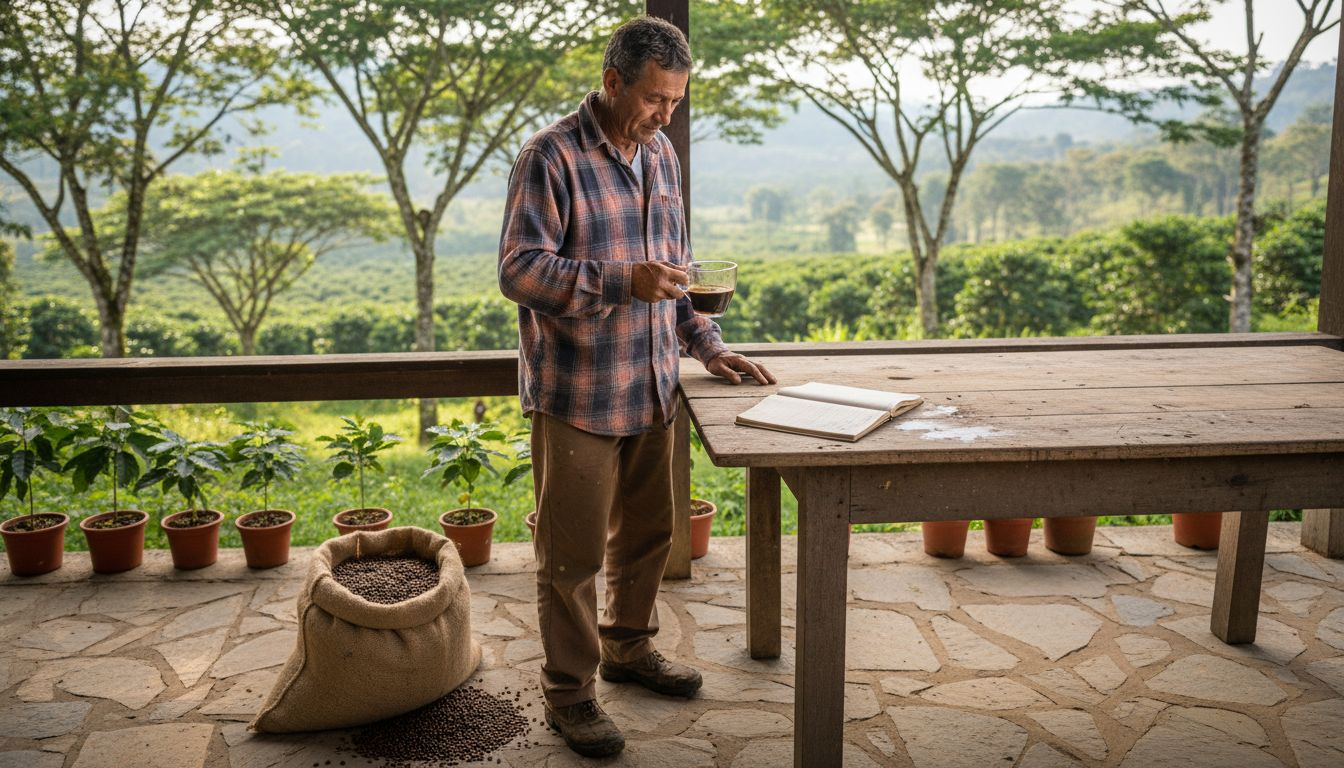
Every eco-conscious coffee lover knows the journey from bean to cup matters as much as the brew itself. Choosing beans with the USDA organic certification means supporting farmers who use sustainable methods, ban synthetic chemicals, and nurture the land for long-term health. Discover how organic certification shapes coffee from soil to sip, giving you confidence in your ethical choices while elevating your home brewing experience.
Table of Contents
- What Makes Coffee Organic Certified
- Organic Versus Conventional Coffee Growing
- Key Benefits of Organic Coffee Production
- How Organic Certification Impacts Quality
- Choosing and Brewing Organic Coffee at Home
Key Takeaways
| Point | Details |
|---|---|
| Organic Certification Requirements | Coffee must be grown on chemical-free land for at least three years and follow strict sustainable practices to achieve organic certification. |
| Differences Between Organic and Conventional Farming | Organic farming emphasizes ecosystem health and biodiversity, while conventional methods often rely on synthetic chemicals, risking soil and environmental health. |
| Benefits of Organic Coffee Production | Organic coffee promotes natural habitats, supports biodiversity, and improves soil health while reducing chemical contamination and enhancing resilience. |
| Impact on Coffee Quality | Organic certification contributes to enhanced soil health and can lead to more complex flavor profiles and consistent quality in coffee production. |
What Makes Coffee Organic Certified
Organic coffee represents more than just a label - it’s a comprehensive agricultural approach prioritizing ecological balance and chemical-free production. USDA organic certification establishes rigorous standards that transform coffee production from a simple farming activity into a holistic environmental practice.
To qualify as organic certified, coffee must meet several stringent requirements:
- Grown on land free from synthetic chemicals for a minimum of three years
- Exclusively use 100% organic fertilizers
- Implement sustainable crop rotation techniques
- Prevent soil erosion through responsible agricultural practices
- Avoid all synthetic pesticides and herbicides
- Maintain comprehensive documentation of farming methods
The certification process involves meticulous third-party inspections that verify every stage of coffee production. These independent auditors carefully examine farming practices, ensuring complete adherence to organic standards. While certification does not guarantee absolute chemical absence, it provides consumers assurance that their coffee has been produced using environmentally responsible methods.
Understanding organic certification requires recognizing its comprehensive nature. It’s not merely about eliminating chemicals but creating a sustainable agricultural ecosystem that supports soil health, biodiversity, and responsible farming practices. Coffee farmers must demonstrate commitment to ecological principles, transforming their agricultural approach from extractive to regenerative.
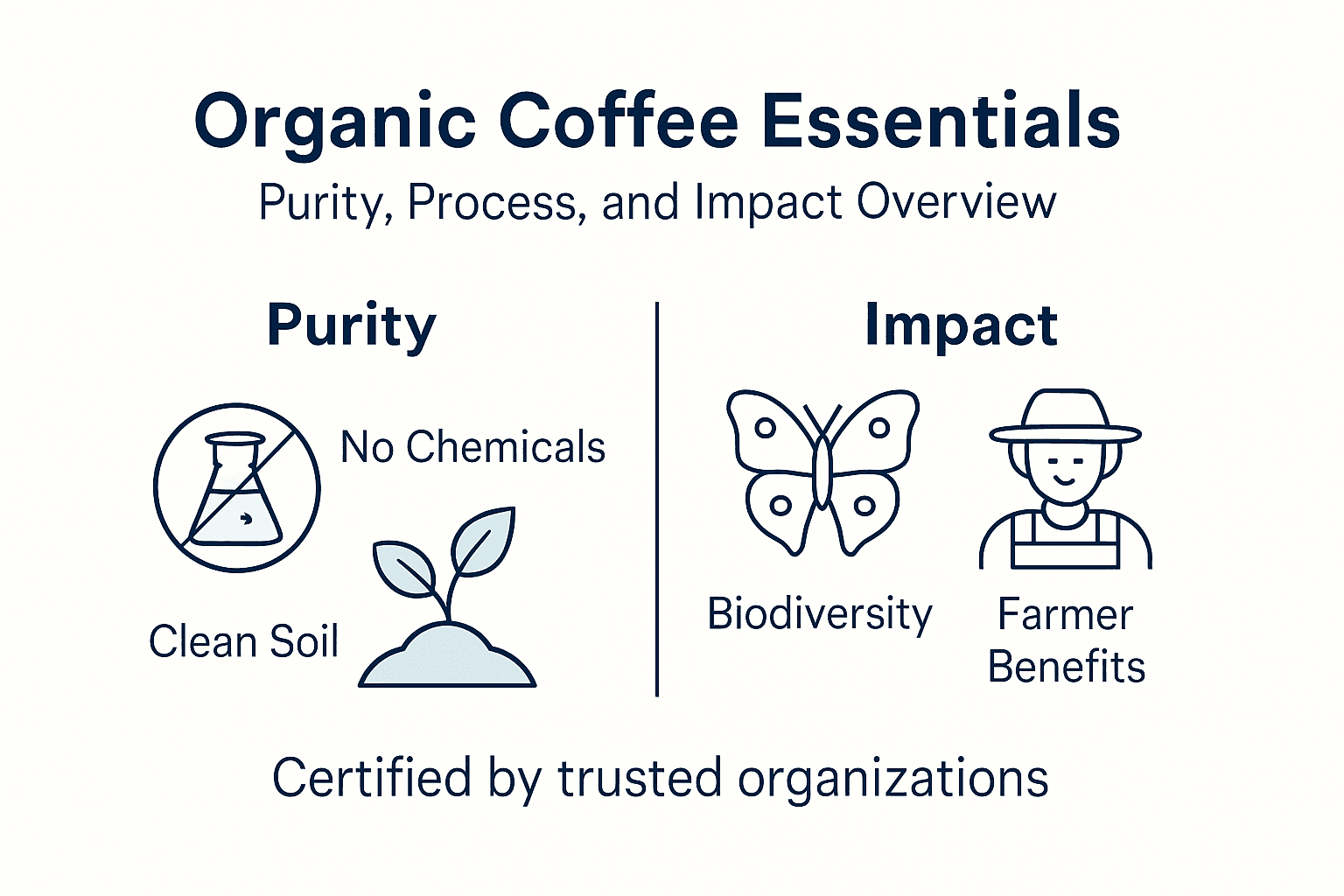
Pro tip: When selecting organic coffee, look for transparent sourcing information and certifications from reputable organizations to ensure genuine organic commitment.
Organic Versus Conventional Coffee Growing
The distinction between organic and conventional coffee growing represents a fundamental difference in agricultural philosophy and environmental impact. Regenerative farming practices are at the heart of organic coffee production, creating a holistic approach that goes far beyond simple crop production.
Conventional coffee growing typically involves several problematic practices:
- Reliance on synthetic chemical fertilizers
- Monoculture farming techniques
- Extensive use of pesticides and herbicides
- Limited crop diversity
- Reduced soil health and biodiversity
- Higher environmental contamination risks
In contrast, organic coffee farming emphasizes natural ecosystem management. Organic farmers prioritize shade-grown cultivation, which creates complex microclimates that support biodiversity and protect coffee plants. They use organic manures, implement crop rotation, and focus on building soil health through sustainable practices that work in harmony with natural ecological systems.
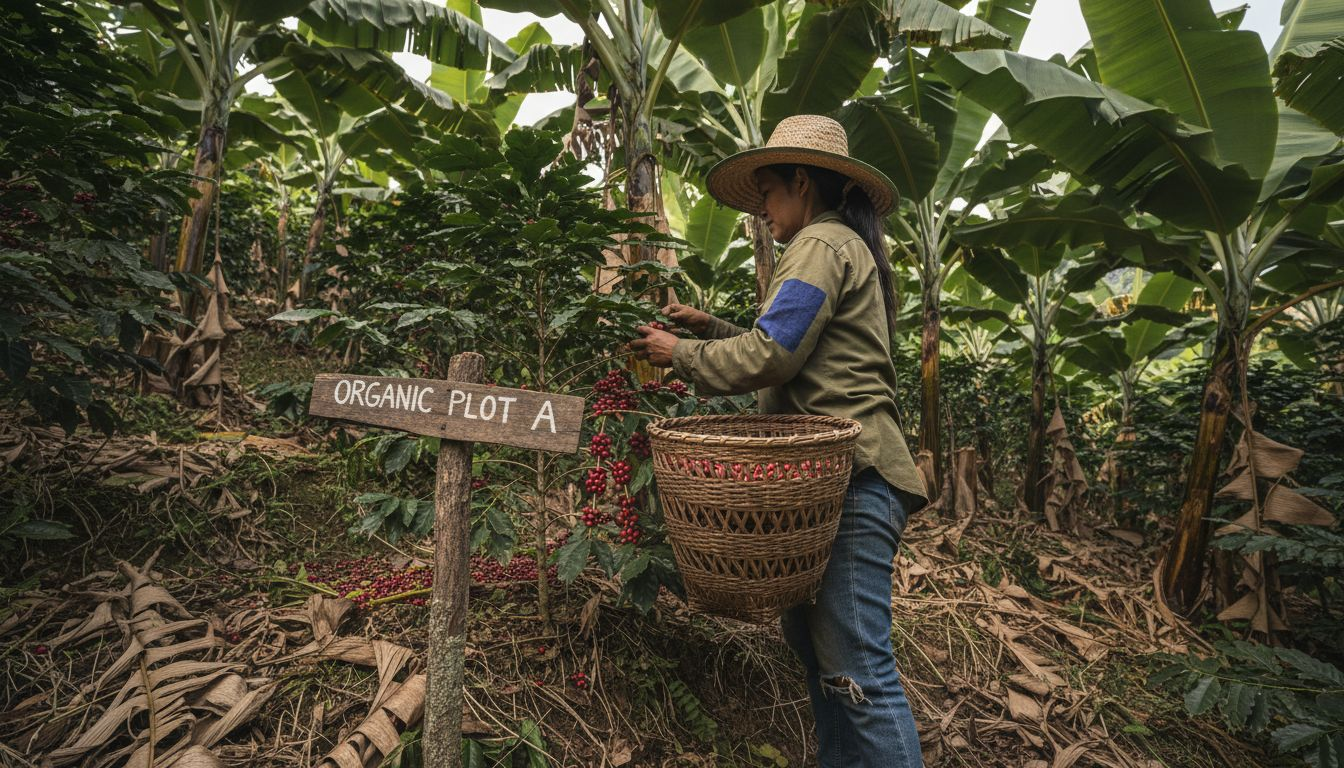
The economic and environmental implications of these different approaches are significant. While conventional methods might produce higher short-term yields, organic practices offer long-term sustainability. These methods support local ecosystems, reduce chemical runoff, and create more resilient agricultural landscapes that can withstand changing environmental conditions.
Here’s how organic and conventional coffee farming differ across key factors:
| Factor | Organic Coffee Farming | Conventional Coffee Farming |
|---|---|---|
| Soil Health | Builds long-term fertility | Degrades soil over time |
| Pest Control | Uses natural predators | Relies on chemical pesticides |
| Biodiversity | Promotes diverse species | Limits diversity with monoculture |
| Environmental Risk | Minimizes pollution and runoff | Increases pollution risk |
| Farmer Involvement | Requires active monitoring | Often depends on chemicals |
| Long-Term Yield | Focuses on sustainability | Prioritizes short-term output |
Pro tip: When purchasing coffee, look beyond the price tag and consider the broader environmental and social impact of organic versus conventional growing methods.
Key Benefits of Organic Coffee Production
Organic coffee production offers a comprehensive approach to agriculture that extends far beyond simply growing coffee beans. Ecological benefits of sustainable farming create a holistic system that supports environmental health, biodiversity, and long-term agricultural sustainability.
The key benefits of organic coffee production include:
- Protection of natural habitats
- Enhanced biodiversity support
- Improved soil health and moisture retention
- Natural pest control mechanisms
- Reduced chemical contamination
- Support for migratory bird populations
- Carbon sequestration opportunities
- Increased farm ecosystem resilience
Shade-grown organic coffee farms create complex ecological environments that provide multiple layers of environmental benefits. These farms act as critical habitats for diverse species, particularly migratory birds, while simultaneously maintaining robust agricultural production. The intricate ecosystem supports natural pollination, pest control, and soil regeneration without relying on synthetic chemicals.
Beyond environmental advantages, organic coffee production offers significant economic opportunities for farmers. Innovative approaches like Integrated Open Canopy farming enable producers to generate additional income through carbon credits while preserving native forests and maintaining high-quality coffee production. This approach demonstrates that sustainable agriculture can simultaneously support environmental conservation and farmer economic stability.
Pro tip: When selecting organic coffee, prioritize brands that provide transparent information about their ecological farming practices and direct support for local farming communities.
How Organic Certification Impacts Quality
Organic certification transcends a simple label, representing a comprehensive quality assurance system that profoundly influences coffee production. Third-party verification processes ensure rigorous standards are met throughout the entire coffee production cycle, directly impacting flavor, sustainability, and consumer experience.
The key quality impacts of organic certification include:
- Enhanced soil health and nutrient profile
- Reduced chemical residue in final product
- More complex and nuanced flavor profiles
- Improved agricultural ecosystem sustainability
- Higher environmental and social responsibility standards
- Greater transparency in production methods
- Consistent quality control mechanisms
- Stronger connection between farmers and end consumers
Certification involves meticulous monitoring of farming practices, from soil management to harvesting techniques. Organic coffee farms must demonstrate commitment to environmentally friendly methods, which often translates into more carefully cultivated and thoughtfully processed coffee beans. This attention to detail naturally contributes to superior taste and more distinctive regional characteristics.
Beyond taste, organic certification represents a holistic approach to coffee production that considers environmental impact, worker welfare, and long-term agricultural sustainability. The stringent requirements ensure that each bean is produced with careful consideration of ecological balance and human health, creating a product that offers more than just a morning beverage.
Pro tip: Request detailed origin information when purchasing organic coffee to understand the specific farming practices and ecological context behind your beans.
Choosing and Brewing Organic Coffee at Home
Brewing organic coffee at home transforms the morning ritual into a nuanced culinary experience that celebrates sustainability and flavor. Exploring popular brewing methods allows coffee enthusiasts to unlock the unique characteristics of organic beans through thoughtful preparation techniques.
Key considerations for selecting and brewing organic coffee include:
- Purchase freshly roasted whole bean organic coffee
- Use clean, filtered water at optimal temperature (195-205°F)
- Invest in a quality burr grinder for consistent grind size
- Match grind size to brewing method
- Store beans in airtight, opaque containers
- Avoid grinding beans until immediately before brewing
- Experiment with different brewing techniques
- Use precise measurement for consistent results
Brewing methods vary widely, each extracting different flavor profiles from organic coffee beans. Pour-over techniques offer maximum control and highlight subtle flavor nuances, while French press brewing provides a robust, full-bodied experience. Espresso methods concentrate the bean’s complex characteristics, creating an intense flavor representation of the organic coffee’s origin.
Successful home brewing requires understanding how variables like water quality, grind size, and brewing temperature interact with your organic coffee beans. Each brewing method demands specific techniques to maximize flavor extraction, transforming a simple beverage into a carefully crafted sensory experience that respects the coffee’s organic origins.
Consider how popular brewing methods impact organic coffee flavor:
| Brewing Method | Flavor Profile | Best For |
|---|---|---|
| Pour-over | Clean, nuanced notes | Highlighting subtle flavors |
| French Press | Rich, full-bodied | Robust and bold beans |
| Espresso | Intense, concentrated | Showcasing complex origins |
| Cold Brew | Smooth, low-acidity | Mellow, gentle sweetness |
Pro tip: Invest in a digital kitchen scale to precisely measure coffee and water ratios, ensuring consistent brewing quality every time.
Experience the True Essence of Organic Coffee Today
If you are seeking purity in every cup and want to support coffee grown with care for the environment and sustainable practices then exploring our Limited Edition – House Coffee collection is a perfect start. These coffees showcase unique origins and embody the organic principles described in the article such as chemical-free farming and biodiversity preservation. Each batch is crafted to deliver not only exceptional flavor but also the ecological and social benefits of organic certification.

Discover how embracing organic coffee can transform your daily routine by choosing from our exclusive offerings. Take the next step by visiting House Coffee to explore our selections or consider our flexible Subscriptions – House Coffee for regular deliveries that keep you connected to ethically sourced coffee. Act now to enjoy freshly roasted, responsibly grown coffee that honors quality and sustainability.
Frequently Asked Questions
What does it mean for coffee to be organic certified?
Organic coffee must be grown on land free from synthetic chemicals for at least three years, use 100% organic fertilizers, prevent soil erosion, and avoid synthetic pesticides and herbicides. The certification process also includes rigorous third-party inspections.
How does organic coffee farming differ from conventional coffee farming?
Organic coffee farming emphasizes sustainable practices, such as crop rotation and shade-grown cultivation, which promote biodiversity and soil health. In contrast, conventional coffee farming often relies on synthetic fertilizers and pesticides, monoculture techniques, and can lead to soil degradation.
What are the environmental benefits of organic coffee production?
Organic coffee production protects natural habitats, enhances biodiversity, improves soil health, reduces chemical contamination, and supports ecosystems. It also creates resilient agricultural landscapes that are less susceptible to environmental changes.
How can I brew organic coffee at home for the best taste?
To brew organic coffee at home, purchase freshly roasted whole beans, use clean, filtered water at the right temperature (195-205°F), grind the beans just before brewing for optimal freshness, and experiment with various brewing methods like pour-over or French press to enhance flavor.
Recommended
- Ethical Coffee Sourcing: Ensuring Impactful Choices – House Coffee
- Why Choose Single Origin Coffee: Pure Flavor, Ethical Impact – House Coffee
- Why Choose Arabica Beans for Premium Coffee – House Coffee
- How to Identify Single Origin Beans for Premium Coffee – House Coffee
- Marchi di Qualità DOP DOC DOCG STG| Studio Legale Coviello | Italia
-
Posted in
en, organic coffee explained