Why Freshly Roasted Coffee Matters for Taste

Stepping into a specialty coffee shop in North America, you’re met with rows of bags stamped with fresh roast dates, tempting you to chase that just-roasted flavor. For coffee lovers who value vibrant sensory experiences and ethical sourcing, the promise of freshly roasted beans often signals uncompromising quality. Yet recent research shows that coffee matures and develops even after roasting, so true freshness is more nuanced than we think. Discover how understanding this balance helps you enjoy better coffee while making mindful choices for the planet.
Table of Contents
- Defining Freshly Roasted Coffee and Its Appeal
- How Roasting Transforms Coffee Flavor and Aroma
- Types of Roasts and Freshness Explained
- Health Benefits Linked to Coffee Freshness
- Comparing Fresh to Store-Bought Coffee
- Sustainable Sourcing and Ethical Impact
Key Takeaways
| Point | Details |
|---|---|
| Understanding Freshness | Freshly roasted coffee benefits from a maturation process that enhances flavor, ideally brewed between 3 to 21 days post-roast. |
| Roasting Impact | The roasting process chemically transforms beans, affecting flavor, aroma, and health benefits, with light roasts preserving more antioxidants. |
| Specialty vs. Store-Bought | Fresh specialty coffee is significantly different from store-bought options, with unique flavors and active compounds due to careful sourcing and shorter supply chains. |
| Ethical Sourcing | Purchasing from specialty roasters supports sustainable practices and fair compensation, linking quality coffee to ethical production methods. |
Defining Freshly Roasted Coffee and Its Appeal
When you hear “freshly roasted,” your mind probably jumps to coffee that just came out of the roaster hours ago. This assumption makes sense on the surface. For decades, the specialty coffee industry has marketed immediacy as the ultimate mark of quality, and consumers have embraced this belief wholeheartedly. Walk into any serious coffee shop in North America, and you’ll see bags stamped with roast dates, messaging that treats coffee like milk: use it quickly or lose it. But the reality is more interesting—and frankly, more forgiving—than the marketing suggests.
Recent research reveals that coffee undergoes a maturation process after roasting, similar to how wine develops in a bottle or cheese ages on a shelf. During the first 24 to 72 hours after roasting, the beans release trapped gases and their flavor compounds continue to evolve. This means that coffee roasted yesterday afternoon might actually taste better than coffee roasted this morning. The idea that fresh always means fastest contradicts what actually happens inside the bean. Fresh coffee benefits from post-roast development, which means waiting a few days before brewing can enhance complexity and balance. This doesn’t mean stale coffee is good—it means there’s a sweet spot where freshness and maturation overlap, typically between 3 to 21 days after roasting, depending on your brewing method.
So what does “freshly roasted” actually mean for your taste buds? It means the beans retain their volatile aromatics and haven’t yet begun oxidizing noticeably. It means you’re getting coffee from a roaster who cares about maintaining control over quality after the roast completes. It means the supply chain between roaster and your kitchen is short enough that you receive beans at their sensory peak, not months old and stale. For specialty coffee enthusiasts like you, freshly roasted coffee from an ethical producer represents intentionality. You’re buying from someone who roasts in smaller batches, tracks their inventory carefully, and ships their beans while they still have something worth experiencing.
Understanding this nuance changes how you shop and brew. When you choose ethically sourced, freshly roasted beans, you’re not just chasing marketing hype. You’re supporting coffee growers who’ve invested months nurturing these plants, and you’re working with roasters who understand that quality extends far beyond the roasting drum. The appeal isn’t about speed. It’s about timing.
Pro tip: Check the roast date on your bag and brew between day 3 and day 14 after roasting for optimal flavor balance, giving the beans time to degas while capturing their vibrant characteristics.
How Roasting Transforms Coffee Flavor and Aroma
Roasting is where coffee transforms from a green, grassy seed into something worth drinking. Before roasting, those beans you’re holding are actually pale, dense, and they taste like grass clippings mixed with cereal. The magic happens when heat enters the equation. During roasting, volatile organic compounds form including furans, pyrazines, aldehydes, and ketones, all of which create the complex aromas you’re smelling when you open a bag of freshly roasted coffee. Think of roasting as a chemical symphony where hundreds of reactions occur simultaneously, each one contributing different notes to your final cup. The roaster controls temperature, airflow, and time to guide these reactions toward desirable flavors and away from burnt or bitter ones.
What makes roasting so critical is that it fundamentally rewrites the bean’s chemistry. Green coffee beans contain chlorogenic acids that taste astringent and unpleasant on their own. As roasting progresses, these acids break down and new bioactive compounds develop, which give coffee its characteristic sweetness, body, and those specific flavor notes you’re chasing. A light roast pulls the beans out quickly, preserving origin flavors and origin-specific characteristics from where the coffee was grown. A medium roast pushes further, developing more sweetness and body while maintaining some origin character. A dark roast goes even further, emphasizing roasting flavors over origin flavors and creating that bold, full-bodied cup some people crave. The timing matters intensely. Pull the beans out one minute too early and you’re drinking underdeveloped coffee. Push one minute too far and you’ve crossed into burnt territory. This precision is why specialty coffee roasters are obsessive about their craft, testing and retesting their recipes to find that exact window where balance happens.

Here’s something that separates excellent roasters from mediocre ones: they understand that roasting is about balance, not extremes. They’re not trying to roast every bean the same way. They consider the bean’s origin, density, moisture content, and the altitude where it was grown. Beans from different regions respond differently to heat. A dense Ethiopian coffee roasts differently than a lighter-density Brazilian coffee. Skilled roasters adjust their approach for each lot, and that’s why you notice the difference between coffee roasted with care and coffee roasted by someone just going through the motions. When you buy from roasters who take this seriously, you’re getting beans that hit that sweet spot where aroma compounds are fully developed, flavor complexity is maximized, and defects are minimized.
This is also why buying from roasters who understand their source material matters. When you know where your beans come from, you can understand why a roaster made certain choices. A single-origin Ethiopian natural process coffee might be roasted lighter to showcase the fruity notes that came from how it was dried. A washed Central American coffee might be roasted slightly darker to bring out chocolate and nut notes. The roasting decisions aren’t random. They’re intentional responses to what’s in the bean, and that intentionality is what separates specialty coffee from commodity coffee. You can actually taste the difference between beans roasted with knowledge and care versus beans roasted without thinking.
Pro tip: Smell your coffee beans right after opening the bag and again after a few days, then brew a cup from day 3 and another from day 14 to experience how aroma compounds continue developing and affecting flavor even after roasting completes.
Types of Roasts and Freshness Explained
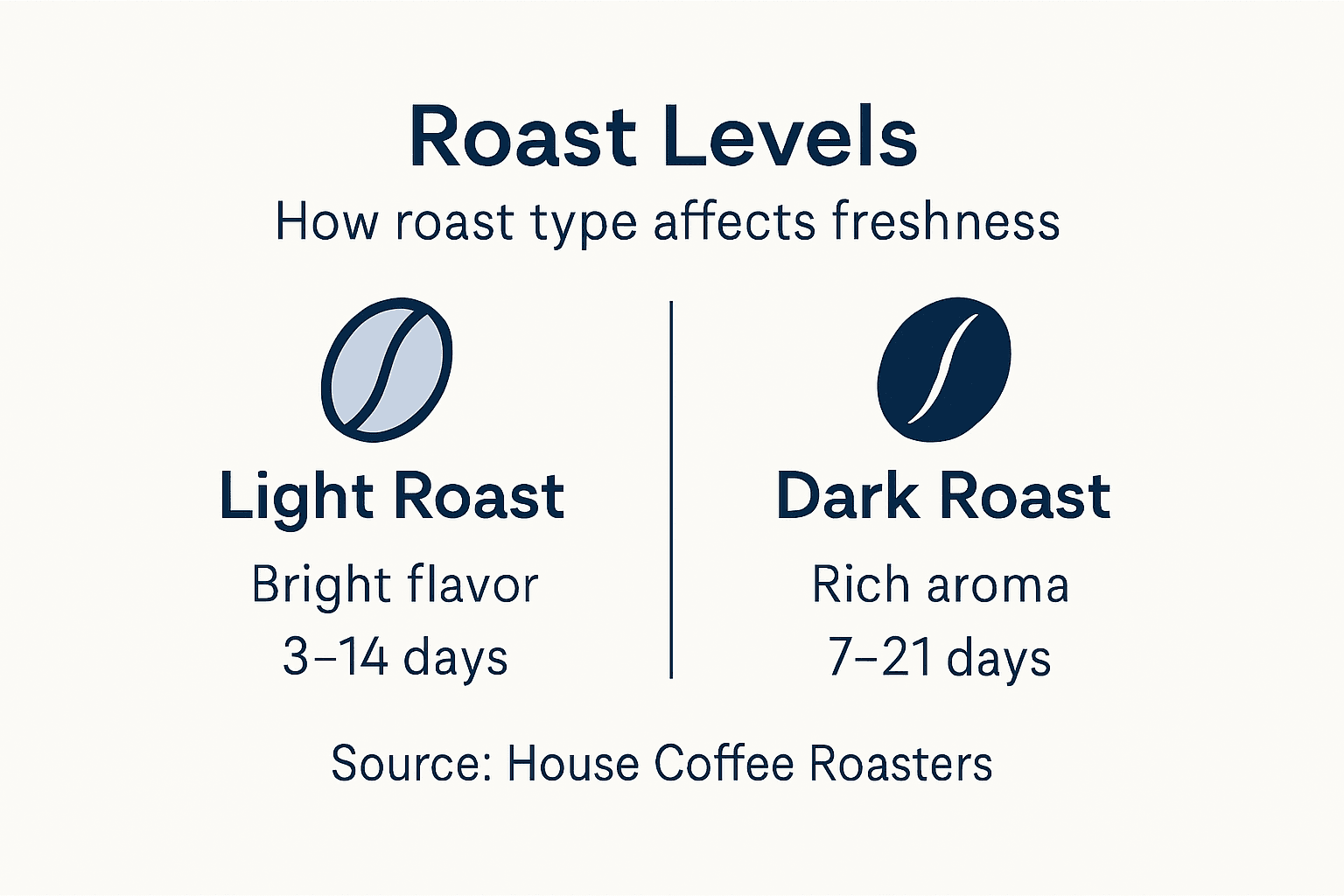
Not all fresh coffee tastes the same, and that’s because roast level dramatically changes what you’re tasting. A light roast pulled from the roaster at the first crack sounds and tastes completely different from a dark roast that’s been cooking for several more minutes. Light roasts are brighter, more acidic, and showcase the origin character of the beans. You’ll taste the terroir, the geography, the processing method. Medium roasts split the difference, bringing forward some roasting flavors while still letting origin shine through. Dark roasts emphasize the roasting process itself, creating bold, full-bodied cups with lower acidity and deeper, almost smoky or chocolatey notes. The freshness of these roasts matters differently depending on which level you prefer. A fresh light roast tastes vibrant and alive within days of roasting. A fresh dark roast needs a few days to degas before it reaches its best expression. This is why you can’t use the same freshness timeline for every coffee you buy.
Here’s where chemistry and freshness intersect: light roasts preserve more antioxidants while dark roasts develop more intense flavor compounds as antioxidant levels decrease. This isn’t a quality judgment. It’s just chemistry. Both have merit depending on what you want from your cup. If you’re chasing maximum antioxidant content and origin-forward flavors, light roasts at peak freshness are your target. If you want bold, comforting, full-bodied coffee, dark roasts at three to five days post-roast might be ideal. The key insight is that freshness perception changes based on roast level, and understanding this helps you buy and brew with intention. A light roast starts declining in freshness around day 14. A dark roast maintains its quality window a bit longer because the roasting process itself created more stable compounds. Neither lasts forever, but the timeline shifts based on roast degree.
This matters enormously when you’re shopping for specialty coffee. Understand what you actually want, then look for beans roasted at that level and stored properly since roasting. If you love bright, fruity, tea-like coffee, you’re seeking light to light-medium roasts at their absolute peak freshness. If you prefer chocolate, nuts, and body, medium to dark roasts give you more flexibility within the freshness window. The roaster’s reputation matters here too. A roaster who understands their beans sources good greens, profiles their roasts carefully, and ships quickly to you knows that freshness depends on getting you the right roast level at the right moment. They’re not roasting everything dark because it masks problems or everything light because it looks impressive. They’re matching roast level to bean characteristics and your preferences.
One more thing that changes the freshness game: storage. Once beans are roasted, they’re exposed to oxygen, light, and temperature changes. These degrade flavor compounds and antioxidants over time. Freshly roasted coffee stored in a sealed bag with one-way valve stays fresher longer than coffee sitting open in a clear container on your counter. The roast level affects this too. Light roasts oxidize faster than dark roasts because there’s less thermal degradation already happened during roasting. This is why buying freshly roasted beans from a roaster who packages carefully and ships quickly is so much better than buying coffee that’s been sitting on a shelf somewhere. You’re not just getting fresh coffee. You’re getting coffee at the exact roast level you want, packaged to preserve it, and delivered before significant flavor degradation occurs.
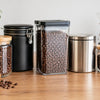
Pro tip: Keep your unopened coffee bag in a cool, dark cabinet away from heat sources, and once opened, transfer unused beans to an airtight container with as little headspace as possible to maintain freshness longer than the date you first cracked the bag open.
Here’s how light, medium, and dark roasts compare in terms of flavor, freshness, and health effects:
| Roast Level | Flavor Characteristics | Freshness Window | Antioxidant Content |
|---|---|---|---|
| Light | Bright, origin-forward, acidic | 3-14 days after roast | Highest among all roasts |
| Medium | Balanced, sweet, nuanced | 5-18 days after roast | Lower than light, moderate |
| Dark | Bold, rich, smoky, low acidity | 7-21 days after roast | Lowest, but most stable |
Health Benefits Linked to Coffee Freshness
If you’re drinking coffee for more than just the taste, freshness matters to your body as much as it matters to your palate. Coffee contains bioactive compounds like chlorogenic acid, polyphenols, and various antioxidants that provide measurable health benefits. But here’s the catch: these compounds degrade over time. A bag of coffee sitting on a shelf for six months contains significantly fewer active compounds than a bag roasted two weeks ago. When you prioritize freshly roasted coffee, you’re not being precious about flavor alone. You’re actually maximizing the health potential of what you’re drinking. The antioxidants that make coffee worth consuming from a wellness perspective are volatile. They break down when exposed to oxygen, light, and heat. Fresh coffee preserves these compounds at their peak potency.
The science is straightforward. Optimized roasting conditions maximize antioxidants and other bioactive compounds that provide coffee’s documented health benefits. When a roaster carefully controls temperature and timing, they’re not just creating flavor. They’re preserving the chemical compounds that research links to reduced inflammation, improved cognitive function, and better cardiovascular health. Light roasts preserve the most antioxidants because they spend less time at high temperatures. This means lighter roasts contain higher antioxidant levels compared to darker roasts, making them the better choice if health benefits are your primary concern. But those antioxidants only remain active within a specific window after roasting. Drink that light roast within two weeks and you get the full benefit. Drink it at three months old and you’ve lost a significant portion of what made it worth consuming for your health.
This is why buying from roasters who understand their supply chain matters beyond ethics and flavor. A roaster who sources directly from growers, roasts in smaller batches, and ships quickly is giving you coffee that still contains its bioactive compounds. They’re not warehousing coffee for months and then selling it to you. They’re roasting to order or near-order, meaning you receive beans at their biochemical peak. The difference between fresh specialty coffee and commodity coffee sitting in a warehouse is massive from a health perspective. You’re consuming fundamentally different chemistry. One has active antioxidants actively working in your body. The other has compounds that have oxidized and degraded into inactive forms. Your body doesn’t benefit from inactive antioxidants.
There’s also a practical consideration here: freshness affects how well your body absorbs these compounds. Coffee that’s been sitting around develops rancid oils and off-flavors that can actually irritate your digestive system. Fresh coffee is cleaner, easier on your stomach, and the compounds are in forms your body can actually process effectively. If you’ve ever noticed that drinking old coffee gives you acid reflux or stomach discomfort while fresh coffee doesn’t, you’re experiencing this difference firsthand. The fresher the roast, the more stable the oils, and the gentler the cup on your system. When you’re choosing between buying the cheapest coffee available and buying freshly roasted specialty coffee, you’re also choosing between consuming degraded compounds that may irritate you versus active compounds that your body can actually use. That’s a significant difference in what you’re actually getting from your morning cup.
Pro tip: Buy freshly roasted coffee in smaller quantities more frequently rather than stockpiling, and store unopened bags in a cool, dark place to preserve antioxidant content until you brew them within two to three weeks of roasting for maximum health benefits.
Comparing Fresh to Store-Bought Coffee
Walk past the coffee aisle at any grocery store and you’ll see bags promising freshness. Roast dates printed right there on the package. But here’s the uncomfortable truth: that roast date might be three months old. The coffee has been sitting in a warehouse, then transported, then shelved under fluorescent lights. That’s not fresh. It’s just labeled as if it were. Fresh coffee from a specialty roaster arrives at your door days after roasting, stored in a sealed bag with a one-way valve to protect it from oxygen. Store-bought coffee, even the premium brands sitting in specialty grocery stores, has usually been roasted weeks or months before you buy it. The difference between these two experiences is massive, but not always in the way you might expect.
Sensory studies comparing fresh and aged coffee reveal something interesting. Consumers can clearly distinguish between fresh and store-bought coffee, noticing real differences in flavor and aroma. Fresh coffee tastes brighter, more aromatic, and more complex. But here’s where it gets nuanced: consumer preference does not consistently favor freshly roasted over matured coffee. Some people prefer coffee that’s had a few days to develop post-roast maturation. Others genuinely enjoy the deeper, more settled flavors of older coffee. This challenges the marketing narrative that fresher always means better. The real story is more personal. Fresh coffee offers vibrancy and complexity. Properly matured coffee offers stability and depth. Your preference depends on what you actually want from your cup.
That said, there are objective differences worth considering. Fresh specialty coffee contains active antioxidants and volatile flavor compounds that degrade over time. Store-bought coffee has already lost a significant portion of these. Fresh coffee smells noticeably better because those aromatic compounds are still abundant. The oils are stable and clean. Store-bought coffee often develops stale, cardboard-like notes because the oils have oxidized. The flavor becomes flat and one-dimensional. If you’re buying coffee from a grocery store shelf, you’re buying something fundamentally different from what a specialty roaster ships to your door. You’re also often buying a blend designed to mask flavor inconsistencies rather than showcase them. Specialty roasters celebrate origin character. Mass-market brands blur it together into something generic. When you taste fresh, single-origin specialty coffee, you’re experiencing coffee the way it was meant to be experienced. When you taste store-bought blends, you’re experiencing a product engineered for consistency across millions of bags.
The practical reality is that freshly roasted specialty coffee costs more. But you’re not paying for marketing. You’re paying for beans that were actually roasted recently, stored carefully, and shipped quickly. You’re paying for a roaster who tracked quality throughout the process. You’re paying for coffee with active compounds and vibrant flavors. Store-bought coffee costs less because it’s commodity coffee, often produced months in advance and warehoused until someone buys it. The lower price reflects lower quality, not a better deal. Once you’ve experienced genuinely fresh specialty coffee, store-bought coffee tastes like a completely different product. And it is. You can’t compare them fairly because they’re not the same thing. One is coffee at its peak. The other is coffee in decline.
Pro tip: Buy a small bag from a specialty roaster with a clear roast date and compare it directly to store-bought coffee from your regular grocery store, brewed the same way at the same time to experience the actual difference between fresh and aged coffee in your own cup.
This table highlights the main differences between specialty and store-bought coffee beyond just the roast date:
| Aspect | Specialty Coffee | Store-Bought Coffee |
|---|---|---|
| Sourcing | Direct from ethical growers | Commodity chain, less traceable |
| Packaging | Sealed, one-way valve bags | Mass-produced, variable quality |
| Flavor/Aroma | Complex, vibrant, unique | Flat, generic, often stale |
| Active Compounds | High antioxidant levels | Reduced by oxidation and aging |
Sustainable Sourcing and Ethical Impact
When you buy freshly roasted specialty coffee, you’re making a choice that extends far beyond your morning cup. You’re voting with your dollars for how coffee gets grown, how farmers get treated, and how land gets managed. This matters because coffee production has real consequences. Conventional coffee farming often involves monoculture plantations, heavy pesticide use, and farming practices that degrade soil and water systems. It also frequently involves exploitative labor practices where growers earn less than it costs to produce their beans. When you buy commodity coffee from supermarkets, you’re supporting systems that harm people and environments. When you buy from specialty roasters committed to sustainable sourcing, you’re supporting something different entirely. You’re supporting farmers who practice regenerative agriculture, who earn fair prices, and who can actually invest in their families and communities. The coffee tastes better because these farmers care about quality. But the real impact happens long before the beans reach your kitchen.
Ethical sourcing practices ensure environmental responsibility and fair compensation throughout coffee supply chains. When roasters work directly with growers, they build relationships that go beyond transactional exchanges. A roaster might work with the same farmer for years, understanding their land, their challenges, and their goals. They pay prices that reflect the actual value of quality coffee rather than commodity market prices that fluctuate wildly. This stability allows farmers to invest in better equipment, soil health, and crop diversity. It creates economic incentives to produce excellent coffee rather than maximum volume. Direct relationships also mean traceability. You know where your coffee comes from. You know the farmer’s name. You understand the specific conditions that created the beans in your bag. This transparency builds trust and accountability. Commodity coffee supply chains are opaque. You have no idea who grew your beans, what practices they used, or how they were treated. Specialty coffee eliminates this opacity.
Beyond farmer welfare, sustainable sourcing addresses environmental impact. Sustainable coffee production incorporates organic farming, environmental protection, and social equity to ensure long-term viability for both ecosystems and coffee communities. Sustainable farming practices include shade-grown coffee under native trees instead of monoculture plantations in full sun. Shade-grown coffee preserves biodiversity, prevents soil erosion, maintains water quality, and actually produces better-tasting beans because the slower growth develops more complex flavors. It includes composting and regenerative soil practices instead of chemical fertilizers that create runoff pollution. It includes water conservation and protection practices instead of depleting aquifers. These methods cost more upfront. They require more knowledge and care. But they produce coffee that tastes exceptional while actually improving the land rather than degrading it. When you choose freshly roasted specialty coffee from roasters committed to these practices, you’re choosing coffee that didn’t damage ecosystems to reach your hands.
There’s also a quality connection here that matters for your experience. Farmers who are fairly compensated and working on healthy land are incentivized to produce excellent coffee. They’re not rushing to harvest unripe beans to meet quotas. They’re not cutting corners to maximize yield. They’re taking time to pick only ripe cherries, to ferment properly, to dry carefully. This care translates directly into better flavor in your cup. The freshest, most delicious coffee comes from farmers who actually have reasons to care beyond survival. When you buy from House Coffee, you’re supporting roasters who’ve built relationships with growers who share their commitment to quality and sustainability. You’re getting coffee that tastes better because it was grown better, harvested better, and treated better throughout the entire chain. That’s not coincidence. Quality and ethics are intertwined. The same mindset that creates exceptional coffee also drives ethical treatment of people and land.
Pro tip: When shopping for specialty coffee, look for roasters who list farmer names, farm regions, and processing methods on their bags, and ask about their sourcing practices to ensure your money supports the sustainable, ethical production you value.
Experience the True Flavor of Freshly Roasted Coffee Today
Discover how freshly roasted coffee transforms your cup by unlocking complex aromas and flavors that develop days after roasting. If you want to taste coffee at its peak freshness while supporting ethical growers and sustainable practices, House Coffee offers you premium selections crafted with care. Whether you prefer a vibrant light roast or a bold dark roast, our small-batch specialty coffees are delivered quickly to preserve their freshness and health benefits.
Elevate your coffee experience by choosing fresh, ethically sourced beans from House Coffee. Visit our site now to explore our collections and find the perfect roast that matches your taste and values. For a complete brewing experience, don’t forget to check out our Brewing Essentials to craft that perfect cup at home.
Frequently Asked Questions
What does “freshly roasted coffee” mean?
Freshly roasted coffee refers to coffee beans that have been roasted recently, typically within days. This means the beans retain their volatile aromatics and flavor compounds, providing a more vibrant and complex taste.
How does the roasting process affect coffee flavor and aroma?
Roasting transforms green coffee beans through heat, resulting in the formation of various volatile organic compounds that enhance the coffee’s aroma and flavor. Different roast levels (light, medium, dark) emphasize different characteristics, influencing the final taste experience.
What is the ideal freshness window for brewed coffee?
The ideal freshness window for brewed coffee varies by roast level: light roasts are best from about 3 to 14 days post-roast, medium roasts from 5 to 18 days, and dark roasts from 7 to 21 days. This timeline allows the coffee to develop optimal flavor while minimizing the negative effects of oxidation.
Why is freshly roasted coffee better for health?
Freshly roasted coffee contains higher levels of bioactive compounds, like antioxidants and polyphenols, which can degrade over time. Consuming coffee within a few weeks of roasting maximizes these health benefits, supporting overall wellness and reducing potential digestive discomfort.
Recommended
-
Posted in
why freshly roasted coffee