Limited Edition Coffee: Why It Elevates Luxury

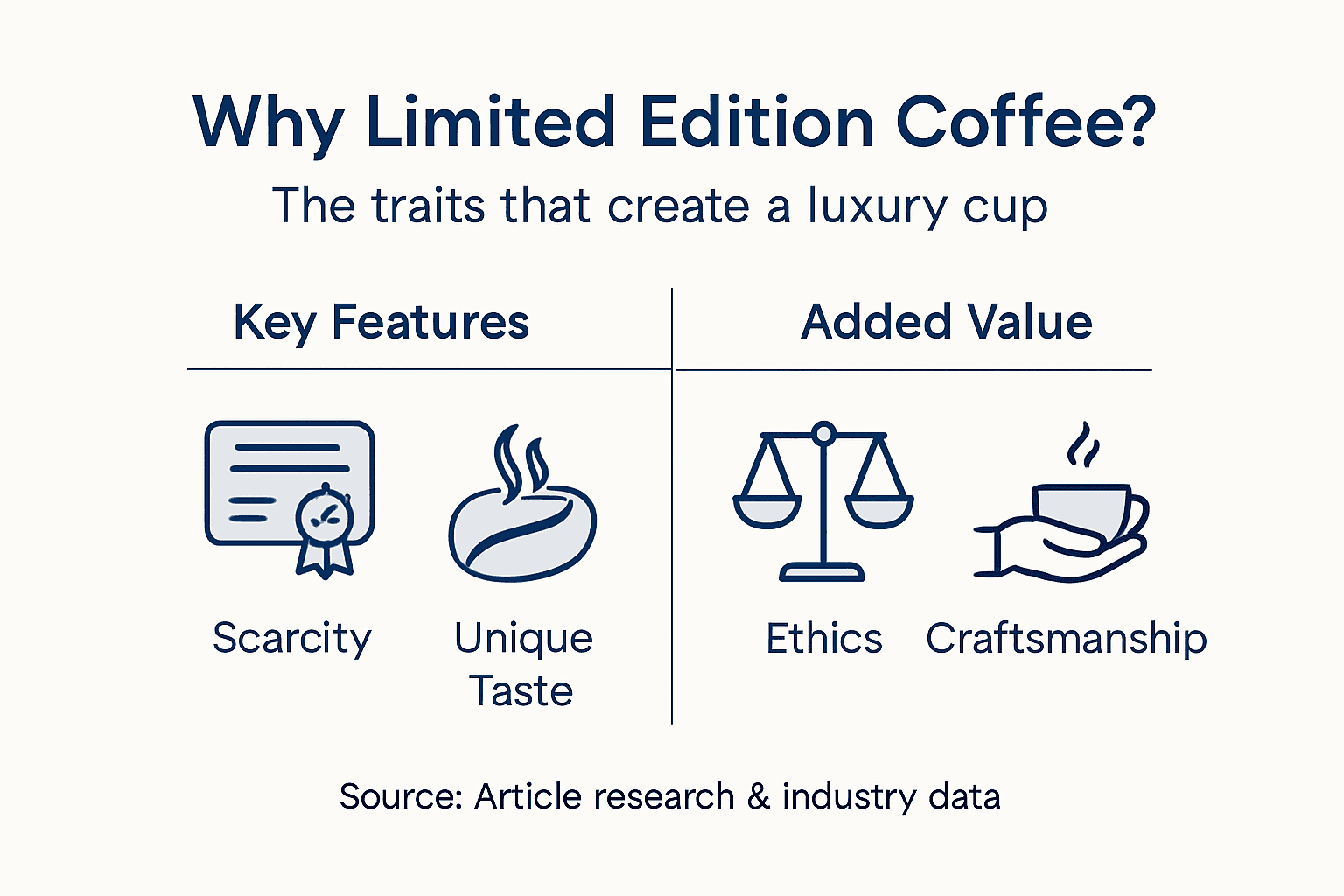
For many discerning coffee fans, discovering a rare release from Guatemala or Ethiopia is as thrilling as acquiring a limited French wine vintage. The world of limited edition coffee varieties offers more than a unique taste—it brings together exclusivity, careful sourcing, and the passion of both roaster and grower. These coffees stand out for their scarcity and authenticity, appealing to those who appreciate craft, origin stories, and the pursuit of extraordinary flavors found nowhere else.
Table of Contents
- Defining Limited Edition Coffee Varieties
- Unique Features And Flavor Profiles
- Ethical Sourcing And Craftsmanship Impact
- Market Demand And Exclusivity Effects
- Price, Risks, And Comparisons With Alternatives
Key Takeaways
| Point | Details |
|---|---|
| Scarcity Creates Value | Limited edition coffees are defined by their rarity, enhancing consumer perception and demand. |
| Unique Flavor Experiences | These coffees boast distinctive flavor profiles resulting from rare varietals and experimental processing methods. |
| Ethical Sourcing Matters | The quality and authenticity of limited editions stem from relationships and transparency between roasters and farmers. |
| Premium Pricing Justified by Quality | Limited editions command higher prices due to their exclusive sourcing and unique characteristics, though they may not always suit every buyer’s preferences. |
Defining Limited Edition Coffee Varieties
When you encounter the term “limited edition” in the specialty coffee world, you’re looking at something fundamentally different from the standard bags lining coffee shop shelves. A limited edition coffee is defined by its scarcity, whether that scarcity comes from a restricted quantity or a finite time window. These coffees are introduced strategically by specialty roasters and producers to create exclusivity and distinguish their offerings in the luxury segment. What makes this approach so compelling for affluent coffee enthusiasts is that the scarcity itself becomes part of the story. You’re not just buying beans. You’re acquiring something that won’t be available next month, or ever again in exactly that form.
The distinction between limited edition varieties and regular offerings lies in their composition and production method. Limited edition coffees often feature rare blends, single-origin beans from specific microclimates, or experimental processing techniques that regular production simply cannot accommodate. Unlike commodity-grade coffees that prioritize consistency and volume, limited editions embrace uniqueness. A roaster might source beans from a particular harvest at a single farm in Colombia, or experiment with an anaerobic fermentation process that produces entirely novel flavor profiles. You’ll find that single-origin beans come from specific geographic regions, each carrying distinct characteristics shaped by elevation, soil composition, and local climate. When these factors combine with experimental methods, the resulting coffee becomes genuinely scarce and genuinely distinctive. The identification of these rare varieties relies on sophisticated methods. Molecular biology techniques and chemical analyses authenticate the species, variety, origin, and processing method of each batch, ensuring quality and supporting the marketing claims that justify premium pricing. This scientific authentication adds credibility to the exclusivity.
What truly separates limited edition coffees from everything else is the perceived value they command. The scarcity enhances desirability in ways that regular availability never could. You understand this instinctively. When you know something exists in limited quantities, your perception of its worth shifts. A limited edition release creates urgency that regular inventory simply cannot replicate. Roasters release these coffees strategically, sometimes announcing them to their most dedicated customers first, sometimes dropping them without warning to create buzz. The investment in securing a bag becomes an act of curation, similar to acquiring a rare wine vintage or a limited art print. For collectors and serious enthusiasts, these bottles represent tangible markers of taste and access. They signal participation in an exclusive community of people who understand coffee at a level most consumers never reach. The specific characteristics of each limited edition variety make it distinct from commodity coffee in ways that matter. You’re evaluating origin stories, farmer partnerships, processing innovations, and flavor profiles that won’t repeat in the same combination. This combination of scarcity, uniqueness, and authentication transforms coffee from a consumable product into a collectible experience.
Pro tip: When a limited edition release drops, research the producer’s track record with previous limited editions before purchasing. Check reviews from other experienced buyers to understand whether the scarcity justifies the premium, then decide quickly because these batches typically sell out within days.
Unique Features and Flavor Profiles
Limited edition coffees distinguish themselves through flavor profiles that you won’t encounter in standard commercial roasts. The difference comes down to how varietal selection, processing method, and origin terroir work together to create something genuinely distinctive. When a roaster commits to a limited edition release, they’re typically working with specific Arabica varieties like Bourbon or Pacamara that possess inherent characteristics worth highlighting. These varieties, when processed through methods like natural or dry fermentation, develop enhanced sensory attributes that regular production methods can’t replicate. The result is a coffee that tastes noticeably different from what you’re accustomed to. Coffee quality depends on the interaction between varietals, processing methods, and regional characteristics that shape flavor, aroma, and acidity in ways commodity coffee simply cannot achieve. Limited editions exploit these interactions deliberately, pushing them to their extremes to create memorable tasting experiences. You’ll notice this immediately when you brew your first cup. The complexity deepens as the coffee cools slightly, revealing layers you didn’t detect at the first sip.
What makes limited edition coffees truly special is their commitment to experimental processing and rare microclimatic sources. A roaster might acquire beans from a single farm at 2,200 meters elevation in Ethiopia, where the specific soil composition and seasonal rainfall patterns create distinct berry and floral notes. Another limited release might feature anaerobic fermentation that produces natural sweetness and unusual fruit-forward characteristics. These aren’t accidents. They’re the result of intentional choices to showcase what becomes possible when production constraints disappear. Unlike commercial operations that must maintain consistency across thousands of units, limited editions embrace variation. The roaster communicates that variation to you, telling you exactly why this batch differs from any previous release. You learn the farmer’s name, the harvest date, the fermentation duration, the roast level. Every detail matters because it directly influences what you’ll taste. When you compare a limited edition single origin to a blended commercial coffee, the difference becomes obvious. The single origin offers specificity and terroir expression. It tastes like a place, a harvest, a methodology. Commercial blends, by necessity, smooth out these distinctive characteristics to appeal to broader markets.
The sensory journey of tasting a limited edition coffee separates it fundamentally from everyday options. You might start with bright citrus notes, transition through chocolate undertones, and finish with a lingering floral complexity. Or you might experience tropical fruit forward, with cocoa depth, and a clean, crisp finish. Every limited edition tells a different story on your palate. The acidity feels different too. Higher elevation coffees typically possess more vibrant acidity that tastes clean and refreshing rather than sharp. Natural processed beans display more body and fruit intensity. Fermented coffees offer unusual depth. When you’re learning how to taste coffee flavors like an expert, you develop the vocabulary and palate awareness to actually appreciate what limited editions offer. You move beyond “good” or “bad” and into meaningful descriptions. You notice the specific citrus notes. You identify the chocolate undertones. You recognize when a coffee shows the characteristics you expect from its origin story. This heightened appreciation transforms how you experience each cup. Limited edition coffees reward this attention. They’re designed for drinkers who taste actively, who notice nuance, who value the difference between a good cup and an extraordinary one. The investment in a limited edition isn’t just about owning something scarce. It’s about accessing flavor experiences that regular production cannot provide, tasting the direct result of a roaster’s deliberate choices, and connecting with the specific terroir and processing that created something memorable.
Pro tip: When you receive a limited edition coffee, brew the first cup using your standard method, then brew the second using a slightly lower temperature or shorter steep time to discover how changing variables highlights different flavor notes in the same beans.
Ethical Sourcing and Craftsmanship Impact
When you purchase a limited edition coffee, you’re not simply buying beans. You’re making a statement about what you value in the specialty coffee industry. The ethical sourcing practices behind limited edition releases directly shape their quality, authenticity, and impact on the people who grow them. Unlike mass-market coffee that prioritizes volume and cost reduction, limited edition coffees depend on relationships between roasters and farmers that are built on transparency and fair compensation. A roaster pursuing a limited edition release typically works with specific farms or cooperatives for extended periods, sometimes years, developing trust and understanding about what each harvest can produce. This sustained relationship benefits everyone involved. Farmers receive fair wages and investment in their operations. Roasters gain access to exceptional beans they can reliably source. You receive coffee that carries the stamp of genuine craftsmanship rather than commodity production.
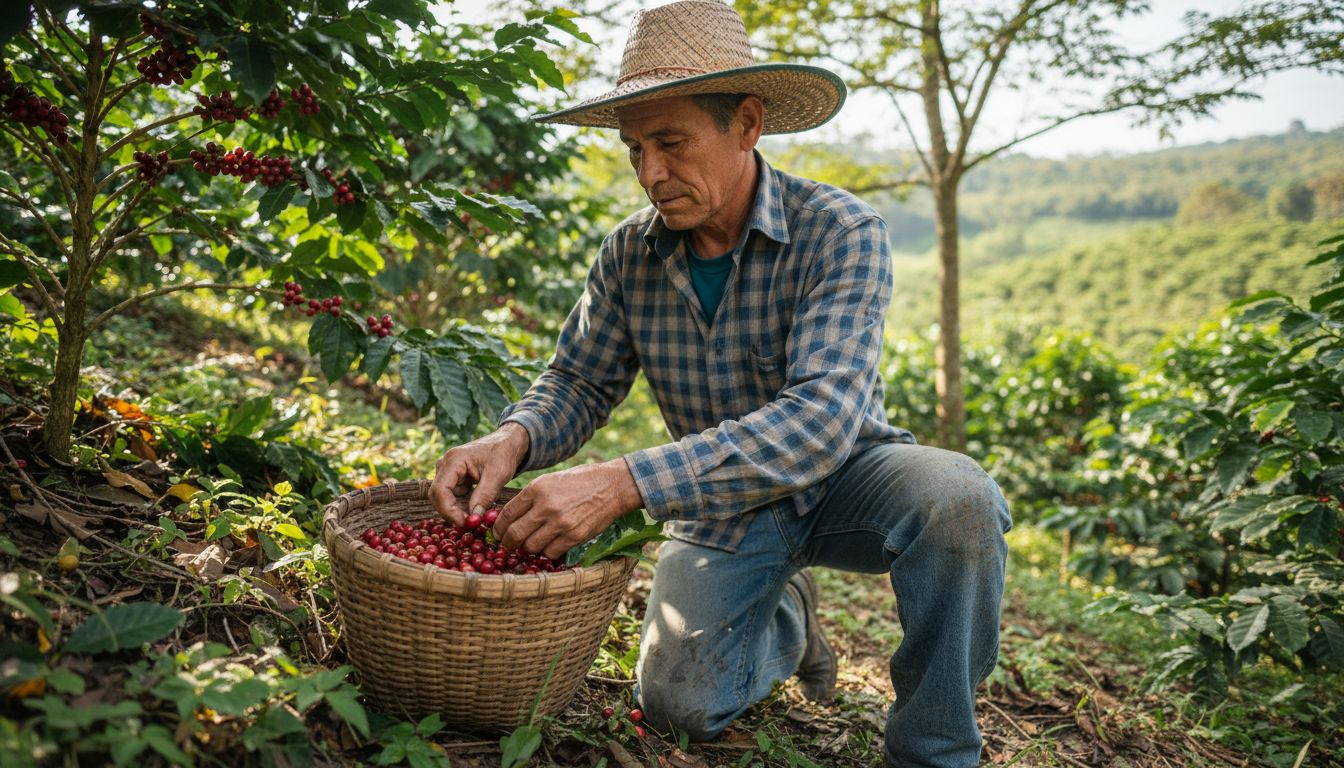
Ethical sourcing in coffee involves responsible purchasing that promotes fair wages and good working conditions for the millions of farmers and workers who produce it. When roasters commit to ethical sourcing, they’re committing to environmental conservation and long-term sustainability that benefits coffee growing regions for decades. This matters deeply for limited editions because their scarcity actually enables this ethical approach. A roaster working with 200 bags of coffee from a single farm can afford to pay premium prices, invest in the farmer’s infrastructure, and ensure complete traceability from seed to cup. A roaster working with 200,000 bags from dozens of sources cannot. Limited edition production, by its nature, creates space for the kind of meticulous sourcing and relationship building that defines true craftsmanship. You taste this commitment in every cup. The beans arrive at peak ripeness because the farmer harvested at exactly the right moment, not when volume demanded. The fermentation proceeds naturally because the farm invested in proper processing infrastructure. The entire chain, from soil to your brewing vessel, reflects intentional choices rather than cost cutting compromises.
The craftsmanship embedded in limited edition coffees emerges from ethical sourcing practices that demand excellence at every stage. When a roaster knows they’re paying fair prices, they demand fair quality in return. Farmers who receive premium compensation invest back into their operations, upgrading equipment, experimenting with processing methods, and perfecting their craft. This creates a positive feedback loop that produces exceptional coffee. You’ll notice this when you brew a limited edition alongside a standard specialty coffee. The limited edition tastes more complex, more intentional, more alive. That difference originates in the ethical framework that made it possible. Ethically sourced coffees enhance brand reputation and appeal particularly among conscientious buyers who understand that quality and ethics are inseparable in the luxury coffee market. Your investment in limited editions supports farming practices that will continue producing exceptional coffee for generations, ensures that workers receive dignity and fair compensation, and maintains transparency across the entire supply chain. When you know the farmer’s name and story, when you understand the specific plot where your beans grew, when you can trace each step of processing, you’re experiencing the full expression of what ethical sourcing enables. This transparency transforms coffee from an anonymous commodity into a personal connection between you and the people who grew it.
The relationship between ethics and craftsmanship extends beyond financial transactions into the realm of shared values. Roasters pursuing limited editions often develop deep partnerships with farming communities, sometimes investing in education, clean water systems, or agricultural innovation. These aren’t marketing gestures. They’re genuine commitments to the long-term health of coffee growing regions. When you purchase a limited edition coffee, a portion of that premium price supports these initiatives. The craftsmanship you taste reflects this investment in community. You’re drinking coffee that represents not just exceptional skill but genuine human connection, sustainable farming practices, and a commitment to leaving coffee growing regions better than they were found. This is what separates limited edition coffee from everything else. It’s not only rare and delicious. It’s ethically grounded and intentionally crafted to honor both the farmers who grew it and the environment that produced it.
Pro tip: Before purchasing a limited edition, research the roaster’s direct relationships with coffee farmers and look for specific details about the farm, farming practices, and what percentage of the purchase price reaches the producer—transparency on these points indicates genuine ethical sourcing rather than marketing language.
Market Demand and Exclusivity Effects
The moment a roaster announces a limited edition release, something shifts in how the market responds. Demand spikes immediately. Email inboxes fill with notifications. Social media erupts with posts from enthusiasts discussing the new offering. This reaction isn’t random. It’s the direct result of psychological principles that govern how consumers value scarce goods. Limited edition products create value through scarcity and exclusivity, triggering heightened consumer demand by tapping into fundamental human psychology. When you know something exists in limited quantity, your perception of its worth shifts dramatically. A coffee that costs forty dollars per bag feels ordinary if it’s always available. That same coffee feels like an opportunity worth seizing if you know only three hundred bags exist worldwide. The scarcity transforms it from a beverage into an asset worth securing. This isn’t buyers being irrational. This is psychology operating exactly as it should. Your brain recognizes that scarce goods carry real value, and it motivates you to act before the opportunity disappears. For roasters, this dynamic means that limited editions generate excitement and foster brand loyalty in ways regular products simply cannot replicate. A customer who acquires a limited edition becomes part of an exclusive group. They own something their coffee-drinking neighbors cannot get. This status element matters, particularly for affluent consumers who use purchases to signal taste and sophistication.
The niche market for limited edition coffees remains relatively small compared to commercial coffee consumption, but it commands disproportionate attention and premium pricing. The market for limited-edition coffees remains niche but growing, driven by consumer desire for unique flavor experiences and traceability that distinguish these releases from standard specialty offerings. Within this niche, demand drives profitability far beyond what volume alone could achieve. A roaster selling five hundred bags of a limited edition at seventy dollars per bag generates the same revenue as selling fifty thousand bags at seven dollars per bag. But the relationship between roaster and customer fundamentally differs. The limited edition buyer receives personal attention, detailed sourcing information, and access to experimental offerings that regular customers will never experience. The roaster builds a community of collectors and connoisseurs who view their purchases as investments in exceptional craft rather than routine coffee consumption. These customers become advocates. They share their acquisitions. They recommend the roaster to other affluent enthusiasts. They return for the next release. This loyalty generates stable, predictable revenue that allows roasters to continue investing in innovation and quality rather than chasing volume growth. The exclusivity creates a virtuous cycle where scarcity and quality reinforce each other.
What makes this market dynamic particularly interesting is how it supports brand differentiation in an increasingly crowded specialty coffee landscape. Every roaster claims to offer quality. Every roaster emphasizes sourcing and sustainability. Limited editions allow roasters to stand out by offering something genuinely unavailable elsewhere. This differentiation justifies premium pricing that wouldn’t be sustainable for regular products. A conscientious consumer might hesitate to pay thirty dollars per bag for a regular single origin. But if that roaster releases a limited edition featuring an experimental processing method or exceptionally rare microlot, that same consumer becomes willing to pay seventy dollars. The scarcity makes the difference feel justified. The roaster benefits through higher margins. The farmer benefits through premium prices that reward excellence. The customer benefits through access to genuinely exceptional coffee that reflects cutting-edge technique and sourcing innovation. The market structure works because all three parties gain. However, roasters must balance the impulse to chase profitability through constant limited releases against maintaining the authenticity that makes limited editions valuable. Oversaturation destroys scarcity. If a roaster releases limited editions weekly, they stop being limited editions. The market remains niche precisely because most roasters exercise restraint, releasing only a few exceptional offerings per year. This discipline maintains the exclusivity that drives demand and justifies premium pricing. The roasters who succeed long-term are those who understand that limited editions aren’t just profit vehicles. They’re brand statements. They’re opportunities to showcase innovation and craftsmanship at the highest level. When executed thoughtfully, they generate the kind of loyalty and engagement that transforms customers into lifelong advocates.
Pro tip: Track which roasters release limited editions consistently versus those that do so sporadically, and prioritize roasters showing authentic commitment to limited releases over those treating them as opportunistic profit plays, since consistent roasters maintain higher quality standards and more meaningful exclusivity.
Price, Risks, and Comparisons With Alternatives
Limited edition coffees command premium prices that can feel shocking at first glance. A bag might cost sixty, eighty, or even one hundred dollars per pound compared to fifteen to twenty-five dollars for regular specialty coffee. This price differential reflects real factors that go beyond marketing hype. The scarcity alone justifies higher pricing because demand far exceeds supply. A roaster releasing three hundred bags of limited edition coffee faces instant sellout, allowing them to maximize price without worrying about inventory sitting unsold. Beyond scarcity, limited editions require different sourcing strategies. A roaster pursuing a limited edition typically negotiates directly with individual farmers or specific microlots rather than sourcing from established wholesale channels. This direct sourcing commands premium prices. The farmer knows their beans are exceptional and prices accordingly. The roaster accepts these premiums because they’re sourcing for exclusivity rather than volume efficiency. Additionally, limited editions often involve experimental processing or rare varietals that require specialized handling, storage, and roasting expertise. The roaster invests time and resources that wouldn’t be justified for regular production. All these factors stack to create price points that separate limited editions from everything else in the market.
The financial risks inherent in limited edition coffee extend beyond the purchase price itself. Coffee price dynamics reflect complex interactions between retail and international price margins, with supply risks influenced by climate and logistics that can dramatically impact availability and cost. Climate volatility creates genuine uncertainty about whether a planned limited edition will materialize. A roaster might negotiate for beans from a specific farm, only to have that farm suffer frost damage or excessive rain that reduces yield or quality. The coffee that was supposed to be exceptional becomes mediocre, forcing the roaster to either proceed with compromised product or cancel the release entirely. Either way, the roaster loses. They’ve already paid for beans they can’t use, invested in marketing for a release that won’t happen, or shipped substandard product that damages their reputation. Logistics risks present another concern. Limited edition coffees often originate from remote growing regions with unreliable shipping infrastructure. A container might be delayed for months, arriving after the planned release date has passed. By then, your enthusiasm has shifted to other roasters or other products. The roaster absorbs the loss. Furthermore, limited editions carry personal financial risk for buyers. You’re paying premium prices for coffee you’ve never tasted, sometimes based solely on sourcing information and roaster reputation. The coffee might disappoint. The flavor profile might not match your preferences. The roaster offers no recourse because the scarcity makes returns impossible. You’ve made an investment based on trust and incomplete information. This is fundamentally different from regular coffee purchases where you can sample offerings before committing to large quantities.
When comparing limited editions to alternative premium coffee options, the value proposition becomes clearer but also more subjective. A regular specialty coffee, even a single origin from the same farm and same harvest, costs thirty to forty dollars per bag. You get consistent quality that matches the roaster’s published tasting notes. You can order multiple bags across seasons without prices fluctuating wildly. You know what you’re getting. With limited editions, you’re paying double or triple the price for something you cannot fully evaluate beforehand. The question becomes whether that premium justifies the price. For some buyers, the answer is absolutely yes. Collectors and serious enthusiasts view limited editions as the cutting edge of coffee craft. They’re willing to pay for the privilege of accessing experimental offerings first, of owning bottles that most coffee drinkers will never encounter. They understand that innovation requires risk and investment, and they’re comfortable bearing some of that cost. For others, regular specialty coffee offers better value. A rotation of excellent single origins from trusted roasters provides consistent quality and exploration without the premium pricing. You can discover new origins and processing methods without the financial commitment of limited editions. There’s no shame in this choice. The reality is that limited editions serve a specific market segment of affluent enthusiasts who value exclusivity and experimentation over financial optimization. If you’re willing to accept occasional disappointments and higher prices in exchange for access to genuinely rare offerings, limited editions make sense. If you prioritize consistency and value, regular specialty coffee serves you better. Understanding your own preferences and risk tolerance matters far more than any objective comparison. Limited editions carry real risks including price volatility, supply disruption, and the possibility of disappointment. These aren’t hidden costs. They’re transparent tradeoffs that come with the territory of pursuing rare, experimental coffee at the highest level of the market.
Pro tip: When evaluating whether a limited edition’s price is justified, calculate the cost per brewing session and compare it to regular specialty coffee you love, then decide if the experimentation and exclusivity are worth the premium for your specific situation rather than assuming higher price automatically means better value.
This table summarizes key risks and rewards of buying limited edition coffees:
| Consideration | Risk | Reward |
|---|---|---|
| Financial | High upfront cost | Access to rare beans |
| Supply Chain | Climate, shipping delays | Traceable, direct sourcing |
| Taste Experience | Possibility of disappointment | Distinctive, memorable flavors |
| Brand Engagement | No return policy | Community and exclusivity |
Here’s a comparison of limited edition coffee versus regular specialty coffee:
| Aspect | Limited Edition Coffee | Regular Specialty Coffee |
|---|---|---|
| Availability | Rare, time-limited | Consistently available |
| Price Range | $60–$100 per pound | $15–$40 per pound |
| Sourcing Approach | Direct, exclusive farms | Broad, wholesale sources |
| Flavor Profile | Unique, experimental | Consistent, familiar |
| Buyer Experience | Curated, collectible | Routine, reliable |
Experience the Art of Limited Edition Coffee Today
If you are captivated by the uniqueness and exclusivity that limited edition coffees offer then House Coffee provides a carefully curated selection that delivers exactly that experience. These coffees tackle the challenge of scarcity and ethical sourcing head on while elevating your at-home brewing into a truly luxurious ritual. Every release highlights rare varietals, single-origin stories, and innovative processing methods that bring the flavors and craftsmanship discussed in this article directly to your cup.
Discover our exclusive Limited Edition collection filled with exceptional coffees that reflect direct relationships with growers and ethical sourcing commitments. For those seeking more variety with consistently high quality you will also find our Specialty Coffee offerings. Each bag presents an opportunity to connect with a story and savor flavors crafted for passionate enthusiasts who appreciate the value of rarity and refinement. Start your journey now at House Coffee and elevate your coffee experience with limited editions that are as exclusive as they are unforgettable.
Frequently Asked Questions
What defines a limited edition coffee?
A limited edition coffee is characterized by its scarcity, which can derive from a restricted quantity or a finite time frame. These coffees often feature unique blends, single-origin beans, or experimental processing methods that differentiate them from standard offerings.
How do limited edition coffees differ in flavor profile from regular coffees?
Limited edition coffees typically have unique and complex flavor profiles that arise from specific varietals, processing techniques, and terroir. They often showcase enhanced sensory attributes that cannot be replicated in commercial roasts, providing a memorable tasting experience.
What role does ethical sourcing play in limited edition coffee production?
Ethical sourcing is essential for limited edition coffees as it involves direct relationships between roasters and farmers, ensuring fair compensation and sustainable practices. This transparency enhances the quality and traceability of the coffee.
Are limited edition coffees worth the higher price compared to regular specialty coffees?
The higher prices for limited edition coffees reflect their scarcity, unique sourcing, and experimental nature. For collectors and serious enthusiasts who value exclusive flavor experiences, these premium prices can be justified by the distinctive qualities and stories behind each batch.
Recommended
- Role of Arabica Beans: Elevating Coffee Quality and Sustainability – House Coffee
- Role of Arabica Beans: Elevating Coffee Quality and Sustainability – House Coffee
- 7 Essential Steps for Your Specialty Coffee Checklist – House Coffee
- 7 Essential Steps for Your Specialty Coffee Checklist – House Coffee
-
Posted in
why limited edition coffee