Why Ethically Sourced Coffee Beans Matter

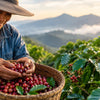
That first cup of the morning does more than wake you up. It carries the work of farmers, pickers, mill workers, exporters, roasters, and everyone in between. When you choose ethically sourced coffee beans, you are not just buying flavor. You are choosing a supply chain that respects the people behind the cup and gives quality a better chance to shine.
For coffee lovers who care about freshness, craft, and origin, ethics and taste are not separate conversations. In specialty coffee, they are deeply connected. Better sourcing often leads to better growing practices, more careful harvesting, and stronger long-term relationships with producers. That can show up in the cup as clarity, sweetness, and character you simply do not get from anonymous commodity coffee.
What ethically sourced coffee beans really mean
The phrase gets used often, and sometimes too loosely. At its best, ethically sourced coffee beans come from a system where growers are paid more fairly, labor practices are taken seriously, and the people producing the coffee have a real chance to invest back into their farms and communities.
That does not always look the same from one producer or importer to the next. In some cases, it means direct relationships with farmers or cooperatives. In others, it may involve trusted importing partners, transparent pricing, or third-party certifications. Ethical sourcing is not one label or one perfect checklist. It is a commitment to accountability.
That nuance matters. A bag can say a lot on the outside, but the most meaningful sourcing stories usually go beyond marketing language. They explain where the coffee was grown, who produced it, and why that partnership matters. When a roaster shares those details clearly, it is often a sign that sourcing is part of the business model, not just part of the packaging.
Why ethics and quality often go hand in hand
Coffee quality starts at origin. Farmers make hundreds of decisions that affect the final cup, from varietal selection to picking timing to processing methods. Those decisions take labor, knowledge, and money. If producers are squeezed on price, quality can suffer because there is less room to invest in selective harvesting, equipment, training, and farm health.
When producers are paid in a way that reflects quality, the result is often better coffee. Riper cherries are picked. Defects are reduced. Processing is more consistent. Lots are separated with greater care. All of that helps preserve the distinct notes people love in specialty coffee, whether that means stone fruit in an Ethiopian profile, chocolate and citrus in a Central American cup, or a syrupy sweetness from a carefully grown Colombian lot.
This is one reason many coffee drinkers notice a difference when they move from mass-market coffee to specialty-grade single origin beans. Ethical sourcing supports the conditions that make exceptional coffee possible. It is not a guarantee of quality on its own, but it is often part of the foundation.
How to tell if a coffee is ethically sourced
If you are shopping online, you will not always get the full sourcing story in one glance. Still, there are a few signs worth looking for.
Transparency is a big one. A roaster that names the country, region, farm, estate, or cooperative is usually giving you more than a vague origin claim. Even better is information about how the coffee was sourced, how fresh it is, and why the producer relationship matters. Quality markers also help. In specialty coffee, details like single origin distinction, processing method, elevation, and Q-grade scores can indicate a more thoughtful approach to sourcing and selection.
Fresh roast dates matter too. Ethically sourced coffee beans deserve to be roasted with care and shipped fresh, because freshness protects the work done at origin. If the coffee is sold as premium but there is no sign of roast timing, traceability, or quality standards, that is worth questioning.
Certifications can be useful, but they are not the whole story. Organic, Fair Trade, and similar standards can signal a meaningful baseline. At the same time, some outstanding producers and roasters work ethically without every certification, especially when they operate through smaller direct relationships. The better question is not whether one badge appears on the bag. It is whether the brand can explain how it buys coffee and why that model supports growers.
The trade-offs behind ethical sourcing
It would be nice if ethical coffee always came with a simple label and a simple answer. It usually does not. Coffee supply chains are global, seasonal, and complicated. Even well-intentioned companies face trade-offs around pricing, logistics, certifications, crop variability, and long-term contracts.
For example, direct trade sounds ideal, and often it is valuable. But direct trade is not automatically more ethical than working through a strong importer. Some importers provide excellent quality control, financing, and producer support. On the other hand, a direct relationship without transparency can still leave important questions unanswered.
Price is another area where reality matters. Ethically sourced coffee beans often cost more, and there is a reason for that. Paying producers more fairly, selecting higher-quality lots, roasting in small batches, and maintaining freshness all add cost. For many buyers, that higher price is worth it because the cup quality is better and the sourcing values align with how they want to spend their money. Still, budget matters. The goal is not perfection in every purchase. It is making more informed choices when you can.
Why this matters at home, not just at origin
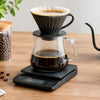
For home brewers, ethical sourcing can feel like an abstract issue until you taste the difference and understand the story behind it. Then the ritual changes. Your morning pour-over, espresso, or French press starts to feel more connected to real people and places.
That connection is part of what makes specialty coffee so compelling. Coffee is not only a product. It is a daily pause, a shared pot at the breakfast table, a quiet moment before work, or a thoughtful gift sent to someone you care about. When the beans are sourced with integrity, the cup carries more than comfort. It carries respect.
That is also why many buyers who start by shopping for flavor stay for the sourcing values. Once you experience a freshly roasted single origin coffee with real sweetness, depth, and traceable origin, it becomes harder to go back to coffee that feels generic and disconnected.
What good sourcing looks like in a specialty coffee brand
A strong specialty coffee brand tends to show its values through details, not slogans. It will talk about origin with precision. It will roast for flavor rather than volume. It will treat quality as something measured, not assumed. And it will make ethical sourcing part of the product experience rather than a footnote.
That can include working with dedicated growers, choosing lots with high specialty scores, and roasting in small batches to preserve what made the coffee special in the first place. At House Coffee, that philosophy shows up in the focus on ethically sourced, single origin Arabica coffees and carefully curated blends that bring premium quality into everyday home rituals.
For the customer, this means the shopping decision gets easier. Instead of guessing, you can look for a few meaningful signals: traceable origins, specialty-grade standards, fresh roasting, and a brand that speaks clearly about where its coffee comes from. Those are not just premium touches. They are signs that the company values the full journey of the bean.
Choosing ethically sourced coffee beans with confidence
If you want to buy better coffee, start with curiosity rather than pressure. Read the product details. Look for origin transparency. Pay attention to roast freshness and quality grading. Notice whether the brand treats farmers as part of the story or leaves them out entirely.
Then trust your palate. Ethical sourcing and great flavor should meet in the cup. If a coffee tastes vibrant, balanced, and distinct, that is often a sign that care was taken at every stage. If the experience feels flat, stale, or anonymous, the sourcing may be just as indistinct as the flavor.
The best coffee purchases tend to be the ones that feel good before and after the brew. You know where the beans came from. You understand why they cost what they do. And when you pour that first cup, the taste lives up to the promise.
A better coffee ritual starts with better questions. Not just what tastes good, but who grew it, how it was sourced, and whether your daily cup helps create the kind of coffee world worth waking up to.