How to Choose Coffee Beans at Home
That bag of coffee can look perfect on the shelf - beautiful design, promising tasting notes, maybe even words like premium or artisanal - and still miss the cup you actually want to wake up to. If you have ever bought beans that smelled amazing but brewed flat, harsh, or oddly sour, learning how to choose coffee beans starts with knowing what matters most and what is mostly marketing.
The good news is that choosing well does not require a sommelier-level palate. A few clear signals can help you find beans that fit your taste, your brewing setup, and the kind of coffee ritual you want at home. Once you know how roast level, origin, freshness, and processing affect flavor, buying coffee becomes much more personal and much less hit or miss.
How to choose coffee beans without overthinking it
Start with the cup you want, not the trend you think you should follow. Some people want deep chocolate, toasted nuts, and a smooth finish that feels comforting every morning. Others want bright citrus, berries, florals, or that clean sparkling acidity that makes a pour over feel vivid and layered.
Neither preference is more correct. Specialty coffee can sometimes make drinkers feel like they are supposed to chase the most complex or rare profile, but the best beans for you are the ones you will genuinely enjoy brewing again tomorrow. If your favorite cup leans rich and balanced, a carefully roasted blend or a lower-acidity single origin may be the right choice. If you like a more expressive cup, single origin coffees with fruit-forward notes may be worth exploring.
A simple way to narrow your options is to think about three things first: flavor, brew method, and freshness. Most buying decisions get easier once those are clear.
Start with roast level
Roast level shapes the overall character of the cup more than most people realize. It does not erase origin, but it can move a coffee toward sweetness, brightness, body, or smokiness.
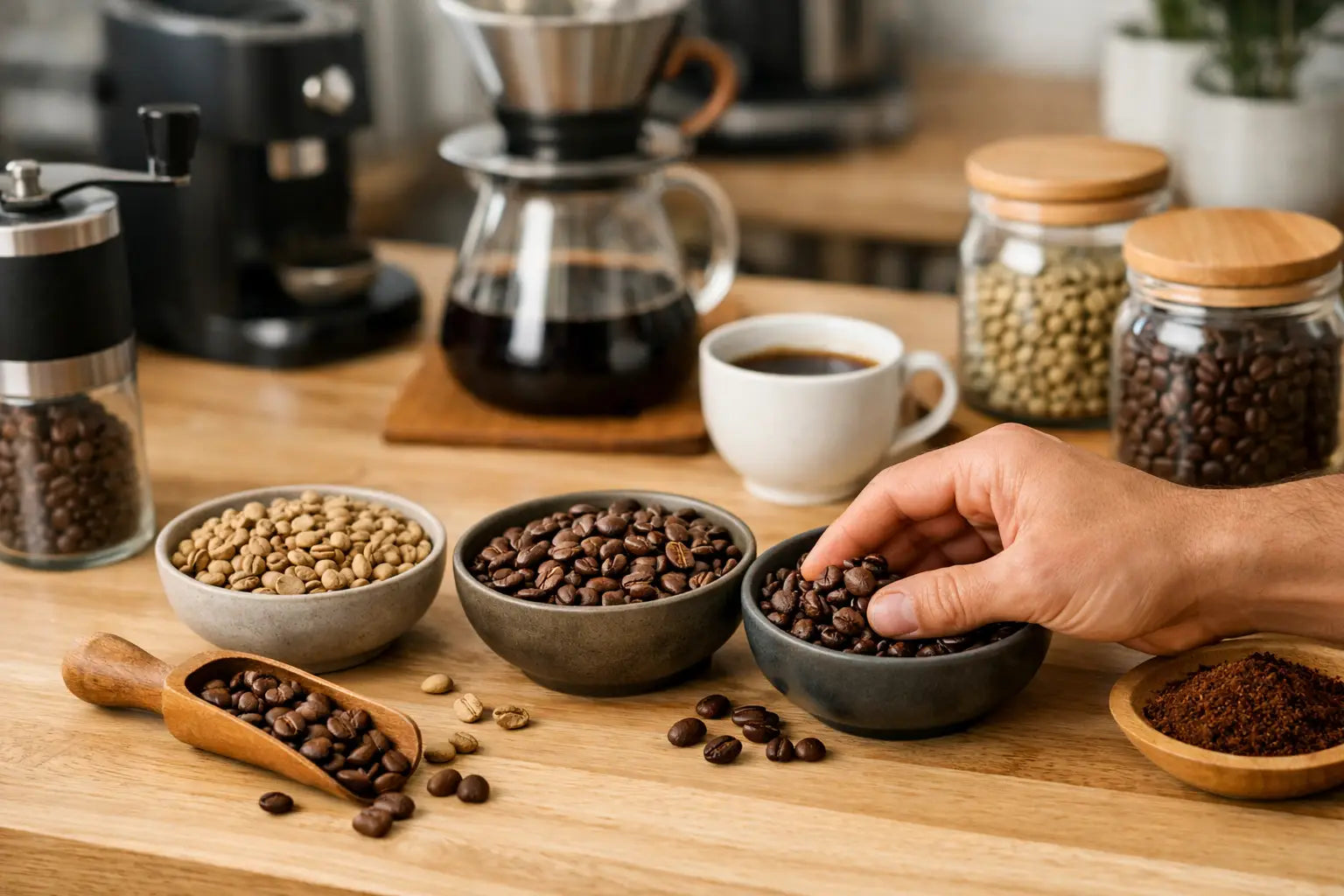
Light roast coffees usually preserve more of the bean's origin character. You are more likely to taste floral notes, citrus, stone fruit, and sharper acidity. These coffees can be beautiful in pour over and other filter methods, but they can also be less forgiving if your grinder or brew technique is inconsistent.
Medium roast coffees often sit in the sweet spot for home brewers. They tend to balance sweetness, body, and complexity, making them versatile across drip, pour over, and even some espresso setups. If you are unsure where to begin, medium roast is often the easiest place to find clarity without losing comfort.
Dark roast coffees bring more roast-driven flavors like cocoa, caramelized sugar, spice, and smoke. They can feel bold and familiar, especially in milk drinks or automatic drip machines. The trade-off is that darker roasts may mute some of the origin-specific nuance that makes specialty coffee exciting.
If you mostly drink black coffee and want to taste more detail, lean lighter. If you use milk or want a richer, rounder cup, medium to dark may suit you better.
Origin matters, but not in a snobbish way
Coffee origin is not just a label for bragging rights. It gives you clues about flavor.
Single origin coffee comes from one country, region, or sometimes one farm. These coffees are prized because they can express a place clearly. A washed Ethiopian might bring jasmine and citrus. A Colombian coffee may offer red fruit and caramel sweetness. A Brazilian coffee often leans nutty, chocolatey, and low in acidity.
Blends combine coffees from multiple origins to create a more consistent and often more balanced cup. That does not make them lower quality. A good blend can be thoughtful, layered, and ideal for espresso or daily brewing because it is designed for harmony and reliability.
If you enjoy discovering flavor differences from bag to bag, single origin is a rewarding path. If you want dependable comfort in every cup, a curated blend might be the better fit. It depends on whether you are shopping for exploration or routine.
Freshness is one of the biggest quality signals
Freshly roasted coffee changes everything. Beans are at their best within a certain window after roasting, when aromatics are vivid and flavors feel alive. That is why roast date matters more than a vague best-by date.
For most home brewers, coffee tends to taste best after a short rest period and within a few weeks of roasting, though the exact sweet spot varies by roast style and brew method. Espresso often benefits from a bit more rest than filter coffee. What matters most is transparency. If a brand tells you when the coffee was roasted, that is a strong sign they care about freshness and flavor.
When you buy coffee online, look for small-batch roasting and clear roast-date information. Fresh roasting is especially important if you want the cup to feel layered, sweet, and aromatic rather than dull or papery.
Pay attention to processing
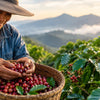
If tasting notes have ever confused you, processing may be the missing piece. After coffee cherries are harvested, the way the fruit is removed and the beans are dried changes the final flavor.
Washed coffees are usually cleaner and brighter. They often highlight acidity, floral notes, and crisp structure. Natural processed coffees dry with the fruit still on the bean, which can create sweeter, fruitier, sometimes jam-like flavors. Honey processed coffees often land somewhere in between, with sweetness and body plus a bit of clarity.
There is no best process across the board. Washed coffees can feel elegant and precise. Naturals can feel lush and expressive. If you know you dislike funky or heavily fermented notes, washed coffees are a safer place to start. If you want a more adventurous cup, naturals are worth trying.
Match the bean to your brew method
One of the most useful answers to how to choose coffee beans is also one of the most practical: choose for the way you brew at home.
Espresso usually benefits from coffees with enough sweetness and body to stay balanced under pressure. Medium roasts and blends often perform beautifully here, especially if you also make lattes or cappuccinos. Bright, lightly roasted single origins can be stunning as espresso, but they are less forgiving and may require a more precise grinder and dial-in process.
Pour over highlights nuance. If you want to taste florals, fruit, tea-like texture, or layered acidity, this is where light to medium single origins shine.
Automatic drip brewers generally pair well with medium roasts that offer balance and consistency. French press tends to flatter fuller-bodied coffees with chocolate, spice, and low-acid profiles. Cold brew often works best with beans that are naturally sweet and smooth rather than sharply acidic.
The same coffee can taste different across methods, so a great bean for espresso may not be your favorite for cold brew. Buying with your brewer in mind saves frustration.
Read tasting notes like clues, not promises
Tasting notes are meant to help, but they are not a guarantee that your cup will taste exactly like blueberries, orange blossom, or milk chocolate. They describe the impressions a coffee may give under good brewing conditions.
The smartest way to use tasting notes is to focus on patterns. If you often enjoy coffees described as chocolate, hazelnut, and caramel, that tells you something useful. If citrus-forward coffees keep tasting too sharp to you, that matters too.
Also consider what those notes imply about acidity and body. Berry and floral notes usually suggest a lighter, brighter experience. Cocoa, nuts, and brown sugar often point to something rounder and more comforting.
Look for real quality markers
Not all premium language means much. Genuine quality signals are more specific.
Arabica is generally preferred over Robusta for specialty coffee because it offers greater sweetness and complexity. Single origin can indicate traceability and character, though blends can still be excellent. Ethical sourcing matters because better relationships with growers often lead to better harvesting and processing practices. High cupping or Q-grade scores can also be meaningful, especially when they show that a coffee has been evaluated to specialty standards.
A coffee with transparent sourcing, specialty-grade credentials, and fresh roast dates gives you far more to trust than a bag covered in vague luxury words. At House Coffee, for example, that commitment to freshly roasted single origin Arabica and Q-grade quality is part of what helps turn an everyday cup into a cherished moment at home.
Price matters, but value matters more
Coffee prices vary for real reasons. Altitude, rarity, processing, labor, shipping, and roasting quality all affect cost. A cheaper coffee is not always a bargain if it tastes stale or one-dimensional. A more expensive coffee is not always the right fit if you do not enjoy its profile.
Think in terms of value per cup. A bag of well-sourced, freshly roasted beans that makes your mornings better can be worth more than two disappointing bags bought on impulse. If you drink coffee daily, it is one of the most repeated rituals in your home. It makes sense to choose something that feels good to brew and share.
The best way to find your coffee
If you are still unsure, start with a medium roast from a trusted specialty roaster, then branch out one variable at a time. Try one single origin and one blend. Compare washed and natural processing. Notice whether your favorite cups tend to be bright and lively or rich and grounding.
Your taste will sharpen with experience, but it does not need to become fussy. Great coffee should feel inviting. The right beans are the ones that meet you where you are, suit your brewing style, and turn an ordinary morning into something a little warmer, a little richer, and a lot more yours.