How to Choose Coffee Beans for Espresso

That first sip of a well-pulled shot tells you everything. The crema sits thick and golden, the body feels syrupy, and the flavor lands with clarity instead of harshness. Great espresso does not start at the machine. It starts with choosing the right coffee beans for espresso.
If you have ever bought a bag that smelled amazing but pulled thin, sour, or bitter shots at home, you already know the truth: not every coffee shines under espresso pressure. Espresso is intense by design. It magnifies sweetness, body, acidity, and roast character all at once, which means bean selection matters more than most people expect.
What makes coffee beans for espresso different?
Technically, any coffee can be brewed as espresso. There is no separate species or bean type labeled only for espresso. The difference usually comes down to how the coffee is roasted, how its flavor behaves under pressure, and whether it can produce the balance most people want in the cup.
Espresso brewing is fast and concentrated. Water moves through finely ground coffee in a short window, so coffees with good solubility, sweetness, and structure tend to perform best. Beans chosen for espresso often emphasize chocolate, caramel, nuts, ripe fruit, or soft citrus rather than delicate floral notes that can get lost or become sharp in a short shot.
That does not mean espresso has to taste dark or smoky. Specialty coffee has changed that expectation. Today, many of the best coffee beans for espresso are selected for sweetness and clarity first, with roasting designed to preserve origin character while still building enough body for a satisfying shot.
Roast level matters, but not the way people think
Roast level is usually the first thing shoppers look at, and for good reason. It has a direct effect on extraction and flavor. Darker roasts are more soluble, which can make them easier to extract in espresso. They often bring classic notes like cocoa, toasted sugar, and roasted nuts. For people who love traditional espresso or milk drinks, that profile can feel comforting and familiar.
Medium roasts are often the sweet spot for home brewers. They offer enough development for body and crema, but still leave room for the coffee's natural sweetness and origin notes to come through. A medium roast from Brazil, Colombia, or Guatemala can taste rich and layered without becoming flat or overly bitter.
Lighter roasts can make beautiful espresso, but they are less forgiving. They usually need tighter dialing in, very consistent grinding, and a machine capable of stable temperature and pressure. When they are right, they can be vibrant and memorable. When they are off, they can lean sour, grassy, or sharp. If you are newer to home espresso, a medium or medium-dark roast is often a better place to begin.
Single origin or blend?
This is where preference really comes into play. Single origin coffees can be stunning as espresso because they show a distinct sense of place. A washed Ethiopian may bring elegant citrus and tea-like lift. A natural process coffee from Colombia might offer berry sweetness and a rounder finish. A Brazil single origin often delivers chocolate, nuttiness, and low acidity with excellent body.
Blends are built for balance. A well-crafted espresso blend combines coffees that complement one another, often pairing body from one origin with brightness or sweetness from another. That can create a more consistent and approachable shot, especially for milk-based drinks like cappuccinos and lattes.
Neither is better in every case. If you enjoy tasting nuance and adjusting your recipe, single origin espresso can be deeply rewarding. If you want dependable comfort in the cup every morning, a thoughtfully roasted blend may suit you better. Many coffee lovers keep both on hand: a blend for daily ritual and a single origin for slower weekend shots.
Freshness is not optional
Freshly roasted coffee can transform your espresso. Beans release carbon dioxide after roasting, and that affects extraction and crema. If coffee is too fresh, usually within the first few days, it can behave unpredictably and produce overly gassy shots. If it is too old, the shot can taste flat, woody, or lifeless.
For most espresso, the ideal window starts around 7 to 14 days after roast and continues for a few weeks, depending on the coffee and packaging. That is why roast date matters more than a distant best-by date. If you are ordering online, look for roasters who ship fresh and roast in small batches.
This is one reason specialty buyers often move away from grocery shelf coffee. Fresh roasting gives you a better chance at sweetness, crema, and balance, especially when the beans are packed and shipped quickly.
Origin shapes the flavor in the cup
If you want to choose coffee beans for espresso more confidently, start connecting origin with taste. You do not need to memorize every coffee-growing region, but a few broad patterns are helpful.
Brazilian coffees are often a reliable espresso favorite because they tend to be low in acidity with notes of chocolate, toasted nuts, and brown sugar. Colombian coffees can be versatile, balancing caramel sweetness with red fruit or citrus depending on the region and process. Central American origins such as Guatemala or Costa Rica often bring structure, cocoa, and gentle fruit brightness.
African coffees can be exciting in espresso, especially for drinkers who want more sparkle in the cup. Ethiopian and Kenyan coffees may show floral, berry, or citrus notes, though they can be less forgiving if your grinder or machine is inconsistent. Sumatra and other Indonesian coffees can contribute earthier depth, spice, and heavy body, which some espresso drinkers love and others do not.
It depends on what kind of espresso experience you want. If your ideal shot is round, sweet, and classic, lean toward origins known for chocolate and nuts. If you want something more expressive and fruit-forward, explore brighter single origins and be ready to dial in carefully.
Processing changes more than most people realize
The way coffee is processed after harvest has a big impact on espresso flavor. Washed coffees are usually cleaner and more transparent. They can taste crisp and precise, which is appealing if you want definition in the cup. Natural process coffees dry with the fruit still on the bean, often creating more fruit sweetness, heavier body, and a more playful profile.
Honey and other experimental processes can land somewhere in the middle or go in a more adventurous direction. These coffees can be memorable as espresso, but they may also be less predictable. For everyday brewing, many people prefer washed or classic natural coffees because they are easier to read and dial in.
Buying tips that actually help
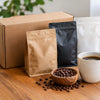
When shopping for coffee beans for espresso, ignore flashy packaging and focus on cues that tell you the coffee was chosen with care. A roast date is one of the best signs. Origin information matters too, whether it is a single farm, regional lot, or blend composition. Flavor notes can help set expectations, though they are not guarantees. They are best read as a direction rather than a promise.
It is also worth paying attention to quality signals. Specialty-grade Arabica, strong cupping scores, and ethical sourcing are not just marketing language when they are backed by transparency. They usually point to better green coffee and more intentional roasting. For many home brewers, that difference shows up immediately in sweetness and finish.
If you mostly drink milk-based espresso beverages, choose coffees with enough body to hold their character through milk. Chocolate, caramel, hazelnut, and stone fruit notes tend to work beautifully. If you drink straight shots or americanos, you may enjoy more acidity and origin character.
Your grinder and machine still have a vote
Even the best beans cannot rescue poor grind quality or unstable brewing. Espresso is sensitive. A coffee that tastes dull on one setup may come alive on another. That is why bean choice should match your equipment and your routine.
If your grinder struggles with consistency, forgiving medium or medium-dark coffees will likely treat you better than very light roasts. If your machine has limited temperature control, classic espresso profiles will be easier to manage. And if you only have a few rushed minutes each morning, a balanced blend may bring more joy than a high-acid single origin that demands constant adjustment.
There is no shame in choosing ease. Great coffee at home should feel special, but it should also fit real life.
The best espresso beans are the ones you want to return to
The right bag is not always the most complex or the most expensive. Sometimes it is the coffee that makes your kitchen feel warmer at 7 a.m., the one that fills the room with notes of cocoa and toasted sugar, the one you trust when friends come over and you want every cup to feel generous.
That is the beauty of espresso. It can be technical, but it is also deeply personal. Start with fresh, specialty-grade beans, pay attention to roast level and origin, and let your taste lead the rest. When you find a coffee that brings comfort, clarity, and a little anticipation to the next morning, you have found more than a good espresso bean. You have found a ritual worth keeping.