Single-Origin Coffee Guide: Brew Premium Coffee at Home

Every cup tells a story when you choose single-origin Arabica beans grown in places like Ethiopia, Colombia, or Kenya. The geography and care behind these premium coffees shape their unique, vibrant flavors that stand out from blends, offering an experience that is both personal and ethical. This guide shows you how to select, store, grind, and brew the freshest, most flavorful single-origin beans, so your home brewing ritual delivers true quality with every sip.
Table of Contents
- Step 1: Select the Best Single-Origin Coffee Beans
- Step 2: Store and Prepare Your Coffee for Freshness
- Step 3: Choose and Set Up the Right Brewing Method
- Step 4: Grind and Measure Coffee for Precise Flavor
- Step 5: Brew and Taste-Test for Optimal Results
Quick Summary
| Key Point | Explanation |
|---|---|
| 1. Select Appropriate Single-Origin Coffee | Understand flavor profiles by region to match beans with your taste preferences and brewing style for a better coffee experience. |
| 2. Store Coffee Properly for Freshness | Use an airtight container and store coffee away from heat and light to preserve flavors and prevent degradation without sacrificing your brew’s quality. |
| 3. Use Correct Brewing Method | Choose a brewing method that fits your lifestyle and optimal extraction needs, enhancing flavor through suitable equipment for your chosen beans. |
| 4. Measure and Grind Precisely | Invest in a quality burr grinder and use a scale for accurate coffee measurement to achieve a balanced and flavorful cup with every brew. |
| 5. Taste and Adjust Brewing Variables | Experiment with grind size, brew time, and coffee-to-water ratios to understand their impact on flavor, refining your technique with each cup. |
Step 1: Select the Best Single-Origin Coffee Beans
Selecting the best single-origin coffee beans starts with understanding what makes them unique. Unlike blended coffees that combine beans from multiple origins, single-origin coffees come from a specific country, farm, or cooperative, giving them distinct flavor characteristics shaped by their geography and processing methods. This step is about learning to identify beans that match your taste preferences and brewing style.
Start by exploring regional flavor profiles. African coffees typically feature fruity acidity and bright, complex notes that shine in pour-overs and French presses. Indonesian beans offer earthy, full-bodied characteristics that work beautifully in espresso machines. Colombian and Central American coffees fall somewhere in the middle, with balanced acidity and chocolate or nutty undertones. Pay attention to the harvest date on your bag—beans roasted within two weeks of purchase will deliver the freshest, most vibrant flavors. When examining labels, look for information about traceability and specific farm details, which indicate quality and transparency. Reputable roasters and specialty coffee retailers always provide this information because it reflects their commitment to ethical sourcing and premium product quality.
Here’s a quick guide to how different single-origin coffee regions compare:
| Region | Typical Flavor Notes | Best Brewing Methods | Notable Impact |
|---|---|---|---|
| Africa | Fruity acidity, floral | Pour-over, French press | Bright, lively cup |
| Indonesia | Earthy, full-bodied | Espresso, French press | Deep, rich flavor |
| Central America | Balanced, nutty, citrus | Drip, pour-over | Smooth, versatile profile |
| South America | Chocolate, mild acidity | Drip, espresso | Consistent, approachable |
Next, consider your brewing method when making your selection. A light roast single-origin Ethiopian works differently than a dark roast Sumatran. Your brewing equipment influences which flavor notes you’ll extract most effectively. Lighter roasts with brighter acidity pair well with manual brewing methods like pour-overs or AeroPress, while fuller-bodied beans suit French press or espresso. Reading detailed product descriptions helps you match beans to your equipment. Take time to sample different origins and roast levels before committing to larger purchases. This experimentation reveals your true preferences and builds your coffee palate in meaningful ways.
Pro tip: Start with a sampler pack that includes 2-3 different single-origin beans in small quantities, allowing you to taste side by side and discover your preferences without investing heavily in full bags upfront.
Step 2: Store and Prepare Your Coffee for Freshness
Proper storage is where most home coffee enthusiasts stumble, yet it’s one of the easiest wins for dramatically improving your brew. Coffee is surprisingly fragile once roasted, and four enemies work against you: air, moisture, heat, and light. This step focuses on protecting your beans from these threats so they maintain their flavor complexity and brightness from the moment you open the bag until the last cup.
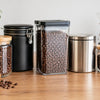
Start by transferring your beans to an airtight container made from ceramic, glass, or stainless steel that blocks light completely. Clear plastic containers or original bags with just a fold-over closure won’t cut it. Environmental factors like air exposure degrade coffee quickly, stripping away the subtle flavor notes that make single-origin beans special. Keep your storage location cool and dry, away from direct sunlight and heat sources like your stove or windowsill. A pantry or kitchen cabinet works perfectly. Buy coffee in quantities you’ll use within three to four weeks, and always note the roast date on your container so you know exactly how fresh your beans are. If you purchase larger quantities, store half in your primary container and keep the rest sealed in the freezer for later use. This approach maintains peak freshness while avoiding the temptation to repeatedly open and close one large container.
Timing your grinding matters significantly. Whole beans stay fresh longer than ground coffee because grinding dramatically increases surface area exposed to oxygen. Grind your beans just before brewing, ideally within five to ten minutes, to capture the full complexity of your single-origin coffee. If you must grind ahead, store ground coffee in an airtight container for no more than a few hours. The flavor difference between beans ground fresh and ground the night before is genuinely noticeable, especially with lighter roasts where you want to preserve those bright, fruity characteristics you selected for.
Pro tip: Use the “burp and seal” method with your airtight container: open it briefly once daily to release carbon dioxide buildup from the beans, then seal immediately to prevent oxygen from entering and extending the life of your coffee by several days.
Step 3: Choose and Set Up the Right Brewing Method
Your brewing method determines how well your premium single-origin beans shine. Different equipment extracts flavors in different ways, so matching your beans to the right brewer transforms a good cup into an exceptional one. This step guides you through selecting equipment that suits your lifestyle and taste preferences, then setting it up correctly to unlock the full potential of your coffee.
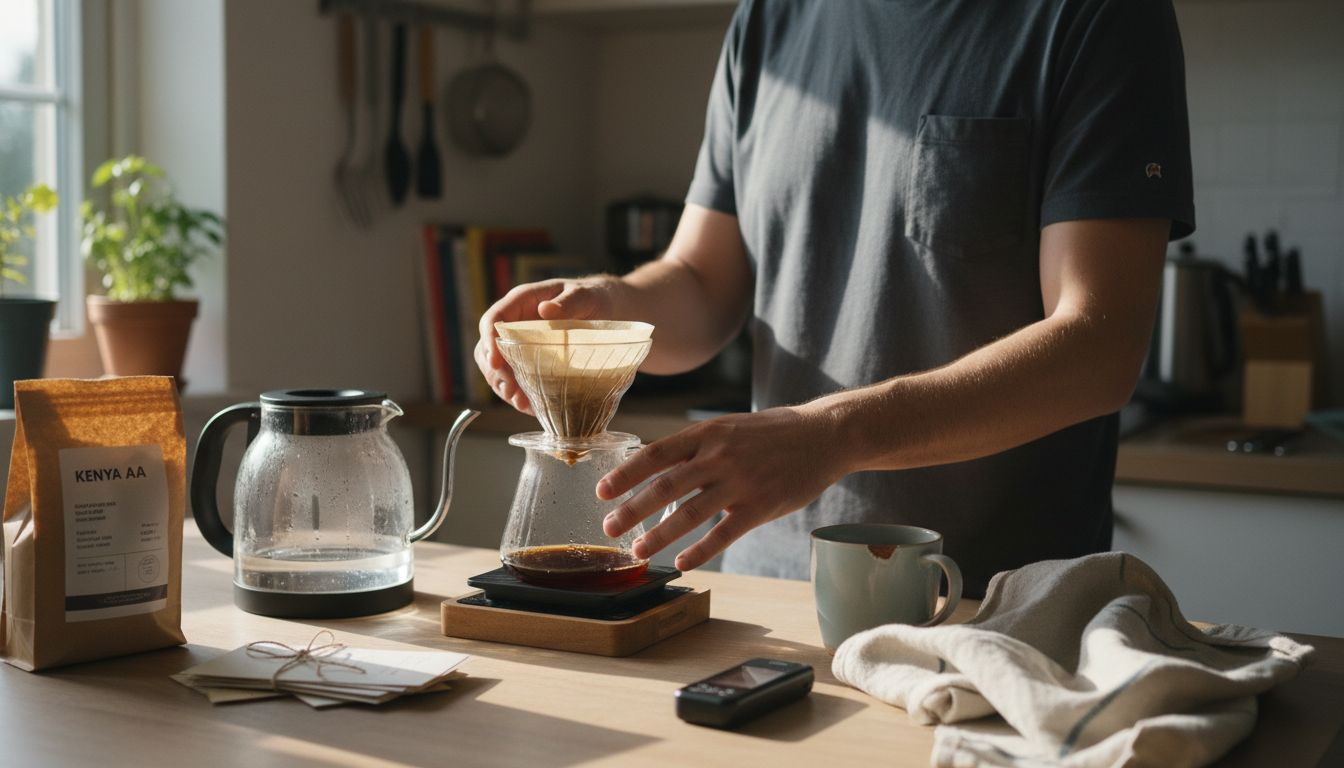
Start by considering how much time and attention you want to invest in your daily brew. Manual brewing methods like pour-over and Aeropress demand active participation but give you complete control over extraction, making them ideal if you enjoy the ritual of coffee preparation. French press brewing creates a rich, full-bodied cup with minimal equipment but requires more cleanup. Drip coffee makers offer convenience and consistency for busy mornings when you need reliability more than hands-on involvement. Understanding grind size, coffee-to-water ratios, and brewing time is essential because each method requires different settings to extract optimal flavor. Lighter roasts with bright acidity often perform beautifully in pour-overs where water contacts the grounds gently and gradually, while fuller-bodied beans showcase their chocolate and nutty notes in a French press where prolonged contact with hot water develops deeper complexity. Consider your current kitchen setup too. If counter space is limited, an Aeropress takes up minimal room. If you prefer automation, a quality drip brewer works seamlessly.
Once you’ve selected your method, commit to learning it thoroughly. Each brewer has specific requirements for water temperature, grind consistency, and brewing duration that directly impact your results. Start with the manufacturer’s recommendations, then make small adjustments based on taste. If your coffee tastes sour, you need finer grounds or longer brewing time to increase extraction. If it tastes bitter, coarsen your grounds or reduce brewing time. Keep notes about what works because consistency builds better coffee skills faster. Your brewing method becomes the stage where your carefully selected single-origin beans perform.
Pro tip: Invest in a burr grinder before upgrading your brewer, since grind quality affects extraction more than any other variable and inconsistent particle sizes will sabotage even the best brewing method.
Step 4: Grind and Measure Coffee for Precise Flavor
Grinding and measuring are where precision becomes flavor. Many home brewers skip this step or treat it casually, but these two actions directly determine whether your single-origin beans taste balanced and vibrant or flat and uninspiring. This step shows you how to dial in your grind size and measure coffee accurately so every brew tastes intentional.
Start with a quality burr grinder. Blade grinders produce inconsistent particle sizes that lead to uneven extraction, where some grounds over-extract into bitterness while others under-extract into sourness. Burr grinders, whether manual or electric, crush beans uniformly, giving you control over grind size from fine powder for espresso to chunky pieces for French press. Grind size critically influences extraction speed, meaning finer grinds expose more surface area to water and extract faster, while coarser grinds brew more slowly. Start with recommended grind sizes for your brewing method, then adjust by taste. If your coffee tastes sour and thin, grind finer to extract more flavor. If it tastes bitter and harsh, grind coarser to reduce over-extraction. The adjustment process takes experimentation, but once you find your sweet spot, your brewer becomes predictable and reliable.
Measurement matters equally. Instead of guessing with tablespoons or cups, use a digital scale to weigh your coffee grounds. Precise coffee-to-water ratios between 1:15 and 1:18 (meaning one part coffee to fifteen to eighteen parts water) create balanced, repeatable results. For example, if you brew with 300 grams of water, use 16 to 20 grams of coffee. This consistency preserves the delicate flavor nuances that make your single-origin beans worth buying. Write down your measurements each time you brew so you can replicate successful cups and troubleshoot disappointing ones. Over time, measuring becomes habit, and you’ll taste the difference immediately when you skip it.
Pro tip: Grind your coffee immediately before brewing, weigh it on your scale, and keep a small notebook tracking your ratio, grind size, brewing time, and tasting notes so you build a personalized reference guide for your specific equipment and beans.
Step 5: Brew and Taste-Test for Optimal Results
Brewing is where everything comes together, but the real learning happens when you taste and evaluate your results. This step teaches you how to brew consistently and develop a palate for identifying what works, so you can refine your technique and unlock the full complexity of your single-origin beans.
Start your brew by following the specific instructions for your equipment. Use filtered water heated to the correct temperature, usually between 195 and 205 degrees Fahrenheit for most brewing methods. Measure your timing precisely, starting when water first contacts the grounds. As your coffee brews, notice the aroma developing. This sensory information tells you something is happening chemically. Once brewed, pour immediately into your cup and let it cool slightly. This is not the time to rush. Pay attention to the color, clarity, and aroma of your finished coffee. Brewing methods impact coffee’s sensory qualities including aroma, acidity, body, and flavor, which means every variable you control during brewing influences what you taste. A lighter roast should smell bright and fruity. A darker roast should smell deeper and more chocolatey. These are your first clues about whether your brew succeeded.
Now taste deliberately. Take a small sip and let it coat your mouth for a few seconds before swallowing. Notice the initial flavor, how it evolves as it cools, and the finish it leaves behind. Does it taste balanced, or does one characteristic dominate? Is it smooth and sweet, or sharp and acidic? Compare your results to previous brews or to coffee from other origins you have tried. This comparison builds your tasting vocabulary and trains your palate to recognize quality. Keep notes about what you tasted, what you adjusted, and how those adjustments changed the result. After five or six brews with the same beans and method, patterns emerge. You discover that grinding slightly finer improved extraction or that extending brew time by ten seconds brought out more sweetness. These micro-adjustments compound into consistently excellent coffee.
Below is a summary of how grinding and brewing variables affect your cup:
| Variable | Affects | How to Adjust | Common Results |
|---|---|---|---|
| Grind Size | Extraction speed | Finer or coarser grind | Sour if too coarse, bitter if too fine |
| Brew Time | Strength, taste | Increase or decrease | Weak if too short, harsh if too long |
| Coffee-to-Water Ratio | Flavor intensity | Adjust grams used | Strong if too much coffee, diluted if too little |
| Water Temperature | Extraction efficiency | Set between 195-205°F | Under-extracted if too cool, bitter if too hot |
Pro tip: Brew the same beans multiple times with slightly different variables, tasting each batch side by side to isolate which adjustment actually improved the cup, building confidence in your technique through direct comparison.
Elevate Your Home Brewing with Premium Single-Origin Coffee
Unlock the full potential of your brewing routine by choosing beans that match your taste and equipment. If you are navigating the challenges of freshness, precise grinding, and flavor extraction described in the Single-Origin Coffee Guide you can find exactly what you need at House Coffee Canada. Our carefully curated Gold Collection features ethically sourced single-origin Arabica beans designed to bring vibrant and balanced flavor notes to your cup every time.
Discover how expertly roasted single-origin beans from our Diamond Collection can transform your brewing experience with their traceable origin stories and consistent quality. Don’t let improper storage or inconsistent grind size dull your coffee’s bright acidity or rich body. Take the next step today and visit our website House Coffee Canada to source beans that support your passion for exceptional coffee. Start brewing a cup that truly reflects your dedication and enjoy premium flavors delivered straight to your door.
Frequently Asked Questions
How do I choose the best single-origin coffee beans for my taste?
To choose the best single-origin coffee beans, explore regional flavor profiles and consider your brewing method. Sample a variety of beans to discover the characteristics you enjoy, such as fruity acidity or earthy notes. Start by trying a sampler pack to find your preferences without committing to larger quantities.
What is the best way to store single-origin coffee beans for freshness?
Store single-origin coffee beans in an airtight container made from ceramic, glass, or stainless steel, and keep them away from light, heat, and moisture. Aim to use beans within three to four weeks of their roast date to maintain optimal flavor. Remember to buy small quantities that match your consumption rate for maximum freshness.
How should I prepare my single-origin coffee before brewing?
Grind your single-origin coffee beans just before brewing for the best flavor. Use a burr grinder for consistent grind sizes, adjusting the coarseness according to your brewing method, like fine for espresso and coarse for French press. Measure your coffee accurately with a digital scale to ensure balanced extraction based on your preferred coffee-to-water ratio.
What brewing method is best for single-origin coffee?
The best brewing method for single-origin coffee depends on your taste preferences and how much time you want to invest. Pour-over and Aeropress offer control and precision, while French press delivers a richer flavor with minimal equipment. Select a method that fits your lifestyle for the best results.
How can I improve my single-origin coffee brewing technique?
To improve your brewing technique, take notes on the grind size, brewing time, and coffee-to-water ratio you use for each brew. Experiment with small adjustments and taste comparisons. Over time, this practice helps you refine your process for consistently exceptional coffee.
What is the importance of grind size in brewing single-origin coffee?
Grind size significantly influences the extraction speed and overall flavor of your single-origin coffee. Finer grinds extract more quickly, while coarser grinds take longer. Start with recommended grind sizes for your method and adjust according to taste, ensuring you capture the full complexity of your coffee.
Recommended
-
Posted in
single-origin coffee guide