Coffee Origin Flavor Guide for Better Brews
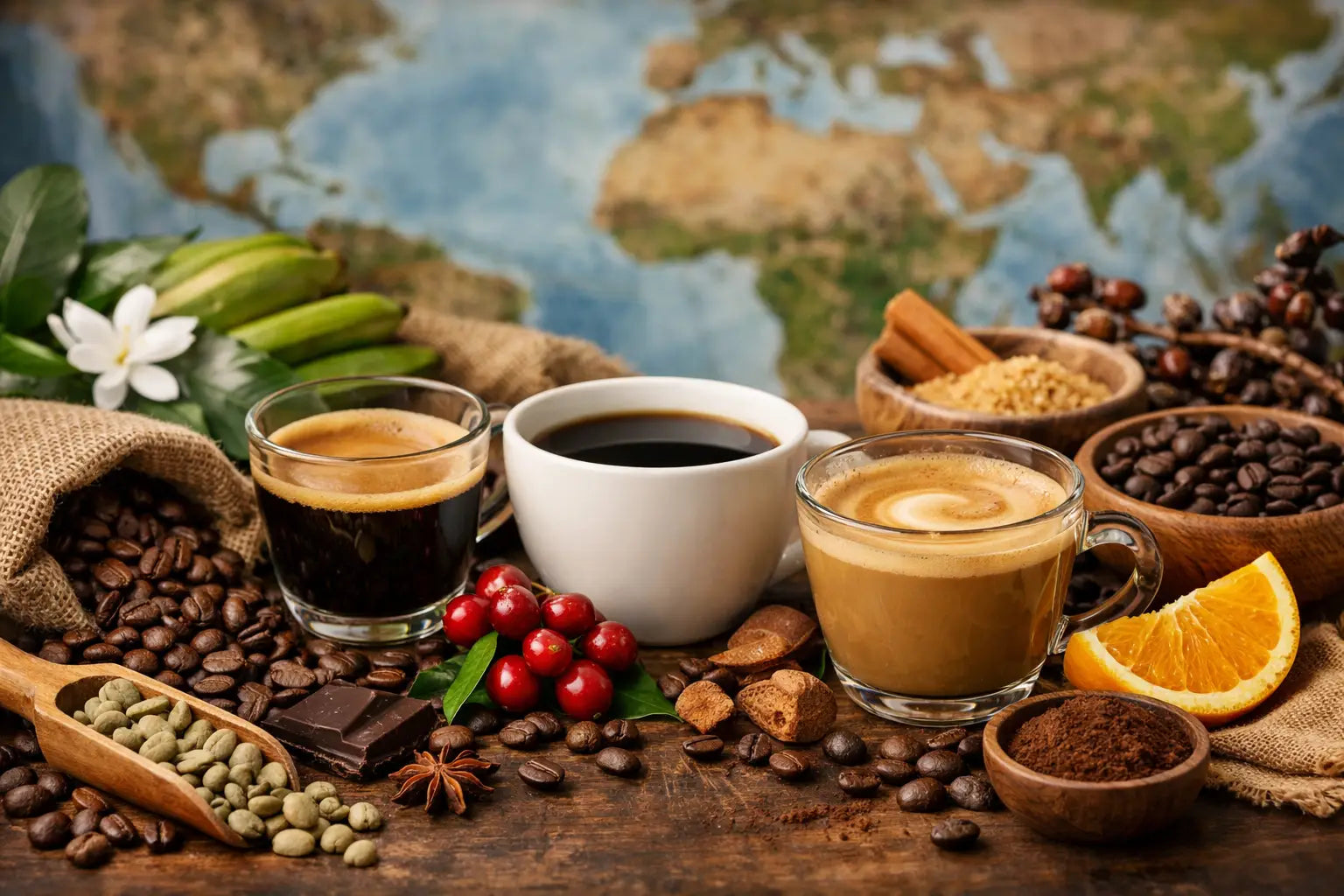
That first sip tells you more than most labels ever will. A coffee can taste like cocoa and toasted nuts, or burst with citrus, berries, and florals. A good coffee origin flavor guide helps make sense of those differences so you can buy beans with more confidence and brew cups that feel personal, comforting, and worth slowing down for.
For home brewers, origin is one of the clearest clues to what ends up in the cup. It is not the only factor - roast level, processing, freshness, and brewing method all matter - but origin gives you a strong starting point. If you have ever wondered why one single origin feels smooth and familiar while another tastes bright and layered, the answer usually begins with where it was grown.
How coffee origin shapes flavor
Coffee is an agricultural product, and like wine, it reflects place. Soil composition, elevation, temperature, rainfall, and local varieties all leave a mark on flavor. The same Arabica species can express itself in very different ways depending on the farm and region.
Higher elevations often produce denser beans. That density can translate into more structure, clearer acidity, and a more refined cup. Lower elevations can still create beautiful coffee, but the profile may lean softer or less vibrant depending on the climate and processing.
Origin also includes human decisions. Growers choose varieties, harvesting practices, and processing methods that influence sweetness, body, and fruit character. That is why origin should be read as a story, not a shortcut. A coffee from Ethiopia may suggest florals and citrus, but one producer's washed lot can taste very different from another producer's natural lot from a nearby area.
Coffee origin flavor guide by region
If you are choosing coffee online, regional patterns are useful. They are not rigid rules, but they can help you narrow in on the profile that suits your morning routine, your espresso setup, or the kind of cup you want to share after dinner.
Latin America
Coffees from Central and South America are often the easiest entry point for everyday specialty drinking. Many offer balance - sweetness, approachable acidity, and a clean finish. In the cup, you will often find notes like chocolate, almond, caramel, red apple, and gentle citrus.
Colombian coffees are especially versatile. Depending on the region and process, they can be round and sweet with caramel and stone fruit, or brighter with citrus and berry notes. They tend to work well for both drip and espresso, which is part of their broad appeal.
Guatemalan coffees often bring more structure and depth. Expect cocoa, spice, orange, and a slightly heavier body. They can feel elegant without becoming too sharp.
Costa Rican coffees are known for clarity. Many taste crisp and sweet, with honey, citrus, and soft tropical fruit. If you enjoy a clean cup with a polished finish, Costa Rica is often a reliable choice.
Brazil is different from much of Latin America because it commonly leans lower in acidity and fuller in body. Flavor notes often include milk chocolate, roasted nuts, and brown sugar. For espresso lovers or anyone who wants a comforting, familiar cup, Brazilian coffees are often a natural fit.
Africa
African coffees tend to attract drinkers who want vivid aromatics and more expressive acidity. These coffees can feel lively, layered, and memorable, especially when brewed as pour over or filter.
Ethiopian coffee is famous for a reason. Depending on region and process, it can show jasmine, bergamot, peach, blueberry, lemon, or tea-like delicacy. Washed Ethiopians usually taste more floral and citrus-driven, while natural Ethiopians often push deeper into ripe berry and jammy fruit.
Kenyan coffees are typically bold in acidity and structure. Think black currant, grapefruit, tomato leaf, or red berry with a juicy texture. They can be stunning, though not everyone wants that level of brightness first thing in the morning.
Rwandan and Burundian coffees often sit in a beautiful middle ground. They can offer berry and citrus notes, but with a softer profile than Kenya and a sweetness that makes them very approachable.
Asia-Pacific
This region often delivers coffees with more body, earthier depth, and lower perceived acidity, though there is plenty of range within it.
Sumatran coffees are known for their rich, syrupy body. Common notes include dark chocolate, cedar, spice, and earthy sweetness. These coffees are ideal when you want something grounding and bold, especially in French press or espresso.
Coffee from Indonesia more broadly can show herbal, savory, and spicy traits alongside chocolate and dried fruit. Some lots taste rustic, others refined. Processing plays a major role here.
Papua New Guinea can surprise people. It often combines tropical fruit brightness with cocoa and spice, creating a cup that feels both adventurous and balanced.
Why processing matters in any coffee origin flavor guide
Two coffees from the same farm can taste strikingly different if they are processed differently. That is why origin alone will never tell the whole story.
Washed coffees usually taste cleaner and more transparent. Acidity feels brighter, and individual notes are often easier to identify. If you like clarity and precision, washed coffees are a strong choice.
Natural processed coffees dry with the fruit still on the seed, which can increase fruit intensity and body. These coffees may taste like berries, tropical fruit, or jam. At their best, they are deeply sweet and expressive. At their worst, they can taste a little fermenty or uneven. It depends on how carefully they were handled.
Honey and pulped natural processes sit somewhere in between. They often deliver sweetness and texture while keeping more balance than a full natural. If you want fruit without going too far into wild territory, this category is worth exploring.
Roast level changes what you taste
Origin shapes potential. Roast level decides how much of that potential stays visible.
Lighter roasts usually preserve more of a coffee's original character. Floral notes, citrus, and delicate fruit tend to stand out. This is often where single origin coffees feel most distinct.
Medium roasts can be the sweet spot for many home brewers. You still get origin character, but with more caramelization and body. Chocolate, nut, and fruit notes can coexist in a way that feels balanced and easy to enjoy daily.
Darker roasts emphasize roast-driven flavors like smoke, bittersweet chocolate, and toasted sugar. That can be delicious, but it can also blur regional differences. If your goal is to learn origin, medium or lighter roasts usually teach you more.
How to use this coffee origin flavor guide when buying beans
Start with what you already enjoy. If you love smooth, chocolate-forward coffee, look toward Brazil, Guatemala, or a balanced Colombian lot. If you want something brighter and more aromatic, Ethiopian or Kenyan coffees may be a better match.
Then think about brewing method. Espresso often benefits from sweetness, body, and lower acidity, though bright espresso can be beautiful in the right setup. For drip, Chemex, or V60, more delicate and fruit-driven origins often shine. French press can flatter fuller-bodied coffees from Brazil, Sumatra, or certain Central American regions.
It also helps to read tasting notes as broad signals, not promises. If a bag says blueberry, that does not mean your cup will taste like juice. It means the coffee may have a fruit quality that reminds you of blueberry in the right brew. Water quality, grind size, and brew ratio all affect what you actually taste at home.
When possible, choose freshly roasted coffee from producers and roasters who care about traceability and quality. High-scoring single origin Arabica coffees tend to express origin more clearly because the raw material is strong to begin with. That extra care is not just about prestige. It often means a sweeter, cleaner, more memorable cup.
A simple way to train your palate
If you want origin to become more than a label, compare two coffees side by side. Brew them the same way, at the same ratio, and taste them warm and then as they cool. One may show more citrus, another more chocolate. One may feel tea-like, another syrupy. That contrast teaches faster than any chart.
Keep your language simple. You do not need to taste fifteen different notes to understand a coffee. Start with three questions: Is it bright or mellow? Light-bodied or heavy? More fruit-forward or more chocolate-forward? Those answers are enough to help you buy smarter next time.
Over time, patterns start to appear. You may notice that East African coffees wake up your palate on slow weekend mornings, while a nutty Latin American profile feels right for your daily ritual. That is where coffee becomes more than a beverage. It becomes part of how you create comfort at home.
A coffee origin flavor guide is most useful when it leads you to your own preferences, not when it tries to flatten every region into a stereotype. Let origin guide your choices, stay open to exceptions, and trust your cup. The best coffee is the one that tastes like a moment you want to return to.