Light Roast vs Medium Roast: Which Fits You?
Choosing coffee for home should feel exciting, not confusing. Yet light roast vs medium roast is one of those decisions that can change your whole cup - from the first aroma in the kitchen to the finish that lingers after breakfast. If you have ever bought beautiful beans and wondered why one bag tasted bright and lively while another felt rounder and sweeter, roast level is a big part of the answer.
At the specialty level, roast is not about making coffee "stronger" or "weaker." It is about shaping how the bean’s natural character shows up in the cup. Origin, variety, altitude, processing, and freshness all matter, but roast determines which parts of that story come forward most clearly. For coffee drinkers who want a more intentional morning ritual, understanding this difference makes every purchase easier.
Light roast vs medium roast: what changes in the bean?
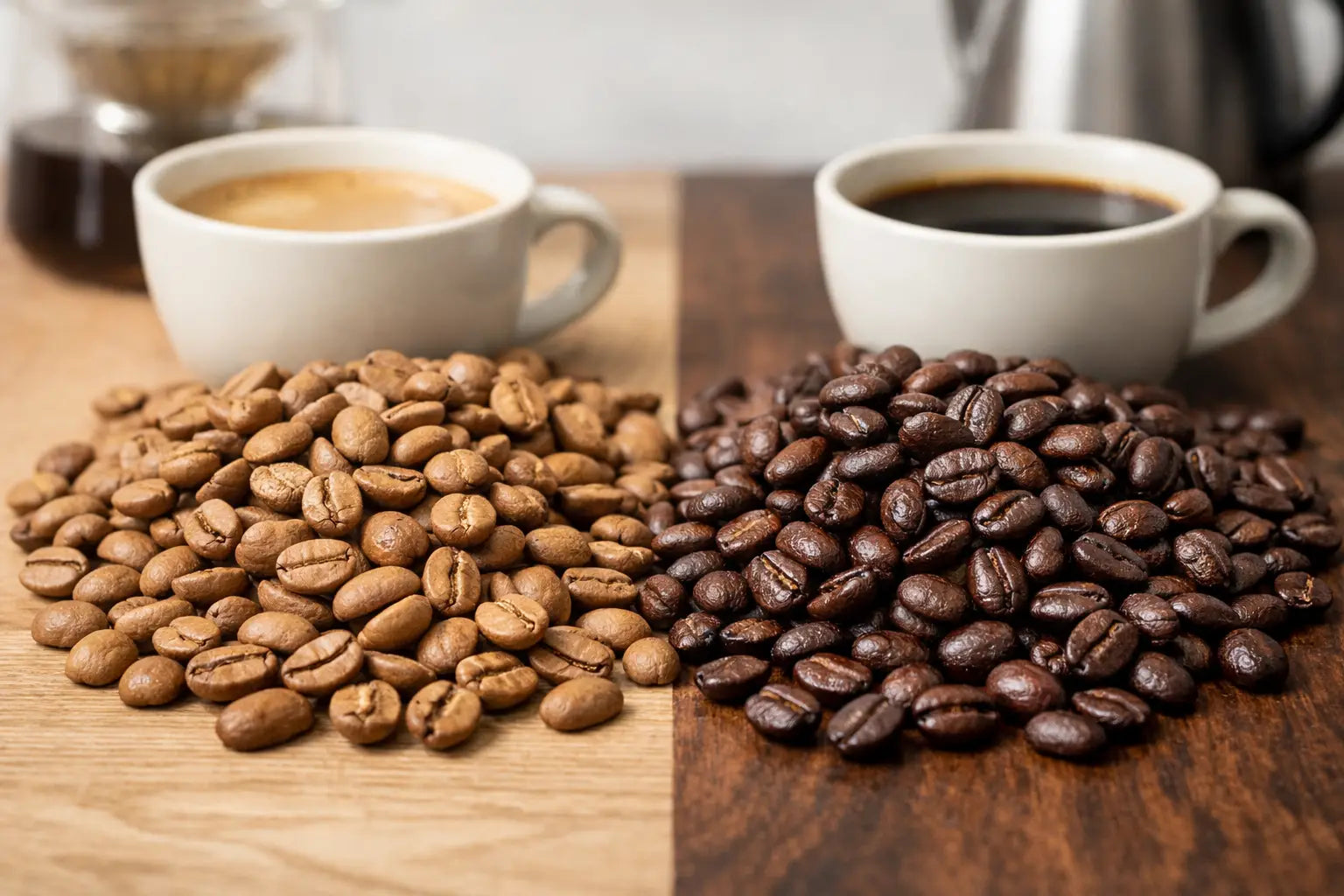
As green coffee is roasted, heat transforms sugars, acids, and aromatic compounds inside the bean. A light roast spends less time in the roaster, so more of the coffee’s original origin character stays front and center. That often means brighter acidity, more floral or fruit-forward notes, and a lighter body.
A medium roast develops a bit further. It still preserves much of the bean’s natural identity, but the added roast development brings more caramelization, a fuller mouthfeel, and flavors that tend to feel rounder and more familiar. You may notice chocolate, nuts, brown sugar, or toasted sweetness more clearly in a medium roast.
This is why two coffees from the same farm can feel surprisingly different when roasted to different levels. The bean is the same starting point, but the roast shifts the balance of acidity, sweetness, body, and finish.
Flavor is the real difference
For most people, the question is simple: what will taste better in my cup tomorrow morning?
Light roasts are often more expressive and more transparent. If a coffee comes from a high-altitude Ethiopian lot with jasmine aromatics and citrus brightness, a light roast is more likely to let those notes shine. The cup can feel crisp, layered, and vibrant. For coffee lovers who enjoy tasting origin-specific nuances, this can be where the magic happens.
Medium roasts are usually more comforting and versatile. They still have complexity, especially when made from high-quality single origin Arabica, but their flavors often land in a sweeter, smoother place. Instead of lemon zest and tea-like delicacy, you may get caramel, milk chocolate, roasted almond, or ripe fruit with less sharpness.
Neither is better across the board. Light roast can be stunning, but it can also feel too bright for someone who wants a softer, more mellow cup. Medium roast is often easier to love daily, yet if roasted too far it can begin to mute the most delicate origin notes. It depends on what you want your coffee ritual to feel like.
Does light roast have more caffeine?
This is one of the most common coffee questions, and the honest answer is: a little, but not in the dramatic way people think.
Because light roast beans are denser, they can contain slightly more caffeine when measured by scoop. But if you weigh your coffee, the caffeine difference between light roast and medium roast is usually small. Your brew ratio, dose, and cup size make a bigger impact on how caffeinated your coffee feels.
So if you are choosing between light roast vs medium roast based on energy alone, roast level should not be the deciding factor. Flavor is the better reason to choose one over the other.
Acidity, body, and sweetness
Acidity in coffee does not mean sour in a bad way. In great specialty coffee, acidity creates structure and liveliness. It is the sparkle that makes a cup feel fresh rather than flat.
Light roast usually highlights acidity more. That can show up as citrus, berry, green apple, or stone fruit, depending on origin and process. When the coffee is well roasted and well brewed, this brightness feels elegant and clean.
Medium roast tends to soften that edge. The body becomes fuller, sweetness feels more developed, and the finish is often smoother. This makes medium roast especially appealing for drinkers who want balance without losing quality. It can still be lively, but it generally feels less sharp and more rounded.
If your current coffee tastes too intense or tart, a medium roast may be a better fit. If your coffee feels dull and you want more personality in the cup, a light roast may be exactly what is missing.
Which roast works best for different brew methods?
Brew method matters because extraction changes how roast characteristics appear.
Light roasts often do beautifully in pour-over, Chemex, and other filter methods that highlight clarity. These brewers can showcase delicate aromatics and layered acidity in a way that feels almost tea-like. A light roast can also work for espresso, but it usually requires more dialing in. The shot may be vibrant and complex, though less forgiving.
Medium roasts are the most flexible choice for many homes. They perform well in drip coffee makers, French press, pour-over, and espresso. In espresso especially, medium roast often delivers the balance many people want - sweetness, body, crema, and enough acidity to keep the shot lively without becoming aggressive.
If you brew in multiple ways or share coffee with family members who have different preferences, medium roast is often the safer all-around choice. If you love experimenting and want to taste the clearest expression of origin, light roast rewards attention.
Who should choose light roast?
Light roast is a great fit for the coffee drinker who wants discovery in the cup. If you enjoy tasting differences between regions, care about processing methods, or love coffees with floral, citrus, and berry notes, light roast gives you more of that origin-driven experience.
It also suits people who brew slowly and intentionally. If your ideal morning includes hand grinding, pouring in circles over a dripper, and catching every aromatic detail, light roast can turn coffee into a sensory ritual rather than just a caffeine habit.
That said, light roast asks a little more from both the roaster and the brewer. It can be less forgiving if under-extracted and may taste grassy, thin, or sour if brewed poorly. Quality matters here. High-grade beans, fresh roasting, and careful brewing make all the difference.
Who should choose medium roast?
Medium roast is for the drinker who wants balance, sweetness, and comfort without sacrificing character. It is often the best entry point into specialty coffee because it feels familiar while still offering much more depth than typical grocery-store coffee.
If you like smooth cups with notes of chocolate, nuts, caramel, or ripe fruit, medium roast will likely feel right at home. It is especially appealing for households where coffee needs to please more than one palate. It is also an excellent choice for milk drinks, since the fuller body and developed sweetness hold up well in lattes and cappuccinos.
For many people, medium roast becomes the everyday favorite because it brings together approachability and craftsmanship. It feels polished, satisfying, and easy to return to.
Quality matters more than roast level alone
A light roast made from low-grade beans will not suddenly taste special because it is lighter. A medium roast cannot hide poor sourcing forever, either. Roast level matters, but bean quality matters first.
That is why specialty coffee buyers often look for signals such as single origin sourcing, ethical relationships with growers, high cup scores, and fresh small-batch roasting. Those factors create the foundation for a roast to shine. When the coffee itself is excellent, both light and medium roasts can create memorable cups for very different reasons.
For a brand like House Coffee, that craftsmanship is the heart of the experience. Freshly roasted, specialty-grade Arabica gives you a better chance of tasting what the roaster intended, whether you lean bright and lively or smooth and balanced.
How to decide without overthinking it
The best choice usually starts with one honest question: what do you want your coffee to feel like?
If you want a cup that feels vivid, nuanced, and full of origin character, start with light roast. If you want warmth, sweetness, and a dependable daily brew that still feels elevated, start with medium roast.
You can also let your favorite foods guide you. People who love citrus, berries, wine, and layered flavors often gravitate toward light roast. People who reach for chocolate, toasted nuts, and dessert-like comfort often prefer medium roast. And if you sit somewhere in the middle, that is normal. Many coffee lovers keep both at home for different moods, brew methods, and moments.
Coffee should meet you where you are. Some mornings call for a bright, articulate cup that wakes up your senses. Others call for something softer and more grounding, the kind of coffee that brings a little calm to the kitchen and makes home feel even more like home. The right roast is the one you will look forward to tomorrow.