How to Brew Single Origin Espresso Well
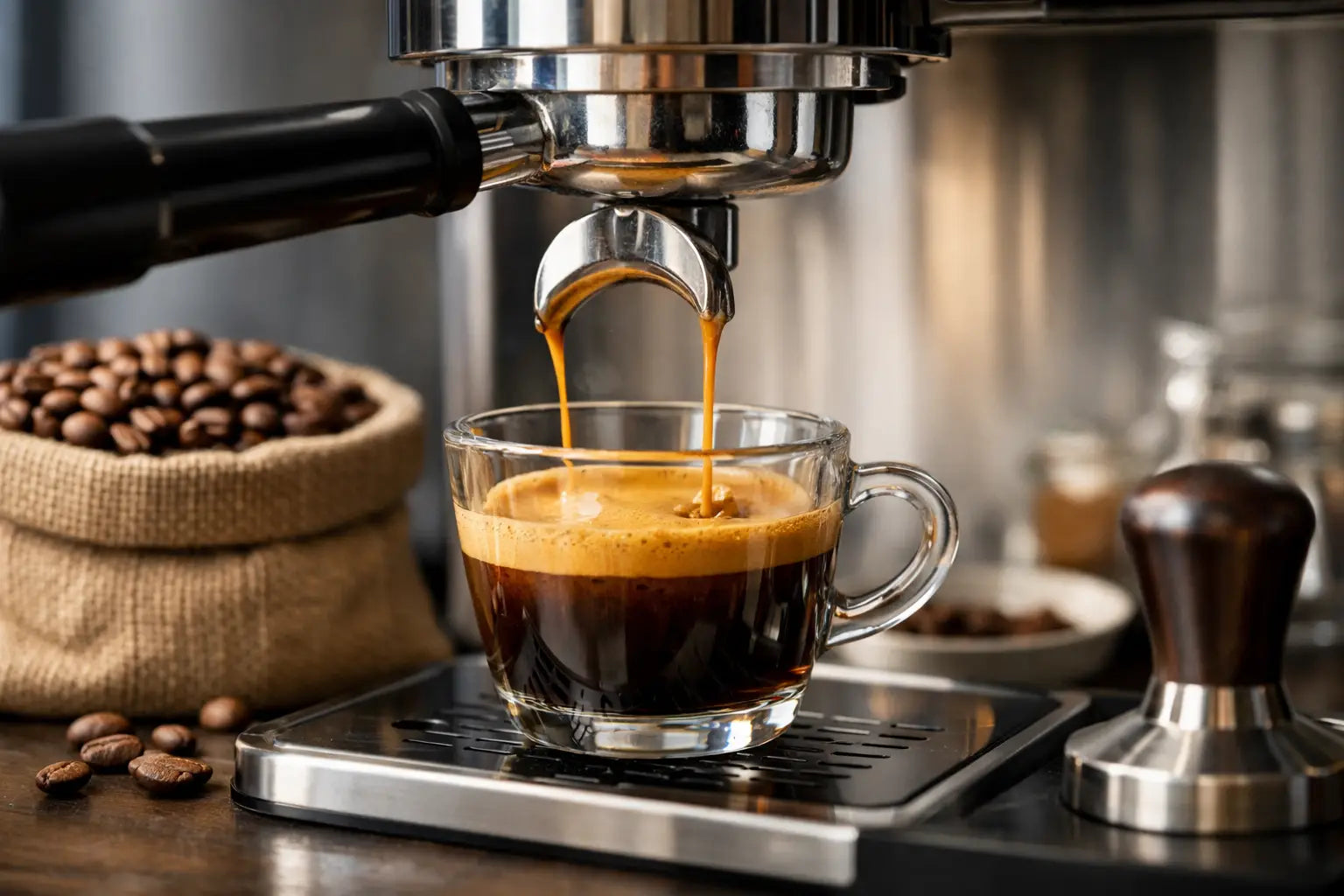
A single origin espresso can taste incredible one day and strangely sharp the next, even when you swear you changed nothing. That is exactly why learning how to brew single origin espresso is so rewarding. Unlike blends, single origins tend to show their personality more clearly - the sweetness, the fruit, the florals, the cocoa, the structure. They also show your mistakes more honestly.
That is not a bad thing. It is part of the appeal. A well-roasted single origin carries the work of one place, one harvest, and often one producer or community, and espresso puts all of that under a microscope. When the shot is right, it feels less like a caffeine routine and more like a small daily ritual worth slowing down for.
What makes single origin espresso different
Blends are often built for consistency and balance. They are designed to behave predictably, with one coffee filling in what another lacks. Single origin coffee is usually more transparent. If the coffee comes from Ethiopia, Colombia, Guatemala, or Burundi, you are more likely to taste the character of that specific origin rather than a profile shaped to be familiar year-round.
In espresso, that clarity can be beautiful, but it also means you may need to adjust your approach. Some single origins pull best with a classic syrupy body and chocolate-heavy profile. Others shine when you let more acidity through and aim for a lighter, juicier shot. There is no single formula that works for every bag.
Processing matters too. A washed coffee may give you a cleaner, more defined cup with crisp acidity. A natural or honey-processed coffee may produce heavier fruit, more sweetness, and sometimes a little less margin for error. None of that is better or worse. It simply changes how you dial in.
Start with the right espresso setup
You do not need a commercial bar to make excellent espresso at home, but you do need control. The grinder matters at least as much as the machine, and often more. If your grind size jumps around, your shots will too.
Fresh coffee is non-negotiable. Single origin espresso is at its best when the beans have had enough rest after roasting to settle, but are still fresh enough to hold sweetness and aromatics. For many coffees, that sweet spot starts around 7 to 14 days off roast, though some lighter roasts benefit from a bit more rest.
Your water also affects the result more than most people expect. Very hard water can mute acidity and create a chalky impression. Very soft water can make the cup taste flat or oddly sharp. If your espresso suddenly feels dull despite good technique, water is one of the first variables worth questioning.
How to brew single origin espresso with a reliable recipe
The easiest way to approach a new coffee is to begin with a simple, repeatable recipe. For most single origin espressos, a good starting point is a 1:2 ratio. That means if you dose 18 grams of coffee into the basket, you aim for about 36 grams of espresso in the cup.
Target a brew time of roughly 28 to 32 seconds from the moment extraction starts. This is not a law. It is a starting range that helps you get close before taste tells you what to do next.
Keep your puck prep consistent. Grind fresh, distribute evenly, and tamp level with firm, even pressure. The goal is not heroic tamping strength. It is consistency. If your prep changes every shot, your adjustments will be harder to read.
Temperature can make a noticeable difference with single origins. If the coffee is bright and dense, a slightly higher brew temperature may help draw out sweetness. If it tastes aggressively bitter or roasty, lowering the temperature a little can help. Small changes matter. One or two degrees can shift the whole shot.
Dialing in by taste, not just numbers
Numbers help, but taste is the final guide. Single origin espresso often punishes rigid thinking. A shot can land exactly at 18 grams in, 36 grams out, in 30 seconds and still taste wrong.
If your espresso tastes sour, grassy, or hollow, it is probably under-extracted. In most cases, grind a little finer. You can also try a slightly longer yield, especially if the coffee has high acidity and needs more development to show sweetness.
If it tastes bitter, dry, or flat, you are likely over-extracting. Grind a touch coarser or shorten the shot. Some coffees become much more elegant when you stop the extraction earlier instead of forcing more volume into the cup.
A balanced shot should have structure, sweetness, and a finish that invites another sip. That does not always mean low acidity. Many single origins are meant to be lively. The real question is whether the brightness feels sweet and integrated or harsh and disconnected.
Adjust your expectations for different origins
One reason people struggle with single origin espresso is that they expect every coffee to behave like a traditional espresso blend. If you are used to heavy chocolate, low acidity, and a thick crema cap, a floral washed Ethiopian or a citrusy Kenyan may seem "off" even when it is brewed well.
That does not mean you have to force yourself to like every style. It does mean your brewing target should fit the coffee in front of you. A naturally processed Brazilian might respond beautifully to a shorter ratio and lower acidity profile. A high-grown washed Colombian may open up with a slightly longer shot that highlights stone fruit and caramel.
This is where coffee becomes personal. Some home baristas prefer single origin espresso straight. Others find certain coffees become more compelling in milk, where berry, cocoa, or spice notes can carry through in a memorable way. Neither approach is less serious. It just reflects what kind of cup you want to build into your day.
Common mistakes when brewing single origin espresso
The biggest mistake is changing too many variables at once. If the shot is off, pick one thing to adjust first, usually grind size. If you change dose, yield, temperature, and tamp all in one round, you will not know what actually improved the cup.
Another common issue is using coffee that is too fresh. Beans that were roasted only a day or two ago can release gas unpredictably, leading to uneven extraction and unstable crema. Letting the coffee rest often brings more clarity and sweetness.
It is also easy to chase crema instead of flavor. Crema looks beautiful, but it is not proof of quality. Some single origins produce less crema than darker blends, especially if they are lightly roasted or a bit older. Focus on the taste in the cup.
Then there is the mistake of grinding for convenience instead of the coffee. Single origin espresso rarely rewards shortcuts. A small grind adjustment can turn a thin, sharp shot into one with depth and softness. That is why patience matters.
When to bend the rules
Once you have a baseline, you can get more expressive. Some single origins taste better as a ristretto-style shot with a tighter yield and more concentration. Others become sweeter and clearer as a lungo-style espresso with a longer ratio. Traditional rules are useful until they stop helping.
The roast level should guide you here. A lighter roast often benefits from a bit more extraction, whether through a finer grind, a slightly higher temperature, or a longer ratio. A more developed roast may need restraint so the deeper sugars stay pleasant instead of drifting into bitterness.
This is one reason high-quality, freshly roasted coffee makes such a difference. With thoughtfully sourced single origin beans, the adjustments feel meaningful because there is something distinct to reveal. At House Coffee, that is part of the appeal of specialty-grade single origin coffee - you are not just brewing for strength, you are brewing for character.
Make your espresso routine more consistent
If you want better results day after day, keep notes. Write down dose, yield, time, and a few words about taste. It sounds simple because it is, and it works. Patterns start to appear quickly.
Try to brew at the same time and with the same workflow when possible. Changes in humidity, bean age, and room temperature can affect extraction, but consistency in your routine helps you catch those shifts earlier. Even weighing your output every shot instead of guessing can move your espresso from good to dependable.
Most of all, give yourself room to learn the coffee. Single origin espresso is not always immediately easy, but that is part of what makes it memorable. When you finally find the sweet spot, the cup feels more connected to place, to craft, and to the quiet comfort of making something beautiful at home. The best shot is not always the one that follows every rule - it is the one that makes you pause after the first sip.